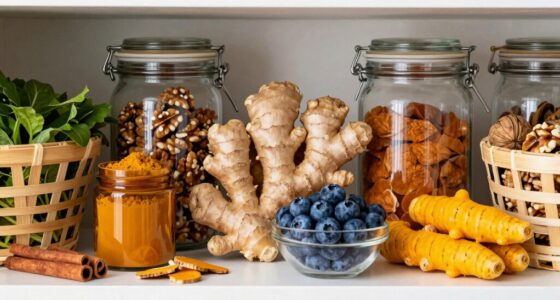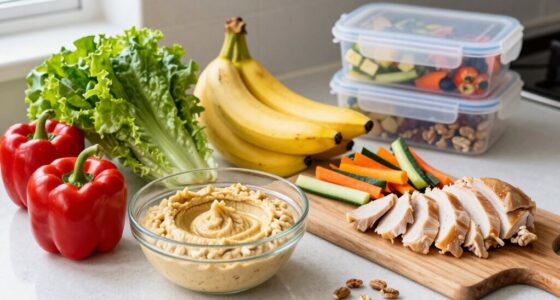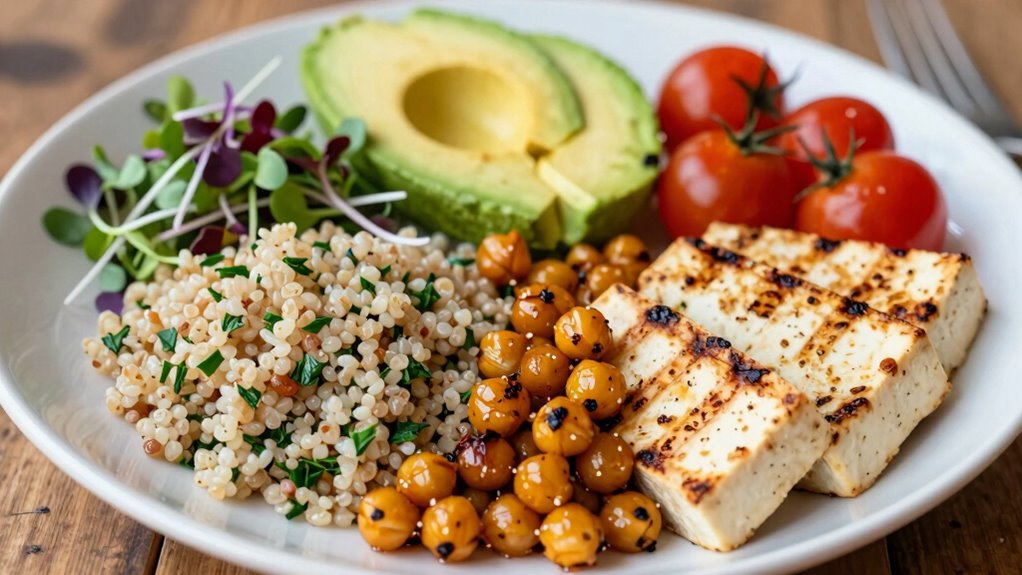

To meet your protein needs on a vegetarian diet, focus on combining plant-based foods like legumes, grains, nuts, and seeds to guarantee you get all essential amino acids. Incorporate soy products such as tofu or edamame for complete proteins, and pair grains with legumes for balanced nutrition. Exploring these smart food combinations makes it easier to get enough protein without animal products. Keep exploring this guide to discover more simple tips for a well-rounded, plant-based diet.
Key Takeaways
- Combining plant foods like grains and legumes creates complete proteins with all essential amino acids.
- Incorporate diverse sources such as soy, nuts, seeds, and pulses to meet protein and nutrient needs.
- Pairing foods strategically, like rice and beans, maximizes amino acid profiles and overall nutrition.
- Include soy products like tofu and tempeh for easily accessible complete plant-based proteins.
- Understanding protein quality and digestion helps optimize vegetarian meal planning for balanced nutrition.
Ever wondered how vegetarians get enough protein to meet their dietary needs? The good news is, you don’t need to eat meat to hit your protein goals. Plant-based sources are packed with nutrients and can provide all the protein your body requires. The key is understanding how to combine different foods to get a complete amino acid profile, which is crucial for muscle repair, immune function, and overall health. Not all plant-based sources are created equal, so knowing which foods to include in your diet makes a big difference.
Plant-based diets can meet all protein needs through smart food combinations and nutrient-rich choices.
Legumes, such as lentils, chickpeas, and black beans, are excellent sources of protein. They’re rich in fiber and other essential nutrients, making them a smart choice for vegetarians. However, many plant-based sources have limiting amino acids, which are essential amino acids your body needs. For example, grains like rice and wheat are high in certain amino acids but low in others. To guarantee you’re getting a complete protein profile, you should combine legumes with grains, creating a complementary mix that covers all amino acids. Think of rice and beans or peanut butter on whole-grain bread — these combinations are not only delicious but also nutritionally complete.
Nuts and seeds are also valuable plant-based protein sources. Almonds, chia seeds, flaxseeds, and sunflower seeds contain healthy fats and protein, making them a great addition to your diet. While they don’t typically provide enough protein on their own, they help diversify your intake and boost your overall nutrient profile. Incorporating a variety of these foods helps assure you’re meeting your amino acid needs without relying on animal products. Additionally, understanding the amino acid profile of different plant foods can help you optimize your meal planning for complete nutrition. Exploring plant-based complete proteins like soy can simplify your dietary choices and ensure you’re covering all amino acid requirements.
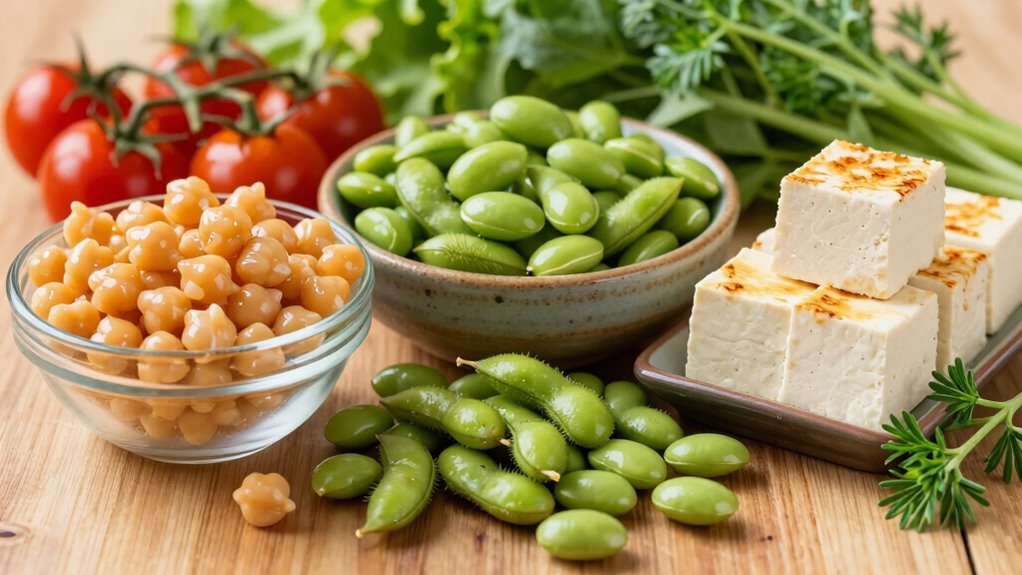
To maximize your protein intake from plant sources, consider incorporating soy products like tofu, tempeh, and edamame. Soy is unique among plant foods because it contains all essential amino acids, making it a complete protein. This makes it especially valuable for vegetarians, as it simplifies meal planning. Combining soy with other plant sources can help you reach your daily protein goals while maintaining a balanced intake of amino acids. Including a variety of plant-based protein sources ensures a well-rounded and nutritious vegetarian diet. Moreover, staying informed about protein quality can help you make better dietary choices to meet your nutritional needs. Learning about protein digestibility can also help you better understand how effectively your body uses different plant proteins, leading to smarter food choices.

Orgain Organic Vegan 21g Protein Powder, Vanilla Bean, 2.03 lb
- Organic Plant-Based Protein: 21g of organic protein per serving
- Low Sugar Content: Contains only 1g sugar
- Gut Support Fiber: Includes 6g prebiotic fiber
As an affiliate, we earn on qualifying purchases.
As an affiliate, we earn on qualifying purchases.
Frequently Asked Questions
Can Vegetarians Get Enough Protein Without Supplements?
Yes, you can get enough protein without supplements by focusing on meal planning and protein blending. Incorporate a variety of plant-based sources like beans, lentils, tofu, and quinoa into your meals. Combining different protein-rich foods guarantees you get all essential amino acids. By thoughtfully mixing ingredients and planning your meals, you’ll meet your protein needs naturally, making supplements unnecessary for a balanced vegetarian diet.
Which Plant-Based Foods Have the Highest Protein Content?
Think of plant-based foods as treasure chests of protein. Legume varieties like lentils, chickpeas, and black beans pack a punch, while grain combinations such as quinoa, oats, and brown rice offer substantial protein. Combining these foods creates a balanced, protein-rich meal, ensuring you get enough without supplements. So, explore these options to *discover* the full potential of vegetarian protein and fuel your body naturally.
How Do Vegetarian Proteins Compare to Animal Proteins in Quality?
Vegetarian proteins can match animal proteins in quality, especially when you combine diverse plant sources. While animal proteins are complete, containing all essential amino acids, some plant-based options may have lower protein absorption. But, by eating a variety of foods like beans, quinoa, and soy, you support better digestive health and guarantee your body absorbs enough amino acids. This approach helps you maintain a balanced, high-quality protein intake on a vegetarian diet.
Are There Any Common Allergens in Vegetarian Protein Sources?
You should be aware that some vegetarian protein sources carry allergen risks. Common allergens include soy, nuts, and gluten, which can sometimes be hidden sources in processed products. Always check labels carefully, especially for packaged foods, to avoid unexpected reactions. If you have allergies, opt for naturally allergen-free options like quinoa, peas, or seeds, and consult with a healthcare professional to identify safe choices tailored for you.
How Can Vegetarians Ensure Complete Amino Acid Intake?
To guarantee complete amino acid intake, you should focus on amino acid pairing by combining different plant-based protein sources throughout your day. For instance, eat beans with rice or hummus with whole grain bread. This strategy helps you get all essential amino acids, even if individual plant proteins are incomplete. By diversifying your meals, you naturally cover all amino acid needs, supporting your overall nutrition as a vegetarian.

3.17oz Freeze Dried Tofu Cubes, Dehydrated Tofu, Plant-Based Soy Bites
- High Protein Plant-Based: Made from 100% soybeans for vegan diets
- Quick Preparation: Soak in hot water for 5-7 minutes
- Versatile Usage: Ideal for ramen, soups, and camping
As an affiliate, we earn on qualifying purchases.
As an affiliate, we earn on qualifying purchases.
Conclusion
Think of your journey to vegetarian protein as tending a vibrant garden. Each plant—lentils, nuts, tofu—adds color and strength to your landscape. With a little effort and curiosity, you’ll cultivate a lush, nourishing space that supports your health and satisfies your taste buds. Remember, just like a gardener learns from each season, you’ll discover new flavors and combinations along the way. Keep nurturing your garden—you’re creating a masterpiece of plant-powered energy.
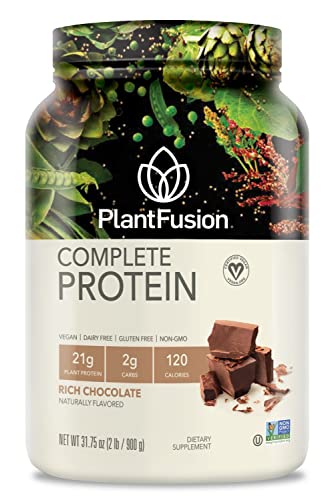
PlantFusion Complete Vegan Protein Powder – Plant Based With BCAAs, Digestive Enzymes and Pea Protein – Keto, Gluten Free, Soy Free, Non-Dairy, No Sugar, Non-GMO – Chocolate 2 lb
- Plant Protein Blend: Five plant proteins with BCAAs and enzymes
- Delicious Natural Flavor: Flavor Pure blend with monk fruit and lucuma
- Clean, Pure Formula: No fillers, artificial ingredients, or chemicals
As an affiliate, we earn on qualifying purchases.
As an affiliate, we earn on qualifying purchases.

Anthony's Organic Pumpkin Seed Protein Powder, 1lb, Gluten Free, Non GMO, Unflavored, Plant-Based Protein
- Product Type: Organic Pumpkin Seed Protein Powder
- Dietary Certifications: Gluten-Free, Non-GMO, Vegan
- Usage Options: Mix into smoothies, baked goods, or shakes
As an affiliate, we earn on qualifying purchases.
As an affiliate, we earn on qualifying purchases.