
TL;DR
Home massage devices can provide short-term relief from muscle tension, soreness, and stress. Choosing the right device involves considering features like mechanism, intensity, fit, and safety. Proper use and safety precautions maximize benefits and prevent issues.
Imagine pressing a button and instantly melting away tension after a long day. That’s the promise of home massage devices. These consumer products have exploded in popularity, offering a quick, convenient way to soothe sore muscles, reduce stress, and even boost circulation—without booking a professional massage.
If you’ve ever felt tightness in your shoulders after hours at your desk or sore legs post-run, you probably wonder: can a device really help? The answer is yes, but it depends on what you choose and how you use it. In this guide, you’ll discover what makes a good home massage device, how to pick one that fits your needs, and how to use it safely for real relief.
Choose a device that matches your main needs—deep muscle work vs. relaxation—using features like mechanism type, intensity, and fit.
Start with the lowest setting, keep the device moving, and limit sessions to avoid irritation or injury.
Safety precautions are crucial—avoid sensitive areas, broken skin, or persistent pain, and consult professionals if symptoms worsen.
Market trends favor smaller, personalized, multi-therapy devices, but always scrutinize exaggerated claims and regulatory marks.
Regularly clean your device and replace parts as needed to maintain safety and performance.
What Types of Home Massage Devices Actually Work?
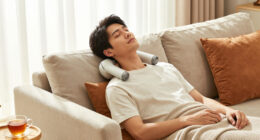
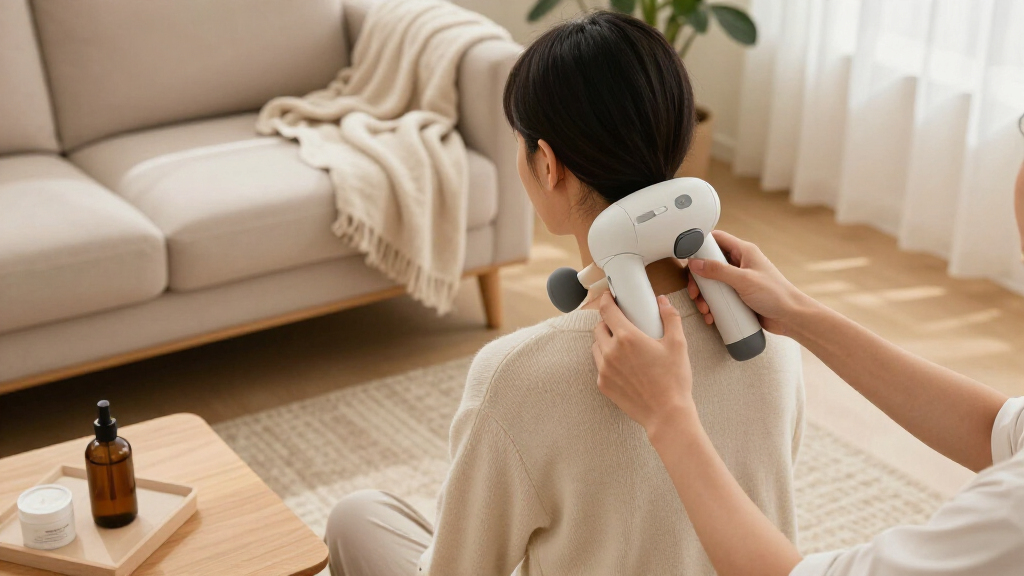
There’s a whole toolbox of devices promising relief, but which ones truly deliver? Percussion massage guns, for example, are popular for their deep tissue impact—knocking out knots and loosening stiff muscles. Vibrating hand-held massagers offer a gentler, soothing experience, perfect for easing tension without pain. Shiatsu-style cushions mimic the kneading motion of a therapist’s hands, ideal for back and neck relief. Foot and calf massagers, with rollers and air compression, target tired, swollen limbs after a long day.
Understanding why these devices work or don’t work hinges on their mechanism and how they interact with your body. Percussion guns deliver rapid, repetitive taps that can break up muscle adhesions and increase blood flow, which is beneficial after workouts but may cause discomfort if overused or used improperly. Vibrating massagers provide a more gentle stimulation, promoting relaxation and circulation without overstimulating tissues. Shiatsu cushions replicate the kneading motions that relax muscles and improve flexibility, but their effectiveness depends on proper placement and pressure. Foot and calf devices target specific areas that often accumulate tension and swelling, but their success relies on consistent use and correct fit.
Choosing the right device isn’t just about immediate comfort; it impacts your recovery, stress levels, and even injury prevention. For example, deep tissue percussion devices can expedite muscle recovery but might be too intense for sensitive areas or beginners. Conversely, gentler vibrational devices are safer for daily use but may offer less intense relief for severe knots. The key is understanding these tradeoffs and selecting a device that aligns with your specific needs, body sensitivities, and recovery goals.
As an affiliate, we earn on qualifying purchases.
How to Pick the Perfect Home Massage Device for Your Needs
When shopping for a home massage device, it’s essential to understand that not all features are created equal, and their importance varies based on your goals. For instance, a device with multiple intensity levels allows you to tailor the pressure to your comfort and needs, which is crucial for sensitive areas or beginners. The mechanism—percussion versus vibration—also influences how deeply the device can penetrate tissues, affecting its suitability for different muscle conditions. A percussion device might be more effective for deep knots, but it can also be more intense and potentially uncomfortable if misused.
Fit and reach are significant because they determine how easily you can target difficult-to-reach areas like your back or shoulders. A device with adjustable attachments or ergonomic design can enhance control and comfort, reducing fatigue during use. Battery life and noise levels matter too; a device with a longer-lasting battery ensures uninterrupted sessions, while quieter operation makes it more versatile for use without disturbing others or during relaxation routines.
To make an informed choice, consider how each feature impacts your experience and outcomes. For example, a device with heat therapy can enhance muscle relaxation but might add weight or cost. Conversely, a lightweight, portable device may sacrifice some power but increases convenience for on-the-go use. Weighing these tradeoffs against your priorities—whether recovery speed, ease of use, or comfort—will help you select the most effective device for your lifestyle and needs.
As an affiliate, we earn on qualifying purchases.
Safe Use: Avoiding Common Mistakes to Get Real Relief
Using your massage device safely is just as important as choosing the right one. Always start on the lowest setting—your muscles need time to warm up. Keep the device moving; don’t hold it on one spot for too long. For example, pressing a massage gun directly on your spine or bones can cause discomfort or injury.
Limit sessions to about 10-15 minutes per area. If you notice pain, numbness, or increased swelling, stop immediately. Remember, these devices aren’t meant to treat medical conditions—if symptoms persist or worsen, see a healthcare professional.
Extra caution applies if you’re pregnant, have blood-clotting issues, or use blood thinners. Avoid areas with broken skin, infections, or unexplained swelling. When in doubt, consult a doctor, especially if you have underlying health concerns.
For instance, a runner using a percussion gun after a marathon should keep sessions short, avoid the knee joint, and listen to how their body responds. Better safe than sorry—your muscles will thank you.
Understanding the implications of improper use is vital because misuse can lead to bruising, nerve irritation, or aggravation of underlying conditions. For example, applying high-intensity settings to sensitive areas like the neck or injured tissues can worsen pain or cause tissue damage. Recognizing your own limits, listening to your body, and adhering to recommended durations and settings are crucial steps in ensuring safe, effective relief. This proactive approach helps prevent setbacks and enhances the overall benefit of your massage routine.
As an affiliate, we earn on qualifying purchases.
The Latest Trends: What’s New & Exciting in Home Massage Tech
The market has shifted rapidly over the last few years. Smaller, quieter massage guns now fit into a purse or gym bag, making recovery on the go easier than ever. Premium models offer personalized routines with guided pressure, app controls, and adjustable programs—like having a therapist in your pocket.
Pneumatic compression boots, once reserved for clinics, now flood the consumer market. They promise to reduce swelling and promote circulation after workouts, but research shows mixed results—so weigh comfort against cost.
Devices are also blending therapies. Some combine massage, heat, cooling, and even electrical stimulation, offering a multi-sensory experience. Ergonomics has improved too: lighter handles, better grip, and smarter design reduce hand fatigue.
Marketing is shifting from athletic recovery to stress relief, sleep aid, and everyday wellness. However, beware of exaggerated claims—regulations are tightening, and consumers are demanding more transparency.
Understanding these innovations helps you recognize what features genuinely enhance your experience versus what might be marketing hype. For example, app-controlled routines can personalize your massage but may also introduce complexity or additional costs. Multi-therapy devices can save space and time but might compromise on the intensity or specificity of relief. Staying informed about these trends enables you to select devices that align with your wellness priorities, ensuring you get the most value and effectiveness from your investment.
foot and calf massager with rollers
As an affiliate, we earn on qualifying purchases.
As an affiliate, we earn on qualifying purchases.
Safety & Regulation: What to Know Before You Buy
Many home massage products are marketed as wellness devices, not medical tools. This distinction impacts safety and effectiveness claims. Electrical safety certifications—like UL or CE marks—are a baseline, but they don’t guarantee the device will treat health issues.
Be wary of products claiming to eliminate fat, detox, or cure injuries. These are often marketing hype, with little scientific backing. Always check for credible safety markings and read reviews about durability and support.
Remember, a device passing safety tests isn’t a substitute for medical advice. If you have health conditions like blood clots, osteoporosis, or pregnancy, consult your doctor before use. Persistent or severe symptoms need professional evaluation, not just a gadget.
For example, a person with a history of blood clots should avoid deep percussion devices unless cleared by their healthcare provider. Safety first—your health depends on it.
Understanding the regulatory landscape is crucial because it helps you identify reliable products and avoid those that make exaggerated claims or lack proper safety standards. Certifications like UL, CE, or FDA approval serve as indicators of basic safety compliance, but they don’t guarantee efficacy for medical conditions. Knowing the limits of these certifications, along with reading user reviews and manufacturer information, empowers you to make informed, safe choices that align with your health needs and expectations.
Your Top Questions About Home Massage Devices Answered
Q: Do massage guns really work? They can offer immediate relief from muscle soreness and improve flexibility temporarily. However, they don’t heal injuries or replace physical therapy.
Q: Can I replace a massage therapist with a home device? For routine relaxation and mild tension, yes. But they can’t assess your condition or handle complex issues like nerve pain or deep injuries.
Q: How long should I use one? Usually 10-15 minutes per area, following the manufacturer’s instructions. Overuse can cause irritation or bruising—listen to your body.
Q: Is daily use safe? If gentle, yes. Intense daily sessions might lead to soreness or skin irritation, so balance is key.
Q: Can I use them before exercise? A light, brief session can warm up muscles, but avoid aggressive treatment right before high-intensity activity. Post-exercise, gentle use can help reduce soreness.
Keep these questions in mind to get the most benefit without risking injury or discomfort.
Conclusion
Home massage devices can be a game-changer for daily relief and recovery. But the key is choosing wisely and using safely. Think of them as tools—powerful, yes, but only when handled with care and awareness.
Imagine your favorite relaxing moment—perhaps a warm bath or a cozy chair—enhanced by the perfect massage device. Your muscles deserve that kind of comfort every day. After all, a little relief now can turn into a lasting sense of well-being.