
TL;DR

Get health and wellness essentials delivered free with Prime
- Fast, free delivery on millions of items
- Prime Video, Amazon Music and more included
- Member-only deals all year
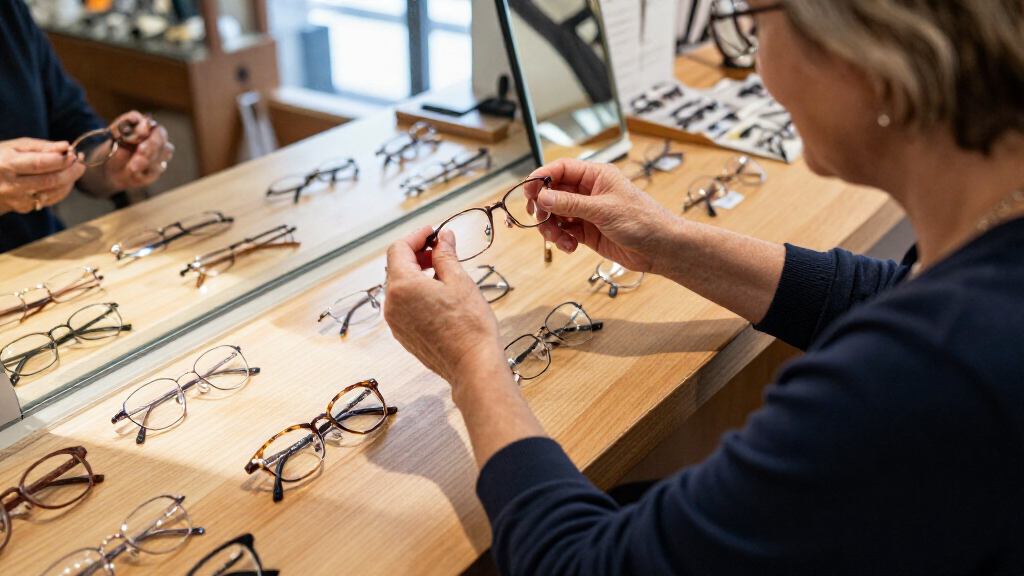
A Seniors Guide report, drawing on advice from eye-care and consumer experts, outlines eight considerations for adults over 50 shopping for glasses. The guidance emphasizes getting an updated prescription, comparing total costs and weighing in-person fitting against online prices; Medicare coverage for routine eye care is limited and plan details vary.
Seniors Guide has published an eight-tip guide to buying glasses after 50, advising shoppers to start with an updated eye exam and compare prices, fitting options and coverage before choosing a retailer. The report cites vision and consumer experts and notes that more complex prescriptions can make both lens selection and the decision between online and in-person shopping more consequential.
The first step is to obtain a current prescription from an optometrist or ophthalmologist, or from a retailer that provides eye exams. The report cautions against using an old prescription simply to avoid the cost or time of an exam. After that, shoppers can compare frame-and-lens packages, coatings and discounts, and request a copy of the prescription if they plan to buy somewhere other than the examining provider.
The report recommends comparing warehouse clubs, independent optical shops and online sellers, while accounting for more than the advertised price. In a Consumer Reports survey of 11,450 members who had bought glasses within the previous two years, median prices after insurance were $160 at Costco and $190 at Warby Parker. The reported median was $346 at independent optical shops after insurance, or $511 out of pocket. These figures reflect that survey, not a guarantee of current prices or what any individual will pay.
Other tips cover comparing vision insurance with store discount plans, checking whether a provider is in-network and reading plan terms. The guide says original Medicare generally does not cover routine eye exams or standard eyeglasses, while some Medicare Advantage plans offer vision benefits; coverage varies. It also advises considering lens coatings carefully and weighing the convenience of online orders against in-person help with fit and more complicated lenses.
Cost and Fit Can Change With Age
For adults who need bifocals or progressive lenses, the total bill may include more than a frame and basic lenses. Lens complexity, coatings, insurance and fitting can all affect the final cost, so a low advertised price may not represent the best value for a particular prescription. Comparing full prices and benefits can help shoppers avoid choosing solely for convenience.
Where glasses are purchased also affects the kind of support available. A warehouse club may combine lower prices with in-person assistance, while an online seller can offer convenience but may not provide the same fitting experience. The report quotes ophthalmologist Faheem Ahmed saying that people with stronger or more complicated prescriptions should lean toward buying in person. That is expert guidance cited by the report, not a rule that applies identically to every shopper.
Products Worth Considering

Cuisinart Stand Mixer, 12 Speed, 5.5 Quart Stainless Steel Bowl, Chef’s Whisk, Mixing Paddle, Dough Hook, Splash Guard w/ Pour Spout, Ruby R

Ninja Luxe Café Premier 3-in-1 Espresso Machine, Stainless Steel, ES601

Traeger Westwood Wood Pellet Grill and Smoker, 653 sq. in., WiFIRE
As an affiliate, we earn on qualifying purchases.
Prescription and Coverage Basics
The report frames its advice around changes in vision that may make single-vision lenses less suitable for some people as they age. It describes a shopping process involving an exam, a current prescription and choices about frames, lens types and add-ons. It does not say that every person over 50 will need multifocal lenses; individual needs depend on their prescription and eye-care assessment.
Insurance can complicate price comparisons. The source says some older adults lack employer-sponsored vision coverage, and optical-store discount plans may charge annual membership fees. It also distinguishes original Medicare from Medicare Advantage: original Medicare generally excludes routine vision exams and eyeglasses, while some Part C plans provide additional vision benefits. The exact benefit depends on the plan.
“The most common mistake is not to do comparison shopping.”
— Catherine Roberts, senior health reporter at Consumer Reports, as quoted in the Seniors Guide report
Prices and Benefits Vary
The source material does not give the guide’s publication date, and the survey prices it cites are not presented as current market quotes. The survey covers Consumer Reports members who bought glasses during a specified two-year period, but the excerpt does not state when that period occurred. Readers should not assume the figures predict today’s prices or their own out-of-pocket costs.
Details about available frame and lens coatings are incomplete in the supplied report excerpt, which ends while discussing anti-glare coatings. It does not provide a full list of the eight tips or specific product recommendations for every lens need. Insurance and Medicare Advantage benefits also vary by plan, and the material does not specify what any particular policy covers.
Compare Before You Order
Shoppers can use the report’s advice as a checklist: schedule an eye exam, obtain the prescription in writing, and ask each retailer for a price that includes the lenses, coatings and any fitting fees. Then compare that total with insurance or discount-plan benefits, including membership costs and provider-network rules.
Before placing an online order or choosing a package, people with complex prescriptions can ask their eye-care professional whether an in-person fitting would be useful. Anyone weighing coverage should check the current plan documents or contact the insurer, since benefits and accepted providers differ. The report does not announce a policy change or a new clinical finding; it offers shopping guidance, and the next decision rests on each shopper’s prescription, budget and coverage.
Key Questions
What is the first step when shopping for glasses after 50?
Get an updated eye exam and prescription, the Seniors Guide report advises. It cautions against relying on an outdated prescription to save money.
Are online glasses a good choice for older adults?
They may offer convenience and lower prices, but fit can be harder to judge remotely. The report cites ophthalmologist Faheem Ahmed advising people with stronger or more complicated prescriptions to lean toward buying in person.
Does original Medicare pay for routine glasses?
According to the report, original Medicare generally does not cover routine eye exams or standard eyeglasses. Some Medicare Advantage plans offer vision benefits, but coverage varies by plan.
How should shoppers compare the cost of glasses?
Compare the full price of frames, lenses, coatings and fitting, then account for insurance, provider networks, discounts and any membership fee. Survey prices cited in the report are historical observations, not guaranteed current prices.
Source: seniorsguide.com