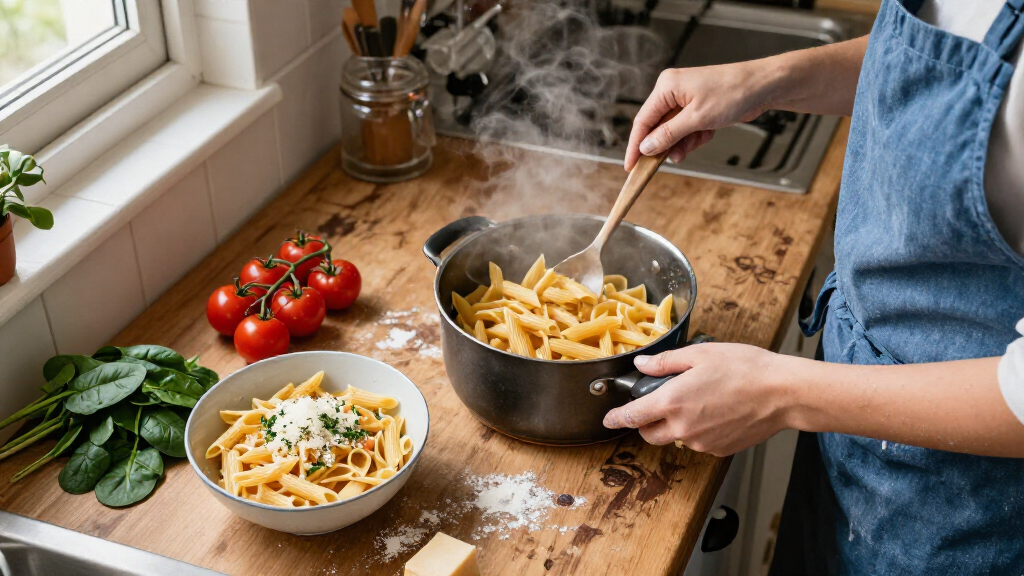

For most shoppers, I’d start with Barilla Protein+ Rotini: its familiar shape and versatile use make it an approachable everyday pick. Carbe Diem! Penne stands out for shoppers seeking a lower-carb alternative, while Garofalo High Protein Penne Rigate offers a durum-wheat option in a convenient multipack. The main tradeoffs are protein source, texture, cooking behavior, and whether you want familiar wheat pasta or a more specialized formula. Shape matters, too: thin strands cook quickly, while sturdy tubes and spirals pair well with thicker sauces. Read on for the full comparison and help choosing the right high-protein pasta for your meals.

Get health and wellness essentials delivered free with Prime
- Fast, free delivery on millions of items
- Prime Video, Amazon Music and more included
- Member-only deals all year
Key Takeaways
- Barilla Protein+ Rotini is the most versatile starting point: its familiar spiral shape suits many sauces and recipes without requiring a change in cooking habits.
- The lineup splits between familiar wheat-based pasta and more specialized alternatives: Carbe Diem!, Kaizen, Pete’s Pasta, and Brami give shoppers options beyond standard semolina blends, but ingredient differences can affect texture and meal fit.
- Shape changes more than appearance: angel hair and thin spaghetti suit quick-cooking meals, while penne, rigatoni, and fusilli are better matches for hearty sauces.
- Multipacks reward repeat buyers, not everyone: Garofalo, Al Dente, and Brami come in multi-unit formats, while single boxes make more sense for trying a new formula or shape.
- Barilla’s range is useful for familiar formats: its Protein+ line covers spaghetti, thin spaghetti, angel hair, penne, rotini, rigatoni, elbows, and stars, so shoppers can keep a similar pasta style across different meals.
| Barilla Protein+ Spaghetti Pasta, 14.5 oz |  | Best Overall | Net weight: 14.5 oz | Pasta shape: Spaghetti | Protein: 17 g per 3.5 oz serving in one listed detail; another states 18 g | VIEW LATEST PRICE | See Our Full Breakdown |
| Barilla Protein+ Rotini Pasta, 14.5 oz |  | Best for Pasta Salads and Bakes | Brand: Barilla | Pasta shape: Rotini | Package size: 14.5 oz | VIEW LATEST PRICE | See Our Full Breakdown |
| Carbe Diem! Penne Pasta, 12 oz |  | Best for Traditional Pasta Texture | Product type: Penne pasta | Net weight: 12 oz | Ingredients: Durum wheat, modified wheat starch, vital wheat gluten | VIEW LATEST PRICE | See Our Full Breakdown |
| Barilla Protein+ Rigatoni Pasta, 14.5 oz |  | Best for Hearty Sauces | Brand: Barilla | Pasta shape: Rigatoni | Net weight: 14.5 oz | VIEW LATEST PRICE | See Our Full Breakdown |
| Pete’s Pasta Low-Carb Protein Pasta Variety Pack: Penne, Rotini, and Elbow |  | Best Variety Pack | Varieties: Penne, rotini, and elbow | Pack size: 3-pack | Main ingredient: Organic durum wheat semolina | VIEW LATEST PRICE | See Our Full Breakdown |
| Barilla Protein+ Thin Spaghetti Pasta, 14.5 oz |  | Best Quick-Cooking Pick | Net weight: 14.5 oz | Pasta shape: Thin spaghetti | Protein: 17 g per 3.5 oz serving | VIEW LATEST PRICE | See Our Full Breakdown |
| Kaizen Low Carb Fusilli Pasta, 8 oz (3-Pack) |  | Best for Low-Carb, Grain-Free Eating | Pasta shape: Fusilli | Main ingredient: Lupin bean | Dietary attributes: Plant-based, gluten-free, low-carb | VIEW LATEST PRICE | See Our Full Breakdown |
| Barilla Protein+ Penne Pasta, 14.5 oz |  | Best for Bakes and Sauce-Holding Shapes | Brand: Barilla | Product type: Dry penne pasta | Net weight: 14.5 oz | VIEW LATEST PRICE | See Our Full Breakdown |
| Garofalo High Protein Penne Rigate Pasta, 16 oz, 2-Pack |  | Best Traditional-Wheat Protein Penne | Pasta shape: Penne rigate | Ingredients: Wheat | Protein: 19 g per serving | VIEW LATEST PRICE | See Our Full Breakdown |
| Garofalo High-Protein Spaghetti, Durum Wheat Semolina, 16 oz, 2-Pack |  | Best Premium-Style High-Protein Spaghetti | Brand: Garofalo | Product: High-protein spaghetti | Ingredients: Wheat | VIEW LATEST PRICE | See Our Full Breakdown |
| Barilla Protein+ Elbows Pasta, 14.5 oz |  | Best for Mac and Cheese | Net weight: 14.5 oz | Shape: Elbows | Protein: 17 g per 3.5 oz serving | VIEW LATEST PRICE | See Our Full Breakdown |
| Barilla Protein+ Angel Hair Pasta, 14.5 oz |  | Best for Fast-Cooking Meals | Net weight: 14.5 oz | Shape: Angel hair | Servings per box: 7 | VIEW LATEST PRICE | See Our Full Breakdown |
| Barilla Protein+ Stars Pasta, 14.5 oz |  | Best for Soups and Kids’ Meals | Net weight: 14.5 oz | Shape: Stars; product description also references penne | Protein: 17 g per 3.5 oz serving | VIEW LATEST PRICE | See Our Full Breakdown |
| Al Dente High-Protein Egg Fusilli Pasta, 4-Pack |  | Best for High Protein and Fiber | Shape: Fusilli | Pack size: 4-pack | Protein: 30 g per serving | VIEW LATEST PRICE | See Our Full Breakdown |
| Brami Italian Protein Spaghetti, 14.5 oz (Pack of 12) |  | Best Premium Italian Pick | Shape: Spaghetti | Origin: Molise, Italy | Ingredients: Durum semolina wheat, lupini beans, and mountain spring water | VIEW LATEST PRICE | See Our Full Breakdown |
| high-protein pasta | Protein | Ingredients | Net weight | Cooking time |
|---|---|---|---|---|
| Barilla Protein+ Spaghetti Pas | 17 g per 3.5 oz serving in one listed detail; another states 18 g | Semolina and durum wheat, lentils, peas, and chickpeas | 14.5 oz | 7–9 minutes |
| Barilla Protein+ Rotini Pasta | 17 g per 3.5 oz serving | Semolina and durum wheat, lentils, peas, and chickpeas | — | 7–9 minutes |
| Carbe Diem! Penne Pasta | — | Durum wheat, modified wheat starch, vital wheat gluten | 12 oz | — |
| Barilla Protein+ Rigatoni Past | 17 g per 3.5 oz serving | — | 14.5 oz | — |
| Pete’s Pasta Low-Carb Protein | — | — | — | — |
| Barilla Protein+ Thin Spaghett | 17 g per 3.5 oz serving | Semolina, durum wheat, lentils, peas, and chickpeas | 14.5 oz | — |
| Kaizen Low Carb Fusilli Pasta | 20 g per 2 oz serving | — | — | 4–6 minutes |
| Barilla Protein+ Penne Pasta | 17 g per 3.5 oz serving | Wheat, lentil flour, pea protein, and chickpea flour | 14.5 oz | 8–10 minutes |
| Garofalo High Protein Penne Ri | 19 g per serving | Wheat | — | — |
| Garofalo High-Protein Spaghett | 19 g per serving | Wheat | — | — |
| Barilla Protein+ Elbows Pasta | 17 g per 3.5 oz serving | Wheat, lentils, peas, and chickpeas | 14.5 oz | 5–7 minutes |
| Barilla Protein+ Angel Hair Pa | — | — | 14.5 oz | 4–6 minutes |
| Barilla Protein+ Stars Pasta | 17 g per 3.5 oz serving | — | 14.5 oz | 8–10 minutes |
| Al Dente High-Protein Egg Fusi | 30 g per serving | Cage-free eggs and European durum wheat semolina | — | About 8 minutes |
| Brami Italian Protein Spaghett | About 21 g per 3.5 oz serving | Durum semolina wheat, lupini beans, and mountain spring water | — | — |
More Details on Our Top Picks
Barilla Protein+ Spaghetti Pasta, 14.5 oz
Barilla Protein+ Spaghetti is my most balanced pick for shoppers who want a familiar pasta format with a meaningful protein boost. Its blend of wheat, lentils, peas, and chickpeas supplies plant-based protein and fiber, while the 7–9 minute cook time fits a weeknight routine. Spaghetti is easy to pair with tomato sauce, pesto, or vegetables, giving it broader everyday use than the more specialized Carbe Diem! Penne. The tradeoff is that the package data gives conflicting protein amounts—17 g in one place and 18 g in another per stated serving—so I would check the nutrition label before relying on an exact figure. It also contains wheat, making it unsuitable for people avoiding gluten.
Pros:- Made with lentils, peas, and chickpeas as well as wheat
- Provides plant-based protein and fiber
- Cooks in about 7–9 minutes
- Spaghetti shape works with tomato, vegetable, and pesto sauces
Cons:- Contains wheat and is not suitable for a wheat-free diet
- Product details conflict on whether a serving provides 17 g or 18 g of protein
Best for: Shoppers who want a versatile, familiar spaghetti shape with plant-based protein for everyday meals.
Not ideal for: People who avoid wheat or need a clearly consistent protein figure before choosing a product.
- Net weight:14.5 oz
- Pasta shape:Spaghetti
- Protein:17 g per 3.5 oz serving in one listed detail; another states 18 g
- Servings:About 7 per box
- Ingredients:Semolina and durum wheat, lentils, peas, and chickpeas
- Cooking time:7–9 minutes
- Certifications:Non-GMO Project Verified; kosher certified
- Made in:USA
Our verdict“Choose this for an adaptable, quick-cooking high-protein spaghetti, but verify the protein amount on the box.”
Barilla Protein+ Rotini Pasta, 14.5 oz
When shape matters as much as protein, I’d choose Barilla Protein+ Rotini. It provides 17 g of plant-based protein per 3.5 oz serving from a blend that includes lentils, peas, and chickpeas, and its spirals catch sauce and mix-ins better than the straight strands of Barilla Protein+ Spaghetti. That makes it a practical fit for pasta salads, casseroles, and saucy weeknight dishes. Like the spaghetti, it cooks in about 7–9 minutes and contains wheat, so it is not a gluten-free alternative. Its main distinction is shape rather than a higher protein figure: buyers seeking a different nutritional profile won’t get one here, but cooks who want rotini’s versatility will.
Pros:- Provides 17 g of plant-based protein per 3.5 oz serving
- Includes lentils, peas, and chickpeas in the grain blend
- Rotini shape suits salads, bakes, and sauce-heavy meals
- Cooks in about 7–9 minutes
Cons:- Contains semolina and durum wheat
- Its protein profile is similar to Barilla Protein+ Spaghetti, so the main difference is shape
Best for: Cooks who want high-protein pasta for cold salads, baked dishes, and sauces that cling to twists.
Not ideal for: People avoiding wheat or shoppers who want a protein advantage over other Barilla Protein+ shapes.
- Brand:Barilla
- Pasta shape:Rotini
- Package size:14.5 oz
- Servings per box:About 7 (2 oz each)
- Protein:17 g per 3.5 oz serving
- Ingredients:Semolina and durum wheat, lentils, peas, and chickpeas
- Cooking time:7–9 minutes
- Certifications:Non-GMO Project Verified; kosher certified
- Made in:USA
Our verdict“Pick this rotini when you want a protein-forward pasta that holds its own in salads and casseroles.”
Carbe Diem! Penne Pasta, 12 oz
Carbe Diem! Penne earns a place here for texture-minded shoppers, not for a documented protein figure: the supplied details do not state grams of protein per serving. Made with durum wheat, modified wheat starch, and vital wheat gluten, it is designed to cook with a traditional al dente bite and hold sauce. The stated 55% fewer net carbs and 110 calories per serving may appeal to buyers balancing pasta with lower-carb goals. Compared with Barilla Protein+ Rigatoni, which explicitly lists 17 g of protein per serving, Carbe Diem gives less certainty on the roundup’s central high-protein measure. I’d choose it for familiar penne texture and the stated carb reduction, but not when a verified protein target is the priority.
Pros:- Designed for a familiar al dente pasta texture
- Penne shape is described as holding sauce
- Lists 55% fewer net carbs than traditional pasta
- Provides a stated calorie figure of 110 per serving
Cons:- The supplied product data does not state grams of protein per serving
- Contains durum wheat and vital wheat gluten
- The stated carb comparison does not establish how much protein it provides
Best for: Pasta eaters prioritizing a familiar al dente penne and the stated reduction in net carbs.
Not ideal for: Buyers who need a specified protein amount per serving or people avoiding wheat and gluten.
- Product type:Penne pasta
- Net weight:12 oz
- Ingredients:Durum wheat, modified wheat starch, vital wheat gluten
- Net carbs:55% fewer than traditional pasta
- Calories:110 per serving
- Texture:Al dente
Our verdict“Choose Carbe Diem for traditional-feeling, lower-net-carb penne, not for a clearly quantified protein boost.”
Barilla Protein+ Rigatoni Pasta, 14.5 oz
Barilla Protein+ Rigatoni combines a stated 17 g of protein per 3.5 oz serving with a sturdy shape suited to substantial sauces. Its lentil flour, pea protein, and chickpea flour provide the plant-based protein sources, while the pasta is also described as a good source of fiber. Compared with Barilla Protein+ Spaghetti, rigatoni is the better fit for chunky sauces and baked dishes; the spaghetti is more adaptable when long strands are the goal. The tradeoff is that this shape won’t suit every pasta recipe, and the product still contains wheat. I’d pick it when the meal calls for a substantial tube shape, rather than expecting a different protein advantage over other Protein+ varieties.
Pros:- Provides 17 g of plant-based protein per 3.5 oz serving
- Uses lentil flour, pea protein, and chickpea flour as protein sources
- Described as a good source of fiber
- Rigatoni suits hearty sauces and baked pasta dishes
Cons:- Contains wheat
- The shape is less suitable than spaghetti for recipes built around long strands
Best for: Home cooks who want a high-protein pasta shape for chunky sauces, baked dishes, and filling meals.
Not ideal for: People avoiding wheat or shoppers who mainly make recipes designed for long, thin pasta.
- Brand:Barilla
- Pasta shape:Rigatoni
- Net weight:14.5 oz
- Protein:17 g per 3.5 oz serving
- Protein sources:Lentil flour, pea protein, chickpea flour
- Fiber:Described as a good source
- Certifications:Non-GMO Project Verified; kosher certified
- Made in:USA
Our verdict“Choose this when you want Barilla Protein+ nutrition in a rigatoni shape that suits hearty sauces.”
Pete’s Pasta Low-Carb Protein Pasta Variety Pack: Penne, Rotini, and Elbow
Pete’s Pasta Variety Pack makes sense for households that want several shapes on hand: the three-pack includes penne, rotini, and elbow, unlike the single-shape Barilla Protein+ Rotini. It is made with organic durum wheat semolina and slow-dried for an al dente texture. The product description also claims 7 g of carbohydrates, 85% fewer carbs, half the calories, three times the protein, and 14 times the fiber compared with traditional pasta. The key drawback is that it does not specify the serving size or clarify whether the 7 g carbohydrate figure is per serving, which makes those claims hard to apply to meal planning. I’d treat the variety and stated texture as clear strengths, but verify the nutrition panel before buying it for a precise protein or carb target.
Pros:- Includes penne, rotini, and elbow shapes
- Made with organic durum wheat semolina
- Slow-dried for an al dente texture
- Description claims more protein and fiber and fewer carbohydrates than traditional pasta
Cons:- The supplied data does not specify grams of protein per serving
- The serving basis for the listed 7 g of carbohydrates is unclear
- Multiple comparative nutrition claims are difficult to assess without serving details
Best for: Households that want penne, rotini, and elbow in one pack and are willing to check the nutrition label for serving details.
Not ideal for: Nutrition-focused shoppers who need a clear protein amount and serving basis before purchasing.
- Varieties:Penne, rotini, and elbow
- Pack size:3-pack
- Main ingredient:Organic durum wheat semolina
- Origin:Majella, Italy
- Texture:Al dente
- Carbohydrates:7 g; serving basis not specified
- Comparison claims:85% fewer carbs, half the calories, 3x more protein, and 14x more fiber than traditional pasta
Our verdict“Choose this pack for shape variety and an al dente style, but confirm its nutrition figures before relying on it as a protein source.”
Barilla Protein+ Thin Spaghetti Pasta, 14.5 oz
Barilla Protein+ Thin Spaghetti is the speed-focused choice here: its 5–7 minute cook time makes it quicker to get on the table than the Barilla Protein+ Penne, which takes about 8–10 minutes. Each 3.5-ounce serving supplies 17 g of plant-based protein from a blend that includes lentils, peas, and chickpeas, while the thin strands suit lighter sauces that coat without weighing them down. It offers a familiar wheat-based pasta format rather than the grain-free profile of Kaizen Low Carb Fusilli, so it fits more conventional meals but does not meet wheat-free needs. The tradeoff is that it still requires boiling and draining, and its protein per serving is lower than Kaizen’s listed 20 g per 2 ounces. I’d pick it for fast weeknight spaghetti, not for the highest protein concentration in this lineup.
Pros:- Provides 17 g of plant-based protein per 3.5-ounce serving
- Cooks in about 5–7 minutes, faster than Barilla Protein+ Penne
- Lentil, pea, and chickpea ingredients add protein to a familiar wheat pasta
- Thin spaghetti pairs with a range of sauces
Cons:- Contains wheat, so it is unsuitable for people avoiding wheat
- Requires boiling and draining rather than a quicker preparation method
- Its listed protein per serving is below Kaizen Low Carb Fusilli’s 20 g per 2-ounce serving
Best for: Shoppers who want a familiar wheat-based spaghetti with added plant protein and a short cooking time for weeknight meals.
Not ideal for: People avoiding wheat or seeking the most protein per serving; it contains wheat and lists less protein per stated serving than Kaizen Low Carb Fusilli.
- Net weight:14.5 oz
- Pasta shape:Thin spaghetti
- Protein:17 g per 3.5 oz serving
- Ingredients:Semolina, durum wheat, lentils, peas, and chickpeas
- Cook time:5–7 minutes
- Certifications:Non-GMO Project Verified; Kosher certified
- Made in:USA
Our verdict“Choose this for quick, familiar spaghetti with added plant protein, but skip it if wheat-free eating or maximum protein density is your priority.”
Kaizen Low Carb Fusilli Pasta, 8 oz (3-Pack)
Kaizen Low Carb Fusilli is the lineup’s clearest fit for shoppers prioritizing both protein and low net carbs: each 2-ounce serving lists 20 g protein and 6 g net carbs, and the pasta is made from lupin beans rather than wheat or starchy flour. That sets it apart from Barilla Protein+ Thin Spaghetti, which uses wheat and delivers 17 g protein per 3.5-ounce serving, though the serving sizes differ and should not be treated as a direct like-for-like comparison. Its 4–6 minute cook time is also brief, and fusilli works in salads and baked dishes as well as sauced pasta meals. The main compromise is ingredient specificity: lupin may not suit every dietary need, and some foaming can occur during cooking. I’d choose it for a grain-free, lower-carb plan, not for someone seeking conventional wheat pasta.
Pros:- Lists 20 g protein and 6 g net carbs per 2-ounce serving
- Made from lupin beans without grains or starchy flours
- Plant-based and gluten-free
- Cooks in 4–6 minutes and suits salads, bakes, and other pasta dishes
Cons:- Lupin beans may not fit every dietary need
- Some foaming may occur while cooking
- Its distinct ingredient base is less suited to shoppers seeking familiar wheat pasta
Best for: People seeking a plant-based, gluten-free pasta with low net carbs and substantial protein for meal prep, pasta salads, or baked dishes.
Not ideal for: Shoppers who prefer wheat-based pasta or need to avoid lupin beans; occasional cooking foam may also be a nuisance.
- Pasta shape:Fusilli
- Main ingredient:Lupin bean
- Dietary attributes:Plant-based, gluten-free, low-carb
- Protein:20 g per 2 oz serving
- Net carbs:6 g per 2 oz serving
- Package size:Three 8 oz cartons
- Cooking time:4–6 minutes
Our verdict“Pick Kaizen for a fast-cooking, low-carb and gluten-free fusilli with high listed protein, provided lupin works for your diet.”
Barilla Protein+ Penne Pasta, 14.5 oz
Barilla Protein+ Penne earns its place through versatility: the tube shape works in baked pasta and holds thicker sauces, while its wheat, lentil, pea, and chickpea blend provides 17 g of plant-based protein per 3.5-ounce serving. Compared with Barilla Protein+ Thin Spaghetti, it takes longer to cook—about 8–10 minutes instead of 5–7—but is better suited to recipes where pasta needs to keep its shape among other ingredients. It offers a familiar wheat-based option, unlike Kaizen Low Carb Fusilli’s grain-free lupin base, but it is not a fit for people avoiding wheat. The listing also identifies it as a source of fiber without giving a fiber amount, so I wouldn’t choose it to target a specific fiber intake. This is a practical pick for protein-conscious cooks who want one shape for both sauced meals and casseroles.
Pros:- Provides 17 g of plant-based protein per 3.5-ounce serving
- Penne shape works in baked dishes and with a variety of sauces
- Uses wheat alongside lentil, pea, and chickpea ingredients
- Non-GMO Project Verified and kosher certified
Cons:- Contains wheat
- The 8–10 minute cook time is longer than Barilla Protein+ Thin Spaghetti’s
- Fiber is listed as a benefit, but no amount is provided in the product data
Best for: Home cooks who want plant-protein pasta for baked dishes, hearty sauces, and routine meals using a familiar penne shape.
Not ideal for: People avoiding wheat or those who want the quickest-cooking option; this penne takes longer than Barilla Protein+ Thin Spaghetti.
- Brand:Barilla
- Product type:Dry penne pasta
- Net weight:14.5 oz
- Protein:17 g per 3.5 oz serving
- Ingredients:Wheat, lentil flour, pea protein, and chickpea flour
- Cooking time:8–10 minutes
- Certifications:Non-GMO Project Verified; Kosher certified
- Origin:Made in the USA
Our verdict“Choose this penne if you want a protein-enriched wheat pasta that can move from a sauce-based dinner to a baked dish.”
Garofalo High Protein Penne Rigate Pasta, 16 oz, 2-Pack
Garofalo High Protein Penne Rigate is the traditional-wheat choice for buyers who want a high-protein pasta without a legume blend: it lists 19 g protein and 12 g fiber per serving and uses wheat as its sole ingredient. Its ridged, coarse surface is designed to catch sauce, while bronze drawing and slow drying support an al dente bite. Compared with Barilla Protein+ Penne, Garofalo offers higher listed protein per serving and a stated fiber amount, but Barilla provides a multigrain ingredient blend and a specified cooking time; no cook time is supplied here. The two-pack is useful for keeping this shape on hand, though the wheat-only formulation rules it out for people avoiding wheat. I’d rank it for shoppers who value a traditional pasta texture and the supplied protein and fiber figures over a grain-free recipe.
Pros:- Lists 19 g protein and 12 g fiber per serving
- Made exclusively from wheat with no additives
- Ridged, bronze-drawn surface is designed to hold sauce
- Slow-dried production is intended to support an al dente bite
Cons:- Wheat-based and unsuitable for people avoiding wheat
- No cooking time is provided in the supplied product data
- Its wheat-only formulation does not suit shoppers seeking grain-free or legume-based pasta
Best for: Wheat-eating pasta fans who want penne rigate with a stated 19 g of protein and 12 g of fiber per serving, plus a sauce-gripping texture.
Not ideal for: People avoiding wheat or shoppers who need a confirmed cooking time before buying; none is provided in the product data.
- Pasta shape:Penne rigate
- Ingredients:Wheat
- Protein:19 g per serving
- Fiber:12 g per serving
- Pack size:Two 16 oz packs
- Origin:Gragnano, Italy
- Production method:Bronze-drawn and slow-dried
- Certification:PGI
Our verdict“Choose Garofalo for traditional wheat penne with substantial listed protein and fiber, but not if you need wheat-free pasta or a stated cook time.”
Garofalo High-Protein Spaghetti, Durum Wheat Semolina, 16 oz, 2-Pack
Garofalo High-Protein Spaghetti pairs a classic long-pasta format with a higher listed protein and fiber amount: each serving provides 19 g protein and 12 g fiber, and the pasta is made exclusively from wheat. Bronze drawing and slow drying give it a coarse surface intended to help sauce cling and preserve an al dente texture. Compared with Barilla Protein+ Thin Spaghetti, Garofalo lists more protein and fiber per serving, while Barilla supplies a defined 5–7 minute cook time and combines wheat with lentils, peas, and chickpeas. Serving sizes are not specified for Garofalo, so the figures are not directly comparable. This two-pack is best for buyers drawn to traditional wheat spaghetti and its production details; it is a poor match for anyone avoiding wheat, and no cook time is supplied.
Pros:- Lists 19 g protein and 12 g fiber per serving
- Made exclusively from wheat with no additives
- Bronze-drawn, coarse texture is intended to help sauce cling
- Slow-dried production is intended to support an al dente bite
Cons:- Wheat-based, so it is unsuitable for people avoiding wheat
- The product data does not specify a cooking time
- The serving size behind its protein and fiber figures is not stated
Best for: Spaghetti lovers who eat wheat and want a traditional, slow-dried pasta with stated protein and fiber amounts and a sauce-gripping surface.
Not ideal for: People avoiding wheat, or cooks who need a specified cooking time and serving-size basis to compare nutrition figures.
- Brand:Garofalo
- Product:High-protein spaghetti
- Ingredients:Wheat
- Protein:19 g per serving
- Fiber:12 g per serving
- Origin:Gragnano, Italy
- Certification:PGI
- Processing:Slow-dried and bronze-drawn
- Package size:Two 16 oz packs
Our verdict“Pick this for traditional wheat spaghetti with substantial listed protein and fiber, as long as the missing cook-time and serving-size details are acceptable.”
Barilla Protein+ Elbows Pasta, 14.5 oz
Barilla Protein+ Elbows brings 17 g of plant-based protein per 3.5 oz serving to familiar elbow-shaped pasta, making it an easy fit for macaroni and cheese, pasta salads, and baked dishes. Its blend of wheat, lentils, peas, and chickpeas adds protein without requiring a different pasta shape or a specialty sauce. Compared with the thinner Barilla Protein+ Angel Hair, these elbows hold their form better in thick cheese sauces and casseroles, though they take a little longer to cook. The 5–7-minute cook time is still quick, and the roughly seven servings per box suit smaller households or a couple of meals. The tradeoff is that it contains wheat and needs to be boiled before serving; buyers seeking an egg-based or wheat-free option should look elsewhere.
Pros:- Provides 17 g of plant-based protein per 3.5 oz serving.
- Elbow shape suits cheese sauces, baked dishes, and pasta salads.
- Cooks in about 5–7 minutes.
- Non-GMO Project Verified and kosher certified.
Cons:- Contains wheat, so it is not suitable for people avoiding gluten.
- Requires boiling before serving.
- A familiar shape may be less useful for buyers seeking long pasta or a more distinctive texture.
Best for: Households who want higher-protein pasta in familiar elbows for macaroni and cheese, casseroles, or cold pasta salads.
Not ideal for: People avoiding wheat or anyone seeking a ready-to-eat pasta that does not need boiling.
- Net weight:14.5 oz
- Shape:Elbows
- Protein:17 g per 3.5 oz serving
- Ingredients:Wheat, lentils, peas, and chickpeas
- Servings per box:About 7
- Cooking time:5–7 minutes
- Certifications:Non-GMO Project Verified; kosher certified
- Made in:USA
Our verdict“Choose these elbows if you want a quick-cooking, higher-protein base for macaroni and cheese and other classic elbow-pasta dishes.”
Barilla Protein+ Angel Hair Pasta, 14.5 oz
Barilla Protein+ Angel Hair is the quick-cooking pick in this group: its thin strands are ready in 4–6 minutes, making it a practical match for weeknight meals with tomato sauce, vegetables, or olive oil. Lentils, peas, and chickpeas supply plant-based protein while the pasta aims for a classic wheat-pasta taste and texture. Compared with Barilla Protein+ Elbows, it cooks faster and works better with light coatings than thick cheese sauces or baked casseroles. That shape distinction matters: angel hair can clump or feel delicate in dishes that need a sturdy pasta, so it is not the most versatile option in the lineup. It contains wheat and barley, which limits it for some dietary needs, and the supplied details do not state a protein amount, so buyers comparing specific protein counts may prefer a product with a listed figure.
Pros:- Cooks in about 4–6 minutes.
- Uses lentils, peas, and chickpeas as plant-protein sources.
- Designed to offer a classic pasta taste and texture.
- Good source of fiber according to the product description.
Cons:- Contains wheat and barley.
- Thin strands are less suited to baked dishes and heavy sauces than elbows or fusilli.
- The supplied product details do not specify grams of protein per serving.
Best for: Busy cooks who want a plant-protein pasta for quick meals with light tomato, oil-based, or vegetable sauces.
Not ideal for: People avoiding wheat or barley, or cooks who need sturdy pasta for casseroles and thick sauces.
- Net weight:14.5 oz
- Shape:Angel hair
- Servings per box:7
- Protein sources:Lentils, peas, and chickpeas
- Fiber:Good source
- Cooking time:4–6 minutes
- Certifications:Non-GMO Project Verified; kosher
- Made in:USA
Our verdict“Pick this angel hair for fast, light-sauce meals, but choose Barilla Protein+ Elbows for sturdier dishes or a product with a stated protein figure.”
Barilla Protein+ Stars Pasta, 14.5 oz
Barilla Protein+ Stars gives soup bowls and small pasta dishes a playful shape while providing 17 g of plant-based protein per 3.5 oz serving and a good source of fiber. Its lentil flour, pea protein, and chickpea flour set it apart from the broader ingredient blend in Barilla Protein+ Elbows, although both offer a familiar wheat-based route to more protein. Stars make the most sense in soups or small portions; they are less flexible than elbows for macaroni and cheese or salads. The listed cook time is 8–10 minutes, slower than the elbows and angel hair in this batch. There is also a product-detail inconsistency: the description calls it stars but refers to penne in one place. I would verify the package shape before buying if the small format is the reason for choosing it.
Pros:- Provides 17 g of plant-based protein per 3.5 oz serving.
- Good source of fiber.
- Small shape suits soups and child-sized portions.
- Non-GMO Project Verified and kosher certified.
Cons:- Contains wheat.
- The 8–10-minute cook time is longer than Barilla Protein+ Angel Hair and Elbows.
- Product details conflict between stars and penne, so the delivered shape may need confirmation.
Best for: Families and soup cooks who want a small pasta shape with a stated plant-protein amount and fiber.
Not ideal for: People avoiding wheat, shoppers who need a faster-cooking option, or anyone who requires certainty about the pasta shape before ordering.
- Net weight:14.5 oz
- Shape:Stars; product description also references penne
- Protein:17 g per 3.5 oz serving
- Protein sources:Lentil flour, pea protein, and chickpea flour
- Fiber:Good source
- Cooking time:8–10 minutes
- Certifications:Non-GMO Project Verified; kosher certified
- Country of origin:USA
Our verdict“Choose this if small pasta is your priority for soups, but confirm the shape and allow more cooking time than with Barilla’s angel hair or elbows.”
Al Dente High-Protein Egg Fusilli Pasta, 4-Pack
Al Dente High-Protein Egg Fusilli stands apart from the Barilla Protein+ options with a stated 30 g of protein and 14 g of fiber per serving, plus 40% fewer net carbs than standard pasta according to the product description. Its cage-free eggs and European durum wheat semolina make this a different proposition from the lentil-, pea-, and chickpea-based Barilla blends: it suits buyers who want egg-based pasta and a firm fusilli shape for soups or stews. The spiral form also gives sauces more places to cling than the delicate strands of Barilla Protein+ Angel Hair. The tradeoffs are meaningful: it contains both wheat and eggs, is not gluten-free, and the supplied details do not state the serving weight used for the nutrition figures. The four-pack is also less suited to buyers who want to sample a single box.
Pros:- Lists 30 g of protein and 14 g of fiber per serving.
- Fusilli shape and firm texture suit soups, stews, and substantial sauces.
- Made with cage-free eggs and European durum wheat semolina.
- Cooks in about 8 minutes.
Cons:- Contains both wheat and eggs and is not suitable for gluten avoidance.
- The serving size for the stated protein and fiber figures is not provided in the supplied details.
- Sold as a four-pack, which may not suit buyers wanting to try one package.
Best for: Protein-focused shoppers who eat eggs and wheat and want a firm spiral pasta for soups, stews, or hearty sauces.
Not ideal for: People avoiding eggs, wheat, or gluten, and shoppers who want a single package or clearly stated serving weight for nutrition comparisons.
- Shape:Fusilli
- Pack size:4-pack
- Protein:30 g per serving
- Fiber:14 g per serving
- Net carbs:40% fewer than standard pasta
- Ingredients:Cage-free eggs and European durum wheat semolina
- Wheat:Non-GMO imported wheat
- Cooking time:About 8 minutes
Our verdict“Choose this four-pack if you eat eggs and wheat and prioritize the stated protein and fiber figures over a plant-based ingredient profile.”
Brami Italian Protein Spaghetti, 14.5 oz (Pack of 12)
Brami Italian Protein Spaghetti pairs durum semolina wheat with lupini beans, delivering about 21 g of protein and 9 g of fiber per 3.5 oz serving. Its bronze-cut surface is designed to grip sauce, giving it a more textured finish than the smoother everyday style of Barilla Protein+ Angel Hair. Made in Molise, Italy, with mountain spring water, this is the choice for buyers drawn to a short ingredient list and a traditional spaghetti format rather than the varied shapes of the Barilla range. A 12-pack suits households that already know they want this style, but it is a substantial commitment compared with a single 14.5 oz Barilla box. It contains wheat, needs cooking, and the supplied details give net carbs as 25% fewer than regular pasta without specifying a gram amount.
Pros:- Provides about 21 g of protein and 9 g of fiber per 3.5 oz serving.
- Lupini beans and durum semolina are the two listed main ingredients.
- Bronze-cut surface is designed to hold sauce.
- Made in Molise, Italy, with mountain spring water.
Cons:- Contains wheat.
- The 12-pack is a large commitment compared with single-box options such as Barilla Protein+ Elbows.
- Net carbs are given as a percentage reduction, not a gram amount.
- Requires cooking before serving.
Best for: Spaghetti fans who want a plant-based protein boost from lupini beans, sauce-gripping bronze-cut texture, and a multi-box supply.
Not ideal for: People avoiding wheat, buyers who want to try one package first, or shoppers who need a specific net-carb gram count.
- Shape:Spaghetti
- Origin:Molise, Italy
- Ingredients:Durum semolina wheat, lupini beans, and mountain spring water
- Protein:About 21 g per 3.5 oz serving
- Fiber:9 g per 3.5 oz serving
- Net carbs:25% fewer than regular pasta
- Cut:Bronze-cut
- Package size:14.5 oz
- Pack quantity:12
Our verdict“Choose Brami if you want textured, Italian-made spaghetti with lupini-derived protein and are comfortable buying a 12-pack.”
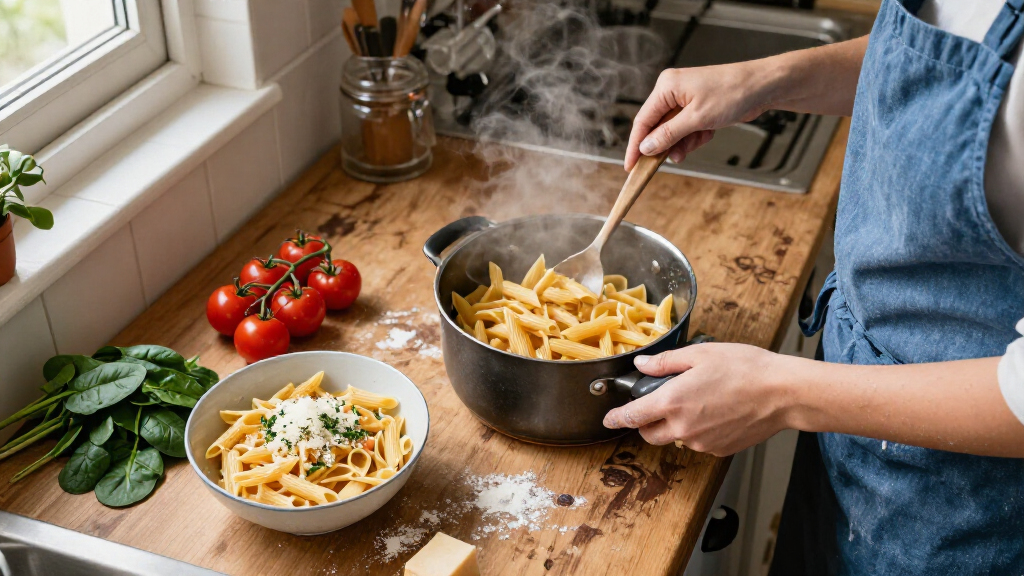
How We Picked
I compared these 15 options through the priorities that shape a useful high-protein pasta purchase: protein-focused positioning, ingredient type, familiar cooking formats, shape versatility, and package size. I also considered how easily each product could fit into meals people already make, whether it offered a distinct alternative to standard wheat pasta, and whether a multipack made sense for repeat use. Since exact nutrition and cooking directions can differ by product and package, I recommend checking the current label and following its instructions rather than assuming every high-protein pasta behaves alike.
The ranking favors products with a clear role and broad usefulness, not a claim that one formula suits every diet or recipe. Barilla Protein+ Rotini leads as the most accessible all-purpose choice; alternatives rank higher for shoppers with a more specific priority, such as lower-carbohydrate positioning, a particular pasta shape, or a multipack. Products with a narrower use or more specialized ingredient profile sit lower because they ask buyers to make a more targeted choice. This is a lineup comparison based on product information, not a claim of personal testing.
| high-protein pasta | Certifications |
|---|---|
| Barilla Protein+ Spaghetti Pas | Non-GMO Project Verified; kosher certified |
| Barilla Protein+ Rotini Pasta | Non-GMO Project Verified; kosher certified |
| Carbe Diem! Penne Pasta | — |
| Barilla Protein+ Rigatoni Past | Non-GMO Project Verified; kosher certified |
| Pete’s Pasta Low-Carb Protein | — |
| Barilla Protein+ Thin Spaghett | Non-GMO Project Verified; Kosher certified |
| Kaizen Low Carb Fusilli Pasta | — |
| Barilla Protein+ Penne Pasta | Non-GMO Project Verified; Kosher certified |
| Garofalo High Protein Penne Ri | — |
| Garofalo High-Protein Spaghett | — |
| Barilla Protein+ Elbows Pasta | Non-GMO Project Verified; kosher certified |
| Barilla Protein+ Angel Hair Pa | Non-GMO Project Verified; kosher |
| Barilla Protein+ Stars Pasta | Non-GMO Project Verified; kosher certified |
| Al Dente High-Protein Egg Fusi | — |
| Brami Italian Protein Spaghett | — |
Factors to Consider When Choosing Best High-protein Pasta
High-protein pasta is not one uniform category: the protein source, shape, and intended meal can change what you get from a box. I’d choose by matching the product to your usual dishes and checking the label against your dietary needs, rather than relying on the front-of-pack claim alone.
Match the protein source to your preferences
Start with the ingredient list, especially if you avoid particular grains, legumes, eggs, or other ingredients. A pasta marketed for protein may use a wheat blend or a different base, and those choices can change flavor, bite, and how it fits your meals. Do not assume “high-protein” means low-carbohydrate, gluten-free, or suitable for every dietary pattern. Compare serving sizes as well as the protein figure, since labels are only useful side by side when the portions match. If you have an allergy or follow a strict diet, check the package for ingredient and cross-contact information. A familiar wheat-based option may be the easiest first step, while a specialty formula makes more sense when its specific nutrition or ingredient profile is your priority.
Choose a shape for the sauce and recipe
Shape affects how pasta works with the rest of dinner, not just how it looks on the plate. Spirals and ridged tubes give thicker sauces more places to cling, while long strands pair naturally with oil-based or smooth sauces. Small shapes such as elbows and stars are suited to soups, casseroles, or family-style dishes where long pasta would be awkward. A common mistake is choosing a shape only for its protein claim and then finding it does not suit the recipe you make most often. If you want one box for varied meals, a versatile shape such as rotini or penne is a safer starting point than a more specialized format. For a household with varied preferences, keeping two shapes can be more practical than trying to make one pasta do every job.
Plan for cooking behavior, not just cook time
Alternative formulations may differ from conventional pasta in firmness, surface texture, and how forgiving they are if left in the pot. Follow the package directions and begin checking for doneness at the early end of the stated range, particularly when trying a new brand. Rinsing, overcooking, or leaving pasta in hot sauce for too long can change the final texture, so account for carryover cooking when combining it with a sauce. If you are cooking for a crowd, test an unfamiliar pasta in a small batch before making it the centerpiece of a meal. Keep the first serving simple enough to notice the pasta’s texture, then adjust sauce and cooking method on later tries. This small trial can prevent a full meal from being built around a texture you do not enjoy.
Compare nutrition labels on the same basis
Front-of-package language is a starting point, not a full nutrition comparison. Check protein per stated serving alongside serving weight, calories, carbohydrates, fiber, and sodium, since the balance may matter as much as the protein figure. If you are tracking a specific nutrient, compare products using the same dry or prepared serving basis and confirm the label’s serving size. A product that fits one nutrition goal may be less suitable for another, so avoid treating protein content as a stand-in for overall dietary fit. Also check whether the nutrition information describes the pasta alone or includes any suggested preparation. The best choice is the one whose complete label aligns with your needs and the way you actually portion meals.
Decide whether a multipack suits your household
Multipacks can make sense when a product is already a dependable pantry staple, but they are a poor way to test a formula you have never cooked. A large quantity of one shape can also limit variety if your recipes change from week to week. Before choosing a pack, check how many units it contains, the size of each package, and whether you can store it comfortably. A variety pack can help you compare shapes, while a single box gives you more flexibility if you are still deciding. Repeatedly cooking the same pasta makes a multipack easier to use; occasional pasta nights favor smaller commitments. Treat pack size as a question of routine and storage, not as evidence that the pasta itself is a better fit.
Pay more only for a feature you will use
A specialty ingredient profile, a particular shape, or a format that suits a dietary goal can justify choosing a more targeted product. But if you mainly want a familiar pasta for ordinary weeknight meals, a broadly available wheat-based option may meet that need without adding complexity. Think about what would change your meals: a shape that holds sauce, a specific ingredient base, or the convenience of buying several packages at once. Do not select a product solely because its description sounds more specialized; confirm that the attribute matters to your cooking or nutrition priorities. Beginners often benefit from starting with one familiar shape before moving to a less conventional formula. Once you know what you like, a specialty pick becomes a more informed choice rather than a pantry experiment.
Frequently Asked Questions
Which pasta in this roundup is the best place to start if I have never bought high-protein pasta?
I’d begin with Barilla Protein+ Rotini if you want a familiar shape that can work with many everyday sauces. Rotini is easy to use in pasta salads, baked dishes, and sauced meals, so you can judge the formula without changing your usual recipes much. Cook it according to the package and check for doneness early the first time. If you prefer a long pasta meal, Barilla Protein+ Spaghetti is a more familiar strand-shaped alternative. Choose a single package before committing to a multipack of an unfamiliar formula.
Is a lower-carb pasta automatically the best high-protein choice?
No. Lower-carbohydrate positioning and high-protein content are separate factors, and neither tells you whether a pasta suits your taste, dietary needs, or recipe. Compare the full nutrition label and serving size, then check the ingredients for anything you avoid. Products such as Carbe Diem! and Kaizen may appeal to shoppers focused on carbohydrate intake, while a wheat-based option may better match someone seeking a familiar pasta experience. The right choice depends on which nutrition targets matter to you, not on one front-label claim.
Should I buy a multipack before I know which high-protein pasta I like?
I’d usually try a single package first, particularly for a specialty formula or an unfamiliar ingredient base. Texture and cooking behavior can vary, and a product that looks suitable on the label may not be your preferred match for a favorite sauce. Multipacks such as the Garofalo, Al Dente, and Brami formats make more sense when you already know you will use that product or shape regularly. If you are exploring, compare one or two shapes in small quantities before stocking up. That approach also helps you learn whether you prefer strands, tubes, or spirals.
Can I use high-protein pasta in the same recipes as regular pasta?
Often, yes, particularly with familiar shapes such as penne, rotini, and spaghetti, but the result can vary by formula. Use the package’s cooking directions rather than carrying over the timing from your usual pasta. For a first try, pair the pasta with a sauce you already like and avoid overcooking it while the sauce finishes. If the pasta will sit in a casserole or soup, account for additional cooking after draining. A small test batch is useful when the dish depends on a specific texture.
How should I choose between spaghetti, angel hair, penne, and rotini?
Start with the meals you make most often. Spaghetti and angel hair suit strand-based dishes, with thin varieties making sense when you want a more delicate format; penne and rotini are easier to pair with chunky sauces, casseroles, and pasta salads. Consider serving needs as well: small shapes can be easier to portion for soups or family meals, while long pasta calls for a different serving style. The lineup includes several Barilla Protein+ shapes, so you can keep a familiar product line while choosing a format for each recipe. If you want one versatile option, rotini is a practical first choice.
Conclusion
For the best overall balance of familiarity and meal flexibility, I’d choose Barilla Protein+ Rotini. Shoppers seeking a lower-carb-focused alternative should compare Carbe Diem! Penne and Kaizen Low Carb Fusilli against their nutrition and ingredient preferences; Garofalo High Protein Penne Rigate is a strong fit for buyers who want a durum-wheat penne in a multipack. For best value in everyday versatility, Barilla Protein+ is the sensible place to compare shapes, while Brami Italian Protein Spaghetti makes more sense for repeat buyers who specifically want that product in a larger pack. Beginners should start with a familiar shape in a single package, and shoppers with specific recipe needs can choose thin spaghetti, angel hair, elbows, or stars accordingly. Match the ingredient list and nutrition label to your own priorities, then let shape and cooking routine make the final call.
Black Friday Picks

Weber Original Kettle Charcoal Grill, 22-Inch, Black
As an affiliate, we earn on qualifying purchases.