

Family meal planning can transform busy lives by promoting healthier habits and strengthening bonds, yet it often gets overlooked amid chaos. By setting simple routines, involving your family, and using helpful tools, you can create quick, enjoyable meals that save time and money. Overcoming barriers like lack of motivation or time becomes easier with practical strategies. Keep exploring how these approaches can make family meals more meaningful and stress-free—you’ll discover even more ways to succeed.
Key Takeaways
- The core benefit of family meal planning is fostering connection, tradition, and healthier eating habits amid busy lifestyles.
- Consistent planning requires overcoming time constraints, motivation issues, and disorganization through simple strategies.
- Effective meal plans involve family participation, flexibility, and focus on balanced, enjoyable recipes.
- Involving children in meal prep builds confidence, life skills, and strengthens family bonds.
- Utilizing tools like apps, batch cooking, and prepped ingredients makes meal planning efficient and stress-free.
As an affiliate, we earn on qualifying purchases.
Why Family Meal Planning Is More Important Than Ever

In today’s busy world, family meal planning has become more essential than ever. It helps you honor cultural traditions, ensuring family recipes and customs are preserved. By planning ahead, you can accommodate dietary restrictions, making sure everyone’s needs are met without last-minute stress. Meal planning also encourages healthier eating habits, reducing reliance on takeout or processed foods. It fosters quality time together, strengthening family bonds amid hectic schedules. When you organize meals in advance, you gain control over ingredients and portion sizes, promoting better nutrition. Plus, planning allows you to introduce diverse cuisines and traditional dishes, enriching your family’s cultural identity. In a fast-paced life, thoughtful meal planning keeps your family connected, healthy, and respectful of their unique dietary and cultural needs. Effective meal planning can also help you stay organized and reduce food waste, making your household more sustainable. Incorporating cultural food traditions into your planning process helps preserve your family’s heritage and culinary identity. Remember, meal planning can also serve as a way to teach children about nutrition and cultural appreciation from a young age. Additionally, understanding food waste reduction strategies can make your meal planning even more environmentally friendly. Being mindful of biodiversity in your ingredient choices can further support sustainable practices and protect ecosystems.

Bentgo Prep Meal Prep Kit, 1, 2 & 3-Compartment Containers, 60 Piece Set
- Brand Recognition: Top pick for meal prep containers
- Complete Set: 60-piece set with various compartment trays
- Portion Control: Embossed volume markings on trays
As an affiliate, we earn on qualifying purchases.
As an affiliate, we earn on qualifying purchases.
Common Barriers to Consistent Meal Planning: and How to Overcome Them

Despite the many benefits of family meal planning, several common obstacles can make it difficult to stick with a consistent routine. Time management is often the biggest challenge, leaving little room for meal prep during busy weeks. You might struggle with finding the time to plan, shop, and prepare nutritious meals consistently. Additionally, lack of motivation or feeling overwhelmed can derail your efforts. Here are some ways to overcome these barriers:
Overcoming time and motivation barriers makes family meal planning more manageable and sustainable.
- Prioritize meal prep by setting aside specific times
- Keep a simple, flexible meal plan
- Use quick and healthy recipes
- Involve the family to share responsibilities
- Limit last-minute decisions by shopping with a list
- Incorporate kitchen organization strategies to streamline your cooking process and save time. Understanding cultural influences on meal habits can also help tailor a plan that respects family traditions while staying efficient. Implementing effective time management techniques can further enhance your ability to maintain a consistent routine amidst busy schedules. Recognizing the role of meal prep in reducing daily stress can motivate families to stay committed to their planning efforts.
Addressing these obstacles helps make meal planning more manageable and sustainable.
As an affiliate, we earn on qualifying purchases.
Simple Steps to Create a Weekly Family Meal Plan

To create an effective weekly family meal plan, start by setting realistic goals that fit your schedule and preferences. Next, build a flexible framework that allows for adjustments when unexpected events arise. This approach keeps meal planning manageable and stress-free for your family.
Set Realistic Goals
Setting realistic goals is the foundation of a successful weekly family meal plan. When you establish clear, achievable meal goals, you set yourself up for success and reduce frustration. Be honest about your time, skills, and resources to set realistic expectations. Consider your family’s preferences and busy schedule when planning.
To help, keep these in mind:
- Focus on balance, not perfection
- Choose simple, quick recipes when time is limited
- Prioritize meals that everyone enjoys
- Set achievable prep and cooking times
- Adjust goals weekly based on what works
Build a Flexible Framework
Creating a flexible framework for your weekly family meal plan helps you stay organized without feeling overwhelmed. By establishing adaptable routines, you can handle unexpected changes while maintaining meal variety and balance. A flexible plan allows you to swap days, incorporate leftovers, or try new recipes without stress. Use this simple grid to guide your planning:
| Day | Meal Ideas |
|---|---|
| Monday | Pasta with veggies |
| Tuesday | Taco night |
| Wednesday | Stir-fry with rice |
| Thursday | Homemade pizza |
| Friday | Breakfast for dinner |
This framework encourages meal flexibility, helping your family enjoy variety while staying on track. With adaptable routines, you’re better prepared for life’s surprises and less likely to feel overwhelmed.
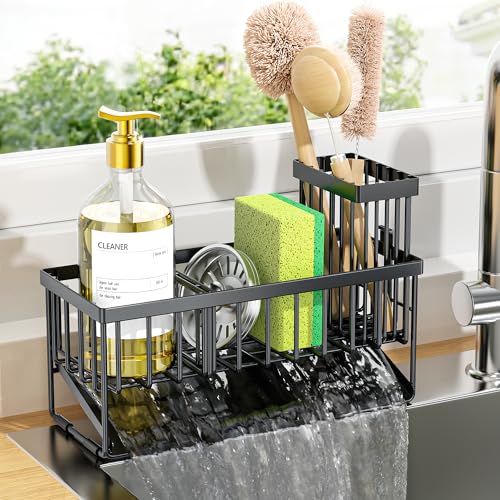
Cisily Sink Caddy Sponge Holder for Kitchen with Brush Holder and Stainless Steel Self Drain Tray, Rustproof Kitchen Sink Organizer for Sponge, Soap Dispenser Storage Accessories
- Material: 304 stainless steel for durability
- Quality Assurance: 100% quality control
- Drainage System: Automatic slope drainage design
As an affiliate, we earn on qualifying purchases.
As an affiliate, we earn on qualifying purchases.
How to Get Your Family Excited About Meal Prep

To get your family excited about meal prep, try making it fun and engaging for everyone. Let each person pick a recipe or help with different tasks in the kitchen. When everyone’s involved, meal prep becomes a shared activity rather than a chore.
Make It Fun
Ever wonder how to turn meal prep from a chore into a fun family activity? Making it enjoyable starts with creating mealtime traditions that everyone looks forward to. Incorporate playful elements like experimenting with flavor combinations or themed nights, which sparks curiosity and excitement. You can also turn prep into a game—like a challenge to find the most creative ingredient or pairing. Let kids choose their favorite toppings or help decide the menu for the week. Play upbeat music or tell stories to keep energy high. These little touches make cooking feel less like work and more like a shared adventure. Remember, the goal is to foster positive associations with mealtime, making family meal prep something everyone genuinely enjoys. Fostering a sense of connection during these moments can deepen family bonds and create lasting memories. Additionally, engaging in muscle recovery techniques after cooking sessions can help everyone relax and feel energized for future meal plans. Incorporating mindful eating practices can also enhance the enjoyment of these shared meals, encouraging everyone to slow down and appreciate the experience.
Involve Everyone
Getting everyone involved in meal prep can turn a routine chore into a team effort that sparks enthusiasm. When you include family members, it helps reinforce mealtime traditions and makes everyone feel valued. Ask each person about their dietary preferences and favorite dishes, then assign simple tasks suited to their abilities. Kids can help wash vegetables or set the table, while teens can assist with more complex prep. By sharing responsibilities, you create a sense of ownership and excitement about mealtime. Plus, involving everyone encourages open conversations about food choices and traditions, fostering a positive attitude toward family meals. When your family feels part of the process, they’re more likely to look forward to mealtime and enjoy the experience together. Creating a collaborative environment also supports positive entertainment content, making the entire experience more enjoyable for everyone. Incorporating family involvement into meal prep can also boost children’s confidence and teach valuable life skills. Additionally, promoting family participation can strengthen your family bonds and create lasting memories around shared meals. Recognizing the importance of family dynamics in meal planning ensures that everyone feels connected and motivated to contribute.
How Meal Planning Boosts Family Health and Saves Money

Meal planning can considerably improve your family’s health and help you save money by ensuring everyone eats nutritious, balanced meals without last-minute decisions or takeout temptations. When you plan ahead, you can incorporate healthy snacks and choose wholesome ingredients, reducing the chances of unhealthy eating. It also streamlines grocery shopping, letting you buy only what’s needed, which cuts costs and minimizes waste. By sticking to a plan, you avoid impulse buys and unhealthy convenience foods. Plus, meal planning encourages variety and balanced nutrition, supporting family health over time. With a clear plan, you’ll spend less time stressing about what to cook and more time enjoying meals together. It’s a simple way to promote well-being and financial savings simultaneously. Implementing smart shopping tips during your meal planning can further enhance your savings and health goals. Additionally, understanding nutritional balance can help you create more effective meal plans that meet your family’s dietary needs. Incorporating meal prep techniques can also make it easier to stick to your plan and ensure consistent healthy eating habits.
Stress-Free Meal Planning Tips for Busy Families

Planning ahead makes busy family life more manageable, especially when everyone’s schedules are packed. To reduce stress, set aside time for meal prep on weekends. Prepare ingredients in advance, so weeknights are smoother. Streamline grocery shopping by making a detailed list based on your meal plan, avoiding last-minute runs. Use this simple chart to stay organized:
| Meal Prep Tasks | Grocery Shopping Tips | Time-Saving Strategies |
|---|---|---|
| Chop vegetables | Stick to a list | Batch cook meals |
| Portion out snacks | Shop once a week | Use frozen ingredients |
| Label prepped items | Avoid impulse buys | Plan quick recipes |
Incorporating meal prep techniques can also help minimize clutter and streamline your kitchen workflow. Understanding the cooking science behind food preparation allows you to optimize meal quality and efficiency, making your meal planning even more effective. Additionally, being aware of how food safety practices impact meal prep can ensure your family stays healthy while enjoying the convenience of organized meals. Knowing how kitchen appliances like air fryers can speed up cooking times further enhances your meal efficiency. Incorporating kitchen organization strategies can make your prep process even smoother and more efficient.
Top Tools and Resources for Easy Family Meal Planning

Utilizing the right tools and resources can make family meal planning much easier and more efficient. The key is having easy access to a reliable grocery list app and a thorough recipe database. These tools help you stay organized and reduce last-minute stress. With a digital grocery list, you can quickly add ingredients and check off items as you shop. A good recipe database provides inspiration and simplifies meal choices, saving you time. Additionally, meal planning apps often include calendar features to coordinate family schedules. Online grocery services can deliver ingredients directly to your door, making shopping even more convenient. By integrating these tools into your routine, you’ll streamline meal prep and reduce chaos during busy weekdays. Incorporating smart home technology can further enhance your meal planning by automating reminders or syncing devices, creating a seamless experience.
Reconnecting and Building Bonds Through Shared Family Meals

Shared family meals offer a valuable opportunity to reconnect and strengthen relationships amid busy schedules. During these moments, you can foster parent-child bonding by engaging in meaningful conversations and actively listening. Mealtime traditions, like sharing favorite dishes or specific rituals, create a sense of stability and belonging. These routines encourage everyone to slow down, focus on each other, and build lasting memories. By making shared meals a priority, you reinforce family values and provide a safe space for open communication. This consistent time together nurtures trust and understanding, helping your family grow closer despite hectic days. Ultimately, these rituals and interactions serve as the foundation for stronger bonds and a more connected family life.
Frequently Asked Questions
How Can I Involve Children in Meal Planning Effectively?
You can involve children in meal planning by encouraging child involvement in choosing meal choices that appeal to their tastes. Let them help pick recipes, create a grocery list, or set the table. Make it fun by offering options and asking for their opinions. This approach boosts their excitement about meals, teaches them about nutrition, and fosters a sense of ownership, making the entire family meal experience more enjoyable and collaborative.
What Are Quick and Healthy Meal Ideas for Busy Weeknights?
Imagine your weeknight dinners as a well-oiled machine, smoothly running with quick snacks and efficient meal prep. You can whip up a veggie stir-fry or a hearty salad in 20 minutes, using pre-chopped ingredients or leftovers. Keep things simple with grilled chicken, roasted veggies, or wraps. These quick, healthy options help you stay on track, even when time’s tight, turning chaos into calm.
How Do I Handle Dietary Restrictions Within the Family?
When managing dietary restrictions, you should prioritize allergy management and accommodate picky eaters by offering versatile meals. Use customizable ingredients, like build-your-own bowls or taco bars, so everyone can choose what suits their needs. Clearly label allergen-containing foods and involve family members in planning meals. This approach guarantees safety, encourages cooperation, and makes mealtime more enjoyable for everyone, despite varying dietary needs.
What Are Cost-Effective Ways to Plan Nutritious Family Meals?
Think of your grocery list as a treasure map, guiding you to budget-friendly shopping. Focus on buying versatile ingredients, like beans and rice, that stretch across multiple meals. Use meal prep strategies to avoid waste and save time, turning simple ingredients into nutritious, family-friendly dishes. By planning ahead and shopping smart, you create nourishing meals without breaking the bank, turning everyday shopping into a rewarding adventure.
How Can I Maintain Motivation for Consistent Meal Planning Long-Term?
You stay motivated for long-term meal planning by setting clear goals and celebrating small wins. Use meal prep strategies like batch cooking and creating themed nights to keep things fresh and manageable. Incorporate motivation techniques such as visualizing your health benefits or involving family members in planning. Consistency becomes easier when you connect meal prep to your broader wellness goals, making each step purposeful and rewarding.
Conclusion
Family meal planning may seem like just another task, but it’s your anchor amidst chaos. Imagine a dinner table where laughter replaces stress, and everyone shares not just food but their day. In the midst of busy schedules and endless distractions, this simple act reconnects you and your loved ones. Just as a well-laid table invites warmth, consistent planning fosters health, savings, and bonds that last—turning everyday meals into treasured family moments.