
TL;DR

Get health and wellness essentials delivered free with Prime
- Fast, free delivery on millions of items
- Prime Video, Amazon Music and more included
- Member-only deals all year
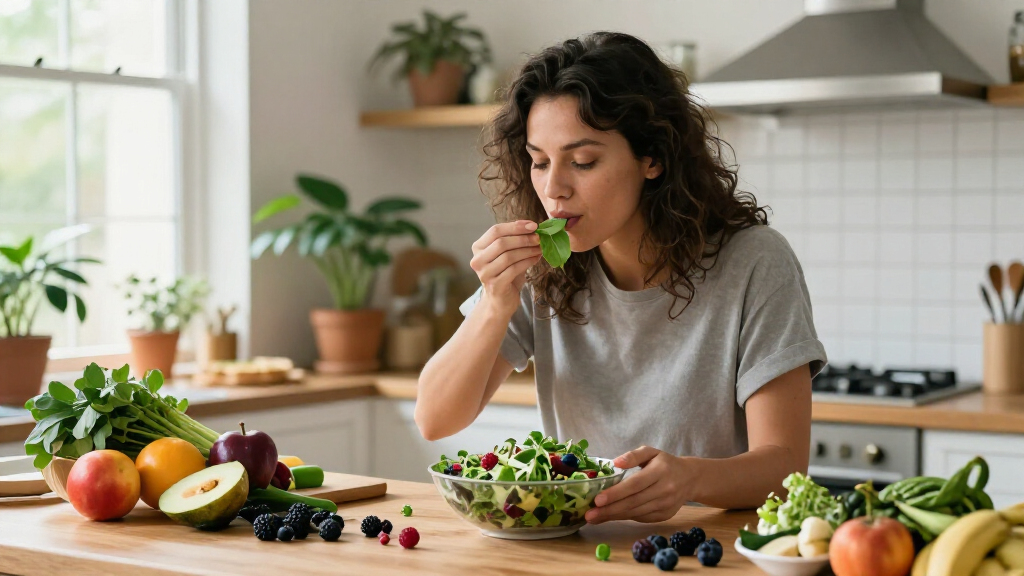
A nutrition report distributed by Tribune Content Agency describes ways to include fruit and microgreens in everyday meals. It says fruit supplies fiber and other nutrients, while some microgreens may have higher levels of certain vitamins than mature plants; the report does not present new research or recommend using microgreens instead of vegetables.
Environmental Nutrition’s report on healthy eating outlines ways to add fruit and microgreens to daily meals, describing fruit as a source of fiber, carbohydrates and plant nutrients and saying some young greens may contain higher levels of selected nutrients than mature plants. The guidance, republished by Seniors Guide and distributed by Tribune Content Agency, presents microgreens as an addition to meals—not a replacement for full vegetable servings.
The report describes fruit as including fresh, frozen, canned, dried and juiced forms. It says fruit provides energy through carbohydrates, along with fiber, vitamins, minerals and phytonutrients—plant substances that the report says may support health. As one example, it points to lycopene in watermelon and says the compound may benefit heart health and has been linked with a reduced risk of certain cancers. Those statements are presented as nutrition context, not as a claim that any one food prevents or treats disease.
For practical use, the report suggests including whole fruit with meals and choosing it over juice most of the time, because juice does not provide the same fiber benefits. If drinking juice, it recommends 100% fruit juice and no more than eight ounces a day. It also says frozen and canned fruit can be nutritious choices when selected without added sugars, sauces or syrups.
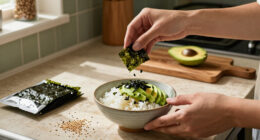
Microgreens are described as young vegetables and herbs, including radish, kale and broccoli, harvested after their first leaves develop. The report says research suggests some varieties, such as amaranth and cilantro, may have higher levels of nutrients including beta-carotene and vitamins C, E and K than their mature counterparts. It does not provide study details or a nutrient comparison table in the supplied material. Suggested uses include salads, sandwiches, soups, grain bowls, tacos and burgers, or blended into dressings and pesto.
Practical Ways to Add Produce
The report offers readers low-effort ways to vary meals, including choosing fruit in forms that fit their budget and using microgreens as a garnish or ingredient. Frozen and unsweetened canned fruit can be easier to store and may cost less than fresh options, the report says. Microgreens can add flavor and texture to familiar dishes without requiring a separate meal or a major change in cooking habits.
Its distinction between whole fruit and juice is relevant to people trying to increase fiber intake: the report says juice lacks the fiber found in whole fruit. Its advice also sets a limit for juice rather than treating it as interchangeable with whole fruit. For microgreens, the report draws a boundary around the nutrition claims: they may contribute nutrients, but are not meant to replace vegetables.
The piece is general nutrition guidance, not an announcement of new clinical findings. Its examples may help readers plan meals, but the supplied report does not establish that particular servings or foods will prevent illness or produce a specific health outcome.
As an affiliate, we earn on qualifying purchases.
How the Report Frames Produce
The source is a republished Environmental Nutrition article carried by Seniors Guide. The fruit section is attributed to Heidi McIndoo, MS, RD, and the microgreens section is credited to Environmental Nutrition staff. The material describes the newsletter as an independent publication written by nutrition experts and says it aims to provide health and nutrition information in clear language.
The report cites a general recommendation to eat five to nine servings of fruit and vegetables per day. The supplied text does not identify who issued that recommendation, explain how serving sizes are defined, or provide a date for the underlying guidance. It also notes that naturally occurring sugars in fruit differ from added sugars in foods and drinks such as candy and soda. That distinction is the report’s explanation; it does not give individual dietary advice for people managing health conditions.
The article is a practical roundup rather than a new research paper. It gives examples and food-use suggestions, while referring broadly to research on microgreens without naming the studies in the material provided.
“Think of microgreens as a flavorful add-on to your meals.”
— Environmental Nutrition, in the microgreens section
As an affiliate, we earn on qualifying purchases.
Limits of the Nutrient Evidence
The supplied article does not identify the research studies, sample sizes or methods behind its comparison of nutrient levels in microgreens and mature plants. It also does not say how much of a particular microgreen a person would need to eat to obtain the cited nutrients or whether growing and storage conditions change the amounts. The comparison is limited to certain varieties and nutrients; it should not be read as a claim that every microgreen is more nutritious than every mature vegetable.
The fruit-serving recommendation is not tied in the supplied text to a named health authority or a specific population. Individual nutrition needs can differ, and the article does not address medical conditions, allergies or prescribed diets. Its general suggestions do not replace advice from a qualified health professional.
The source provides no specific publication date beyond its 2026 copyright notice, so the timing of the article’s release is not clear. It also does not report new trial results, a formal review or a policy change.
As an affiliate, we earn on qualifying purchases.
Using the Guidance at Meals
The report does not announce a follow-up study or scheduled policy decision. Readers can apply its suggestions by adding whole fruit to meals, choosing unsweetened canned or frozen options when useful, and using small amounts of microgreens in dishes they already prepare. Those are food-planning ideas, not a prescribed diet or a substitute for individualized care.
For readers seeking stronger evidence behind the nutrient comparisons, the next step would be to consult the specific studies or a detailed nutrition review; those sources are not identified in the supplied article. Any further reporting should establish the publication date, the origin of the servings guidance and the research basis for the microgreen comparisons.
As an affiliate, we earn on qualifying purchases.
Key Questions
What are microgreens?
Microgreens are young vegetables and herbs harvested early in growth, after their first leaves develop. The report gives radish, kale and broccoli as examples.
Can microgreens replace regular vegetables?
No. The report says microgreens can boost nutrient intake as an add-on, but should not replace full servings of vegetables.
Does the report say fruit sugar should be avoided?
No. It distinguishes naturally occurring sugars in fruit from sugars added to foods and drinks. The report’s general guidance is not individualized advice for people with health conditions.
Are canned and frozen fruit suitable choices?
The report says they can be nutritious options, and advises choosing products without added sugars, sauces or syrups.
How much fruit juice does the report recommend?
For occasional juice, it recommends 100% fruit juice and no more than eight ounces per day, while favoring whole fruit for its fiber.
Source: rss
Halloween Picks
halloween
As an affiliate, we earn on qualifying purchases.