
TL;DR

Get health and wellness essentials delivered free with Prime
- Fast, free delivery on millions of items
- Prime Video, Amazon Music and more included
- Member-only deals all year
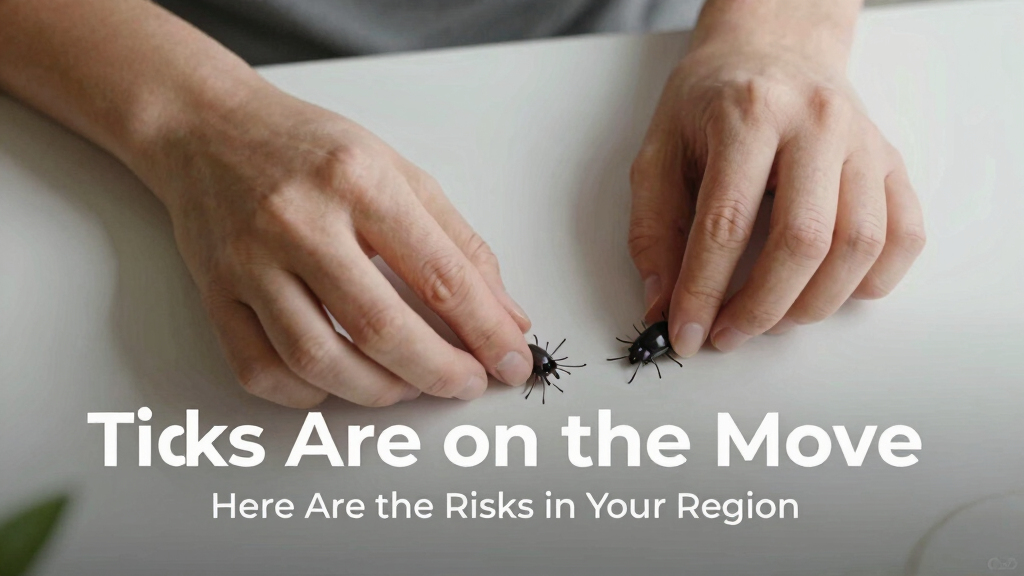
Ticks are migrating into previously unaffected regions, raising concerns about tick-borne illnesses. Experts warn residents to stay vigilant and take preventive measures.
Tick populations are spreading into new regions across the country, according to recent research. This expansion increases the risk of tick-borne diseases such as Lyme disease and Rocky Mountain spotted fever, prompting health officials to issue new warnings. The development is confirmed by entomologists and public health agencies, highlighting a growing concern for residents in affected areas.
Recent studies from the Centers for Disease Control and Prevention (CDC) show that tick populations are expanding into areas previously considered low-risk. Researchers attribute this shift largely to climate change, which creates more favorable conditions for ticks to survive and reproduce. Regions in northern states and higher elevations are experiencing notable increases, with some areas reporting up to 50% more tick encounters compared to last year.
Health authorities in several states have issued advisories urging residents to take preventive measures, such as wearing long sleeves, using tick repellents, and checking for ticks after outdoor activities. The CDC emphasizes that early detection and removal of ticks are crucial to reducing the risk of disease transmission. While the presence of ticks is confirmed in these new areas, the actual incidence of tick-borne illnesses remains under study, with some regions reporting isolated cases.
Implications of Tick Spread for Public Health
The spread of ticks into new regions poses a significant public health challenge, as it increases the potential for tick-borne diseases to affect more people. Lyme disease, the most common tick-borne illness, can cause serious health complications if untreated. The expansion also strains local healthcare resources and underscores the need for increased awareness and prevention efforts. Experts warn that climate-driven changes in tick habitats could continue, leading to further geographic spread.
tick repellent spray for outdoor use
As an affiliate, we earn on qualifying purchases.
As an affiliate, we earn on qualifying purchases.
Recent Trends in Tick Distribution and Climate Impact
Over the past decade, climate change has contributed to the migration of ticks into higher altitudes and northern latitudes. Studies indicate that warmer temperatures extend the active season for ticks and improve survival rates. Historically, regions like the Northeast and Midwest have been most affected, but recent data shows expansion into the South and West. Public health officials have documented increased tick encounters in areas where they were previously rare, prompting updated risk assessments.
“The geographic range of ticks is shifting due to climate factors, and we’re seeing more cases in areas that were previously considered low-risk.”
— Dr. Emily Carter, CDC entomologist
As an affiliate, we earn on qualifying purchases.
Uncertainties About Future Spread and Disease Rates
While the expansion of tick populations is confirmed, the precise future patterns and the actual increase in tick-borne disease cases remain uncertain. Researchers are still studying how climate variables will influence tick habitats long-term, and whether public health measures will effectively contain the risk. It is also unclear how quickly tick-borne illnesses will rise in newly affected regions.
long sleeve outdoor shirts for tick protection
As an affiliate, we earn on qualifying purchases.
As an affiliate, we earn on qualifying purchases.
Monitoring and Preventive Strategies Moving Forward
Public health agencies plan to enhance surveillance of tick populations and disease incidence in newly affected areas. Researchers will continue studying climate impacts and tick ecology to better predict future risks. Meanwhile, health officials recommend ongoing public education campaigns and personal protective measures to reduce individual risk. Expect updated guidelines and increased testing availability in the coming months.
As an affiliate, we earn on qualifying purchases.
Key Questions
Which regions are most affected by the tick spread?
Recent data shows increased tick activity in northern states, higher elevations, and some southern areas where ticks were previously uncommon.
What diseases are associated with ticks in these new regions?
The most common tick-borne diseases include Lyme disease, Rocky Mountain spotted fever, and ehrlichiosis. The risk varies by region and tick species.
How can I protect myself from ticks outdoors?
Wear long sleeves and pants, use EPA-approved repellents, stay on cleared paths, and perform thorough tick checks after outdoor activities.
Are tick-borne diseases increasing in these new areas?
While tick populations are expanding, data on disease incidence is still being collected. Some regions report isolated cases, but overall numbers are under study.
What should I do if I find a tick on my body?
Remove the tick promptly with fine-tipped tweezers, clean the area, and monitor for symptoms. Seek medical advice if symptoms develop.
Source: rss
Fall Picks
fall essentials
As an affiliate, we earn on qualifying purchases.