
To cook juicy chicken breast easily, start by marinating it for at least 15-30 minutes with ingredients like olive oil, lemon juice, and herbs to boost moisture and flavor. Season generously and cook using a thermometer to reach 165°F without overdoing it. Let the chicken rest for a few minutes before slicing to keep it tender and juicy. Master these simple steps, and you’ll discover more tips to perfect your chicken every time.

Get health and wellness essentials delivered free — and shop member deals
- Fast, free delivery on millions of items
- Access to Prime Big Deal Days deals on October 6–7
- Prime Video, Amazon Music and more included
Key Takeaways
- Marinate chicken for at least 15-30 minutes with simple ingredients like lemon, garlic, and herbs to boost flavor and moisture.
- Season evenly with spices like paprika or cumin to enhance depth and complement the marinade.
- Cook chicken using a thermometer, aiming for an internal temperature of 165°F (75°C) to prevent overcooking.
- Use even heat methods like grilling, baking, or pan-searing for consistent doneness.
- Rest the cooked chicken for a few minutes to allow juices to redistribute, ensuring moistness.
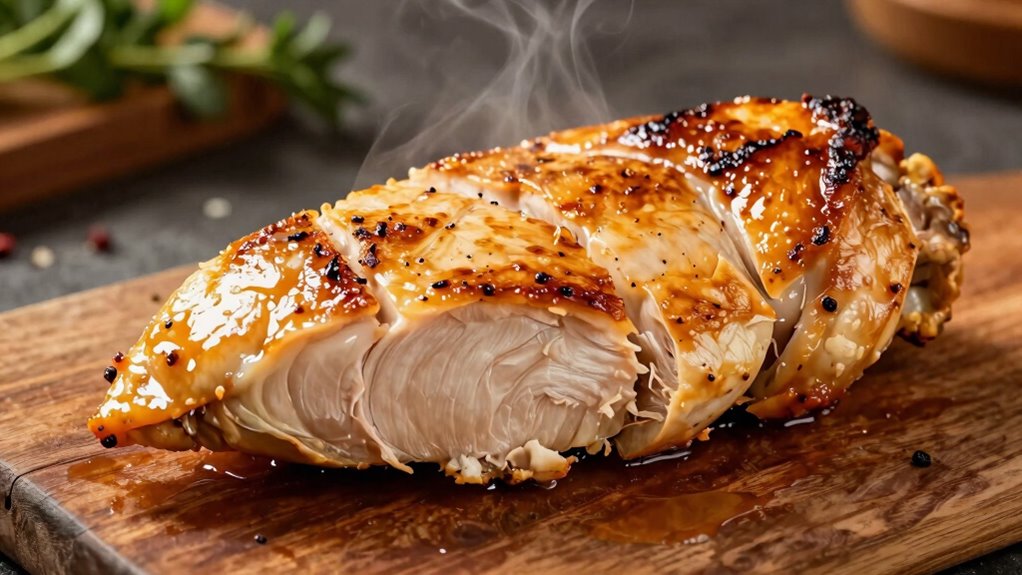
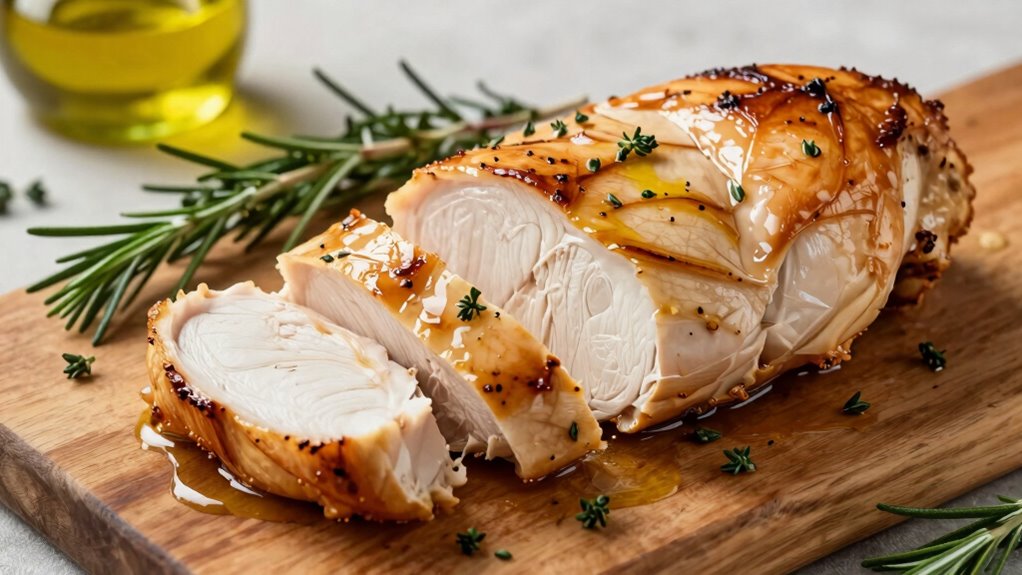
Are you tired of ending up with dry, bland chicken breasts? If so, you’re not alone. Many people struggle to keep chicken juicy and flavorful. The secret often lies in how you prepare and cook it. One of the best ways to ensure moist, tasty chicken is to pay attention to marinade techniques and seasoning options. When you marinate your chicken properly, you’re giving it a boost of flavor and helping it retain moisture during cooking. You don’t need fancy ingredients—simple combinations like olive oil, lemon juice, garlic, and herbs work wonders. Marinating for at least 30 minutes allows the meat to soak up these flavors and become more tender. If you’re short on time, even a quick 15-minute soak can make a noticeable difference. Avoid over-marinating, though, as it can sometimes make the texture mushy. When choosing marinade ingredients, aim for a balance of acidity, oil, and seasoning. The acid, like vinegar or citrus, helps tenderize the meat, while oil keeps it moist and helps distribute the flavors evenly. Seasoning options are endless—try paprika, cumin, thyme, or a pinch of chili powder to add depth. You can also experiment with different herbs and spices depending on your taste. The key is to season generously but evenly, ensuring each bite is flavorful. Incorporating proper cooking techniques, such as using a thermometer and avoiding overcooking, is equally important. Cooking temperature plays a crucial role in maintaining juiciness, so monitoring it closely will help you achieve perfect results. Also, using a meat thermometer can prevent guesswork and guarantee your chicken is cooked just right. Once you’ve marinated your chicken, the next step is to cook it carefully. The method you choose can make or break the juiciness. Grilling, baking, or pan-searing all work well if done correctly. Whichever method you pick, avoid overcooking. Use a meat thermometer to ensure the internal temperature hits 165°F (75°C), but don’t wait until the chicken is well past that—residual heat will carry it to the perfect doneness. Resting the chicken for a few minutes after cooking is crucial because it lets the juices redistribute throughout the meat, preventing them from spilling out when you cut into it. Proper cooking techniques and attention to details like searing or roasting can significantly impact the final result. Ensuring your kitchen tools are quality cookware can also help maintain even heat and better control during cooking. When you slice into your perfectly cooked chicken, you should see a moist, tender interior with no hints of dryness. Remember to keep things simple: marinate properly, season well, cook just enough, and let it rest. These small steps make a big difference in achieving juicy chicken breast every time. With practice, you’ll soon find that cooking moist, flavorful chicken is easier than you thought, and you’ll never settle for dry, flavorless meat again.
digital meat thermometer for chicken
As an affiliate, we earn on qualifying purchases.
As an affiliate, we earn on qualifying purchases.
Frequently Asked Questions
Can I Cook Chicken Breast From Frozen?
Yes, you can cook frozen chicken breasts, but it takes longer. You should cook them straight from frozen for safety, ensuring they reach an internal temperature of 165°F. Remember, proper storage tips are essential—keep frozen chicken airtight and avoid refreezing thawed meat. Use methods like baking or simmering, which work well for frozen chicken, and always check for doneness to keep your meal juicy and safe.
What’s the Best Way to Store Cooked Chicken Breast?
Imagine you cooked extra chicken and want to keep it fresh. You should store leftover chicken breast in airtight containers or wrap it tightly with plastic wrap. For longer-term storage, use freezing techniques like vacuum sealing or placing it in a freezer-safe bag, removing excess air. This prevents freezer burn and maintains quality. Label the container with the date, so you know when to use it, ensuring your cooked chicken stays delicious and safe.
How Do I Prevent Chicken From Drying Out?
To prevent chicken from drying out, try marinating it beforehand; use acidic ingredients like lemon juice or vinegar to tenderize. Brining methods also help retain moisture—soak the chicken in a saltwater solution for a few hours. When cooking, avoid overcooking by using a meat thermometer, and let the chicken rest before slicing. These techniques keep your chicken juicy and flavorful every time.
Can I Use Different Seasonings for Juicier Chicken?
Absolutely, you can use different seasonings to make your chicken juicier—if by “juicier,” you mean more flavorful. Toss in some bold spices, herbs, or marinades for a flavor explosion. Seasoning tips? Don’t be shy—use a mix of garlic, lemon, paprika, or even a splash of olive oil. This way, your chicken becomes a flavor-packed, juicy masterpiece that defies dryness and elevates your meal.
How Long Does Cooked Chicken Stay Safe to Eat?
Cooked chicken stays safe to eat for up to four days when stored properly in the refrigerator. Always prioritize food safety by refrigerating it within two hours of cooking and keeping it at or below 40°F. For longer storage, freeze the chicken, which extends its safety to about three to four months. Remember, always check for signs of spoilage before eating to avoid foodborne illness.
marinating containers for chicken breasts
As an affiliate, we earn on qualifying purchases.
As an affiliate, we earn on qualifying purchases.
Conclusion
Now, picture that tender, juicy chicken resting on your plate, its golden crust giving way to succulent, flavorful meat with each forkful. You’ve discovered the secret to perfectly cooked chicken, transforming a simple meal into a satisfying experience. As your senses savor the aroma and taste, feel proud knowing you’ve mastered an easy method that delivers juicy perfection every time. This is more than cooking—it’s creating comfort and joy with just a few simple steps.
As an affiliate, we earn on qualifying purchases.
As an affiliate, we earn on qualifying purchases.
Fall Picks
fall essentials
As an affiliate, we earn on qualifying purchases.