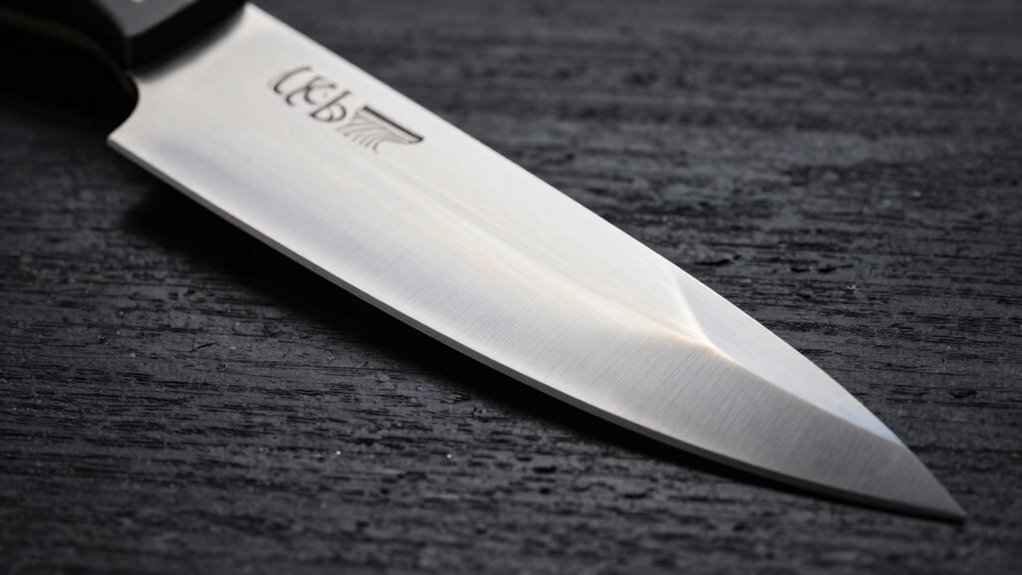

When choosing a knife steel, focus on blade hardness, corrosion resistance, and durability. Harder steels keep their edge longer but can be more brittle and harder to sharpen, while softer steels are easier to sharpen but may dull faster. High corrosion resistance reduces maintenance, especially if you use or store your knives in humid conditions. Balancing these factors based on your cooking needs guarantees a reliable, long-lasting blade. Explore further to master how these qualities refine your selection process.

Get health and wellness essentials delivered free with Prime
- Fast, free delivery on millions of items
- Prime Video, Amazon Music and more included
- Member-only deals all year
Key Takeaways
- Understand that steel hardness affects edge retention and brittleness; higher hardness keeps a sharper edge longer but may chip.
- Recognize that corrosion resistance varies with steel composition, influencing maintenance and rust prevention.
- Balance steel properties based on your cooking style and willingness for maintenance, choosing between harder, more durable or rust-resistant steels.
- Know that softer steels are easier to sharpen but dull faster, while harder steels require special sharpening tools.
- Consider the trade-offs between hardness, corrosion resistance, and ease of maintenance for optimal knife performance.
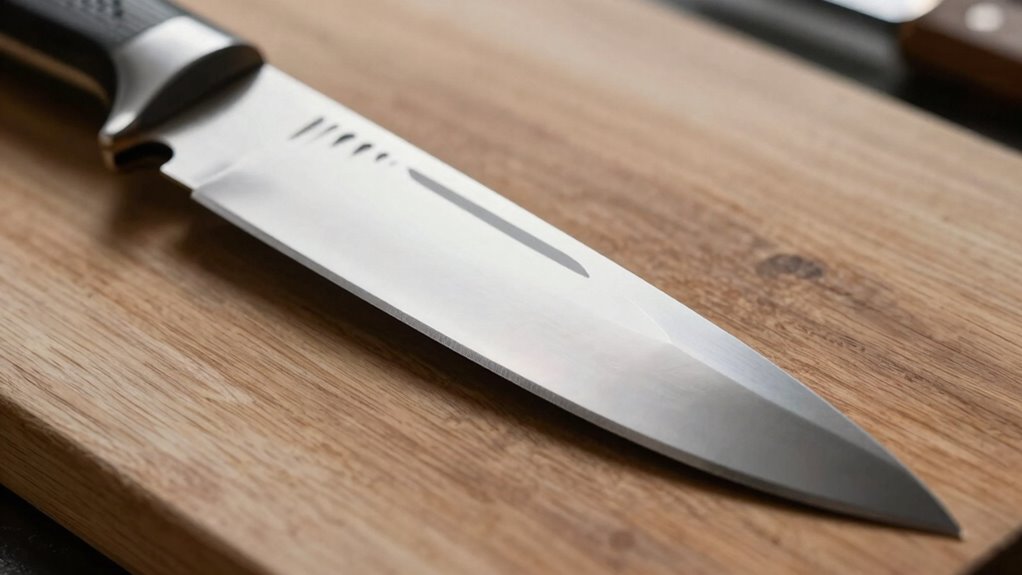
Have you ever wondered what makes some knives stay sharp longer than others? It all comes down to the steel used and its properties. Two key factors influence a knife’s performance: blade hardness and corrosion resistance. Blade hardness refers to how well the steel resists deformation and dulling. Harder blades can hold an edge longer because they resist bending and dulling from cutting. However, there’s a balance to strike—if the steel is too hard, it becomes brittle and more prone to chipping. Softer steels, on the other hand, are easier to sharpen but tend to lose their edge faster. You want a steel with the right hardness level for your needs, guaranteeing the blade stays sharp without sacrificing durability.
Choosing the right steel balance ensures your knife stays sharp while remaining durable and resilient.
Corrosion resistance is equally crucial. It determines how well the steel withstands rust, stains, and other forms of corrosion. Knives that resist corrosion require less maintenance and stay looking new longer. High corrosion resistance is especially important if you use your knife frequently or store it in humid environments. Some steels incorporate elements like chromium to boost their corrosion resistance, which is a key factor when evaluating steel types. When choosing a steel, consider how much effort you’re willing to put into maintenance. If you prefer a low-maintenance knife, look for steels with high corrosion resistance, even if it means sacrificing a bit of hardness. Additionally, understanding the steel composition can help you evaluate its corrosion resistance and durability. A thorough knowledge of steel properties can guide you in selecting the best steel for your specific needs.
Understanding how these two factors interplay can help you pick the right knife steel. For example, a high-hardness steel might offer excellent edge retention but could be more susceptible to corrosion and chipping. Conversely, steels with high corrosion resistance may not hold an edge as long but require less upkeep and are more forgiving with impacts. Many premium knives balance these properties, offering a steel that’s both hard enough to stay sharp and resistant enough to resist rust. Knowing this, you can make smarter decisions based on your cooking style and maintenance preferences.
In essence, the perfect knife for you hinges on how you prioritize blade hardness and corrosion resistance. There’s no one-size-fits-all steel, but understanding these basics helps you evaluate options more confidently. Whether you’re a professional chef or a home cook, knowing what to look for ensures you choose a knife that performs well and lasts longer. Keep these factors in mind, and you’ll be well-equipped to navigate the world of knife steels without feeling overwhelmed.
high carbon stainless steel kitchen knives
As an affiliate, we earn on qualifying purchases.
As an affiliate, we earn on qualifying purchases.
Frequently Asked Questions
How Do I Choose the Right Steel for My Needs?
To choose the right steel, consider your needs for blade hardness and corrosion resistance. If you want a sharp, durable edge, pick a steel with high hardness, but remember it might be less resistant to rust. If you need a versatile, easy-to-maintain blade, go for a steel with better corrosion resistance. Balance these qualities based on your use, whether in the kitchen, outdoors, or everyday carry.
What’s the Difference Between Stainless and Carbon Steel?
You’ll notice stainless steel often catches your eye with its sleek, shiny look, making blade aesthetics stand out, while carbon steel offers a more traditional, matte finish. The main difference lies in corrosion resistance: stainless steel resists rust better, so it’s low-maintenance, perfect for outdoor or humid use. Carbon steel, though prone to rust, sharpens easily and holds an edge longer, making it ideal if you favor precision and don’t mind extra care.
How Does Heat Treatment Affect Steel Performance?
Heat treatment changes steel’s performance by altering its grain structure through controlled cooling rates. Faster cooling produces a finer grain, increasing hardness and toughness, while slower cooling can make the steel more ductile. You can improve your knife’s edge retention and durability by carefully managing this process. Proper heat treatment guarantees your steel strikes the right balance between hardness, flexibility, and corrosion resistance for ideal cutting performance.
Are Higher Numbers Always Better in Steel Grades?
Higher numbers in steel grades aren’t always better, like a larger number isn’t always a bigger advantage. You need to take into account steel composition and manufacturing processes. Sometimes, a steel with a lower grade can outperform a higher one if made with better alloying elements or heat treatments. Focus on what suits your needs, rather than just the grade number, to find the best steel for your knife.
How Do I Maintain and Sharpen Different Steel Types?
To maintain and sharpen different steel types, you need to adapt your sharpening techniques and prevent blade corrosion. For high-carbon steels, use a fine grit stone and apply light pressure, avoiding water spots. For stainless steels, a medium grit works well, and regularly oil the blade to prevent corrosion. Always dry your knife thoroughly after use, and periodically check for rust to keep your blades in top condition.
As an affiliate, we earn on qualifying purchases.
Conclusion
Just like the legendary Excalibur’s strength depends on its steel, your knife’s performance hinges on understanding its composition. By grasping these basics, you arm yourself with the knowledge to choose the right steel for your needs. Remember, “with great power comes great responsibility,” and in this case, the power lies in your hands. Master the steel, and you’ll wield your knife with confidence, precision, and a touch of legendary craftsmanship.
As an affiliate, we earn on qualifying purchases.
As an affiliate, we earn on qualifying purchases.
Columbus Day / Indigenous Peoples' Day Picks
long weekend sales
As an affiliate, we earn on qualifying purchases.