
Understanding your rice cooker’s cup size is more important than you might think, as it directly affects how much rice you cook, your water ratios, and the final texture. Using the wrong measurement can result in undercooked, mushy, or sticky rice. Properly measuring guarantees consistent results and helps with portion control and storage planning. Knowing these details helps you cook better rice every time, and if you keep exploring, you’ll discover even more useful tips.

Get health and wellness essentials delivered free with Prime
- Fast, free delivery on millions of items
- Prime Video, Amazon Music and more included
- Member-only deals all year
Key Takeaways
- Rice cooker cups are typically smaller (around 180 ml) than standard measuring cups, affecting recipe accuracy.
- Proper cup size ensures consistent rice texture and prevents undercooking or mushiness.
- Using the correct measurement helps optimize water ratios for different rice varieties.
- Accurate measurements assist in portion control, storage planning, and reducing food waste.
- Understanding cup sizes avoids measurement errors and improves overall cooking results.
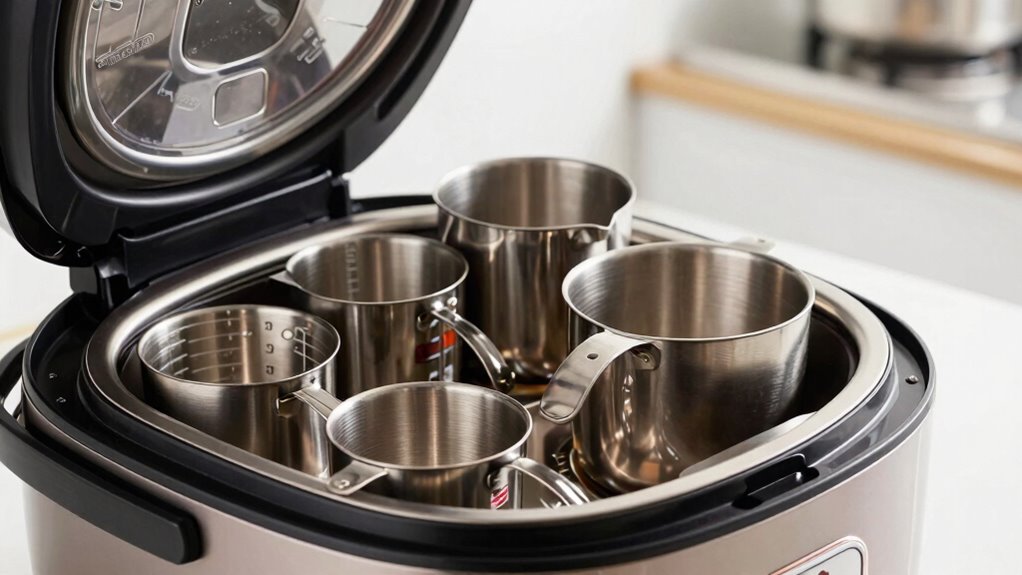
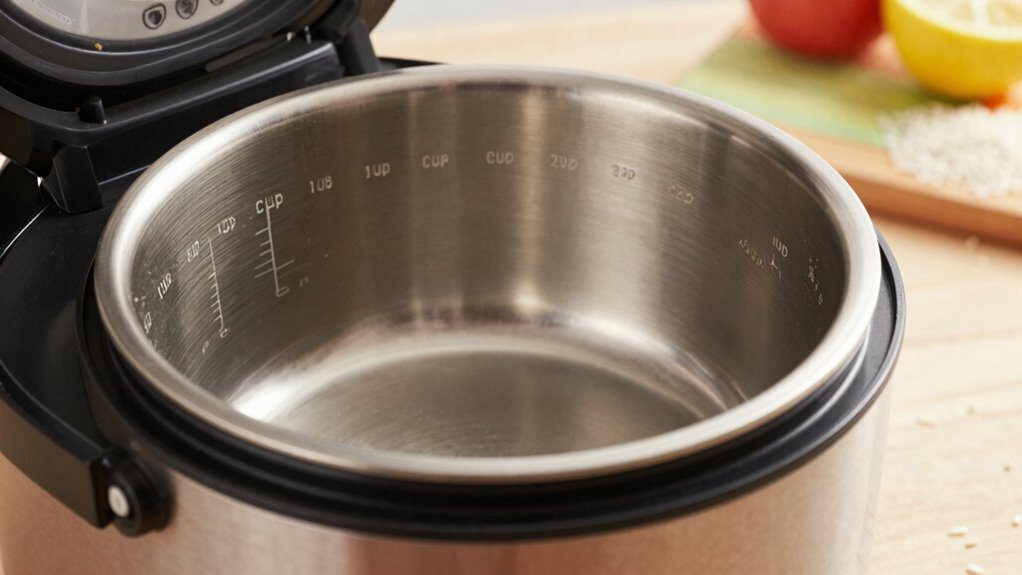
When choosing a rice cooker, understanding cup sizes is essential because they directly impact how much rice you can cook at once. This isn’t just about knowing your cookware; it influences your cooking techniques and how you store your rice afterward. Many people assume that a cup in a rice cooker is equivalent to a standard measuring cup, but that’s not always true. Rice cooker cups are usually smaller, typically around 180 milliliters, compared to the standard 240-milliliter measuring cup used in recipes. This discrepancy can lead to confusion, especially if you’re trying to follow specific recipes or meal plans. Knowing the size helps you accurately measure rice and water ratios, which is critical for achieving perfect texture and consistency. Proper measurement also supports sustainable practices by reducing food waste and ensuring efficient use of resources.
Your choice of cup size also affects your cooking techniques. For example, if you’re cooking for a large family or meal prep, selecting a rice cooker with a bigger capacity means you’ll need to adjust water ratios accordingly. Using the correct cup size ensures your rice isn’t undercooked or mushy. Consistency in measurements is key, so always use the cup provided with your rice cooker, and avoid substituting it with other measuring cups unless you’re confident about the conversion. Proper measurement impacts the amount of water needed and ultimately influences the rice’s texture. Overestimating can result in sticky, overcooked rice, while underestimating can leave it underdone. Additionally, understanding measurement standards in rice cookers helps prevent errors and ensures you get consistent results every time. Recognizing the importance of accurate measurements can make a significant difference in your cooking outcomes. Being aware of cooking ratios and how they relate to cup sizes can further refine your technique and improve your results.
In addition to cooking techniques, understanding cup sizes influences how you store your rice. Once cooked, rice can be kept for later use, but the amount you store depends on how much you initially cooked. If you’re using a smaller cup size, you might find yourself cooking in smaller batches, which is ideal for meal portioning and minimizing waste. Conversely, larger cups allow you to prepare bigger quantities, but you’ll need to have proper rice storage solutions—airtight containers and cool, dry places—to keep leftovers fresh. Proper storage prevents spoilage and maintains rice’s quality over time, so knowing how much rice you’re cooking helps you plan storage accordingly. Additionally, understanding biodiversity in rice varieties can help you choose options that are more sustainable and environmentally friendly. Being mindful of regional differences in rice types can also influence your selection based on taste and nutritional value.
As an affiliate, we earn on qualifying purchases.
Frequently Asked Questions
How Do Cup Sizes Vary Between Brands?
You’ll find cup sizes vary between brands, which impacts measurement accuracy. To guarantee brand consistency, always use the cup provided with your rice cooker, as other measuring cups might be inaccurate. Some brands have slightly larger or smaller cups, so relying on their specific measurements helps you cook perfect rice every time. Always double-check the included cup for the most accurate results, especially when switching between different brands.
Can I Use Measuring Cups Instead of Rice Cooker Cups?
Sure, you can use measuring cups instead of rice cooker cups—if you enjoy unpredictable cooking times and inconsistent results. While measuring cups offer measurement accuracy, they often lack the specific volume that rice cooker cups provide, leading to longer cooking times or undercooked rice. If you value your time and want perfectly cooked rice, stick to the recommended rice cooker cup size, or be prepared for culinary chaos.
Do Cup Sizes Affect Rice Cooking Time?
Yes, cup sizes do affect rice cooking time because they influence the rice absorption and water ratio. Using a larger cup means more rice and water, which can extend cooking time, while a smaller cup reduces both, making it cook faster. To guarantee perfect rice, stick to your rice cooker’s recommended cup size and measurements, adjusting water ratios accordingly. This helps achieve consistent texture and prevents under or overcooking.
Are Rice Cooker Cups Standardized Internationally?
Did you know that rice cooker cup sizes vary by up to 20% internationally? No, they’re not standardized, which impacts your cooking techniques and rice texture. When you use different cups, you might end up with overly sticky or dry rice. Always check your rice cooker’s manual or measure carefully to guarantee consistent results. This small step makes a big difference in achieving perfect rice every time.
How Does Cup Size Influence Cooked Rice Quantity?
Cup size directly influences cooked rice quantity because larger cups hold more rice, affecting water absorption and rice texture. If you use a smaller cup than the recipe calls for, you’ll end up with less rice and possibly undercooked grains. Conversely, a larger cup results in more rice, which can affect water ratios and texture. Always measure accurately to guarantee ideal water absorption and the perfect rice texture every time.
rice cooker water ratio measuring tools
As an affiliate, we earn on qualifying purchases.
As an affiliate, we earn on qualifying purchases.
Conclusion
So, next time you reach for your rice cooker, remember those cup sizes aren’t just numbers—they shape your meals in ways you might not expect. Coincidentally, understanding these sizes can turn a simple dish into a perfect batch, saving you time and frustration. It’s funny how something as small as a cup can make all the difference, isn’t it? With this knowledge, you’re all set to cook rice just the way you like it—no surprises, only perfect results.
rice cooker capacity and measurement guide
As an affiliate, we earn on qualifying purchases.
As an affiliate, we earn on qualifying purchases.
As an affiliate, we earn on qualifying purchases.
Columbus Day / Indigenous Peoples' Day Picks
long weekend sales
As an affiliate, we earn on qualifying purchases.