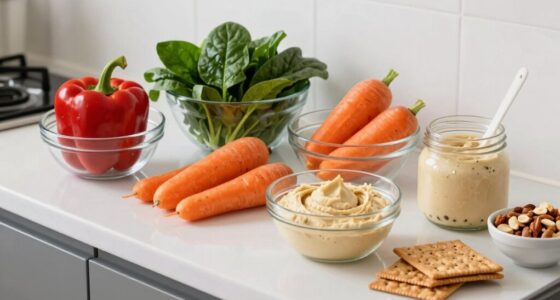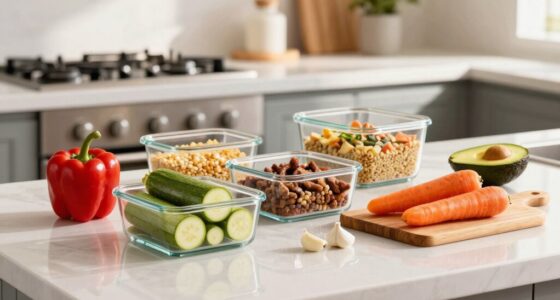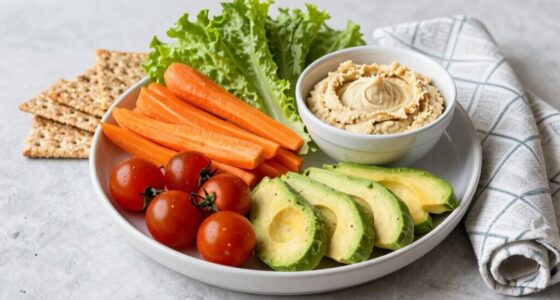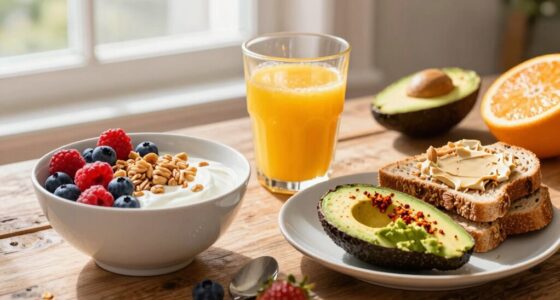
To keep lunches fresh for four days, choose airtight, leak-proof containers made of glass or BPA-free plastic. Layer moist ingredients at the bottom and dry, crisp items on top. Pack dressings separately to prevent sogginess, and let cooked proteins cool before packing. Store everything immediately in the fridge at or below 40°F and avoid room-temperature delays. Mastering these simple tips helps you enjoy fresh, tasty lunches all week long—if you’re curious, stay with us to learn more.

Get health and wellness essentials delivered free — and shop member deals
- Fast, free delivery on millions of items
- Access to Prime Big Deal Days deals on October 6–7
- Prime Video, Amazon Music and more included
Key Takeaways
- Use airtight, leak-proof containers to prevent air exposure and moisture loss.
- Pack dressings separately and add just before eating to avoid sogginess.
- Layer moist ingredients at the bottom and dry, crisp items on top for texture retention.
- Cool cooked ingredients completely before storing to prevent condensation and spoilage.
- Refrigerate immediately at or below 40°F and follow consistent storage practices.
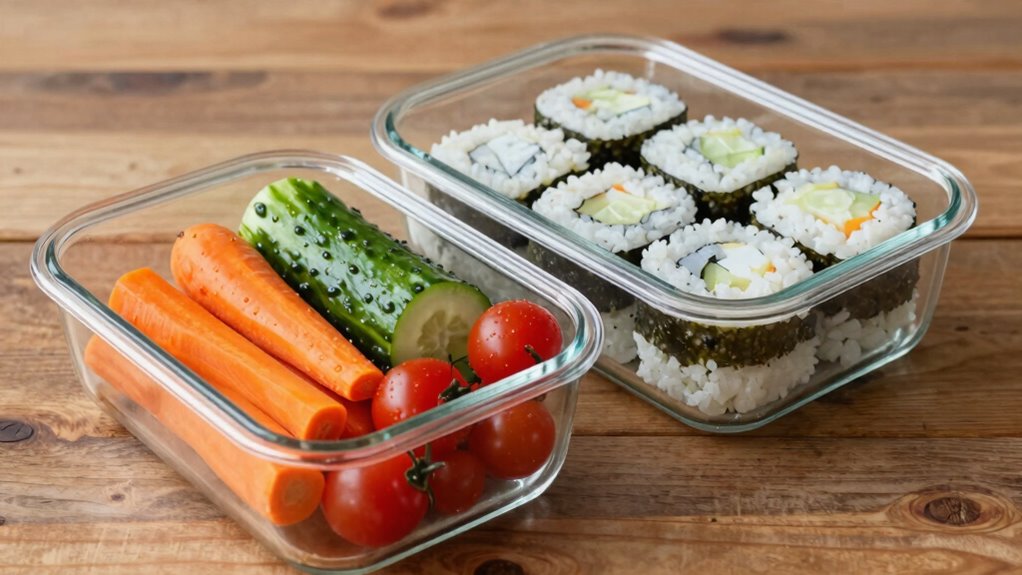
If you want to enjoy fresh, delicious lunches all week long, choosing meals that stay fresh for four days is essential. To do this effectively, you need to master meal prep tips that help preserve the quality of your food. One of the most important aspects is selecting the right storage container options. The containers you choose can make or break your efforts to maintain freshness, so opt for ones that are airtight, leak-proof, and made from high-quality materials like glass or BPA-free plastic. These help keep your meals sealed tightly, preventing air from spoiling your food and protecting against moisture loss.
When prepping your lunches, consider how different ingredients react over time. Salads with sturdy greens like kale or romaine tend to hold up better than delicate lettuce, which can wilt quickly. Cooked grains like quinoa, rice, or couscous stay fresh longer when stored properly and combined with hearty vegetables and proteins. If you’re including proteins like grilled chicken or roasted chickpeas, let them cool completely before packing. This prevents condensation inside your container, which can make your meal soggy. Proper cooling techniques are crucial for maintaining food quality during storage.
Layering your ingredients is another smart meal prep tip. Place moist ingredients, such as salads or dishes with sauces, at the bottom, and layer dry or crisp items like nuts, seeds, or fresh herbs on top. This way, when you open your lunch after a few days, the textures remain intact, and your meal stays appetizing. Additionally, consider packing dressings or sauces separately in small, leak-proof containers, so you can add them just before eating. This prevents sogginess and keeps everything tasting fresh. Incorporating proper storage practices, like immediate refrigeration after prep, can significantly improve meal longevity. Using the right food preservation techniques also helps extend the freshness of your meals and reduces food waste.
Finally, proper storage habits will extend your meals’ freshness. Store your lunches in the fridge at or below 40°F promptly after preparing them, and avoid leaving them out at room temperature for too long. By following these meal prep tips and choosing the right storage container options, you set yourself up for a week of tasty, fresh lunches that stay just as good on day four as they were on day one.
airtight leak-proof glass food containers
As an affiliate, we earn on qualifying purchases.
As an affiliate, we earn on qualifying purchases.
Frequently Asked Questions
Can Leftovers Be Safely Reheated Multiple Times?
Yes, leftovers can be safely reheated multiple times if you follow proper food safety and reheating guidelines. You should reheat only what you’ll consume and avoid repeated heating, which increases bacteria risk. Make certain to reheat leftovers thoroughly to an internal temperature of 165°F (74°C). Store leftovers promptly in airtight containers, and always check for signs of spoilage before reheating to ensure safety.
What Are the Best Storage Containers for Meal Freshness?
You’ll find that reusable bags and insulated carriers are your best bet for keeping lunches fresh. Reusable bags are eco-friendly and keep food secure, while insulated carriers maintain the right temperature, preventing spoilage. When you pack your meals in these containers, you guarantee freshness for days. Plus, they’re convenient for on-the-go eating, so your lunches stay delicious and safe longer, giving you peace of mind each day.
How Does Temperature Affect Food Preservation?
Temperature plays a vital role in food preservation because it directly impacts food safety. When you control the temperature, you slow down bacterial growth, keeping your food fresh longer. Keep your meals refrigerated at or below 40°F, and use a thermometer to guarantee proper temperature control. This prevents spoilage and potential foodborne illnesses, helping your lunches stay fresh and safe to eat for up to four days.
Are There Specific Ingredients That Spoil Faster?
Did you know that seafood and dairy have the shortest shelf life, often spoiling within a day or two? Yes, certain ingredients like raw meat, seafood, and fresh dairy tend to spoil faster due to higher moisture and nutrient content, accelerating ingredient spoilage. You should prioritize consuming these items early or keep them very cold to extend their freshness, especially if you want your lunches to stay fresh for four days or more.
Is Freezing an Option for Extending Meal Shelf Life?
Yes, freezing is a great option to extend your meal’s shelf life. You should focus on proper freezing durability by using airtight containers or freezer bags. When you’re ready to eat, use safe defrosting methods like overnight refrigeration or cold water baths. This way, your lunches stay fresh longer, and you preserve flavor and texture. Just remember to label and date your meals for easy tracking.
BPA-free plastic meal prep containers
As an affiliate, we earn on qualifying purchases.
As an affiliate, we earn on qualifying purchases.
Conclusion
Now, with these tips, you’re like a modern-day alchemist, transforming everyday lunches into lasting delights. Imagine the freedom of knowing your meal stays fresh, just like a secret kept safe in a treasure chest. No more rushed mornings or wasted food—your kitchen becomes your sanctuary of efficiency. Embrace these tricks, and soon you’ll master the art of fresh lunches, turning ordinary days into small victories. Your perfect, long-lasting lunch awaits—ready to make every bite memorable.
small leak-proof dressing containers
As an affiliate, we earn on qualifying purchases.
As an affiliate, we earn on qualifying purchases.
meal prep storage containers for 4 days
As an affiliate, we earn on qualifying purchases.
As an affiliate, we earn on qualifying purchases.
Evergreen bestsellers Picks
bestsellers
As an affiliate, we earn on qualifying purchases.