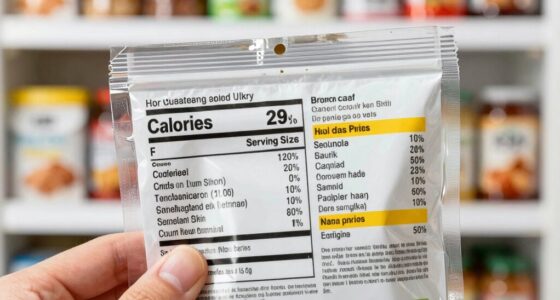
Managing your sodium intake is a simple step to support your overall health and keep your blood pressure in check. Aim for less than 2,300 mg daily, especially if you’re at risk for heart issues. Watch for hidden sodium in processed foods, condiments, and snacks by checking labels. You can add flavor with herbs, spices, or citrus instead of salt. Keep exploring to discover more tips on maintaining balanced sodium levels and improving your well-being.

Get health and wellness essentials delivered free — and shop member deals
- Fast, free delivery on millions of items
- Access to Prime Big Deal Days deals on October 6–7
- Prime Video, Amazon Music and more included
Key Takeaways
- Start by monitoring and limiting daily sodium intake to meet recommended levels, such as less than 2,300 mg for most adults.
- Focus on eating fresh, whole foods like fruits, vegetables, and grains, which naturally contain less sodium.
- Use herbs, spices, and citrus instead of salt to enhance flavor without increasing sodium intake.
- Read food labels carefully to identify and choose lower-sodium options, especially in processed foods.
- Be aware of hidden sodium sources in condiments, sauces, and packaged snacks to better manage your overall intake.
As an affiliate, we earn on qualifying purchases.
Why Sodium Is Essential for Your Health
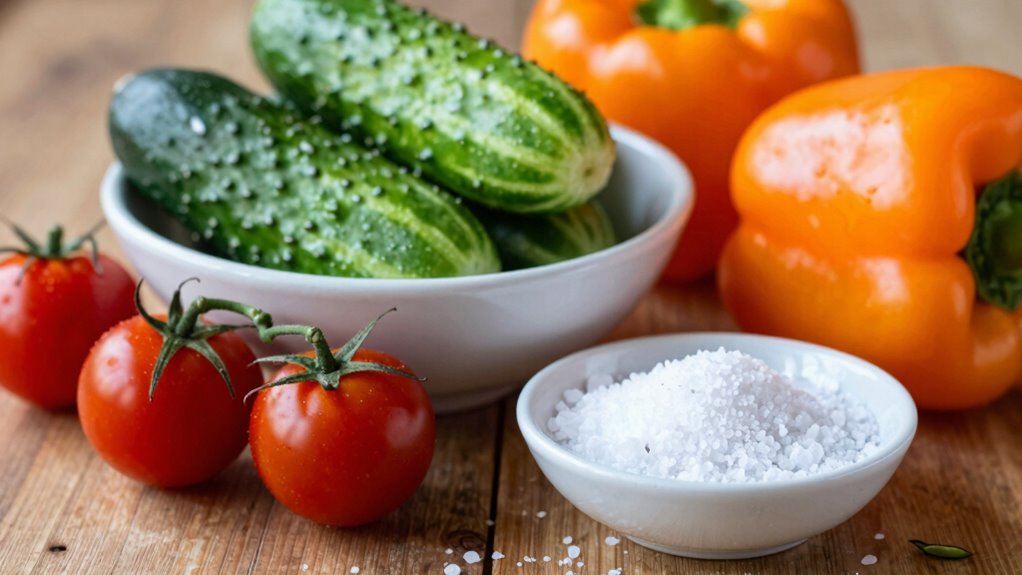
Sodium plays an essential role in maintaining your body’s fluid balance and supporting proper nerve and muscle function. It’s a key part of electrolyte balance, helping your cells communicate and stay hydrated. Your body carefully manages sodium metabolism to keep levels stable, preventing issues like dehydration or swelling. When sodium levels are just right, your nerves transmit signals effectively, and muscles contract smoothly, including your heartbeat. Without enough sodium, your body struggles to maintain these critical processes, leading to fatigue or muscle cramps. On the other hand, too much sodium disrupts this balance, causing health problems. That’s why understanding sodium’s role in electrolyte balance and sodium metabolism is fundamental for supporting your overall health and well-being. Maintaining proper sodium levels is also closely linked to overall health through balanced nutrition, which supports your body’s natural ability to regulate essential minerals. Additionally, sodium regulation is vital for preventing imbalances that can lead to health complications. Proper sodium intake is essential for ensuring these processes function optimally and for supporting overall health. The body’s ability to regulate sodium efficiently is crucial for adapting to various dietary and environmental changes, ensuring your health remains stable. In fact, sodium balance is vital for maintaining overall homeostasis within your body.
As an affiliate, we earn on qualifying purchases.
What Are the Daily Sodium Recommendations?
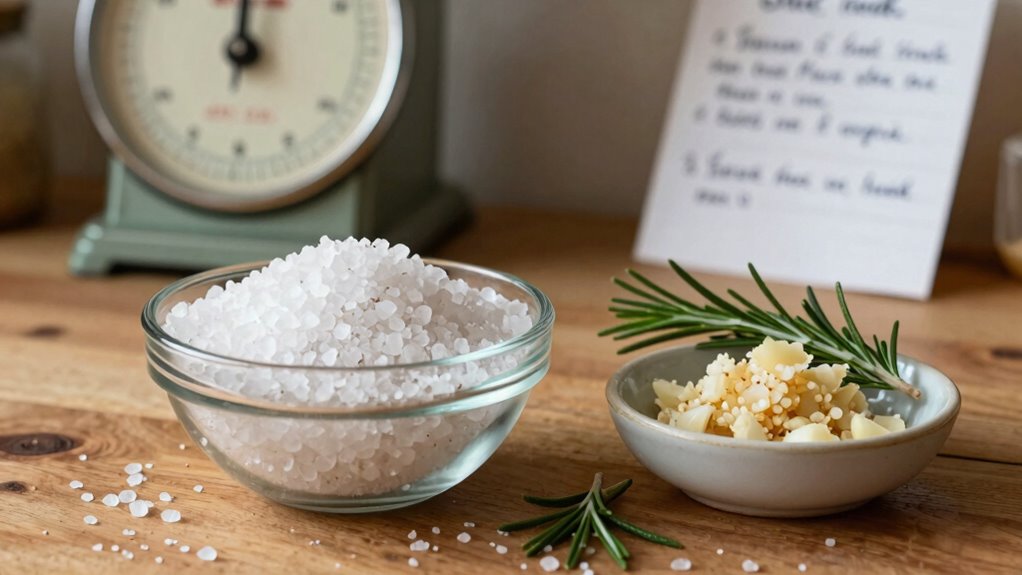
Understanding how much sodium you should consume daily is essential for maintaining your health. The general recommendation for most adults is less than 2,300 milligrams per day, roughly equal to one teaspoon of salt. For those at risk of hypertension or heart disease, aiming for around 1,500 milligrams is advisable. Using salt substitutes can help reduce intake without sacrificing flavor. Recent sodium research suggests that lowering intake benefits overall health, but moderation is key. Here’s a quick guide:
| Age Group | Recommended Daily Sodium | Tips |
|---|---|---|
| Adults | < 2,300 mg | Use herbs or salt substitutes |
| At-risk Adults | < 1,500 mg | Read labels carefully |
| Children | Varies by age | Limit processed foods |
| Seniors | < 1,500 mg | Focus on fresh foods |
Understanding daily sodium recommendations is an important step toward managing your intake effectively. Being aware of sodium sources in your diet can help you identify hidden sodium in many processed foods. Tracking your sodium intake through food labels can further assist in making healthier choices. Recognizing hidden sodium in everyday foods can help you better control your overall consumption. Additionally, understanding sodium research can provide insight into how reducing intake impacts your long-term health.
As an affiliate, we earn on qualifying purchases.
How Sodium Affects Blood Pressure and Heart Health

Have you ever wondered how your salt intake influences your blood pressure and heart health? Salt sensitivity varies from person to person, meaning some individuals experience more significant blood pressure changes with increased sodium. When you consume too much sodium, your body struggles with sodium regulation, leading to fluid retention that raises blood pressure. Elevated blood pressure strains your heart and arteries, increasing the risk of heart disease and stroke. Reducing sodium intake helps maintain healthy blood pressure levels and supports ideal sodium regulation. Understanding your body’s response to salt can empower you to make smarter choices for heart health. By managing sodium intake, you take a simple yet effective step toward protecting your cardiovascular system and promoting overall well-being. Recognizing the impact of sodium on your health can motivate you to adopt better dietary habits. It’s also helpful to be aware of sodium sensitivity, which influences how your body reacts to salt consumption. Additionally, understanding sodium regulation can help you better manage your sodium levels effectively. Being mindful of individual salt responses can further personalize your approach to maintaining optimal blood pressure. For example, knowing your personal sodium threshold can guide you in making more tailored dietary decisions.
As an affiliate, we earn on qualifying purchases.
Where Does Hidden Sodium Hide in Your Food?
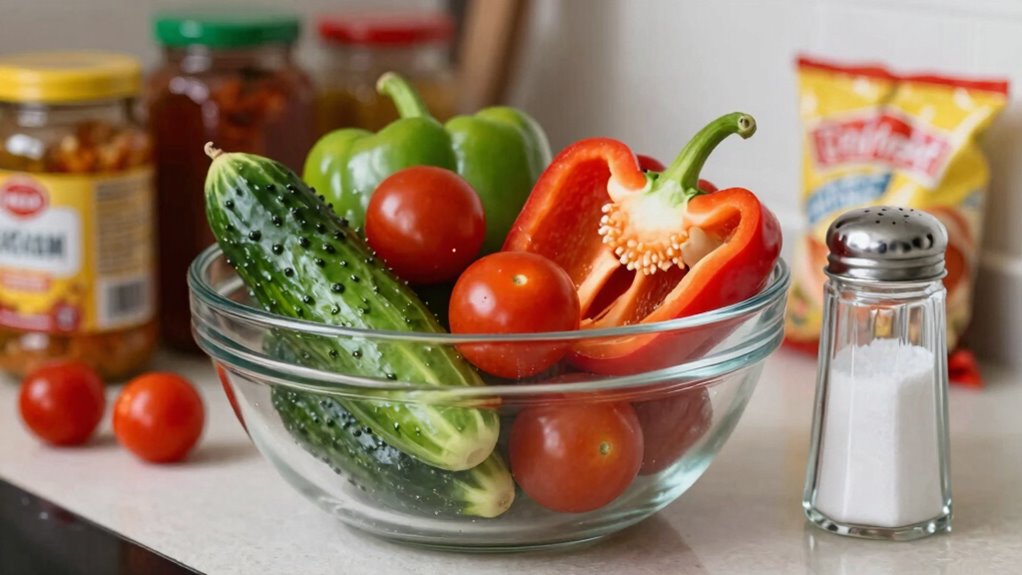
Many processed foods contain high sodium levels, often hidden in ways you might not expect. Condiments and sauces can add a surprising amount of salt to your meals, even in small servings. Snacks are another common source, with many packaged options loaded with sodium to preserve flavor and freshness. Being aware of hidden sodium sources can help you make healthier choices and reduce your overall intake. Paying attention to food labels can further assist in identifying and limiting excessive sodium. Recognizing common high-sodium foods can also help you avoid unintentional excess intake. Additionally, understanding how cooking science affects salt levels can help you control sodium in your homemade meals. Being knowledgeable about biographies of health experts can also provide valuable insights into managing sodium intake effectively.
Processed Food Sodium Levels
Processed foods often contain surprising amounts of hidden sodium, making it easy to exceed your daily limits without realizing it. Many packaged items, like bread, cereals, and snack foods, are high in dietary sodium to enhance flavor and preserve freshness. These foods can contribute notably to your overall sodium intake, sometimes surpassing recommended levels without your knowledge. Consuming too much sodium increases the risk of sodium toxicity, which can lead to high blood pressure and other health issues. By paying attention to processed food labels, you can better gauge how much sodium you’re consuming. Understanding the role of preservatives in processed foods can help you make more informed choices. Some preservatives contain added sodium, further increasing the sodium content of your meals. Reading ingredient lists for sodium-containing additives can provide additional insight into hidden sources. Reducing intake of these hidden sources helps you manage your sodium levels, lowering the risk of health complications associated with excess dietary sodium. Being aware of hidden sodium sources in your diet is essential for maintaining overall health and preventing related health problems. Recognizing hidden sodium in condiments and sauces can also significantly impact your total intake.
Condiments and Sauces
Condiments and sauces are common sources of hidden sodium that can substantially boost your daily intake. Many store-bought options, including salad dressings, contain high levels of sodium to enhance flavor and preserve freshness. Even healthier-sounding options like vinaigrettes often rely on added salt or sodium-rich ingredients. Fermentation techniques, used in soy sauce or certain fermented condiments, also contribute significant sodium content. When choosing condiments, read labels carefully and look for low-sodium versions or consider making your own at home. You can control the amount of salt used and incorporate herbs, spices, or vinegar to add flavor without increasing sodium. Being mindful of how much sodium you’re consuming from these everyday items helps you better manage your overall intake.
Hidden Sodium in Snacks
Have you ever wondered where hidden sodium lurks in your favorite snacks? Many snack ingredients contain added sodium, often unnoticed. Processed chips, crackers, and trail mixes include flavor enhancers that boost taste but also contribute to your daily sodium intake. Even snacks marketed as healthy can hide surprising amounts of salt. Manufacturers add sodium to improve shelf life and enhance flavor, making snacks more appealing. Look closely at ingredient lists—words like salt, monosodium glutamate, or sodium citrate indicate added sodium. By understanding where sodium hides, you can make smarter choices. Opt for snacks with fewer or no added flavor enhancers. Reading labels carefully helps you avoid excessive sodium and take control of your diet without sacrificing snack time.
Tips to Reduce Sodium Without Losing Flavor

Reducing sodium doesn’t mean sacrificing flavor; instead, you can enhance your dishes using smarter seasoning techniques. Incorporate flavor enhancement by using herbs, spices, and citrus to boost taste without extra salt. Experiment with garlic, onion, pepper, or fresh herbs like basil and thyme to add depth and complexity. Engaging in culinary creativity helps you discover new flavor combinations that satisfy your palate. Toasting spices or roasting vegetables can deepen their natural flavors, reducing the need for salt. Additionally, try vinegar or acid-based ingredients like lemon juice to brighten dishes. These methods allow you to enjoy richer, more vibrant meals while cutting back on sodium. With a little experimentation, you’ll find satisfying ways to keep your food flavorful without relying on salt.
How to Read Nutrition Labels for Sodium
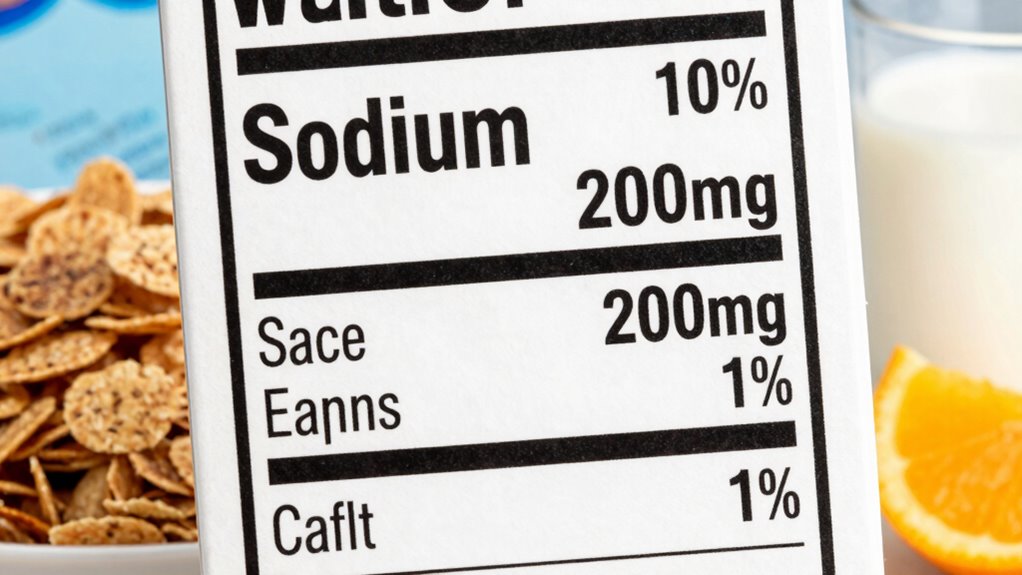
Understanding how to read nutrition labels is essential for managing your sodium intake effectively. Start by checking the “sodium” line, which shows the amount per serving. Aim for foods with lower sodium content, ideally less than 140 mg per serving. Be cautious of products labeled “reduced sodium,” as they may still contain high levels. Pay attention to the % Daily Value (%DV); 5% or less means low sodium. This helps you identify options that support flavor enhancement without excessive salt. If a product is high in sodium, consider sodium alternatives like herbs, spices, or citrus to boost flavor naturally. Reading labels consistently empowers you to choose healthier options and cut back on hidden sodium, making it easier to maintain a balanced, flavorful diet.
How Potassium Helps Balance Sodium in Your Body
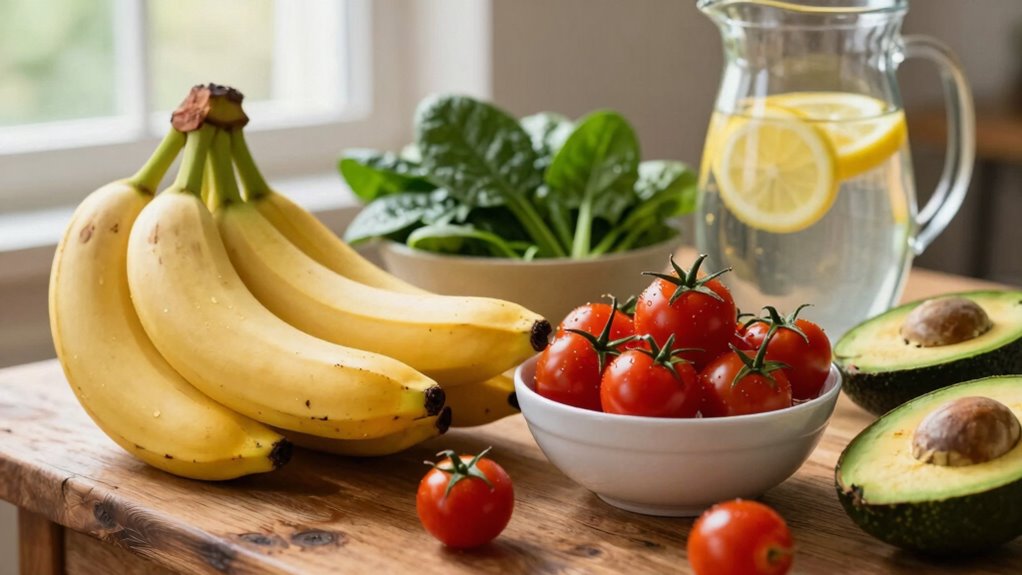
Potassium plays an essential role in maintaining the balance of sodium in your body. It works with sodium to support healthy nerve function, muscle contractions, and fluid regulation. When your potassium levels are adequate, it helps counteract the effects of excess sodium, reducing your risk of high blood pressure. Mineral interactions are key here, as potassium and sodium influence each other’s levels.
| High Potassium Foods | Benefits of Balance | Risks of Imbalance |
|---|---|---|
| Bananas | Lower blood pressure | Hypertension |
| Spinach | Muscle function | Cramping |
| Sweet potatoes | Heart health | Fatigue |
Keeping your potassium levels balanced is vital for overall health and well-being.
Low-Sodium Food Swaps You’ll Love
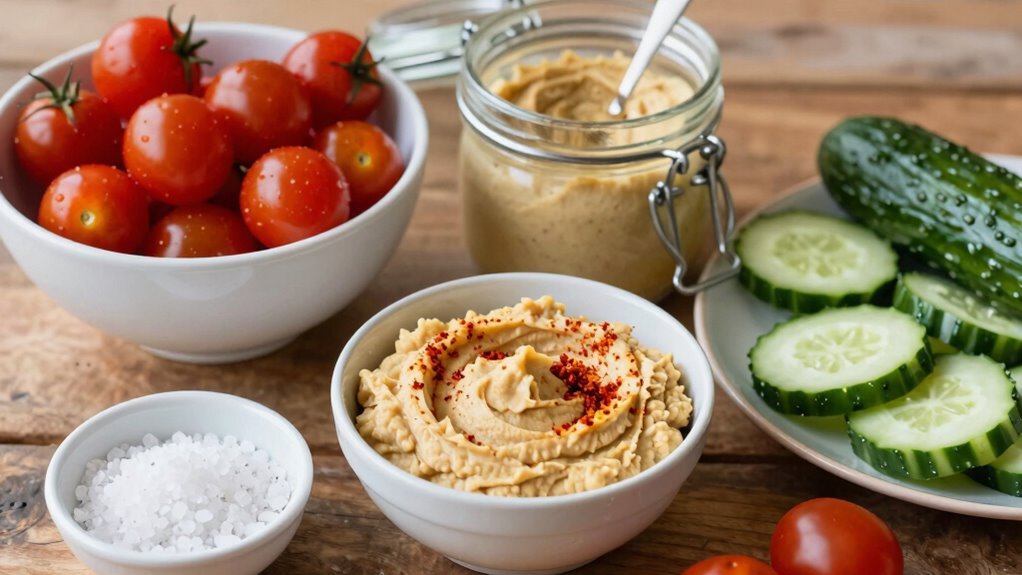
You can add flavor to your meals without extra sodium by using herbs and spices, which pack a punch of taste. Incorporate fresh and whole foods to naturally reduce your salt intake while keeping your dishes vibrant. Opt for low-sodium condiment options to enjoy familiar flavors without the excess salt.
Flavorful Herbs and Spices
Herbs and spices are fantastic tools for adding vibrant flavor to your dishes without relying on salt. Growing your own herb garden allows you to have fresh herbs like basil, cilantro, and thyme on hand, enhancing meals naturally. Experimenting with spice blends, such as curry or Italian seasoning, can transform simple dishes into flavorful creations. Using herbs and spices not only reduces sodium intake but also introduces complex, satisfying tastes that keep your meals exciting. Store-bought spice blends are convenient, but blending your own guarantees freshness and control over ingredients. Incorporate garlic, cumin, paprika, or cinnamon to elevate flavors without extra salt. Over time, you’ll find that these flavorful additions become essential staples, making healthy, low-sodium eating both easy and delicious.
Fresh and Whole Foods
Replacing processed ingredients with fresh, whole foods is one of the simplest ways to cut back on sodium. Opt for produce from organic farming, which often contains fewer additives and preservatives. By embracing culinary traditions that emphasize fresh ingredients, you naturally reduce reliance on salt-laden processed items. Consider these swaps:
- Fresh vegetables over canned or frozen options, which often contain added salt.
- Whole grains like quinoa or brown rice instead of refined, packaged grains with hidden sodium.
- Fresh herbs and garlic to season dishes, replacing pre-made seasoning blends with high salt content.
Focusing on fresh, whole foods allows you to enjoy natural flavors and maintain cultural authenticity without excess sodium. It’s an easy, effective step toward healthier eating habits rooted in tradition and quality.
Low-Sodium Condiment Options
Are traditional condiments sabotaging your sodium goals? Many store-bought options are loaded with salt, which can disrupt sodium and hydration balance. Switching to low-sodium condiments helps you enjoy flavor without overdoing it. Look for reduced-sodium soy sauce, vinegar-based dressings, or homemade mixes using herbs and spices. These swaps not only lower your sodium intake but also support salt and bone health by reducing excess salt consumption. Using less salt in your condiments encourages your body to maintain proper hydration levels, avoiding dehydration and related issues. Experimenting with fresh lemon juice, hot sauce with no added salt, or flavor-enhancing herbs lets you enjoy tasty meals while keeping sodium in check. Small changes here make a big difference for your overall health.
When to Talk to Your Doctor About Sodium and Blood Pressure
If you’re noticing persistent signs of high blood pressure, it’s important to talk to your doctor about your sodium intake. Monitoring your dietary sodium is vital, especially if you have risk factors or existing health conditions. During a medical consultation, your healthcare provider can assess whether your blood pressure levels are linked to your sodium consumption. Consider scheduling a visit if:
- You have a family history of hypertension or heart disease.
- Your blood pressure remains high despite dietary changes.
- You experience symptoms like headaches, dizziness, or chest pain.
Your doctor can evaluate your overall health, recommend appropriate blood pressure management strategies, and guide you on adjusting your dietary sodium intake effectively. Regular check-ins ensure your blood pressure stays within healthy ranges.
Myth-Busting: Salt and Sodium Facts You Should Know

Many people believe that all salt is equally harmful, but the truth is more nuanced. Not all salt affects your body the same way. While excessive sodium intake can lead to health issues, your body needs some sodium for proper sodium absorption and nerve function. Salt alternatives like herbs, spices, or potassium-based options can help reduce sodium levels without sacrificing flavor. It’s important to understand that processed foods often contain hidden sodium, increasing your intake unintentionally. Choosing fresh, whole foods and reading labels help manage your salt consumption.
| Salt Type | Impact on Sodium Absorption |
|---|---|
| Regular table salt | High sodium content, influences intake |
| Salt alternatives | Lower sodium, safer for daily use |
| Unsalted options | Minimize sodium, support healthy habits |
Frequently Asked Questions
How Does Sodium Intake Vary for Different Age Groups?
Your sodium intake varies across age groups due to age-specific dietary guidelines and sodium sensitivity variations. Kids generally need less sodium, while teenagers and adults can handle slightly more. Older adults often become more sodium-sensitive, so they should limit intake to prevent health issues. You should adjust your sodium consumption based on these guidelines and how your body responds, ensuring you maintain a healthy balance at every life stage.
Can High Sodium Intake Cause Symptoms Before Health Issues Appear?
High sodium intake can cause early warning signs like swelling, headaches, or increased thirst before serious health issues develop. These subtle symptoms serve as quick clues for symptom identification, alerting you to cut back on salty foods. Recognizing these early warnings helps prevent further problems, so stay attentive to your body’s signals and manage your sodium levels to maintain health and happiness.
Are There Natural Foods That Contain High Sodium Levels?
Yes, there are natural sodium sources, especially salt-rich foods. You’ll find natural sodium in foods like seaweed, shellfish, and certain fish, which are excellent natural sodium sources. Other examples include dairy products like cheese and milk, as well as some vegetables like spinach and celery. Including these salt-rich foods in your diet can help you maintain a healthy sodium level naturally, without relying solely on processed or added salts.
How Does Sodium Intake Affect Hydration and Electrolyte Balance?
Sodium greatly influences your hydration and electrolyte balance. When you consume sodium, it helps regulate electrolytes, maintaining muscle function and nerve signaling. Too much sodium can make you feel thirstier, activating your thirst mechanism and prompting water intake. Conversely, insufficient sodium disrupts electrolyte regulation, causing dehydration and fatigue. Balancing sodium intake ensures your body’s hydration levels stay steady, supporting overall health and preventing dehydration or electrolyte imbalances.
What Are the Long-Term Effects of Consistently Consuming Too Much Sodium?
Consistently consuming too much sodium increases your risk of developing heart disease and high blood pressure. Over time, excess sodium can strain your heart and blood vessels, leading to damage and reduced function. You might notice persistent hypertension, which raises your risk of stroke and other cardiovascular issues. Reducing sodium intake helps maintain healthier blood pressure levels, protecting your heart and overall well-being in the long run.
Conclusion
So, next time you sprinkle that “healthy” sea salt or reach for a salty snack, remember—you’re not just seasoning your food, but inviting a tiny storm inside your arteries. Irony’s sweet: the very flavor that makes your meal memorable could be quietly plotting a health rebellion. But with a little awareness and smart swaps, you can keep your meals tasty without *unleashing* chaos inside. Who knew that balancing sodium could be so deliciously simple?
Fall Picks
fall essentials
As an affiliate, we earn on qualifying purchases.