
Starting a dairy-free diet is simpler than it seems. You’ll avoid all foods with dairy, like milk, cheese, and yogurt, using plant-based options instead. Always check labels carefully for hidden dairy ingredients, and learn alternative names like whey or casein. Focus on nutrient-rich foods like leafy greens, fortified plant milks, nuts, and seeds to stay balanced. With some tips and strategies, you’ll feel confident managing your diet—and there’s plenty more to discover as you go.

Get health and wellness essentials delivered free with Prime
- Fast, free delivery on millions of items
- Prime Video, Amazon Music and more included
- Member-only deals all year
Key Takeaways
- Learn to read labels carefully, spotting hidden dairy ingredients like whey, casein, and lactose.
- Use plant-based alternatives such as coconut, almond, or soy milk and cheeses in recipes.
- Communicate your dietary needs clearly when eating out to ensure dishes are dairy-free.
- Incorporate nutrient-rich foods like leafy greens, fortified plant milks, and beans to maintain nutrition.
- Avoid processed dairy-free products and focus on whole foods for a balanced, healthy diet.
dairy free plant-based milk alternatives
As an affiliate, we earn on qualifying purchases.
As an affiliate, we earn on qualifying purchases.
What Is a Dairy-Free Diet and Who Should Try It?
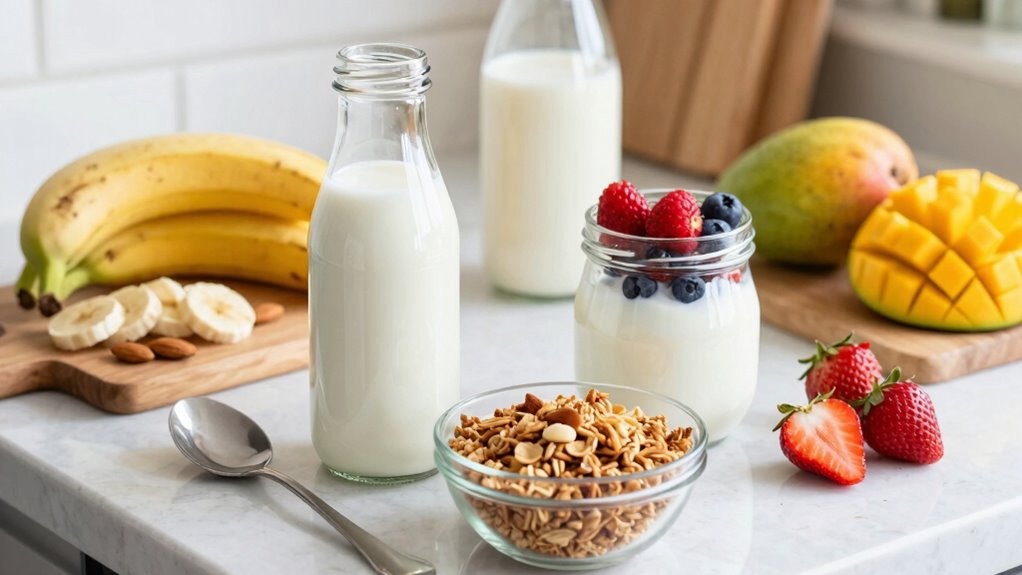
Have you ever wondered what a dairy-free diet entails? It means avoiding all foods containing dairy products, which originate from dairy farming — the industry focused on milk production. This diet excludes milk, cheese, yogurt, and butter, often replacing them with plant-based alternatives. People choose a dairy-free diet for various reasons, including lactose intolerance, milk allergy, or ethical concerns about dairy farming practices. Some aim to reduce inflammation or improve digestion. If you’re sensitive to dairy or want to explore alternative nutrition sources, trying to avoid dairy products could benefit you. It’s also suitable for those who want to minimize their environmental impact associated with milk production. Whether for health or ethical reasons, a dairy-free diet is a practical choice for many seeking a lifestyle change.
As an affiliate, we earn on qualifying purchases.
How to Read Food Labels and Find Hidden Dairy

Wondering how to spot hidden dairy in your food? Many dairy free myths can make label reading confusing, but staying vigilant helps you avoid accidental dairy consumption. When checking labels, don’t just scan the front—turn it around and read the ingredients carefully. Look out for words like “whey,” “casein,” or “milk solids.” Here are four tips to keep you on track:
- Check for sneaky ingredients that might hide dairy, like “lactose” or “curd.”
- Learn alternate names for dairy components to avoid confusion.
- Trust your senses—if an ingredient sounds unfamiliar, research it.
- Avoid products with vague labels like “flavoring,” which could contain dairy.
- Remember that some hidden dairy sources can be found in processed foods, so understanding dairy ingredients can help you make safer choices. Additionally, being aware of air quality tips can support overall health while navigating a dairy-free lifestyle.
As an affiliate, we earn on qualifying purchases.
Top Dairy-Free Substitutes for Your Kitchen

Switching to dairy-free options doesn’t mean sacrificing flavor or texture in your cooking. Instead, you can explore various plant-based dairy substitutes that work beautifully in recipes. For dairy-free desserts, coconut milk and cashew cream add richness, while almond or soy yogurt provides creaminess. When replacing cheese, nutritional yeast adds a cheesy flavor, and vegan cheeses are available for melting dishes. For milk, options like oat, rice, or hemp milk suit different tastes. Here’s a quick overview:
| Dairy-Free | Plant-Based Dairy | Uses |
|---|---|---|
| Coconut Milk | Coconut Cream | Baking, smoothies |
| Almond/Yogurt | Soy, Cashew, Oat Yogurt | Breakfast, sauces |
| Vegan Cheese | Nutritional Yeast | Melting, flavor enhancement |
In addition, exploring diverse global recipes can inspire new ways to incorporate these substitutes into your meals. Using plant-based dairy substitutes can also support your dietary goals and promote a more sustainable lifestyle. Incorporating plant-based ingredients into your cooking can help you discover new textures and flavors that elevate your dishes. Embracing a variety of dairy-free options can make the transition easier and more enjoyable. These substitutes keep your kitchen versatile and delicious.
As an affiliate, we earn on qualifying purchases.
Creating Nutritious and Tasty Dairy-Free Meals

- Toss roasted vegetables with herbs and tahini for rich flavor and nutrients.
- Use ripe avocados to create creamy, dairy-free sauces and spreads.
- Incorporate fermented foods for gut health and extra flavor layers, which can also support immune system health and overall well-being.
- Sweeten desserts naturally with dates or maple syrup for satisfying dairy-free treats.
- Practice good etiquette by presenting your dishes attractively and respecting your guests’ dietary preferences, ensuring a warm and considerate dining experience.
- Consider smart home technology to help manage your kitchen appliances efficiently, making dairy-free cooking more convenient and enjoyable.
- Incorporate nutritional knowledge to better understand how to balance meals and enhance their health benefits.
- Understanding industry insights about dietary trends can help you stay informed and adapt your meal planning accordingly.
Common Mistakes to Avoid When Going Dairy-Free

Many people overlook hidden ingredients that contain dairy, so always read labels carefully. Relying too much on processed dairy-free products can lead to missing out on essential nutrients. To stay balanced, prioritize whole foods and guarantee your diet remains nutritionally complete.
Overlooking Hidden Ingredients
Even if you carefully read ingredient labels, it’s easy to overlook hidden sources of dairy. Hidden ingredients can sneak into foods you wouldn’t suspect, making label reading more challenging than it seems. Missing these can lead to accidental dairy consumption and frustration. To avoid this, watch out for:
- Creamers and dressings—they often contain milk derivatives without obvious labels.
- Baked goods and processed snacks—dairy might be hidden as whey, casein, or lactose.
- Soups and broths—many use dairy-based thickeners or powders. Recognizing dairy-derived ingredients can help you identify these hidden sources more effectively.
- Non-dairy products—some might still contain small amounts of dairy for flavor or texture. Additionally, understanding dairy-free labeling can help distinguish between truly dairy-free items and those that may contain hidden ingredients.
Being aware of hidden dairy ingredients can help you better identify sources of dairy in your diet and stay true to your dairy-free goals. Always scrutinize labels carefully, because missing hidden ingredients can sabotage your dairy-free goals. Proper label reading is key to avoiding unintentional dairy exposure.
Relying on Processed Items
Are processed foods your go-to solution for quick meals? Relying heavily on processed items can be risky if you have dairy allergies or want to avoid processed foods altogether. Many processed foods contain hidden dairy ingredients, making it easy to accidentally consume dairy. Additionally, these items often lack essential nutrients and can be high in unhealthy fats and preservatives.
| Processed Foods | Whole Foods |
|---|---|
| Quick and convenient | Nutritious and naturally dairy-free |
| Often contain hidden dairy | Clear ingredients, minimal additives |
| Risk of dairy allergy reactions | Safer for dairy allergies |
Choosing whole, minimally processed foods helps you stay dairy-free without unnecessary confusion or risk.
Ignoring Nutritional Balance
While opting for whole, minimally processed foods helps you avoid hidden dairy ingredients, it’s easy to overlook the importance of maintaining a balanced diet. Ignoring nutritional balance can lead to deficiencies that impact your energy and overall health. Without dietary diversity, you risk missing essential nutrients like calcium, vitamin D, and protein. Incorporating a variety of nutrient-rich foods, such as nutritional balance, is key to supporting your health. Be mindful of these common pitfalls:
- Relying on a narrow range of dairy-free foods, limiting your nutrient intake.
- Overlooking fortified alternatives that provide crucial vitamins and minerals.
- Forgetting to include plant-based sources like leafy greens, nuts, and seeds.
- Ignoring regular health checkups to monitor nutritional levels.
Prioritize variety to guarantee your dairy-free journey supports your well-being and keeps your body nourished.
Navigating Eating Out and Social Situations Dairy-Free

When eating out or socializing, it’s important to communicate your dairy-free needs clearly to avoid misunderstandings. Look for restaurants that offer dairy-free options or are willing to customize dishes for you. By confidently choosing and requesting dairy-free choices, you can enjoy social situations without worry. Being aware of restaurant options that cater to dietary restrictions can further simplify your experiences. Additionally, choosing establishments that prioritize safe and inclusive environments can enhance your dining experience. Knowing how to identify dairy-free friendly restaurants can help you make better choices and reduce stress during social outings. Being mindful of environmental impact in your dining choices can also support your commitment to sustainable living. Staying informed about digital security can help protect your personal information when researching or communicating your dietary needs online.
Communicating Dietary Needs Clearly
Clear communication is essential when steering through eating out and social situations on a dairy-free diet. You need to confidently express your needs to avoid accidental milk exposure, especially since dairy farming and milk production can be confusing. Misunderstandings can lead to discomfort or health issues. To make it easier:
- Explain your needs clearly—mention you’re avoiding dairy, not just lactose.
- Ask specific questions about ingredients and preparation methods.
- Educate servers about dairy farming practices and milk production to ensure they understand your concerns.
- Advocate for yourself—don’t hesitate to request modifications or speak to the chef directly.
Effective communication helps you stay safe, feel empowered, and enjoy social moments without worry.
Choosing Dairy-Free Options
Managing eating out and social gatherings on a dairy-free diet requires you to be proactive in choosing options that align with your needs. Before heading out, research menus or call ahead to verify if dairy-free options are available. Look for lactose alternatives like almond, soy, or oat milk, and ask about dairy-free desserts to satisfy your sweet tooth. Many restaurants now offer dairy-free desserts, making it easier to enjoy a treat without worry. When ordering, clearly specify your dietary restrictions and inquire about hidden sources of dairy in sauces or dressings. Bringing your own snacks or dairy-free treats can also be helpful. Staying informed and vocal about your needs guarantees you can enjoy social situations without compromising your dairy-free lifestyle. Being aware of food labeling practices can help you identify hidden sources of dairy and avoid accidental consumption.
Essential Nutrients to Maintain on a Dairy-Free Diet

Maintaining a balanced diet without dairy requires paying close attention to certain essential nutrients that dairy typically provides. If you have a dairy allergy or lactose intolerance, you need alternative sources to stay healthy and energized. Here are four key nutrients to focus on:
- Calcium – crucial for strong bones and teeth. Consider leafy greens, fortified plant milks, or almonds. Incorporating a variety of plant-based calcium sources can help ensure adequate intake.
- Vitamin D – helps calcium absorption. Seek fortified foods, sunlight, or supplements.
- Protein – supports muscle repair. Include beans, nuts, seeds, and soy products. Exploring different protein sources can help diversify your diet.
- Vitamin B12 – essential for nerve function. Find it in fortified foods or supplements. Additionally, understanding dairy-free eating basics can help you make informed choices and ensure you meet all your nutritional needs.
Tips for a Smooth Transition to Dairy-Free Living

Switching to a dairy-free diet can feel overwhelming at first, but with some simple strategies, the change can become smoother and more manageable. Start by learning about dairy farming and how milk production works; this knowledge helps you understand what to avoid and why. Focus on finding tasty alternatives to dairy products, such as plant-based milks and cheeses. Read labels carefully to spot hidden dairy ingredients, especially in processed foods. Gradually replace dairy items to ease cravings and give your palate time to adjust. Planning meals ahead of time ensures you always have dairy-free options on hand. Remember, making this shift is a process—patience and persistence will help you adapt comfortably and confidently to dairy-free living.
Resources and Support for Your Dairy-Free Journey
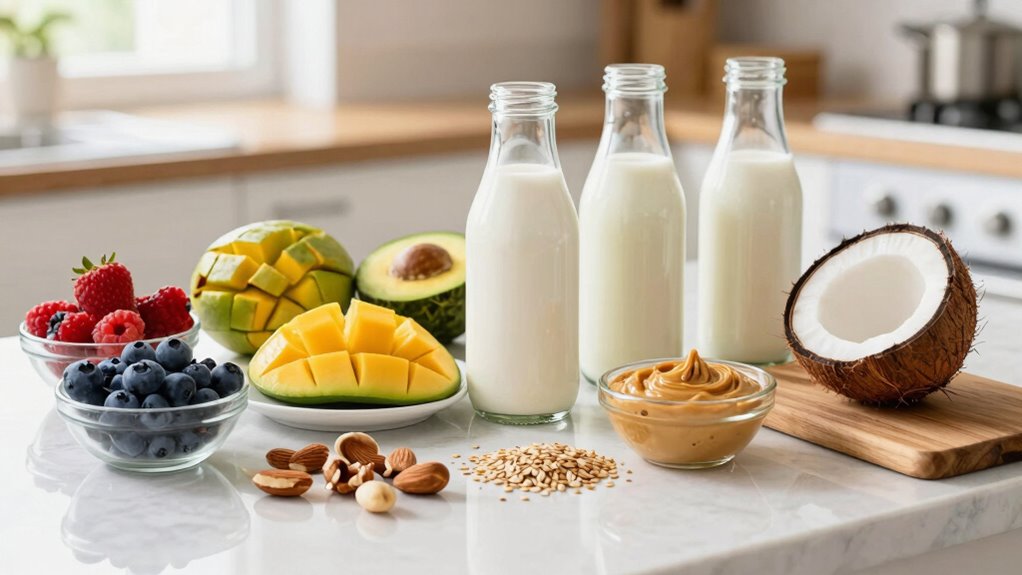
Starting a dairy-free journey can feel less intimidating when you know where to find helpful resources and support. There are many options to help you succeed, from online communities to expert advice.
- Join social media groups focused on dairy-free living—connect and share tips for dairy free desserts and snacks.
- Explore blogs and websites dedicated to dairy-free recipes, offering inspiration and practical ideas.
- Seek out local support groups or nutritionists who specialize in dairy-free diets for personalized guidance.
- Use apps to track your progress and discover new dairy free desserts or snacks to keep your journey exciting.
These resources empower you, making your dairy-free lifestyle more enjoyable and sustainable every day.
Frequently Asked Questions
Can I Get Enough Calcium on a Dairy-Free Diet?
Yes, you can get enough calcium on a dairy-free diet. Focus on calcium-rich foods like leafy greens, fortified plant milks, and almonds, which support calcium absorption. These options help maintain your bone health, even without dairy. Make certain you’re consuming a variety of these foods regularly, and consider talking to a healthcare professional about your diet to make sure you’re meeting your calcium needs effectively for strong bones.
Are There Any Long-Term Health Risks of Avoiding Dairy?
Avoiding dairy isn’t inherently risky, but you should be mindful of potential long-term health effects. If you have lactose intolerance or a dairy allergy, you might miss out on nutrients like calcium and vitamin D, risking bone health. Think of dairy as a sturdy bridge; without it, you need strong alternative supports. With proper planning, you can maintain your health and avoid future issues, ensuring your foundation stays solid.
How Do I Handle Dairy in Baked Goods or Processed Foods?
When handling dairy in baked goods or processed foods, you should always check ingredient labels carefully. Look for dairy substitutes like almond milk, coconut oil, or vegan margarine as alternatives. If dairy isn’t listed, it’s likely safe, but stay vigilant for hidden sources like casein or whey. Using dairy substitutes can keep your baked goods flavorful while ensuring they’re dairy-free, making your eating plan both enjoyable and safe.
What Are Some Budget-Friendly Dairy-Free Alternatives?
You can save money by trying plant-based milks like almond, oat, or soy, which are often affordable and versatile. For dairy-free cheeses, look for store brands or try making your own using nuts or tofu. These options are budget-friendly and easy to incorporate into your meals. Comparing prices and buying in bulk can also help you stick to your budget while maintaining a dairy-free lifestyle.
How Do I Ensure Variety in My Dairy-Free Diet?
To keep your dairy-free diet vibrant, embrace a variety of plant-based proteins like beans, lentils, and tofu. Mix up your dairy-free snacks with nuts, seeds, and fruit, avoiding monotony. Think of your diet as a colorful palette—adding different textures and flavors guarantees you stay satisfied and nutritionally balanced. This approach not only prevents boredom but also enriches your overall eating experience, making dairy-free living both enjoyable and sustainable.
Conclusion
So, you’ve bravely embarked on your dairy-free adventure—congratulations! Who knew that avoiding cheese and milk could turn into a full-time treasure hunt? But hey, at least you’ll never suffer through another lactose-laden latte or accidental dairy disaster again. Embrace the chaos, celebrate your new dairy-free life, and remember: if all else fails, there’s always almond milk. Cheers to a dairy-free future—because who needs cheese when you’ve got resilience?
Halloween Picks
halloween
As an affiliate, we earn on qualifying purchases.