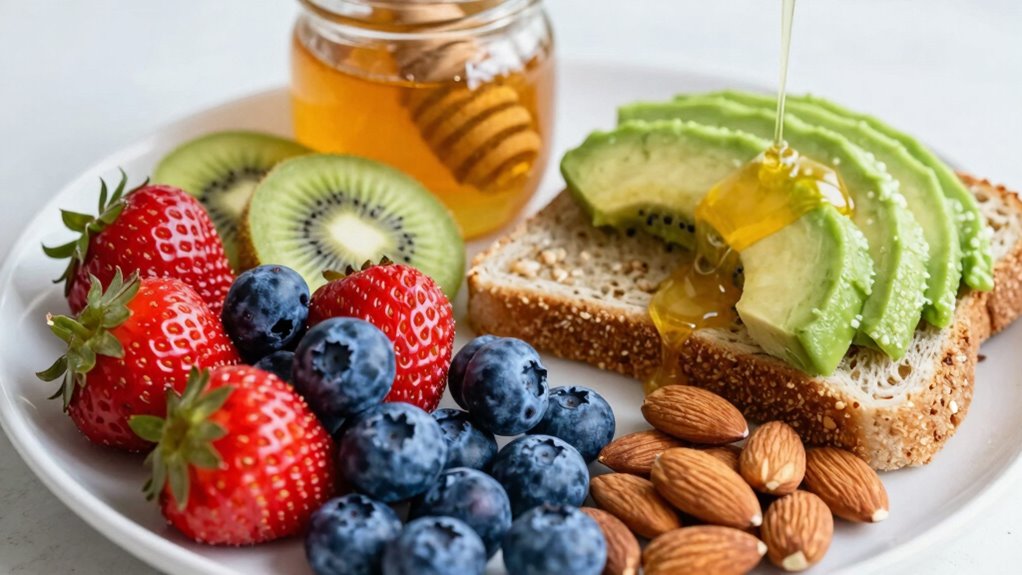

To reduce added sugars, learn to spot hidden sources in processed foods by checking ingredient lists for terms like glucose, fructose, or syrups. Focus on choosing whole, unprocessed foods and limit sugary drinks, opting for water or infused versions. Carefully read nutrition labels, paying attention to the “Total Sugars” line and ingredients. Avoid false health claims and understand that sugar-free products often contain artificial ingredients. If you keep exploring, you’ll discover simple ways to make healthier, low-sugar choices daily.

Get health and wellness essentials delivered free with Prime
- Fast, free delivery on millions of items
- Prime Video, Amazon Music and more included
- Member-only deals all year
Key Takeaways
- Read labels carefully to identify both natural and hidden added sugars, paying attention to ingredient names ending in “-ose” or “-syrup.”
- Prioritize whole, minimally processed foods like fruits, vegetables, and lean proteins to naturally reduce added sugar intake.
- Limit sugary beverages by choosing water, infused water, or unsweetened drinks instead of sodas and sweetened teas.
- Use seasonal produce and preservation methods to enjoy fresh, nutrient-rich foods with less reliance on processed, sugary options.
- Track your food and cravings to stay motivated, adjust goals, and develop sustainable habits for a low-sugar lifestyle.
As an affiliate, we earn on qualifying purchases.
What Are Added Sugars, and How Do They Differ From Natural Sugars?

Added sugars are types of sugar that are added to foods and drinks during processing or preparation, unlike natural sugars found naturally in whole foods. These sugars are often used to enhance flavor, align with current sweetening trends, or improve texture. Understanding sugar chemistry helps you recognize the difference: natural sugars, like those in fruit, come with fiber and nutrients, while added sugars are concentrated and provide empty calories. Sweetening trends have shifted toward reducing added sugars, but many processed foods still contain them to boost taste. By knowing what added sugars are and how they differ from natural sugars, you can make more informed choices and better manage your intake for a healthier diet. Recognizing the role of biodiversity in food production can also help promote more sustainable and environmentally friendly choices. Additionally, being aware of how food processing impacts sugar levels can further empower you to select healthier options. Understanding food additives can also help you identify hidden sources of added sugars in your diet. Being familiar with sugar chemistry can further deepen your understanding of how different types of sugars behave and affect your health. Incorporating knowledge about nutritional labels can assist you in quickly identifying added sugars on food packaging.
unsweetened infused water bottles
As an affiliate, we earn on qualifying purchases.
As an affiliate, we earn on qualifying purchases.
Why Does Reducing Added Sugars Boost Your Health?
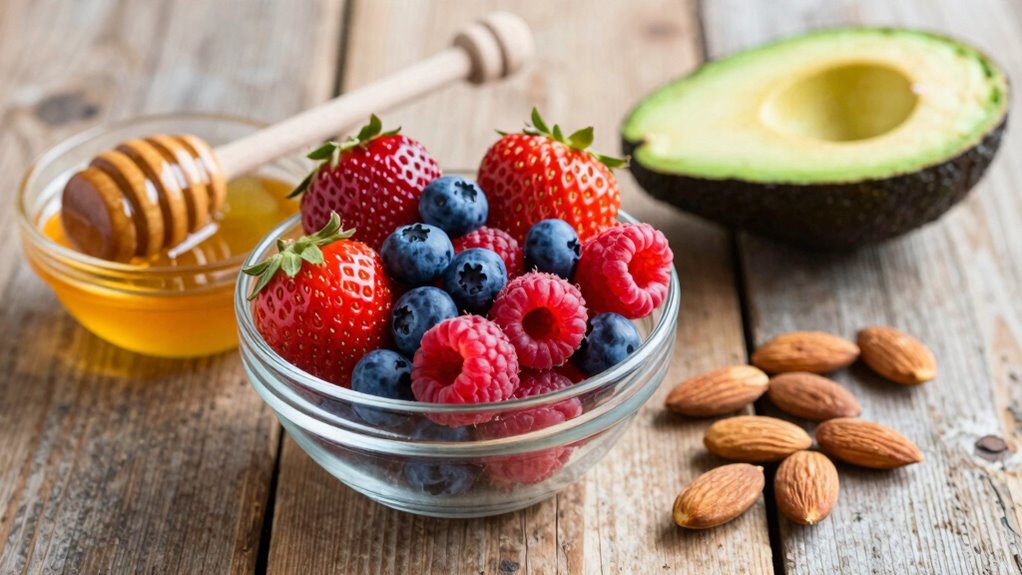
Reducing added sugars can considerably improve your heart health by lowering blood pressure and cholesterol levels. It also helps keep your blood sugar stable, preventing energy crashes and cravings. Plus, cutting back reduces inflammation risks, supporting your overall well-being. Incorporating healthy habits like balanced eating and regular exercise can further enhance these benefits. Understanding nutrition label reading can empower you to make better choices and stick to your reduced-sugar goals. Additionally, being aware of sugar content in foods can help you identify hidden sources of added sugars and make more informed decisions. Exploring CAD, 3D scanning, and printing technologies can inspire innovative ways to stay motivated and engaged in your health journey. Being mindful of home exercise equipment can also support your commitment to healthier living and better manage your sugar intake.
Improves Heart Health
When you cut back on added sugars, you’re taking an essential step toward protecting your heart. Excessive sugar intake can lead to sugar addiction, making it harder to control cravings and overconsume unhealthy foods. High sugar consumption is linked to increased risk of heart disease because it raises blood pressure, promotes inflammation, and contributes to weight gain. These factors strain your cardiovascular system and increase your risk of heart attacks and stroke. By reducing added sugars, you help lower blood pressure and reduce inflammation, supporting overall heart health. Cutting back also helps prevent the development of obesity, a significant risk factor for heart disease. Making these changes keeps your heart healthier and more resilient, giving you a better chance at long-term cardiovascular wellness.
Stabilizes Blood Sugar
Cutting back on added sugars not only benefits your heart but also helps keep your blood sugar levels steady. When you reduce sugar intake, your body maintains better insulin balance, preventing spikes and crashes. This stability makes it easier to manage hunger and energy throughout the day. Incorporating sustainable living practices can further support your health by reducing overall environmental impact and promoting healthier food choices. Additionally, choosing foods with natural sugars over processed options can aid in maintaining consistent blood glucose levels. Being mindful of food processing can help you select less refined options that support balanced blood sugar.
Reduces Inflammation Risks
Excess added sugars can trigger inflammation in your body, which is linked to many chronic diseases. Consuming too much sugar often worsens inflammation markers, making your body more prone to conditions like heart disease and arthritis. When you reduce added sugars, you also cut down on sugar cravings, helping you avoid frequent peaks and crashes in blood sugar levels. This stability supports your immune system and lowers inflammation. This connection between sugar intake and inflammation highlights the importance of dietary choices in managing your health. Less inflammation means fewer aches, better joint health, and a decreased risk of developing long-term health issues. By choosing lower-sugar options, you’re actively reducing the triggers that promote inflammation. Over time, this shift not only enhances your overall health but also helps you feel more energized and resilient against chronic diseases. Additionally, reducing added sugars can positively influence your inflammation levels, promoting better overall well-being. Recognizing how sugar metabolism affects your body can further motivate you to adopt healthier habits. Understanding sugar’s role in inflammation can empower you to make smarter dietary decisions for lasting health benefits. Incorporating antioxidant-rich foods into your diet can further support inflammation reduction and overall health.
As an affiliate, we earn on qualifying purchases.
How Can You Spot Hidden Added Sugars in Processed Foods?
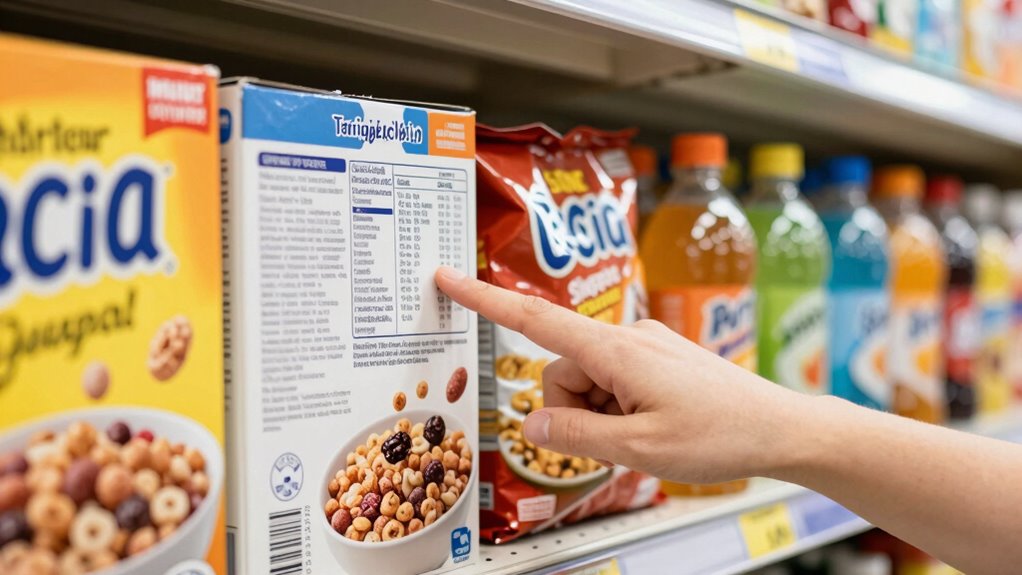
Ever wonder how to uncover hidden added sugars lurking in processed foods? Many products hide these sugars under sneaky names, making it tricky to spot them. To identify hidden ingredients, pay close attention to labels and ingredient lists. Look out for sugar synonyms like glucose, fructose, corn syrup, or maltose, which can disguise added sugars. These are often placed among other ingredients, so read carefully. Being aware of sugar synonyms can help you become more proficient at spotting hidden sugars in your foods. Additionally, understanding processing techniques can reveal how sugars are added or masked during manufacturing. For example, some manufacturers use aromatic additives or other flavoring methods to enhance sweetness without obvious sugar labels. Recognizing hidden ingredients is crucial for making healthier choices and reducing unnecessary sugar intake. Being familiar with manufacturing processes can further assist in identifying hidden sources of sugar. Here are some tips:
- Check for multiple forms of sugar listed under different names
- Be cautious of “fructose,” “dextrose,” and “sucrose” in ingredients
- Spot ingredients ending in “-ose” or “-syrup”
- Remember, “healthy” labels don’t always mean low sugar
Staying alert helps you cut through the hidden sugars and make smarter choices.
As an affiliate, we earn on qualifying purchases.
How to Read Nutrition Labels to Find Added Sugars
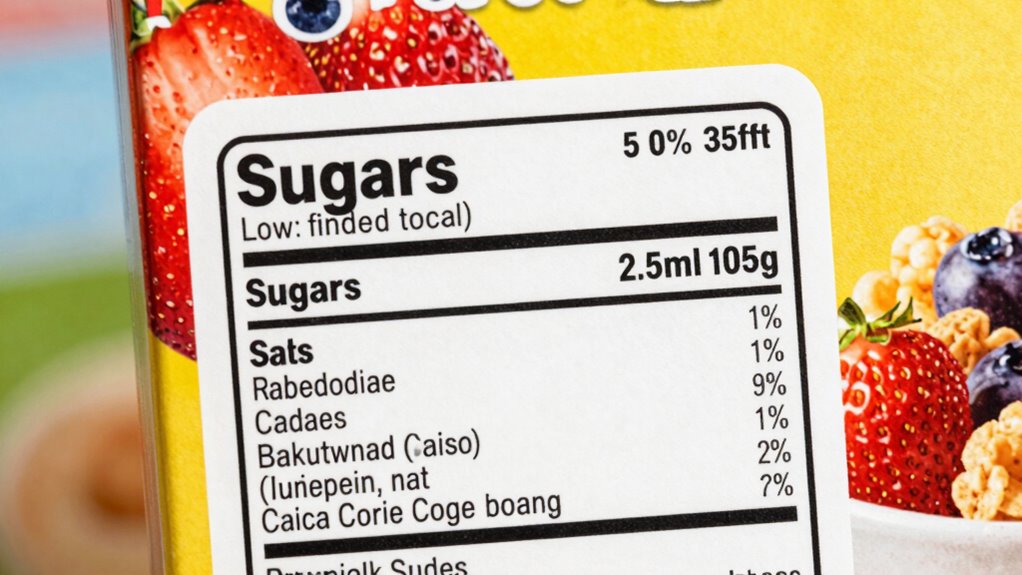
Knowing how to read nutrition labels is your best tool for detecting added sugars in packaged foods. Many people fall for sugar myths, thinking natural sugars are always harmless, but labels reveal the truth. Focus on the “Total Sugars” line, which includes both natural and added sugars. To identify added sugars, look for ingredients like high fructose corn syrup, cane sugar, or syrups listed in the ingredients list. Improving your label literacy means understanding that “sugar,” “glucose,” “fructose,” and similar terms often indicate added sugars. By reading labels carefully, you gain insight into what you’re really consuming and can make smarter choices aligned with your low-sugar goals. Remember, clear label literacy helps you avoid hidden sources of added sugars lurking in processed foods. Recognizing child development resources related to nutrition can also help you make more informed choices for your family’s health. Developing a better understanding of sugar sources can empower you to identify even subtle added sugars in various products.
What Are Easy Ways to Cut Down on Added Sugars?

To cut down on added sugars, start by reading nutrition labels carefully so you can spot hidden sweeteners. Choose whole and fresh foods over processed options to naturally reduce your intake. Also, limit sweetened beverages, which are often a major source of added sugars in many diets.
Read Nutrition Labels Carefully
Have you checked the nutrition labels on your food and drinks lately? Reading labels carefully helps you spot hidden sugars and make smarter choices. Look beyond the calories to see the added sugar content—sometimes listed under different names like corn syrup or dextrose. Use this info to identify products with less sugar or those that rely on natural flavor enhancement instead of added sugars. You can also explore sugar alternatives like stevia or monk fruit, which provide sweetness without the extra calories. Keep an eye on ingredients, especially if you’re trying to cut down on added sugars. By becoming a label reader, you take control of your intake and make better decisions for your health. Small changes in reading habits can make a big difference.
Choose Whole and Fresh Foods
Choosing whole and fresh foods is one of the simplest ways to cut down on added sugars. These foods support better sugar metabolism because they’re minimally processed and retain natural nutrients, making it easier for your body to regulate blood sugar levels. When you opt for fresh fruits, vegetables, lean meats, and whole grains, you avoid hidden sugars often found in processed foods and food preservation methods. Processed foods rely on preservatives and artificial additives, which can contain added sugars that spike your intake without you realizing. By choosing fresh, whole foods, you naturally reduce added sugars, promote stable energy, and support your body’s ability to metabolize sugar efficiently. It’s a straightforward step toward healthier eating habits and better overall health.
Limit Sweetened Beverages
Sweetened beverages are one of the biggest sources of added sugars in many diets, but cutting back on them can make a significant difference. Replacing soda, energy drinks, and sweetened teas with healthier options helps reduce your sugar intake. You can try drinking more water or sparkling water flavored with natural fruit slices. Unsweetened herbal teas or infused water are also good choices. When cravings hit, consider using sugar alternatives like stevia or monk fruit, which add sweetness without extra calories. These swaps make it easier to cut down on added sugars without feeling deprived. Remember, small changes like these can build up over time, leading to healthier habits and better overall well-being.
What Are Healthy Alternatives to High-Sugar Snacks and Drinks?
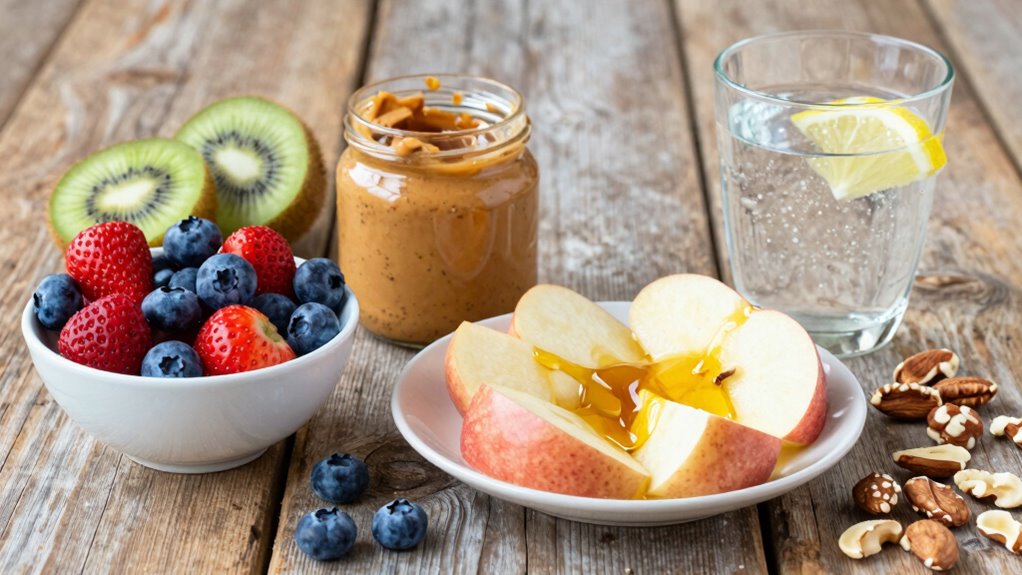
Looking for healthier ways to satisfy your sweet tooth? Opt for snacks and drinks with natural sweetness, like fresh fruit or dried fruit without added sugars. These options provide natural sugars along with fiber, vitamins, and minerals, making them a smarter choice. You can also explore sugar substitutes, such as stevia or monk fruit, which offer sweetness without the calorie spike of traditional sugar. For beverages, try infused water with slices of citrus or berries instead of sugary sodas. Yogurt topped with fresh fruit or a drizzle of honey can satisfy your craving while still being nutritious. By choosing natural sweetness and using sugar substitutes wisely, you cut back on added sugars and enjoy flavorful, healthier alternatives.
Are Sugar-Free Products Really Better? Common Myths Debunked
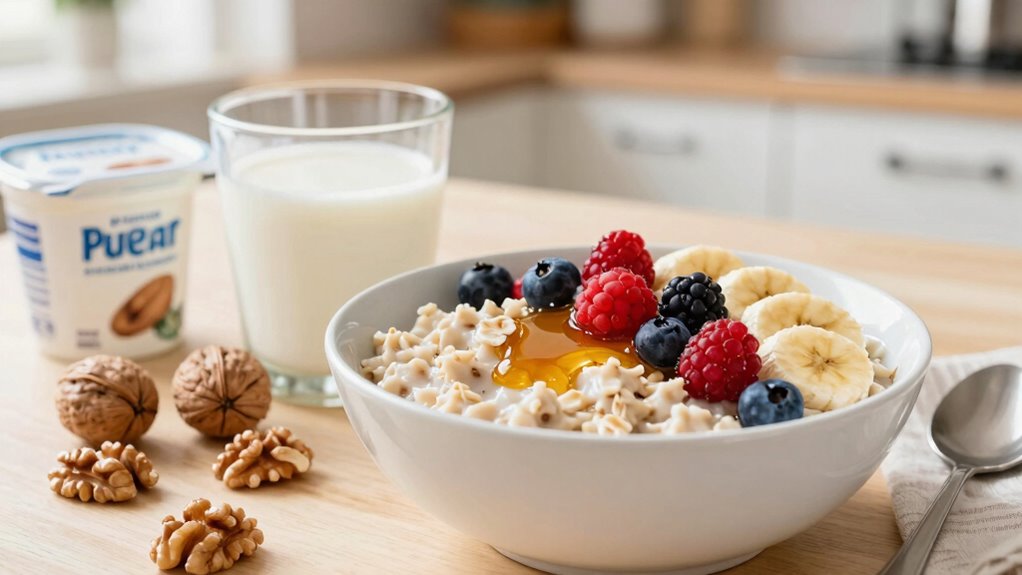
Many people assume that sugar-free products are automatically healthier, but that’s not always the case. While they use sugar substitutes to reduce calories, they can still contain artificial ingredients or chemicals that may cause side effects. Plus, your taste adaptation plays a role—over time, your palate might become accustomed to the intense sweetness of sugar substitutes, making natural sugars taste bland.
- Sugar substitutes can trigger cravings for sweet foods
- Some products may contain additives that aren’t beneficial
- Taste adaptation can lead to increased consumption of artificially sweetened items
- Not all sugar-free options are calorie-free or healthier overall
It’s important to read labels carefully and not rely solely on “sugar-free” claims, understanding that they aren’t always a better choice.
How Can You Stick to a Low-Sugar Diet When Dining Out?

Dining out can challenge your low-sugar goals, but with some strategic choices, you can stay on track. Recognize that sugar addiction can make tempting dishes seem irresistible, but you can curb cravings by choosing meals with natural flavors instead of added sugars. Ask for dressings or sauces on the side to control flavor enhancement without extra sugar. Opt for grilled, baked, or steamed options rather than fried or glazed dishes. Be cautious of menu descriptions like “sweetened” or “glazed,” which often hide hidden sugars. Staying mindful of these choices helps you enjoy your meal without compromising your diet. Remember, you don’t need to sacrifice flavor—just focus on dishes that highlight natural ingredients over sugary enhancements.
How to Maintain a Low-Sugar Lifestyle Without Feeling Deprived?

Maintaining a low-sugar lifestyle without feeling deprived is entirely possible by shifting your focus to flavorful, nutrient-dense foods that naturally satisfy your taste buds. Over time, your taste adaptation reduces the intensity of sugar cravings, making it easier to enjoy less sweet foods. To stay satisfied, try:
- Incorporating fresh fruits for natural sweetness
- Using herbs and spices to enhance flavor without added sugar
- Choosing whole, unprocessed foods that keep you fuller longer
- Experimenting with textures and flavors to keep meals interesting
These strategies help you enjoy your food while gradually reducing dependence on sugar. Remember, your palate can adapt, and your cravings will diminish as you develop a new sense of taste. Staying mindful and creative makes the journey enjoyable and sustainable.
What’s the Next Step? Building a Balanced, Low-Sugar Eating Plan

To build a balanced, low-sugar eating plan, start by setting realistic goals that fit your lifestyle. Focus on incorporating more whole foods, like fruits, vegetables, and lean proteins, to naturally reduce added sugars. Keep track of your progress with simple tips to stay motivated and make adjustments as needed.
Setting Realistic Goals
- Focus on one or two changes at a time
- Track your progress to stay motivated
- Adjust goals as you improve
- Celebrate small victories regularly
Incorporating Whole Foods
Incorporating whole foods into your diet is a powerful step toward reducing added sugar intake and creating a balanced eating plan. Focus on seasonal produce, which is often fresher, more affordable, and packed with nutrients. Using food preservation techniques like freezing, canning, or drying helps you enjoy these foods long-term and reduces reliance on processed, sugary snacks. When shopping, opt for whole fruits and vegetables instead of packaged options with added sugars. Cooking meals from scratch allows you to control ingredients and avoid hidden sugars. By prioritizing whole foods and making the most of seasonal produce, you support your goal of a low-sugar diet while enjoying a variety of flavors and nutrients. This approach makes healthy eating sustainable and enjoyable.
Monitoring Progress Effectively
As you focus on including more whole foods in your diet, keeping track of your progress helps guarantee you stay aligned with your low-sugar goals. Monitoring how you respond to sugar cravings and practicing portion control are key. Regularly check in with yourself to identify patterns—are certain foods triggering cravings? Use a journal or app to log your meals and cravings, so you see your progress over time. Pay attention to small wins, like successfully managing portion sizes or resisting added sugars. Adjust your plan as needed to stay balanced. Remember, consistency matters more than perfection. Staying mindful of your habits helps you build a sustainable, low-sugar eating plan that promotes lasting health.
Frequently Asked Questions
How Much Added Sugar Is Safe to Consume Daily?
You should aim to limit added sugar to less than 6 teaspoons (about 25 grams) per day, according to dietary guidelines. This helps manage sugar cravings and supports overall health. When you exceed this limit, you increase your risk of health issues like weight gain and diabetes. Keep an eye on labels and be mindful of hidden sugars in processed foods, so you stay within a safe, balanced range.
Can Reducing Sugar Improve Mental Clarity and Energy Levels?
Reducing sugar can markedly improve your mental clarity and energy levels. When you cut back on added sugars, you’ll likely experience less brain fog and more sustained energy throughout the day. You’ll notice sharper focus, better mood stability, and fewer crashes. By choosing low-sugar foods, you give your brain a steady fuel source, helping you stay alert and energized, making it easier to tackle daily tasks with clarity and confidence.
What Are Some Unexpected Sources of Added Sugars?
Think outside the box—unexpected sources of added sugars sneak into your diet more often than you’d think. Besides obvious treats, watch out for condiments, flavored yogurts, and cereals. Artificial sweeteners and sugar alcohols, often found in sugar-free gum or candies, can also contain hidden sugars. These sneaky ingredients might not taste sweet but still impact your sugar intake, so read labels carefully and stay vigilant.
How Does Sugar Intake Affect Skin Health and Aging?
When you consume excess sugar, your body speeds up sugar metabolism, leading to increased production of advanced glycation end products (AGEs). These damage collagen and elastin, causing your skin to lose elasticity and develop wrinkles. Plus, high sugar intake promotes skin inflammation, which can trigger breakouts and redness. Cutting back on added sugars helps slow aging signs, keeps your skin clearer, and supports overall skin health.
Are Natural Sweeteners a Healthier Alternative to Sugar?
Natural alternatives and sugar substitutes can be healthier options compared to regular sugar, but it depends on your choices. Natural sweeteners like honey or maple syrup contain some nutrients, but they still add sugars. Sugar substitutes, such as stevia or erythritol, often have fewer calories and don’t spike blood sugar. However, always check labels and use them in moderation, since some may cause digestive issues or have other effects.
Conclusion
So, here’s the irony: despite all the fuss about cutting sugars, you might find yourself craving that sweet taste more than ever. But with a little awareness and smarter choices, you can enjoy a balanced, low-sugar lifestyle without feeling deprived. After all, what’s sweeter than knowing you’re nourishing your body? Embrace the challenge—you might just discover that a little sweetness in your life is all you truly need.
Halloween Picks
halloween
As an affiliate, we earn on qualifying purchases.