
Finding the best sports nutrition for diabetics means balancing fuel for performance against blood sugar stability, and that tradeoff is exactly what separates the products in this roundup. My top pick overall is the Optimum Nutrition Gold Standard 24g Protein Shake, because its low-sugar, high-protein formula supports muscle recovery with minimal glycemic impact. For fast sugar correction mid-workout, TRUEplus Glucose Tablets are the category leader thanks to precise, pre-measured dosing, while Nuun Zero Sugar Hydration Tablets handle electrolyte replacement without the hidden carbs most sports drinks carry. The main tension readers face here is between products designed to raise glucose quickly and those designed to keep glucose flat — a diabetic athlete genuinely needs both, in different situations. Read on for the full ranked breakdown, including three nutrition guidebooks worth owning before you spend another dollar on supplements.

Get health and wellness essentials delivered free — and shop member deals
- Fast, free delivery on millions of items
- Access to Prime Big Deal Days deals on October 6–7
- Prime Video, Amazon Music and more included
Key Takeaways
- The lineup splits into two functional camps: products that deliberately raise blood sugar (TRUEplus tablets, Honey Stinger gels) and products that deliberately avoid raising it (Gold Standard shakes, Nuun Zero, Pure Protein bars). A safe diabetic sports nutrition plan needs both, used at different moments.
- Precise dosing was the single biggest differentiator. TRUEplus Glucose Tablets won their category because each tablet is a known quantity of glucose, whereas Honey Stinger gels pack a full serving of fast carbs that demands careful insulin planning.
- Sugar-free does not mean carb-free, and vice versa. Nuun Zero Sugar Tablets earned their spot by replacing electrolytes with essentially no carbohydrates — something almost no ready-to-drink sports drink can claim.
- Three of the ten picks are books, not supplements, and that ratio is intentional: dietitian-authored references like Nancy Clark’s Sports Nutrition Guidebook can prevent more expensive mistakes than any single product can fix.
- Protein bars were the hardest category to rank for diabetics. Both Pure Protein entries made the list only because their sugar content stays low, but their sugar alcohol content means portion discipline still matters.
- Among the books, The Complete Guide to Sports Nutrition (9th Edition) is the most current and academic, while Nancy Clark’s Guidebook is the most practical for everyday athletes — the right choice depends on how technical you want to get.
| The Complete Guide to Sports Nutrition (9th Edition) |  | Best Educational Foundation | Format: Paperback book | Edition: 9th | Topics Covered: Fueling, hydration, dietary planning | VIEW LATEST PRICE | See Our Full Breakdown |
| Optimum Nutrition Gold Standard 24g Protein Shake, Chocolate, 12 Count |  | Best Overall | Protein: 24g per serving | Protein Source: Milk protein isolate (whey and casein) | Sugar: 1g total, zero added sugars | VIEW LATEST PRICE | See Our Full Breakdown |
| TRUEplus Glucose Tablets, Assorted Fruit Flavors, 50 Count |  | Best for Hypoglycemia Emergencies | Brand: TRUEplus | Count: 50 tablets | Flavors: Assorted fruit (grape, raspberry, orange) | VIEW LATEST PRICE | See Our Full Breakdown |
| Pure Protein Chocolate Peanut Caramel Protein Bars, 12 Count |  | Best Value Snack | Protein: 20g per bar | Calories: 190 per bar | Sugar: 3g per bar | VIEW LATEST PRICE | See Our Full Breakdown |
| Advanced Sports Nutrition | 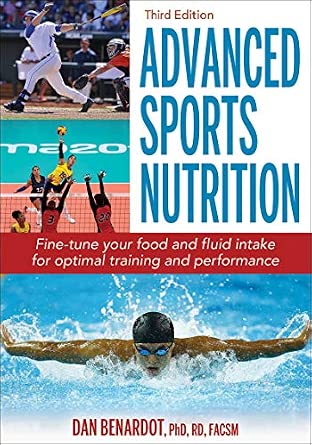 | Best for Competitive and Serious Athletes | Format: Paperback book | Focus: Fueling for training, performance, and recovery | Approach: Evidence-based | VIEW LATEST PRICE | See Our Full Breakdown |
| Pure Protein Bars, Lemon Cake, 20g Protein, Gluten Free, 12 Count |  | Best Everyday Protein Bar | Flavor: Lemon Cake | Protein: 20g per bar | Calories: 190 per bar | VIEW LATEST PRICE | See Our Full Breakdown |
| Nancy Clark’s Sports Nutrition Guidebook |  | Best Book for Active People Managing Diabetes | Format: Book (paperback) | Author: Nancy Clark, MS, RD | Topic: Sports nutrition for active individuals | VIEW LATEST PRICE | See Our Full Breakdown |
| Nuun Zero Sugar Hydration Electrolyte Tablets, Mixed Citrus, 4-Pack (40 Servings) |  | Best Zero-Sugar Hydration | Count: 4 tubes (40 servings) | Flavors: 2x Orange Sunrise, 2x Lemon Splash | Electrolytes per serving: Sodium 200mg, Potassium 125mg, Chloride 75mg, Calcium 30mg, Magnesium 20mg | VIEW LATEST PRICE | See Our Full Breakdown |
| Honey Stinger Organic Fruit Smoothie Energy Gel, 12 Pack |  | Best for Planned Carb Fueling | Package Count: 12 gels | Total Weight: 13.2 oz | Carbs per Serving: 24g | VIEW LATEST PRICE | See Our Full Breakdown |
| Sports Nutrition: A Handbook for Professionals |  | Best Professional Reference | Format: Paperback | Publisher: Academy of Nutrition and Dietetics | Audience: Dietitians and health professionals | VIEW LATEST PRICE | See Our Full Breakdown |
| sports nutrition for diabetic | Format | Count |
|---|---|---|
| The Complete Guide to Sports N | Paperback book | — |
| Optimum Nutrition Gold Standar | — | 12 ready-to-drink shakes |
| TRUEplus Glucose Tablets | — | 50 tablets |
| Pure Protein Chocolate Peanut | Individually wrapped bars | 12 bars |
| Advanced Sports Nutrition | Paperback book | — |
| Pure Protein Bars | — | 12 bars |
| Nancy Clark’s Sports Nutrition | Book (paperback) | — |
| Nuun Zero Sugar Hydration Elec | — | 4 tubes (40 servings) |
| Honey Stinger Organic Fruit Sm | — | — |
| Sports Nutrition: A Handbook f | Paperback | — |
More Details on Our Top Picks
The Complete Guide to Sports Nutrition (9th Edition)
The Complete Guide to Sports Nutrition earns its place as the educational backbone of this roundup. Unlike the ready-to-drink shakes and bars elsewhere on this list, this is a reference you build a strategy from, not a product you consume. For a diabetic athlete, understanding how carbohydrate timing, hydration, and recovery interact with blood glucose matters more than any single supplement, and this guide covers those mechanisms in depth. Compared with Advanced Sports Nutrition, which targets a narrower performance audience, this edition takes a broader, more accessible approach that self-coached readers can actually apply. The tradeoff is that it isn’t diabetes-specific, so readers will need to adapt the fueling protocols to their own glucose data and work with their care team on insulin adjustments.
Pros:- Comprehensive coverage of fueling, hydration, and dietary planning in one reference
- Fully updated 9th edition with current evidence-based guidance
- Helps readers evaluate supplement marketing claims with real science
- Cheaper long-term than guessing with products that don’t fit your needs
Cons:- Not written specifically for diabetes management
- Dense reference format takes commitment to work through
Best for: Self-coached diabetic athletes and fitness beginners who want to understand fueling science before buying supplements
Not ideal for: Anyone looking for a diabetes-specific meal plan — this covers general sports nutrition and requires adaptation
- Format:Paperback book
- Edition:9th
- Topics Covered:Fueling, hydration, dietary planning
- Approach:Evidence-based
- Audience:Athletes and fitness enthusiasts
- Language:English
Our verdict“Buy this first if you want the knowledge to choose every other product on this list wisely.”
Optimum Nutrition Gold Standard 24g Protein Shake, Chocolate, 12 Count
This is the pick I’d point most diabetic athletes toward first. The standout feature for this audience is 1g of sugar with zero added sugars alongside a full 24g of protein — a ratio that supports muscle recovery without spiking glucose. The milk protein isolate blend of whey and casein digests gradually, which is gentler on blood sugar than pure whey alone. Compared with the Pure Protein Chocolate Peanut Caramel bars, you get more protein per serving and a liquid format that’s easier to stomach mid-workout, though the ready-to-drink convenience costs more per gram of protein than powders. It also skips the maltitol and sugar alcohols common in bars, which some diabetics find unpredictable. The 24 added vitamins and minerals are a bonus, not a reason to buy.
Pros:- 24g protein with all 9 essential amino acids for complete recovery support
- Only 1g sugar with zero added sugars — unusually clean for a flavored shake
- Whey-casein blend digests gradually, which tends to be steadier on glucose
- Banned-substance tested for competitive athletes
Cons:- Made with milk proteins, so not an option for anyone with dairy allergies
- Ready-to-drink format costs considerably more per serving than powder
Best for: Diabetic lifters and endurance athletes who want post-workout protein with minimal glycemic impact and zero prep
Not ideal for: Dairy-allergic users and budget-focused buyers — milk proteins and ready-to-drink pricing rule it out for both
- Protein:24g per serving
- Protein Source:Milk protein isolate (whey and casein)
- Sugar:1g total, zero added sugars
- Vitamins & Minerals:24, including A, C, D, E, zinc, and B vitamins
- Amino Acids:9 essential amino acids
- Flavor:Chocolate
- Count:12 ready-to-drink shakes
- Certification:Banned substance tested
Our verdict“The most balanced glucose-friendly recovery option here — grab it if dairy works for you and convenience matters.”
TRUEplus Glucose Tablets, Assorted Fruit Flavors, 50 Count
No diabetic athlete’s gym bag is complete without fast-acting glucose, and TRUEplus fills the safety-net role this roundup needs. Where the Optimum Nutrition shake and Pure Protein bars handle recovery, this product handles the opposite problem: the low that hits mid-session when insulin and exercise collide. The precise dosing per tablet is what separates glucose tablets from juice or candy — you know exactly how many grams you’re taking, which matters for correcting a low without overshooting. Compared with energy gels like Honey Stinger, these are designed purely for hypoglycemia, not fueling, so they belong in your kit as insurance rather than workout nutrition. The assorted flavors are hit-or-miss, and tablets dissolve slower than gels, which matters in a severe low.
Pros:- Precise carbohydrate dosing per tablet for controlled low-blood-sugar correction
- Gluten-free and fat-free, fitting nearly every dietary restriction
- Assorted fruit flavors make them palatable when you feel shaky
- 50-count bottle is economical for stocking home and gym bags
Cons:- Assorted flavors mean you can’t avoid ones you dislike
- Tablets chew and dissolve slower than glucose gels or shots in urgent situations
Best for: Insulin-using diabetics who train and need exact, fast carbohydrate dosing on hand for lows
Not ideal for: Athletes looking for workout fuel — these are for treating hypoglycemia, not sustained energy during exercise
- Brand:TRUEplus
- Count:50 tablets
- Flavors:Assorted fruit (grape, raspberry, orange)
- Dietary:Gluten free, fat free
- Form:Chewable tablet
- Package:Easy-open bottle
- Primary Use:Fast-acting glucose for hypoglycemia
Our verdict“This isn’t a nutrition upgrade — it’s the safety gear every exercising diabetic should carry, and at this count it’s cheap insurance.”
Pure Protein Chocolate Peanut Caramel Protein Bars, 12 Count
Pure Protein bars take the budget-convenience slot, delivering a candy-bar-like experience with 20g of protein and just 3g of sugar at a lower per-serving cost than the Optimum Nutrition Gold Standard shakes. For a diabetic athlete, the value proposition is a shelf-stable pre-workout snack that won’t behave like the granola bars in the checkout aisle. The 190-calorie count makes portion control straightforward, and the certified gluten-free formulation widens compatibility. That said, the comparison with the ready-to-drink shake exposes the tradeoff: bars rely on flavorings and fillers to hit their macros, and the taste lands closer to a protein bar than a real Snickers, which matters if taste fatigue kills your consistency. It’s also chewier and slower to eat mid-workout than a liquid option.
Pros:- 20g protein with only 3g sugar and 190 calories per bar
- More economical per serving than ready-to-drink shakes
- Individually wrapped for gym bags, desk drawers, and travel
- Certified gluten free
Cons:- Flavor doesn’t match the indulgent caramel-chocolate description
- Chewy bar format is impractical to eat during intense exercise
Best for: Budget-conscious diabetic gym-goers who want an affordable, portion-controlled protein snack between meals or after light training
Not ideal for: Athletes sensitive to sugar alcohols or artificial sweeteners, and anyone who wants real candy-bar taste — the flavor won’t fool you
- Protein:20g per bar
- Calories:190 per bar
- Sugar:3g per bar
- Count:12 bars
- Flavor:Chocolate peanut caramel
- Dietary:Certified gluten free
- Format:Individually wrapped bars
Our verdict“The smart pick if you want low-sugar protein convenience at a lower cost than shakes — just don’t expect dessert.”
Advanced Sports Nutrition
Advanced Sports Nutrition serves the performance-focused reader who has outgrown beginner material. Where The Complete Guide to Sports Nutrition functions as an accessible all-rounders’ reference, this one digs into periodized fueling strategies — matching nutrition to training blocks, competition prep, and recovery cycles. For a diabetic competitor, that granularity is double-edged: the detailed protocols give you more to work with when coordinating fueling with glucose monitoring and insulin timing, but nothing here is written with diabetes in mind, so adaptation falls entirely on you and your care team. It sits above the entry-level handbooks in this roundup in depth while sacrificing some of the everyday practicality that makes Nancy Clark’s style of guide appealing to casual exercisers. Think of it as the second book you buy, not the first.
Pros:- Goes deeper into training-period nutrition than general-audience guides
- Evidence-based approach grounded in athletic performance research
- Useful for coaches building fueling plans for diabetic athletes
- Complements glucose data with structured fueling frameworks
Cons:- No diabetes-specific guidance — all protocols require personal adaptation
- Dense and technical for readers without a sports science background
Best for: Competitive diabetic athletes and coaches who already understand basics and need detailed, periodized fueling protocols
Not ideal for: Beginners and casual gym-goers — the depth is overkill, and simpler guides like The Complete Guide cover what you need
- Format:Paperback book
- Focus:Fueling for training, performance, and recovery
- Approach:Evidence-based
- Audience:Serious and competitive athletes
- Depth Level:Advanced
- Language:English
Our verdict“A worthwhile second-level reference for serious athletes, provided you’re ready to translate its protocols to your own diabetes management.”
Pure Protein Bars, Lemon Cake, 20g Protein, Gluten Free, 12 Count
Pure Protein Lemon Cake bars earn a spot here for the same reason as their Chocolate Peanut Caramel siblings: a 20g protein hit at just 3g of sugar, which is exactly the macro profile most people with diabetes want from a between-meal snack. Where the caramel version leans dense and candy-like, this one offers a lighter, dessert-inspired profile that works better as an office or post-walk snack than a heavy pre-workout bite. At 190 calories, it doubles as a genuine meal component rather than a treat, unlike the Honey Stinger gels, which are pure fast carbs. The tradeoff is modest: with only 12 bars per box and a sweetness level some find too sugary for daily use, it is more of a pantry staple than a bulk buy, and the flavor is polarizing enough that first-timers may want a single bar before committing.
Pros:- 20g protein with only 3g sugar per bar
- 190 calories works as a snack or mini-meal component
- Certified gluten free for dietary flexibility
- Individually wrapped for gym bags and desk drawers
Cons:- Only 12 bars per box, so frequent snackers burn through it quickly
- Lemon cake flavor may taste too sweet or artificial for some
Best for: People with diabetes who need a low-sugar, high-protein snack for work, school, or post-workout recovery
Not ideal for: Anyone doing long endurance sessions — 24g of fast carbs from Honey Stinger gels will serve mid-exercise fueling far better than a dense protein bar
- Flavor:Lemon Cake
- Protein:20g per bar
- Calories:190 per bar
- Sugar:3g per bar
- Count:12 bars
- Gluten Free:Yes (Certified)
- Form:Individually wrapped bars
Our verdict“This is the right pick if you want a diabetic-friendly daily protein bar that tastes like dessert without the glucose spike.”
Nancy Clark’s Sports Nutrition Guidebook
Most books in this space, like Advanced Sports Nutrition, are written with coaches and serious athletes in mind. Nancy Clark’s Sports Nutrition Guidebook takes a different path: it is written for everyday active people who want practical fueling advice without a physiology degree. For readers with diabetes, that practical framing matters — the book covers how to time meals around exercise, how to fuel workouts sensibly, and how to build a sustainable eating pattern, which pairs well with products like the Nuun Zero Sugar tablets by explaining why and when hydration and carbs actually matter. Compared with Sports Nutrition: A Handbook for Professionals, it skips the clinical density and speaks in plain language. The main limitation: it is a general sports nutrition guide, not a diabetes-specific manual, so blood glucose management strategies will need to come from your care team alongside it.
Pros:- Authored by one of the most widely recognized sports dietitians in the field
- Practical, plain-language guidance rather than academic theory
- Covers meal timing around exercise, a key concern for active people with diabetes
- Useful framework for deciding when to use bars, gels, and electrolytes
Cons:- Not diabetes-specific, so glucose management advice requires supplementing from medical sources
- General-practice focus means less depth on endurance or competitive fueling than Advanced Sports Nutrition
Best for: Recreationally active adults with diabetes who want to understand exercise fueling fundamentals from a trusted expert
Not ideal for: Registered dietitians or clinicians who need clinical protocols and references — the Academy of Nutrition and Dietetics handbook is the better professional tool
- Format:Book (paperback)
- Author:Nancy Clark, MS, RD
- Topic:Sports nutrition for active individuals
- Audience:Athletes and fitness enthusiasts
- Coverage:Fueling for exercise, training, and competition
Our verdict“If you want to make smarter fueling decisions rather than just buy products blindly, this guidebook is the most approachable starting point on the list.”
Nuun Zero Sugar Hydration Electrolyte Tablets, Mixed Citrus, 4-Pack (40 Servings)
Traditional sports drinks are a problem for anyone watching blood glucose — they are essentially sugar water. Nuun Zero Sugar tablets solve that cleanly: five electrolytes, zero sugar, and a plant-based, vegan ingredient list that dissolves into plain water. For light activity, walking, or hot-weather hydration, this is the standout choice in the lineup, and it sidesteps the carb load of Honey Stinger gels entirely. The honest tradeoff is dosing: at 200mg sodium per serving, it is built for daily hydration rather than heavy sweating, so marathoners and long-session athletes will find the electrolyte content thin compared with dedicated performance formulas. It also requires 16 oz of water and a few minutes of fizzing, so it is not grab-and-go the way TRUEplus glucose tablets are — but that is the point: this product replenishes minerals without touching your glucose curve, where glucose tablets deliberately raise it.
Pros:- Truly zero sugar, so no impact on blood glucose from hydration
- Five electrolytes including sodium, potassium, and magnesium
- Vegan, non-GMO, and plant-based ingredients
- 40 servings per 4-pack with two citrus flavor options
Cons:- Not ready to drink — needs 16 oz of water and dissolving time
- Electrolyte concentrations too low for intense or prolonged exercise
Best for: People with diabetes who want daily hydration support without any sugar — walkers, gym-goers, and hot-weather exercisers
Not ideal for: Endurance athletes doing long, heavily sweating sessions — the electrolyte doses are too low and there are no carbs for sustained effort
- Count:4 tubes (40 servings)
- Flavors:2x Orange Sunrise, 2x Lemon Splash
- Electrolytes per serving:Sodium 200mg, Potassium 125mg, Chloride 75mg, Calcium 30mg, Magnesium 20mg
- Sugar:0g
- Dietary attributes:Vegan, Non-GMO, Gluten-Free, Plant-based
- Usage:Dissolve 1 tablet in 16 fl oz of water
- Note:Formerly named Nuun Daily Hydration Tablets
Our verdict“The clear pick for everyday sugar-free hydration, as long as your sessions stay under the threshold where a performance formula becomes necessary.”
Honey Stinger Organic Fruit Smoothie Energy Gel, 12 Pack
Here is the nuance most roundup lists miss: for a person with diabetes, a 24g carb gel is not automatically a bad thing — it is a precision tool. During sustained exercise, working muscles consume glucose, and a controlled dose like this can prevent the crash-and-binge cycle that derails blood sugar for hours afterward. Compared with TRUEplus glucose tablets, which deliver a fast, uncontrolled spike for treating lows, Honey Stinger gels provide slower, organic carbohydrate energy with a little potassium, intended for pre- and mid-workout use under a plan you have discussed with your care team. Being caffeine-free and gluten-free widens compatibility, and the fruit smoothie texture is easier on the stomach than many gels. The clear limitation: potassium is the only electrolyte, so pairing with Nuun Zero Sugar tablets covers what this gel leaves out during longer sessions.
Pros:- Exactly 24g of carbs per gel, making carb counting straightforward
- USDA Organic and gluten free certifications
- Caffeine free, so no compounding heart-rate or anxiety effects
- Portable, easy-to-digest format for mid-activity fueling
Cons:- Potassium is the only electrolyte — no sodium or magnesium for heavy sweating
- High fast-carb load demands deliberate timing and glucose monitoring
Best for: Endurance athletes with diabetes who strategically fuel long sessions with a known, countable 24g carb dose
Not ideal for: Anyone using gels casually as a snack — 24g of fast carbs without planned activity can spike blood glucose unnecessarily
- Package Count:12 gels
- Total Weight:13.2 oz
- Carbs per Serving:24g
- Certifications:USDA Organic, Gluten Free
- Caffeine:Caffeine Free
- Use:Pre and mid workout
Our verdict“A well-made fueling gel for disciplined endurance athletes who count carbs — everyone else should approach it as a tool, not a treat.”
Sports Nutrition: A Handbook for Professionals
This is the specialist’s pick, and it earns its slot for a different reason than Nancy Clark’s Guidebook. Where Clark writes for the person doing the exercising, this handbook from the Academy of Nutrition and Dietetics is written for the professional guiding them — dietitians, diabetes educators, and sports medicine staff who need evidence-based protocols rather than friendly advice. For a clinician building fueling plans for clients with diabetes, this is the reference that sits beside Advanced Sports Nutrition on the shelf, with the advantage of being authored by the professional body that sets practice standards. The tradeoffs are obvious and worth stating plainly: it is dense, clinical, and expensive relative to consumer books, and it will not help a casual gym-goer who just wants to know which bar to buy. Its true companion in this roundup is the Pure Protein or Nuun products — the handbook explains the science, the products deliver the practice.
Pros:- Published by the Academy of Nutrition and Dietetics, the field’s professional body
- Evidence-based protocols suited to clinical practice
- Covers working with active individuals across conditions, including diabetes management contexts
- Serves as a durable career-long desk reference
Cons:- Dense and technical — impractical for general consumers
- Higher cost than consumer titles for content most hobbyists will never use
Best for: Registered dietitians, CDEs, and sports medicine professionals who need an authoritative reference for client fueling plans
Not ideal for: Everyday athletes and casual readers — the clinical depth and textbook format make Nancy Clark’s Guidebook far more usable for self-education
- Format:Paperback
- Publisher:Academy of Nutrition and Dietetics
- Audience:Dietitians and health professionals
- Type:Professional reference handbook
- Subject:Sports nutrition for athletes and active individuals
Our verdict“Buy this only if you advise athletes professionally; if you are fueling yourself, Nancy Clark’s Guidebook delivers the same expertise in readable form.”

How We Picked
Because diabetes changes the entire calculus of sports fueling, I judged every product first on glycemic impact — how much sugar and rapidly digestible carbohydrate it delivers, and how predictable that delivery is. For products intended to treat or prevent lows, I looked for exact, pre-measured dosing so users can count carbs with confidence. For everyday fueling and recovery products, low added sugar and a macronutrient profile that supports steady glucose took priority over taste or protein quantity alone.
Beyond glycemic criteria, I weighed usability during exercise (portability, ease of consuming mid-run or mid-ride), label transparency, and versatility across training types. Books were evaluated on author credentials, how directly they address exercising with diabetes, and how current the edition is. Ranking then followed a simple logic: products a diabetic athlete will reach for most often, with the least glycemic guesswork, ranked highest — with one deliberate exception for fast-acting glucose, which ranks high because every diabetic exerciser eventually needs it.
| sports nutrition for diabetic | Format |
|---|---|
| The Complete Guide to Sports N | Paperback book |
| Optimum Nutrition Gold Standar | — |
| TRUEplus Glucose Tablets | — |
| Pure Protein Chocolate Peanut | Individually wrapped bars |
| Advanced Sports Nutrition | Paperback book |
| Pure Protein Bars | — |
| Nancy Clark’s Sports Nutrition | Book (paperback) |
| Nuun Zero Sugar Hydration Elec | — |
| Honey Stinger Organic Fruit Sm | — |
| Sports Nutrition: A Handbook f | Paperback |
Factors to Consider When Choosing Best Sports Nutrition For Diabetics
Choosing sports nutrition with diabetes is less about finding the “best” product and more about matching the right product to the right moment. These are the factors that actually change outcomes.Know Whether You’re Fueling, Recovering, or Treating a Low
The most common mistake diabetic athletes make is using one product for three different jobs. Pre-workout fueling, post-workout recovery, and hypoglycemia treatment have completely different carbohydrate requirements, and a product built for one can sabotage another. A glucose tablet that’s perfect for treating a low will spike you if used as routine fuel; a protein shake that’s perfect for recovery will do nothing to fix a mid-run crash. Before buying anything, decide which of the three jobs you’re hiring it for. Most people need a small arsenal of two or three product types rather than one multipurpose item. This is also why product labels matter more here than in general sports nutrition — a “energy” label tells you nothing about dosing precision.
Total Carbs Matter More Than the Marketing on the Front
“Zero sugar” and “low carb” are not interchangeable claims, and manufacturers know buyers confuse them. A product can be sugar-free yet contain maltodextrin or other fast carbohydrates that behave almost like glucose in your bloodstream. Conversely, a small amount of sugar in a high-protein, high-fiber bar may barely move your readings. I recommend reading the total carbohydrate line and the ingredient list, not the front-of-box claim, every single time. Sugar alcohols deserve a second look too: they lower net carbs on paper but can cause digestive issues during hard training, which is a problem no label warns you about. When in doubt, test with a glucose meter after trying a new product during an easy workout — never during a hard session or race.
Dosing Precision Is Worth Paying For
When you need to raise your blood sugar, guessing is dangerous, and product format determines how precisely you can dose. Tablets and gels with printed gram counts let you take exactly 8 or 15 grams of glucose; gels and chews with mixed flavors and vague serving sizes make carb counting harder. This is one area where paying slightly more per serving buys genuine safety rather than convenience. The same logic applies to insulin dosing around workouts: a product with consistent carbohydrate content every time lets you build a reliable routine, while products with variable formulas force you to recalculate constantly. Athletes who train alone, early in the morning, or far from help should weight this factor even more heavily.
Hydration Needs Change With Diabetes, Not Just With Exercise
Standard sports drinks are formulated around one assumption: the athlete wants carbs and fluid together. For a diabetic, that assumption fails, especially during shorter sessions where you’re sweating but not depleting glycogen. Electrolyte tablets without carbohydrates solve this by separating hydration from fueling, so you can drink freely without dosing insulin for it. If you’re doing long endurance work, you may eventually need both — but as separate products you can time independently. Also watch potassium and sodium content if you take blood pressure medications alongside diabetes meds, since electrolyte products vary widely in their mineral loads. People who run hot or train in summer should prioritize sodium content over flavor variety.
Education Products Have the Longest Payoff
Supplements get consumed; knowledge compounds. A well-written sports nutrition reference written or reviewed by dietitians can teach you how to periodize carbs around training, how to adjust for insulin sensitivity changes after exercise, and when products are actually unnecessary. The mistake to avoid is buying a book written for general athletes that never addresses blood sugar management — you’ll get training-table advice that can be actively risky with diabetes. Look for recent editions, since nutrition science and diabetes care guidance both move quickly. A good test: check the index for entries on hypoglycemia, continuous glucose monitoring, or exercise timing. If they’re missing, keep shopping.
Timing Your Purchases Around Your Training Season
What you need in base training differs from race week, and buying everything at once usually wastes money. Recovery protein and hydration products serve you year-round and are safe early buys. Fast-acting glucose is a year-round safety item, not a training item, so it belongs in every gym bag regardless of season. Race-day fuels with real carbohydrate loads, like energy gels, should be purchased only after you’ve rehearsed using them in training with glucose monitoring — never try them for the first time on event day. If you’re new to exercising with diabetes, start with the safety items and a good book, then add performance products as your routine stabilizes. This ordering saves money and reduces the trial-and-error that makes blood sugar management frustrating.
Frequently Asked Questions
Can I use regular energy gels if I have diabetes?
You can, but only with planning, and the type of gel matters. A standard gel delivers roughly 20–25 grams of fast carbohydrate in one shot, which will raise blood sugar rapidly — that’s either a hazard or exactly what you need, depending on your glucose level and insulin on board. Diabetic endurance athletes who use gels successfully typically do so with continuous glucose monitoring and a pre-established plan that accounts for reduced insulin dosing before exercise. If you’re not monitoring closely or you’re new to training with diabetes, pre-measured glucose tablets give you far better control over the dose. Start with a partial gel during a supervised or easy session before committing to full packets mid-race.
Do protein shakes raise blood sugar?
Most low-sugar whey protein shakes have a minimal immediate glycemic impact, but the answer isn’t a flat no. Protein can stimulate a modest insulin response and, in some people with type 1 diabetes, slow-digesting protein hours after exercise can contribute to delayed hypoglycemia. Shakes like the Gold Standard pick in this roundup keep added sugar low, which is why they rank well for diabetics — but check the label of any flavored variety, since some “shake” products are closer to meal replacements with 20+ grams of carbs. If you take insulin, note your post-shake readings a few times to learn your personal response. Timing matters too: a shake right after resistance training behaves differently than one consumed at rest before bed.
Are sugar-free electrolyte drinks actually useful, or just marketing?
They’re genuinely useful, but for a narrower job than most people assume. During sessions under about an hour, you mainly lose water and sodium through sweat — not glycogen — so a carb-free electrolyte tablet replaces what you actually lost without forcing an insulin decision. Marketing becomes misleading when brands imply sugar-free hydration fuels performance; without carbohydrate, it doesn’t fuel anything. The value is that it decouples hydration from fueling, letting you drink to thirst safely. For long endurance sessions, you’ll still need carbohydrate from a separate, countable source. So the honest framing is: sugar-free electrolytes are a real tool for short-to-moderate training and hot-weather hydration, not a replacement for sports drinks in every scenario.
Which book should I buy if I only want one: the academic guide or the practical guidebook?
It depends on how you learn and how serious your training is. Nancy Clark’s Sports Nutrition Guidebook is written conversationally for everyday athletes and covers practical meal planning, which makes it the better first book for most people. The Complete Guide to Sports Nutrition (9th Edition) goes deeper into the physiology and evidence, which suits competitive athletes, coaches, and anyone who wants to understand mechanisms rather than just follow rules. Neither is written exclusively for diabetics, so whichever you choose, you’ll need to adapt the carbohydrate guidance to your own monitoring data. A reasonable strategy is to start with the practical guidebook, and add the academic title later if you find yourself wanting the “why” behind recommendations. Sports Nutrition: A Handbook for Professionals is best left to practitioners rather than self-educators.
How many glucose tablets should I carry during exercise?
Carry more than you think you’ll need — the standard guidance is enough to treat two low episodes, which usually means at least 30 grams of glucose on your person. During exercise, insulin sensitivity is elevated, so lows can come on faster and require repeat dosing, which is why one tube often isn’t enough for longer sessions. The 15-15 rule (take 15 grams, wait 15 minutes, recheck) still applies, but expect to recheck sooner during hard training since absorption speeds up. Keep tablets somewhere genuinely accessible, not buried in a pack pocket you can’t reach while moving. And tell your training partners where your glucose is stored — a low that leaves you confused is exactly when you can’t rummage for it yourself.
Conclusion
Matching the right product to your situation matters more than any single ranking. For best overall, the Optimum Nutrition Gold Standard 24g Protein Shake earns it — daily usable, low sugar, and supportive of recovery without glycemic guesswork. The best value pick is Pure Protein Bars, which deliver the closest thing to a low-sugar meal replacement at a lower cost per serving than shakes. On the safety side, TRUEplus Glucose Tablets are non-negotiable for anyone exercising with diabetes and rank as the best product for treating lows. Best for beginners goes to Nancy Clark’s Sports Nutrition Guidebook, because the cheapest mistake in this category is buying supplements before understanding how to use them. For endurance athletes, Nuun Zero Sugar Hydration Tablets paired with carefully rehearsed use of Honey Stinger gels covers both ends of the fueling spectrum. And if you want the deepest technical grounding, The Complete Guide to Sports Nutrition (9th Edition) is the premium knowledge pick. Whatever combination you choose, monitor your response to each new product during easy sessions first — no roundup, including mine, replaces your own glucose data.
Fall Picks
fall essentials
As an affiliate, we earn on qualifying purchases.