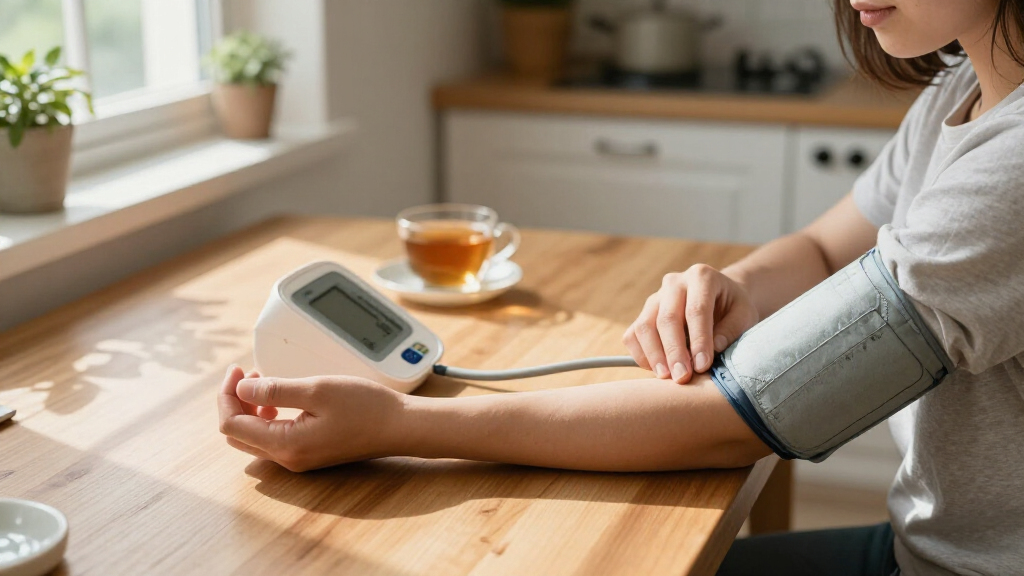
Shopping for home blood pressure monitors comes down to one real tradeoff: clinical-grade accuracy and app connectivity usually cost more, while budget one-button models keep things simple but sacrifice data tracking. The OMRON Platinum takes my best overall spot for its high-precision readings, multi-user memory, and app syncing, making it the strongest all-around choice for ongoing health tracking. If you want to spend less, the Paramed Automatic Upper Arm monitor delivers reliable readings and a large display at a fraction of the price, while the OMRON Evolv stands out for its tubeless, all-in-one design that travelers and small bathrooms will appreciate. Below, I break down all 14 monitors by cuff fit, validation standards, memory, and who each one actually suits — keep reading for the full comparison.

Get health and wellness essentials delivered free — and shop member deals
- Fast, free delivery on millions of items
- Access to Prime Big Deal Days deals on October 6–7
- Prime Video, Amazon Music and more included
Key Takeaways
- OMRON dominates the top of this comparison because its monitors are clinically validated and share consistent accuracy engineering — the Platinum, Evolv, and Gold all ranked in my upper tier, separated mainly by app features and cuff design rather than reading quality.
- The tubeless OMRON Evolv is the only monitor in this lineup with a built-in cuff design, which makes it the clear pick for travel — but that convenience means fewer stored readings than the Platinum and no AC adapter option.
- Budget models like Paramed, Alcedo, and Oklar all deliver one-button simplicity and dual-user memory for under the price of a single OMRON unit; the tradeoff is unvalidated accuracy claims and dimmer, less detailed displays.
- App connectivity splits the midrange: Dario Gen-2 and iHealth Track both sync readings to your phone, but the iHealth’s wide-range cuff fits more arm sizes, which matters more for households sharing one device.
- Cuff size range varied more than any other spec — from roughly 8.6 to 16.5 inches on the Sinocare up to a tighter band on some OMRON models — and an ill-fitting cuff is the single biggest cause of misleading readings at home.
| OMRON Evolv Wireless Blood Pressure Monitor & Upper Arm Blood Pressure Cuff |  | Best Premium Pick | Measurement Technology: Advanced Accuracy Technology | Memory Storage: Up to 100 readings | Connectivity: Bluetooth to OMRON Connect app | VIEW LATEST PRICE | See Our Full Breakdown |
| Dario Gen-2 Blood Pressure Monitor for Home Use with App & Carry Case |  | Best for Couples and Shared Households | Display: Back-lit LCD screen | Connectivity: Bluetooth | Memory: Up to 400 readings | VIEW LATEST PRICE | See Our Full Breakdown |
| Paramed Blood Pressure Monitor – Automatic Upper Arm BP Cuff, Large LCD Display, 120 Memory Sets |  | Best Budget Value | Cuff Size: 8.7–16.5 inches | Display: Large LCD | Memory: 120 sets | VIEW LATEST PRICE | See Our Full Breakdown |
| OMRON Gold Blood Pressure Monitor & Upper Arm Blood Pressure Cuff |  | Best Overall | Measurement Type: Upper arm blood pressure monitor | Cuff Size: 9″–17″ arm circumference | Connectivity: Bluetooth | VIEW LATEST PRICE | See Our Full Breakdown |
| iHealth Track Smart Upper Arm Blood Pressure Monitor with Wide-Range Cuff |  | Best Display and Readability | Measurement Type: Upper arm blood pressure | Display: Large multi-color backlit | Cuff Size: 8.7″–16.5″ (22–42cm) | VIEW LATEST PRICE | See Our Full Breakdown |
| Blood Pressure Monitor, Automatic Upper Arm Digital BP Cuff with Large Screen and Memory |  | Best for Multi-User Households | Display: 4.5-inch backlit LCD | Memory: 2 users, 199 readings each | Cuff Size: 9 to 17 inches | VIEW LATEST PRICE | See Our Full Breakdown |
| Oklar FDA Cleared Blood Pressure Monitor Upper Arm BP Machine for Home Use |  | Best Simplicity Pick | Operation: One-button | Display: Large LED backlit screen | Memory: 240 readings (120 per user) | VIEW LATEST PRICE | See Our Full Breakdown |
| Blood Pressure Monitor with Adjustable Arm Cuff and Storage Bag |  | Best Travel Companion | Arm Circumference Range: 8.7 to 16.5 inches | Power: Type-C cable or 3 AA batteries | Display: Large digital and LED screen | VIEW LATEST PRICE | See Our Full Breakdown |
| Alcedo Blood Pressure Monitor for Home Use, Upper Arm Cuff BP Machine |  | Best for Low-Vision Seniors | Display: LCD | Voice Broadcast: Yes, adjustable volume | Measurement: Automatic average of 3 readings | VIEW LATEST PRICE | See Our Full Breakdown |
| Omron Bronze Blood Pressure Monitor & Upper Arm Cuff |  | Best App-Connected Pick | Model: Omron Bronze Blood Pressure Monitor | Cuff Size: 9″-17″ arm circumference | Connectivity: Bluetooth (Omron Connect app) | VIEW LATEST PRICE | See Our Full Breakdown |
| Sinocare Blood Pressure Monitor, Upper Arm Blood Pressure Monitor for Home Use |  | Best Budget Pick for Two-User Households | Cuff Size: 8.6″-16.5″ | Display Size: 3.6 inches | Power Options: 4 AAA batteries or Type-C charging port | VIEW LATEST PRICE | See Our Full Breakdown |
| OMRON Platinum Blood Pressure Monitor & Upper Arm Blood Pressure Cuff |  | Best Premium Pick | Measurement Technology: Advanced Accuracy with AFib Detection | Memory: Up to 100 readings per user | Cuff Size: Fits arms 9″-17″ | VIEW LATEST PRICE | See Our Full Breakdown |
| OMRON Silver Blood Pressure Monitor & Upper Arm Blood Pressure Cuff |  | Best for App-Based Tracking on a Mid Budget | Measurement Technology: Advanced Accuracy Technology | Memory Storage: 30 readings | Irregular Heartbeat Detection: Yes | VIEW LATEST PRICE | See Our Full Breakdown |
| OMRON Upper Arm Blood Pressure Monitor |  | Best Simple, App-Free Pick | Cuff Size: Arms 9″-17″ | Operation: One-touch measurement | Irregular Heartbeat Detection: Yes | VIEW LATEST PRICE | See Our Full Breakdown |
| home blood pressure monitor | Cuff Size | Connectivity | Power | Display |
|---|---|---|---|---|
| OMRON Evolv Wireless Blood Pre | Fits arms 9"–17" | Bluetooth to OMRON Connect app | 4 AAA batteries (included) | — |
| Dario Gen-2 Blood Pressure Mon | — | Bluetooth | Batteries only, no AC adapter | Back-lit LCD screen |
| Paramed Blood Pressure Monitor | 8.7–16.5 inches | — | 4 AA batteries (included) | Large LCD |
| OMRON Gold Blood Pressure Moni | 9"–17" arm circumference | Bluetooth | 4 AA batteries (included) | — |
| iHealth Track Smart Upper Arm | 8.7"–16.5" (22–42cm) | Bluetooth 4.0 or higher | 4 AAA batteries | Large multi-color backlit |
| Blood Pressure Monitor | 9 to 17 inches | — | USB cable and 4 AAA batteries | 4.5-inch backlit LCD |
| Oklar FDA Cleared Blood Pressu | 8.7 – 15.7 inches (22-40 cm) | — | — | Large LED backlit screen |
| Blood Pressure Monitor with Ad | — | — | Type-C cable or 3 AA batteries | Large digital and LED screen |
| Alcedo Blood Pressure Monitor | 8.7 to 16.5 inches | — | — | LCD |
| Omron Bronze Blood Pressure Mo | 9"-17" arm circumference | Bluetooth (Omron Connect app) | — | — |
| Sinocare Blood Pressure Monito | 8.6"-16.5" | — | — | — |
| OMRON Platinum Blood Pressure | Fits arms 9"-17" | Bluetooth, compatible with Apple Health and Google Fit | 4 AA batteries, AC adapter included | — |
| OMRON Silver Blood Pressure Mo | Fits arms 9"-17" | Bluetooth | — | — |
| OMRON Upper Arm Blood Pressure | Arms 9"-17" | None — app-free design | — | — |
More Details on Our Top Picks
OMRON Evolv Wireless Blood Pressure Monitor & Upper Arm Blood Pressure Cuff
The Evolv stands out for its all-in-one wireless design — there is no separate tube or bulky base unit, which makes it the cleanest option in this lineup for anyone who travels or hates clutter on the nightstand. Compared with the OMRON Gold, it trades advanced diagnostics like AFib detection for portability, so it serves a different buyer entirely. The 100-reading memory plus Bluetooth syncing to the OMRON app makes trend tracking genuinely easy, and the 9″–17″ cuff covers most arm sizes. The tradeoffs are real: battery-only power means eventual replacements, and it sits at a higher price point than straightforward options like the Paramed monitor, which does the basics for far less.
Pros:- Tubeless one-piece design that packs easily
- Bluetooth syncing with unlimited app history
- Irregular heartbeat detection built in
- Wide 9–17 inch cuff range fits most arms
Cons:- Battery-only power with no AC option
- Lacks the AFib and morning-spike detection of cheaper OMRON models
- Premium price for what is a fairly simple feature set
Best for: Frequent travelers and minimalists who want accurate readings without hoses, wires, or clutter
Not ideal for: Budget-focused buyers or anyone who wants AFib detection and morning-hypertension alerts — the OMRON Gold covers those for similar money
- Measurement Technology:Advanced Accuracy Technology
- Memory Storage:Up to 100 readings
- Connectivity:Bluetooth to OMRON Connect app
- Cuff Size:Fits arms 9″–17″
- Power:4 AAA batteries (included)
- Design:Wireless one-piece upper arm unit
Our verdict“This pick makes the most sense for buyers who prioritize portability and clean design over advanced diagnostics.”
Dario Gen-2 Blood Pressure Monitor for Home Use with App & Carry Case
What separates the Dario Gen-2 from everything else here is its dual-user mode backed by 400 stored readings — roughly four times the on-device capacity of the OMRON Evolv. That makes it the clear choice when two people in one home are tracking their numbers, since neither has to overwrite the other’s history. The back-lit screen is a thoughtful touch the Paramed lacks for middle-of-the-night checks, and the included carry case plus FSA/HSA eligibility add practical value. The compromises: it runs on batteries only with no AC adapter, and its app ecosystem is smaller and less polished than OMRON’s, which matters if you plan to share data with a doctor regularly.
Pros:- Dual-user profiles with 400-reading shared memory
- FDA-cleared accuracy
- Back-lit display for low-light readings
- FSA and HSA eligible with carry case included
Cons:- Battery power only, no AC adapter available
- Smaller app ecosystem than OMRON Connect
- Not a substitute for clinical cardiac evaluation
Best for: Two-person households who each need separate tracking histories under one device
Not ideal for: Buyers deeply invested in the OMRON app ecosystem or those who want a plug-in power option at a desk setup
- Display:Back-lit LCD screen
- Connectivity:Bluetooth
- Memory:Up to 400 readings
- User Mode:Dual user
- Detection:Irregular heartbeat detection
- Accessories:Carry case and batteries
- App Compatibility:Dario App
- FDA-Cleared:Yes
- Power:Batteries only, no AC adapter
Our verdict“If two people in your home need separate blood pressure histories, this is the most practical pick in the lineup.”
Paramed Blood Pressure Monitor – Automatic Upper Arm BP Cuff, Large LCD Display, 120 Memory Sets
The Paramed proves you do not need app connectivity or a premium badge to get reliable home readings. Its large LCD and 120-reading dual-user memory cover the fundamentals well, and unlike the pricier OMRON Evolv, it includes a voice broadcast function that reads results aloud — a genuine advantage for anyone with low vision. The 8.7″–16.5″ cuff range matches the iHealth Track’s flexibility, so sizing is rarely an issue. Where it falls behind is data handling: there is no Bluetooth, no app export, and no color-coded risk indicators, so if your doctor wants digital trend reports, you will be copying numbers by hand. Batteries are included, but there is no rechargeable or AC option.
Pros:- Large, high-contrast LCD that is easy to read
- Adjustable cuff covers 8.7 to 16.5 inch arms
- 120 memory sets split across two users
- Voice broadcast helpful for low-vision users
Cons:- No Bluetooth or app connectivity at all
- Disposable AA batteries with no AC adapter
- Voice function may be unwanted and takes effort to disable
Best for: First-time buyers and value shoppers who want straightforward readings without paying for app features they will not use
Not ideal for: Anyone who needs to export digital trend data to a physician, or who finds spoken results intrusive in shared spaces
- Cuff Size:8.7–16.5 inches
- Display:Large LCD
- Memory:120 sets
- Users:2 profiles
- Power:4 AA batteries (included)
- Extras:Voice broadcast, device bag
Our verdict“For no-frills daily readings at a low cost, this option beats pricier connected monitors on pure value.”
OMRON Gold Blood Pressure Monitor & Upper Arm Blood Pressure Cuff
This model earns the top spot because it pairs clinically validated accuracy with diagnostics that matter clinically: AFib detection, a High Morning Average Indicator, and TruRead Technology that automatically takes three consecutive readings and averages them — the method physicians actually recommend. Compared with the wireless OMRON Evolv, it gives up the tubeless design but gains these heart-health features, which is the smarter tradeoff for most at-home monitors. Bluetooth syncing to the OMRON app means your cardiologist can see real trends rather than anecdotes. The downsides are familiar: battery power only, a higher price than basic units like the Paramed, and an app setup process that less tech-savvy users may find fiddly at first.
Pros:- AFib detection alongside standard readings
- TruRead averages three readings automatically
- Morning hypertension indicator catches dangerous patterns
- Clinically validated OMRON accuracy
Cons:- Battery-only power with recurring replacement cost
- Higher price than basic monitors
- App pairing can frustrate non-technical users
Best for: Anyone managing hypertension seriously who needs atrial fibrillation screening and morning-spike tracking, not just raw numbers
Not ideal for: Casual occasional checkers and tech-averse users who would never use the app features they are paying for
- Measurement Type:Upper arm blood pressure monitor
- Cuff Size:9″–17″ arm circumference
- Connectivity:Bluetooth
- Special Features:AFib detection, High Morning Average Indicator, TruRead Technology
- Accuracy:Clinically validated
- Power:4 AA batteries (included)
Our verdict“If heart-health monitoring is a genuine medical priority rather than a casual habit, this is the model to buy.”
iHealth Track Smart Upper Arm Blood Pressure Monitor with Wide-Range Cuff
The iHealth Track wins on glanceability: its large multi-color backlit display uses color coding so you can interpret a reading instantly without memorizing thresholds — something no monochrome screen in this lineup, including the Dario Gen-2, offers. On-device memory is capped at 99 readings, the smallest here, but Bluetooth syncing removes that limit entirely by pushing everything to your phone. It meets ESH 2010 performance standards and detects heart rhythm disturbances, so accuracy is not sacrificed for the friendly interface. Tradeoffs include the requirement for Bluetooth 4.0 or later on your phone, a cuff range that tops out at 16.5 inches, and battery life that shrinks with the always-lit display.
Pros:- Color-coded backlit display for instant interpretation
- Unlimited tracking once synced to smartphone
- Meets ESH 2010 clinical performance standards
- Heart rhythm disturbance detection included
Cons:- Only 99 readings stored on the device itself
- Requires a Bluetooth 4.0+ smartphone for full features
- Cuff maxes out at 16.5 inches
Best for: Older adults and anyone who wants instant, color-coded interpretation of their numbers without opening an app
Not ideal for: Users with arms larger than 16.5 inches or phones older than Bluetooth 4.0, who will lose the unlimited cloud tracking
- Measurement Type:Upper arm blood pressure
- Display:Large multi-color backlit
- Cuff Size:8.7″–16.5″ (22–42cm)
- Connectivity:Bluetooth 4.0 or higher
- On-Device Memory:99 readings (unlimited via app)
- Power:4 AAA batteries
- Standards:Meets ESH 2010 performance standards
Our verdict“Choose this one if a readable, instantly understandable screen matters more to you than raw on-device storage.”
Blood Pressure Monitor, Automatic Upper Arm Digital BP Cuff with Large Screen and Memory
For couples or family members tracking blood pressure together, this model’s 199 memory slots per user give it the deepest onboard history in this batch — far beyond the Omron Bronze’s 14-reading limit. That matters because spotting trends over weeks, not single readings, is what actually informs a doctor’s decisions. The 4.5-inch backlit screen is also the largest display here, which makes it easier to read than the Alcedo’s smaller LCD for anyone with vision challenges. The 9-to-17-inch cuff range matches the Omron Bronze’s wide-range fit, so it accommodates most arms comfortably.
The tradeoff is connectivity: unlike the Omron Bronze, there’s no Bluetooth or app, so all that stored data stays trapped on the device unless you copy it manually. And you’ll need to supply your own power arrangement — no AC adapter ships in the box.
Pros:- Deep memory storage with 199 readings per user
- Largest backlit display in this batch for easy reading
- Wide 9-17 inch cuff fits most arm sizes
- Dual power options make it travel-friendly
Cons:- No Bluetooth or app connectivity for exporting data
- No AC adapter included despite dual power design
Best for: Couples or two-person households who want long-term reading history without an app
Not ideal for: Data-driven users who want to sync readings to an app or share them digitally with a doctor
- Display:4.5-inch backlit LCD
- Memory:2 users, 199 readings each
- Cuff Size:9 to 17 inches
- Power:USB cable and 4 AAA batteries
- Features:Irregular heartbeat detection, automatic shut-off
- Measurement Type:Upper arm
Our verdict“This pick makes the most sense for two users who want maximum onboard history and a big screen without paying for smart features they won’t use.”
Oklar FDA Cleared Blood Pressure Monitor Upper Arm BP Machine for Home Use
The Oklar wins on friction reduction. Its one-button operation means there’s nothing to learn — press, wait, read — which makes it a better first device for anxious or tech-averse users than the app-dependent Omron Bronze. The 240 total readings across two users land it in a sensible middle ground: less history than the large-screen monitor above, but far more trend data than the Bronze’s 14 slots. FDA clearance also adds a layer of regulatory confidence that not every budget monitor in this roundup carries.
Where it falls short is power design. Unlike models with built-in rechargeable batteries, the Oklar depends entirely on 3AA batteries or a Type-C cable — when the batteries die mid-reading, you’re stuck sourcing replacements. Compared with the storage-bag monitor below, you also give up the included carry case, which limits how well it travels.
Pros:- Genuinely one-button operation with no learning curve
- FDA cleared for home use
- 240 total readings of dual-user memory
- Type-C power option reduces battery dependence
Cons:- Not rechargeable — dead batteries mean dead device
- No carrying case or travel accessories included
Best for: First-time buyers and seniors who want a single-button, no-setup experience
Not ideal for: Travelers who need a carry case and rechargeable power in one package
- Operation:One-button
- Display:Large LED backlit screen
- Memory:240 readings (120 per user)
- Power Supply:3 AA batteries or Type-C cable
- Cuff Size:8.7 – 15.7 inches (22-40 cm)
- Measurement Type:Upper arm
Our verdict“This is the right choice for anyone who values push-button simplicity and FDA clearance over smart features and travel readiness.”
Blood Pressure Monitor with Adjustable Arm Cuff and Storage Bag
Among these five monitors, this is the only one that ships with a dedicated storage bag, which quietly answers the question most roundups ignore: how do you actually take a blood pressure monitor anywhere? The Type-C or AA battery dual power matches the Oklar’s flexibility, but the bundled case — plus cuff, cord, and manuals in one kit — makes it the more complete package for anyone monitoring on the road. Its 8.7-to-16.5-inch cuff covers nearly the same range as the Alcedo, so fit isn’t sacrificed for portability.
The compromises are real, though. There’s no Bluetooth or app connectivity, putting it behind the Omron Bronze for anyone building a digital health record, and the spec sheet is thinner than rivals — memory capacity isn’t prominently detailed, so heavy data trackers should confirm storage depth before buying. Compared with the Oklar, it’s the more portable option but the less documented one.
Pros:- Includes a storage bag for genuine portability
- Dual power with Type-C or AA batteries
- One-touch operation suits seniors
- Wide adjustable cuff fits most arm sizes
Cons:- No Bluetooth or app connectivity
- Memory capacity is less clearly specified than rivals
Best for: Frequent travelers and snowbirds who need a complete, packable monitoring kit
Not ideal for: Data-focused users who want app syncing and clearly documented long-term memory
- Arm Circumference Range:8.7 to 16.5 inches
- Power:Type-C cable or 3 AA batteries
- Display:Large digital and LED screen
- User Storage:Dual-user memory
- Includes:Adjustable cuff, Type-C cord, storage bag, instruction manual, user guide
- Measurement Type:Upper arm
Our verdict“Buy this if your blood pressure monitor needs to live in a suitcase as often as on a nightstand; skip it if digital tracking is your priority.”
Alcedo Blood Pressure Monitor for Home Use, Upper Arm Cuff BP Machine
The Alcedo’s standout feature is its adjustable-volume voice broadcast, which reads results aloud — a genuine differentiator when neither the Oklar nor the storage-bag monitor offers any spoken output. For seniors with macular degeneration or anyone who squints at screens, hearing the number beats decoding an LCD. Its automatic averaging of three readings is another smart touch: since single readings swing with stress and posture, built-in averaging produces numbers a doctor will actually trust, something the large-screen monitor above leaves to the user to interpret.
It also carries FSA/HSA eligibility, letting buyers spend pre-tax health dollars — a practical advantage none of the other four can claim here. The downsides: power options are vaguely specified compared with the Type-C-equipped rivals, and the voice feature needs volume tuning for shared or quiet spaces, since a broadcast reading isn’t always welcome at the breakfast table.
Pros:- Voice broadcast reads results aloud for low-vision users
- Automatic averaging of 3 readings improves accuracy
- FSA/HSA eligible for pre-tax purchase
- Two-user support with 120 readings each
Cons:- Power source options are less clearly specified than rivals
- Voice broadcast volume can be disruptive without adjustment
Best for: Seniors with vision difficulties who benefit from spoken readings and hands-free averaging
Not ideal for: Users in shared or quiet living spaces who don’t want audible readings
- Display:LCD
- Voice Broadcast:Yes, adjustable volume
- Measurement:Automatic average of 3 readings
- User Modes:2
- Memory:120 readings per user
- Cuff Size:8.7 to 16.5 inches
- FSA/HSA Eligible:Yes
Our verdict“This model is better suited to seniors whose eyesight makes screens a barrier, especially those who can pay with FSA/HSA funds.”
Omron Bronze Blood Pressure Monitor & Upper Arm Cuff
If the rest of this batch stores data on the device, the Omron Bronze sends it to your phone. Bluetooth syncing with the Omron Connect app means readings can be trended graphically and shared with a physician before an appointment — a workflow none of the four generic monitors above can match. Omron’s advanced accuracy technology and brand track record also carry weight: this is the same validation ecosystem as the higher-tier Omron Gold and Platinum, just with fewer features. Add irregular heartbeat detection and hypertension alerts, and the Bronze covers the safety basics well.
The catch is memory: just 14 stored readings on the device, a fraction of the 398 slots on the large-screen generic monitor. Without the app, this is a very thin tracker. Compared with the Oklar, you’re trading onboard storage and one-button austerity for connectivity — the right trade only if you’ll actually use the app.
Pros:- Bluetooth sync to Omron Connect for charting and sharing
- Trusted Omron accuracy and validation pedigree
- Hypertension alerts and irregular heartbeat detection
- Wide-range 9-17 inch cuff with everything included in the box
Cons:- Only 14 readings stored on the device itself
- Depends on app use to unlock its full value
Best for: App-comfortable users who want to chart readings and share reports with their doctor
Not ideal for: Anyone without a smartphone or the patience for app setup — 14 stored readings is thin backup
- Model:Omron Bronze Blood Pressure Monitor
- Cuff Size:9″-17″ arm circumference
- Connectivity:Bluetooth (Omron Connect app)
- Onboard Memory:Up to 14 measurements
- Alerts:Irregular heartbeat detection, hypertension alert
- Includes:Monitor, cuff, storage case, manual, batteries
- Measurement Type:Upper arm
Our verdict“The Bronze makes sense for connected health trackers who live in apps, and disappoints anyone who expected deep standalone memory.”
Sinocare Blood Pressure Monitor, Upper Arm Blood Pressure Monitor for Home Use
This Sinocare model is the value play of the lineup, covering the fundamentals that matter most — dual user profiles, 99 readings of storage per person, and a genuinely generous 8.6″–16.5″ cuff range — at a price point well below the OMRON Platinum. Compared with the OMRON Silver, it trades away Bluetooth app syncing and AFib detection, but it gains Type-C charging compatibility, something no battery-only OMRON in this roundup offers. The posture alert is a quiet advantage too: poor arm positioning is one of the biggest sources of skewed home readings, and this device flags it.
The tradeoff is ecosystem. There’s no app, no doctor-friendly export, and no charging cable in the box, so you’re managing data on the device itself.
Pros:- Dual user profiles with 99 readings stored per person — more memory than the OMRON Silver
- Type-C charging option reduces long-term battery costs
- Posture alert helps prevent inaccurate readings from poor arm position
- Wide 8.6″-16.5″ cuff accommodates slimmer arms than most OMRON models
Cons:- No Bluetooth or app connectivity for tracking and sharing trends
- Type-C charging cable is not included in the box
- No advanced features like AFib detection found on the OMRON Platinum
Best for: Budget-minded couples or caregivers who want two-user tracking without paying for app connectivity
Not ideal for: Anyone who wants to log trends digitally or share data with a physician — there’s no Bluetooth or app support
- Cuff Size:8.6″-16.5″
- Display Size:3.6 inches
- Power Options:4 AAA batteries or Type-C charging port
- Measurement Accuracy:±3 mmHg (pressure), ±5% (pulse rate)
- User Profiles:2
- Memory Storage:Up to 99 readings per user
- Irregular Heartbeat Detection:Yes
Our verdict“A smart pick for two-user households that want solid accuracy and storage without paying for connectivity they won’t use.”
OMRON Platinum Blood Pressure Monitor & Upper Arm Blood Pressure Cuff
The OMRON Platinum sits at the top of this roundup because it bundles the features that matter for serious long-term monitoring: AFib detection, Bluetooth syncing to the OMRON Connect app, and 100 readings of storage per user. Compared with the Sinocare, the step up is clinical depth — atrial fibrillation screening is something no budget monitor here offers, and it’s a genuine safety feature for older adults. Compared with the OMRON Silver, the Platinum doubles the memory and adds an AC adapter, so you’re not chained to batteries.
The drawbacks are real but manageable: initial setup with the app takes patience, and the 9″–17″ cuff range excludes very small arms, where the Sinocare’s 8.6″ minimum wins.
Pros:- AFib detection adds a screening layer no budget pick in this roundup matches
- 100 readings per user — the most memory among the OMRON models here
- AC adapter included, unlike battery-only competitors
- Bluetooth syncing with Apple Health and Google Fit makes sharing with doctors simple
Cons:- App and device setup can feel complicated for less tech-savvy users
- Cuff won’t fit arms smaller than 9 inches
- Premium feature set commands a higher price than the Silver or Sinocare
Best for: Older adults and anyone with arrhythmia risk who wants AFib screening and doctor-shareable trend data
Not ideal for: Very slim arms under 9 inches, and buyers who want a grab-and-go device with no app setup
- Measurement Technology:Advanced Accuracy with AFib Detection
- Memory:Up to 100 readings per user
- Cuff Size:Fits arms 9″-17″
- Connectivity:Bluetooth, compatible with Apple Health and Google Fit
- Power:4 AA batteries, AC adapter included
- User Profiles:2
Our verdict“If heart-rhythm screening and deep data tracking are priorities, the Platinum justifies its premium over every other option here.”
OMRON Silver Blood Pressure Monitor & Upper Arm Blood Pressure Cuff
The OMRON Silver hits the sweet spot between the fully-featured Platinum and the app-free Sinocare. You get the core connected experience — Bluetooth syncing to OMRON Connect, Apple Health, and Google Fit, plus irregular heartbeat detection and a hypertension indicator — without paying for AFib screening you may not need. Where the Sinocare makes you read trends off the device screen, the Silver pushes readings to your phone automatically, which makes sharing data with your doctor far easier.
The compromises are clear: 30 readings of onboard memory is a third of the Platinum’s, and a fraction of the Sinocare’s 99-per-user capacity, so the app becomes your real storage. Batteries are your only power source, and the 9″ cuff floor still excludes slimmer arms.
Pros:- Bluetooth syncing with Apple Health and Google Fit at a mid-tier price
- Hypertension indicator gives an immediate visual flag on high readings
- Irregular heartbeat detection adds monitoring depth
- Ships with batteries and a storage case for true out-of-box readiness
Cons:- Only 30 readings of onboard memory — far less than the Platinum or Sinocare
- No AC adapter option; battery replacement is an ongoing cost
- App setup adds friction compared with one-button models
Best for: Budget-conscious buyers who want Bluetooth tracking and doctor-shareable reports without the Platinum’s price
Not ideal for: Multi-user households needing deep onboard memory, or anyone who wants to skip app setup entirely
- Measurement Technology:Advanced Accuracy Technology
- Memory Storage:30 readings
- Irregular Heartbeat Detection:Yes
- Hypertension Indicator:Yes
- Connectivity:Bluetooth
- App Compatibility:Apple Health, Google Fit
- Cuff Size:Fits arms 9″-17″
- Batteries:4 AA batteries included
Our verdict“The Silver is the rational middle choice: connected tracking and OMRON accuracy without paying for features reserved for higher-risk users.”
OMRON Upper Arm Blood Pressure Monitor
This OMRON Iron model is the roundup’s distraction-free option: one-touch operation, irregular heartbeat detection, and a wide-range 9″–17″ cuff, with nothing to pair, sync, or configure. That’s a deliberate contrast with the OMRON Silver and Platinum, both of which assume you’ll want an app. For an elderly parent or anyone intimidated by Bluetooth pairing, stripping out connectivity is a feature, not a limitation. Its professional-grade credibility also matters — OMRON’s clinical reputation is why many buyers choose it over generic brands like the Sinocare.
The flip side is data handling. With no app and no stated memory capacity, tracking long-term trends means writing readings down yourself. Buyers who want their history stored and exportable should step up to the Silver instead.
Pros:- One-touch operation — the simplest workflow in this roundup
- Wide-range 9″-17″ cuff fits most arm sizes out of the box
- Irregular heartbeat detection despite the stripped-down design
- Trusted OMRON clinical reputation and professional-grade accuracy
Cons:- No smartphone connectivity or app integration whatsoever
- Memory capacity not clearly specified, limiting long-term trend tracking
- Power source details are vague, which complicates planning for replacements
Best for: Older adults or anyone who wants accurate readings with zero tech setup or smartphone involvement
Not ideal for: Data-driven users who want stored history, trends, and doctor-shareable exports
- Cuff Size:Arms 9″-17″
- Operation:One-touch measurement
- Irregular Heartbeat Detection:Yes
- Connectivity:None — app-free design
- Includes:Blood pressure monitor, wide-range cuff, instruction manual, quick start guide
- Measurement Site:Upper arm
Our verdict“This is the pick when reliability and simplicity outrank data features — anyone who wants stored trends should look at the OMRON Silver instead.”
How We Picked
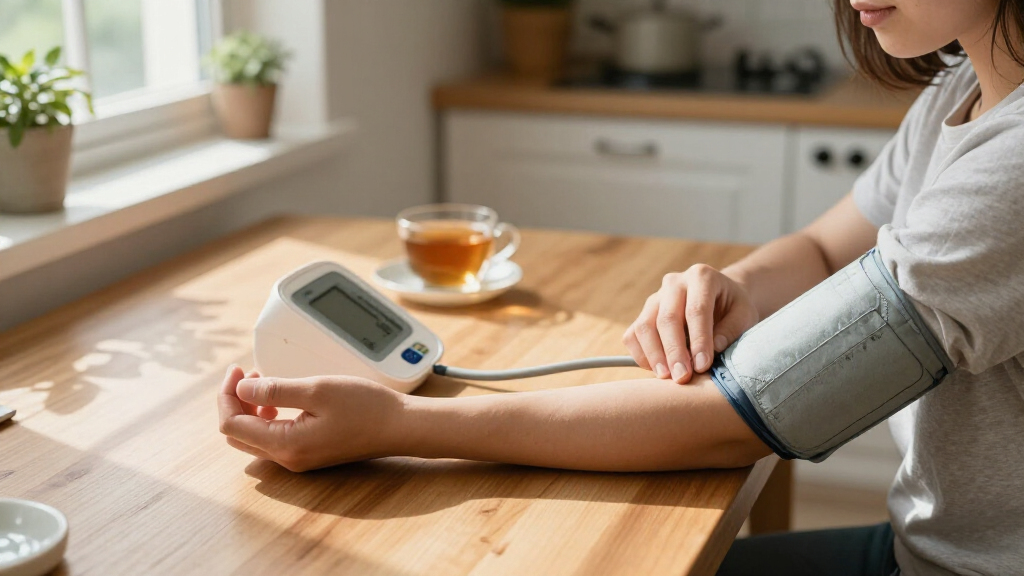
I ranked these 14 monitors around four factors that actually change what a reading is worth. Accuracy and validation came first: monitors backed by clinical validation or a trusted manufacturer’s calibration standards placed higher, because a cheap monitor that reads 10 points off is worse than no monitor at all. Cuff design and fit range came second — the wider the supported arm circumference and the easier the cuff is to position solo, the better the score. Data and memory features separated the mid-tier from the top: multi-user storage, averaging modes, irregular-heartbeat detection, and app syncing matter enormously for anyone tracking trends or sharing numbers with a doctor.
Finally, I weighed usability and value: one-button operation, display readability, included accessories like cases and adapters, and whether the price premium buys real capability or just a brand name. That’s why the OMRON Platinum leads despite its cost — its accuracy, app ecosystem, and dual-user storage justify the spend — while value picks like the Sinocare and Paramed rank high for doing the fundamentals well without inflated pricing. Generic no-name monitors landed lower not because they fail outright, but because their accuracy claims lack independent backing and their support ecosystems are thinner if something goes wrong.
| home blood pressure monitor | Connectivity |
|---|---|
| OMRON Evolv Wireless Blood Pre | Bluetooth to OMRON Connect app |
| Dario Gen-2 Blood Pressure Mon | Bluetooth |
| Paramed Blood Pressure Monitor | — |
| OMRON Gold Blood Pressure Moni | Bluetooth |
| iHealth Track Smart Upper Arm | Bluetooth 4.0 or higher |
| Blood Pressure Monitor | — |
| Oklar FDA Cleared Blood Pressu | — |
| Blood Pressure Monitor with Ad | — |
| Alcedo Blood Pressure Monitor | — |
| Omron Bronze Blood Pressure Mo | Bluetooth (Omron Connect app) |
| Sinocare Blood Pressure Monito | — |
| OMRON Platinum Blood Pressure | Bluetooth, compatible with Apple Health and Google Fit |
| OMRON Silver Blood Pressure Mo | Bluetooth |
| OMRON Upper Arm Blood Pressure | None — app-free design |
Factors to Consider When Choosing Home Blood Pressure Monitors
A blood pressure monitor is one of the few devices where buying wrong can actively mislead you about your health. Before picking from the list above, work through these factors — they explain most of the ranking decisions I made and most of the mistakes buyers regret.Validation Should Outweigh Price
The most expensive mistake in this category isn’t overspending — it’s trusting an unvalidated device. Look for monitors that are FDA cleared or validated against established clinical protocols, because accuracy is not guaranteed just because a box claims it. In this comparison, the OMRON lineup’s clinical validation is a major reason it dominates the top spots despite costing more. Budget monitors can read accurately, but without validation you have no way to confirm it, and errors of 5–10 mmHg are common on poorly calibrated cuffs. If a doctor is using your home numbers to adjust medication, validated accuracy isn’t a luxury feature — it’s the whole point of the purchase.
Measure Your Arm Before You Buy
Cuff size causes more bad readings than any device defect. A cuff that’s too small artificially inflates your numbers; one that’s too large can understate them. Measure your upper arm circumference with a soft tape and compare it to the cuff’s stated range before ordering anything — the Sinocare’s 8.6–16.5 inch range, for example, covers far more households than tighter cuffs on some compact models. People with larger arms often need to step up to a wide-range cuff like the iHealth Track’s rather than forcing a standard one. This single step eliminates the most common reason buyers return monitors or distrust their readings.
Decide Whether App Syncing Actually Helps You
Connected monitors like the OMRON Platinum, Evolv, and Dario Gen-2 upload readings to an app, which sounds great — but only pays off if you’ll use it. If you log numbers for a doctor’s visit twice a year, a large display and printed logbook may serve you just as well for less money. App syncing earns its premium when you’re tracking trends over months, sharing data remotely with a care team, or managing medication changes. Also check whether the app requires account setup and whether it works with your phone’s operating system, because a great app on the wrong platform is a dead feature. Don’t pay for connectivity you won’t open.
Upper Arm Beats Wrist and Finger for Home Use
Every monitor in this roundup uses an upper arm cuff, and that’s intentional — upper arm devices are the standard clinical blood pressure measurement agrees with, while wrist and finger monitors are far more sensitive to body position. If you see a cheap wrist model elsewhere and are tempted, know that readings drift unless your wrist sits exactly at heart level, which most people get wrong. The exception is people with very large upper arms or certain medical conditions where arm measurement is impractical; in that case a validated wrist model used consistently is better than skipping monitoring. For everyone else, upper arm cuffs paired with proper arm support give the most trustworthy numbers.
Multi-User Memory Matters More Than You Expect
Many buyers plan for one user and discover a spouse or parent wants the same device within a month. Monitors with dual-user memory — like the Sinocare, OMRON Gold, and Platinum — keep readings in separate profiles, so trends stay clean per person. Sharing a single memory bank turns two people’s data into meaningless averages. Some higher-end models even average the last three readings automatically, which smooths out the natural variation that makes single readings misleading. If there’s any chance of a second user, spending slightly more for separated memory now is cheaper than buying a second device later.
Technique Ruins Good Monitors
Even the Platinum will produce junk numbers if you measure wrong, so budget for good habits, not just good hardware. Sit still with back support for five minutes before measuring, keep your feet flat, rest your arm at heart level on a table, and avoid caffeine, exercise, or talking during the reading. Take two readings a minute apart and average them, ideally at the same time daily. Monitors with positioning indicators and body-movement detection — features the top OMRON models include — help catch these errors, which is part of why they rank higher. The device is only half the equation; consistent technique is what makes home data medically useful.
Frequently Asked Questions
Are OMRON monitors worth the extra cost over budget brands like Paramed or Alcedo?
For most buyers tracking blood pressure for medical reasons, yes — OMRON’s clinically validated accuracy, better build quality, and stronger warranty support justify the premium, especially when a doctor is making medication decisions from your numbers. That said, budget monitors have a legitimate place: if you want occasional spot checks, a second device for travel, or you’re budget-constrained, models like the Paramed and Alcedo deliver the core function with one-button simplicity and dual-user memory. The gap is in validation confidence and long-term consistency rather than basic functionality. If accuracy uncertainty would make you second-guess every reading, spend the extra money; if you’d treat any single reading as approximate anyway, the budget tier is defensible.
Can I use one home monitor for two people in my household?
Yes, as long as the monitor has separate user memory profiles — which the Sinocare, OMRON Gold, OMRON Platinum, and several others in this lineup offer. Without divided memory, two people’s readings pool together and any averaging or trend feature becomes useless, since the device can’t tell whose numbers it’s tracking. Beyond memory, make sure the cuff fits both users’ arm sizes, because a cuff sized for one person may read incorrectly on another. If both users have very different arm circumferences, a wide-range cuff model like the iHealth Track or an adjustable cuff spanning roughly 9 to 17 inches is the safer shared choice. Sharing one well-fitted, dual-profile monitor beats owning two cheap ones.
How often should I replace or recalibrate a home blood pressure monitor?
Most manufacturers recommend a accuracy check roughly every one to two years, either through the manufacturer’s service process or by comparing readings against a validated device at your doctor’s office — bring your monitor to an appointment and take a reading right after the nurse does. Cuffs wear out faster than the electronics: if the cuff loses elasticity, develops cracks, or the velcro stops gripping, replace it, since a worn cuff causes inaccurate readings even on a perfectly calibrated unit. Batteries fading mid-measurement can also skew results, so use fresh batteries or the AC adapter when available. If your monitor suddenly gives readings inconsistent with how you feel, drops readings, or shows error codes repeatedly, stop trusting it and get it checked rather than assuming the machine knows best.
Is a wireless, tubeless monitor like the OMRON Evolv better than a standard cuff-and-tube design?
Tubeless designs shine for portability and one-piece convenience — there’s no tube to tangle and the whole unit fits in a bag, which is why the Evolv stands out for frequent travelers. But the classic cuff-and-console design still has real advantages: the console stays at reading height so you don’t move your arm to see the display, cuffs are cheaper and easier to replace, and models like the Platinum store more readings and support an AC adapter. Tubeless monitors also position the entire motor and display on your arm, which some people find bulky during measurement. Choose tubeless if portability is your priority; choose a traditional design if you value display visibility, expandable memory, and lower long-term accessory costs.
Why do my home readings differ from the ones at my doctor’s office?
Differences of 5–10 mmHg are normal and usually not a device fault. Many people experience ‘white coat effect,’ where anxiety in a clinical setting raises readings, so home numbers are often actually lower and more representative of your daily health. Technique differences compound this: at home you should be seated, rested for five minutes, silent, with your arm supported at heart level — conditions a rushed office visit rarely replicates. To verify your monitor itself, take it to an appointment and compare back-to-back readings; a consistent small offset can be noted for your doctor. If readings swing wildly between devices or between sessions under identical conditions, that points to a cuff fit problem or a monitor needing service rather than normal variation.
Conclusion
The right pick here depends entirely on how you’ll use the device. For best overall, the OMRON Platinum is the clear leader — validated accuracy, dual-user memory, app syncing, and high-contrast display make it the safest long-term investment for anyone tracking blood pressure seriously. For best value, the Sinocare and Paramed deliver one-button operation, dual-user memory, and wide cuff range without the premium price, ideal for buyers who want dependable readings and nothing more. The best premium pick for travelers is the OMRON Evolv, whose tubeless all-in-one design trades memory capacity for unmatched portability.
For beginners and seniors, the OMRON Bronze and the Oklar keep things simple with large displays and straightforward operation, while the iHealth Track suits shared households thanks to its wide-range cuff. Tech-comfortable users who want app tracking at a midrange price should look at the Dario Gen-2 or the OMRON Gold for its averaging modes. Whatever you choose, measure your arm first, sit correctly, and bring the monitor to your next appointment to confirm accuracy — the device is only as good as the habits around it.
Fall Picks
fall essentials
As an affiliate, we earn on qualifying purchases.