The best natural food colorings depend on whether you want easy-to-use liquid, concentrated powder, or a single shade for a specific recipe. My best overall pick is Color Kitchen Natural Food Coloring Powder, whose six-color vegan set offers broad color options in a format that adds less liquid to recipes. India Tree Nature’s Colors is a straightforward liquid-set alternative, while Supernatural Dye-Free Powders suit bakers who prefer powdered color. The main tradeoffs are color intensity, how much a coloring changes a recipe’s moisture or flavor, and whether a set includes shades you will use. Read on for the full breakdown of all 14 options and how I’d match them to different baking needs.

Get health and wellness essentials delivered free with Prime
- Fast, free delivery on millions of items
- Prime Video, Amazon Music and more included
- Member-only deals all year
Key Takeaways
- Color Kitchen’s six-color powder set is the strongest all-rounder in this lineup for buyers seeking multiple shades without adding liquid to a batter or icing.
- Liquid sets such as India Tree and 365 by Whole Foods Market are easier to portion into familiar recipes, but their color range and concentration differ from powdered options.
- Powders and gels serve different jobs: powders limit added moisture, while gel formats are more convenient when you want a thicker colorant for icing or decorating.
- Single-color products make sense for a planned shade. The beet powders from Nutricost and Suncore Foods, blue spirulina powder, and Chefmaster yellow avoid buying a full set for one color.
- More colors do not automatically mean more value. A 15- or 16-color set may suit frequent decorators, while occasional bakers may get more use from a focused three- or four-color set.
| Sweets Indeed Dye-Free Christmas Food Coloring, 3 Colors |  | Best for Holiday Baking | Colors: Red, green, and yellow | Coloring ingredients: Turmeric, spirulina extract, beta-carotene, and carmine | Bottle type: Squeeze bottles with droppers | VIEW LATEST PRICE | See Our Full Breakdown |
| Natural Food Coloring Set – 15 Vibrant Colors, Food-Grade, Non-GMO, Dye-Free Liquid Food Dye for Baking and Decorating |  | Best for Color Variety | Number of colors: 15 | Bottle size: 10 ml (0.35 fl oz) each | Formula claims: Natural, non-GMO, free from FD&C and artificial dyes | VIEW LATEST PRICE | See Our Full Breakdown |
| India Tree Nature’s Colors Plant-Based Liquid Food Coloring Set, 3 Bottles |  | Best for Plant-Based Primary Colors | Colors: Red, yellow, and blue | Coloring ingredients: Turmeric, beet, and spirulina | Bottle count: 3 | VIEW LATEST PRICE | See Our Full Breakdown |
| Supernatural Dye-Free Food Coloring Powders, 4-Pack |  | Best for Heat-Resistant Baking | Set size: 4 packets | Colors: Red, yellow, orange, and Magic Blackberry | Form: Powder | VIEW LATEST PRICE | See Our Full Breakdown |
| 365 by Whole Foods Market Plant-Based Food Coloring Set, 4 Colors, 0.3 fl oz Each |  | Best for Everyday Plant-Based Basics | Colors: Red, yellow, green, and blue | Volume per color: 0.3 fl oz | Total volume: 1.2 fl oz | VIEW LATEST PRICE | See Our Full Breakdown |
| Organic Blue Spirulina Powder, Dye-Free Natural Food Coloring for Baking |  | Best for Vivid Blue, No-Bake Recipes | Ingredients: 100% pure spirulina extract | Certification: USDA Organic | Form: Powder | VIEW LATEST PRICE | See Our Full Breakdown |
| Color Kitchen Natural Food Coloring Powder, 6-Color Vegan Rainbow Set |  | Best Multi-Color Powder Set | Colors: Blue, pink, red, yellow, orange, and green | Form: Powder | Ingredients: Plant-derived | VIEW LATEST PRICE | See Our Full Breakdown |
| Nutricost Pink Plant-Based Food Coloring from Organic Beet Root Powder |  | Best Single-Color Beet Option | Color: Pink | Source: Organic beet root powder | Servings per container: 60 | VIEW LATEST PRICE | See Our Full Breakdown |
| ENCO Natural Food Coloring Gel, Red, 1.41 oz (40 g) |  | Best for Precise Red Decorating | Color: Red | Net weight: 1.41 oz (40 g) | Format: Concentrated gel | VIEW LATEST PRICE | See Our Full Breakdown |
| Natural Food Coloring Set, 7 Colors, 6 ml Each, Dye-Free |  | Best for Heat-Ready Color Variety | Colors: Red, pink, orange, yellow, green, blue, and purple | Number of colors: 7 | Volume: 6 ml each | VIEW LATEST PRICE | See Our Full Breakdown |
| Pixie Dust Natural Food Coloring Powder Set, Red, Yellow, Blue and Green |  | Best for Flavor-Neutral Decorating | Colors: Red, yellow, blue, and green | Amount per jar: 0.17 oz (5 g) | Ingredients: Turmeric, spirulina, paprika, and vegetable juice | VIEW LATEST PRICE | See Our Full Breakdown |
| Chefmaster Plant-Based Yellow Food Color Powder, 4 oz |  | Best Single-Color Bulk Pick | Brand: Chefmaster | Color: Yellow | Weight: 4 oz | VIEW LATEST PRICE | See Our Full Breakdown |
| 16-Color Plant-Based Natural Food Coloring Gel |  | Best for Color Variety | Number of colors: 16 | Volume per bottle: 6 ml | Color source: Fruit, vegetable, and plant extracts | VIEW LATEST PRICE | See Our Full Breakdown |
| Suncore Foods Organic Red Beet Powder, 5 oz |  | Best Single-Ingredient Red | Ingredient: Beets | Net weight: 5 oz | Dietary attributes: Organic, non-GMO, gluten-free, vegan, and plant-based | VIEW LATEST PRICE | See Our Full Breakdown |
| natural food coloring | Form | Colors |
|---|---|---|
| Sweets Indeed Dye-Free Christm | — | Red, green, and yellow |
| Natural Food Coloring Set | Liquid | — |
| India Tree Nature’s Colors Pla | — | Red, yellow, and blue |
| Supernatural Dye-Free Food Col | Powder | Red, yellow, orange, and Magic Blackberry |
| 365 by Whole Foods Market Plan | — | Red, yellow, green, and blue |
| Organic Blue Spirulina Powder | Powder | — |
| Color Kitchen Natural Food Col | Powder | Blue, pink, red, yellow, orange, and green |
| Nutricost Pink Plant-Based Foo | — | — |
| ENCO Natural Food Coloring Gel | — | — |
| Natural Food Coloring Set | Liquid | Red, pink, orange, yellow, green, blue, and purple |
| Pixie Dust Natural Food Colori | Water-soluble powder | Red, yellow, blue, and green |
| Chefmaster Plant-Based Yellow | Powder | — |
| 16-Color Plant-Based Natural F | — | — |
| Suncore Foods Organic Red Beet | Finely ground powder | — |
More Details on Our Top Picks
Sweets Indeed Dye-Free Christmas Food Coloring, 3 Colors
For seasonal decorating, red, green, and yellow cover the familiar Christmas palette without FD&C dyes. The squeeze bottles with droppers let you add color in small steps, which is useful when mixing frosting or cookie dough and trying to avoid overshooting a shade. Its ingredients include turmeric, spirulina extract, beta-carotene, and carmine; carmine means this set is not a fit for vegan bakers. Compared with India Tree Nature’s Colors, which offers red, yellow, and blue plant-based colors for mixing, Sweets Indeed trades blue for green and leans toward ready-to-use holiday decorating. Natural colors may look softer than synthetic ones, and deeper shades can take additional drops. Choose it for a focused seasonal palette, not an all-purpose rainbow set.
Pros:- Includes red and green for a seasonal decorating palette
- Uses turmeric, spirulina extract, beta-carotene, and carmine instead of FD&C dyes
- Dropper-style squeeze bottles allow gradual color adjustment
- Can be used in frosting, icing, dough, batter, and drinks
Cons:- Contains carmine, so it is not vegan
- Only three colors are included, with no blue
- Deeper shades may require gradual additions and can remain softer than synthetic colors
Best for: Home bakers decorating Christmas cookies, cupcakes, and frosting who want red and green ready to use.
Not ideal for: Vegan bakers, shoppers seeking blue or a broad everyday palette, and anyone who needs strong synthetic-dye-like shades.
- Colors:Red, green, and yellow
- Coloring ingredients:Turmeric, spirulina extract, beta-carotene, and carmine
- Bottle type:Squeeze bottles with droppers
- Suggested uses:Frosting, icing, glaze, cookie dough, cake batter, and drinks
- Dye claims:Made without artificial or FD&C dyes
- Coloring form:Liquid
Our verdict“Choose Sweets Indeed for dye-free Christmas treats when its focused palette and non-vegan formula suit your kitchen.”
Natural Food Coloring Set – 15 Vibrant Colors, Food-Grade, Non-GMO, Dye-Free Liquid Food Dye for Baking and Decorating
If you want many shades without mixing every color from primary bottles, this set’s 15 liquid colors make it the broadest palette among these five picks. The drop-by-drop squeeze bottles are suited to decorating frosting, fondant, icing, and cookies, while the listed formula claims to be FD&C- and artificial-dye-free and not to alter flavor. Compared with India Tree Nature’s Colors, which supplies three primary colors for custom mixing, this set favors convenience and ready-made variety. The tradeoff is portion size: each bottle holds only 10 ml, so frequent batches or large projects may run through a shade quickly. Its listed uses include DIY slime as well as food, so buyers should follow the product’s food-use directions for edible projects rather than treating every craft application as interchangeable.
Pros:- Fifteen shades offer more ready-made variety than the three-color sets
- Drop-by-drop squeeze bottles support controlled dosing
- Listed as free from FD&C and artificial dyes
- Described as fade-resistant and flavor-neutral
Cons:- Each bottle is only 10 ml, which may not cover large projects
- A broad palette means more separate bottles to store and manage
- The supplied product details do not identify the coloring ingredients
Best for: Home decorators who want a wide range of ready-made shades for small batches of frosting, fondant, and cookies.
Not ideal for: Bakers making large or frequent batches who need generous quantities of each color, or buyers who prefer mixing a few primary colors themselves.
- Number of colors:15
- Bottle size:10 ml (0.35 fl oz) each
- Formula claims:Natural, non-GMO, free from FD&C and artificial dyes
- Form:Liquid
- Application:Baking, cake decorating, frosting, icing, fondant, cookies, and DIY slime
- Dispensing:Squeeze bottles for drop-by-drop application
- Color performance claim:Described as fade-resistant and flavor-neutral
Our verdict“Pick this set for shade variety and small decorating jobs, but choose a larger-format option for high-volume baking.”
India Tree Nature’s Colors Plant-Based Liquid Food Coloring Set, 3 Bottles
India Tree is the clearest choice here for buyers who want three plant-based primary colors rather than a larger ready-made palette. Turmeric, beet, and spirulina provide yellow, red, and blue, and the dropper tops make gradual blending practical for batters, drinks, and frosting. Its vegan, non-GMO, and top-nine-allergen-free claims set it apart from Sweets Indeed, whose listed ingredients include carmine. The compromise is that green and other secondary shades require mixing, and each bottle is sized for home use rather than repeated large batches. Compared with the 15-color Natural Food Coloring Set, India Tree gives up convenience and shade count in exchange for a more clearly identified plant-based ingredient profile and primary-color mixing. It suits flexible home baking better than anyone seeking an instant, extensive decorating palette.
Pros:- Plant-based coloring ingredients include turmeric, beet, and spirulina
- Red, yellow, and blue support custom color mixing
- Listed as vegan, non-GMO, and free from the top nine allergens
- Dropper tops allow controlled additions to food and craft mixtures
Cons:- Only three colors are included, so secondary shades require mixing
- The 0.42 oz bottles are better suited to home use than large-scale baking
- Liquid coloring may be less convenient when a recipe calls for powder
Best for: Vegan home bakers and crafters who want plant-based red, yellow, and blue liquids they can combine into custom shades.
Not ideal for: Decorators who need many ready-made colors, or bakers who use large amounts of coloring for frequent production.
- Colors:Red, yellow, and blue
- Coloring ingredients:Turmeric, beet, and spirulina
- Bottle count:3
- Bottle size:0.42 oz each
- Total volume:1.265 oz
- Form and dispensing:Liquid with dropper tops
- Dietary and ingredient claims:Plant-based, vegan, non-GMO, and free from the top nine allergens
- Suggested uses:Baking, drinks, crafts, and DIY projects
Our verdict“Choose India Tree if plant-based ingredients and mixable primary colors matter more than a large ready-made palette.”
Supernatural Dye-Free Food Coloring Powders, 4-Pack
For recipes that go into the oven, Supernatural’s heat-resistant powder format has a practical advantage over liquid options such as India Tree Nature’s Colors: it is designed to retain color through baking, and the listing says each packet can color up to two cups of frosting, two cake layers, or 24 cupcakes. The set includes red, yellow, orange, and Magic Blackberry, giving it a distinctive choice beyond basic primary colors. It is also listed as vegan and certified kosher, with no artificial colors, preservatives, allergens, GMOs, or gluten. The tradeoff is a four-color palette and a powder that calls for careful dosing; softer shades can take a light hand. Magic Blackberry changes with the liquid used, so it offers experimentation rather than a guaranteed fixed shade.
Pros:- Heat-resistant powder is suited to baked recipes
- Concentrated packets can color multiple batches according to the stated yield
- Includes the distinctive Magic Blackberry shade alongside red, yellow, and orange
- Listed as vegan and certified kosher, with no artificial colors or preservatives
Cons:- Only four colors are included, with no blue or green
- Powder dosing requires care, especially when aiming for softer shades
- Magic Blackberry’s resulting color depends on the liquid used
Best for: Bakers coloring cakes, cupcakes, and frosting who want a concentrated powder designed to withstand heat.
Not ideal for: Shoppers who want a large set of predictable ready-to-use shades or prefer liquid droppers for easy incremental dosing.
- Set size:4 packets
- Colors:Red, yellow, orange, and Magic Blackberry
- Form:Powder
- Concentration claim:3x more concentrated than other brands
- Heat resistance:Heat-resistant
- Stated yield per packet:Up to 2 cups of frosting, 2 cake layers, or 24 cupcakes
- Dietary certifications:Vegan and certified kosher
- Free-from claims:No artificial colors, artificial preservatives, allergens, GMOs, or gluten
Our verdict“Choose Supernatural for concentrated, heat-resistant coloring in baked goods, provided its limited and sometimes variable palette fits your plans.”
365 by Whole Foods Market Plant-Based Food Coloring Set, 4 Colors, 0.3 fl oz Each
This set offers a straightforward everyday palette: red, yellow, green, and blue in four small bottles. Plant-based ingredients include radishes and turmeric, and the product is listed as vegan certified and gluten-free, making it a useful basic option for households that want coloring for both baking and crafts. Unlike India Tree Nature’s Colors, which provides three primary colors for custom mixing, 365 includes green directly; that saves a mixing step but leaves fewer details about its full ingredient blend in the supplied product information. The main handling quirk is simple but relevant: shake well before use. With 0.3 fl oz per color, this set is better matched to occasional home projects than repeated batches, while the 15-color Natural Food Coloring Set offers more shade variety for decorators who need it.
Pros:- Includes four useful colors, including green
- Plant-based coloring includes ingredients such as radishes and turmeric
- Listed as vegan certified and gluten-free
- Can be used for baking and crafts
Cons:- Each color comes in a small 0.3 fl oz bottle
- Needs shaking before use
- The supplied product details do not specify the full coloring ingredient list
Best for: Vegan households seeking a small, basic four-color set for occasional baking and crafts.
Not ideal for: Frequent bakers who need larger bottles, a wide range of shades, or coloring that needs no shaking before use.
- Colors:Red, yellow, green, and blue
- Volume per color:0.3 fl oz
- Total volume:1.2 fl oz
- Ingredients:Plant-based; includes radishes and turmeric
- Dietary features:Vegan certified and gluten-free
- Suggested uses:Baking and crafts
- Use instruction:Shake well before use
Our verdict“Choose 365 for occasional plant-based baking and crafts when four basic colors are enough and small bottles suit your usage.”
Organic Blue Spirulina Powder, Dye-Free Natural Food Coloring for Baking
For a distinctly sky-blue shade from a single plant-derived ingredient, this USDA Organic spirulina powder is a focused pick rather than an all-purpose coloring kit. A small suggested starting amount of 1/4 teaspoon lets you add color gradually to frosting, smoothies, drinks, and cooled batters. Unlike Color Kitchen’s six-color powder set, it supplies just one color, but that makes sense if blue is the shade you reach for most. The tradeoff is recipe sensitivity: high heat can compromise the color, while citrus and other acidic ingredients may shift it toward green. I’d choose it for no-bake decorating and drinks, not for blue cakes that need to retain their shade in the oven.
Pros:- USDA Organic powder made from 100% pure spirulina extract
- Adds vivid blue without artificial dyes or fillers
- Vegan and free from soy, dairy, gluten, and tree nuts
- Can be blended with other colors for green or lavender shades
Cons:- Color is heat-sensitive and is not suited to high-heat baking
- Acidic ingredients can shift the blue toward green
- Single-color pouch offers less range than Color Kitchen’s six-color set
Best for: Bakers and drink-makers who want a vivid blue plant-based color for frosting, smoothies, or no-bake recipes.
Not ideal for: Anyone coloring high-heat baked goods or acidic recipes where a stable blue shade matters.
- Ingredients:100% pure spirulina extract
- Certification:USDA Organic
- Form:Powder
- Net weight:1 oz
- Suggested starting amount:1/4 tsp (1 g)
- Approximate servings:30
- Dietary attributes:Vegan, non-GMO; free from soy, dairy, gluten, and tree nuts
- Use and storage:Add to cooled batters or no-bake recipes; store in a resealable pouch
Our verdict“Choose this powder for vivid blue in cool or no-bake recipes, but pick a heat-ready coloring for oven-baked goods.”
Color Kitchen Natural Food Coloring Powder, 6-Color Vegan Rainbow Set
Color Kitchen is the most flexible powder option in this group: its six plant-derived colors cover blue, pink, red, yellow, orange, and green, with blending available for custom shades. The concentrated powders can go into dry ingredients or prepared frosting, so this set suits bakers who like to mix color into a recipe before adding liquid. Compared with the single-color Nutricost beet powder, it gives far more color range; unlike the seven-color liquid set, though, it is a powder and may take more effort to incorporate if you prefer drops. The suggested packet-per-pint guidance may also be limiting for larger batches. I’d favor it for small-to-medium baking projects where color variety and a dry format are useful.
Pros:- Includes six colors that can be blended into custom shades
- Concentrated powder can be mixed into dry ingredients or prepared frosting
- Plant-derived coloring described as fade-resistant
- Vegan, gluten-free, soy-free, non-GMO, and kosher
Cons:- Powder may be less convenient to incorporate than liquid coloring
- One packet is suggested per pint, which may limit larger batches
- Provides fewer shades than the seven-color liquid set
Best for: Home bakers who want several plant-derived shades and prefer adding coloring to dry ingredients or frosting.
Not ideal for: Bakers who want quick liquid drops or need clearly specified guidance for coloring large batches.
- Colors:Blue, pink, red, yellow, orange, and green
- Form:Powder
- Ingredients:Plant-derived
- Pack size:6 colors
- Dietary attributes:Vegan, gluten-free, soy-free, non-GMO, and kosher
- Use:Baking and frosting
- Suggested amount:One packet per pint
Our verdict“Pick Color Kitchen if you want a versatile six-color powder set and are comfortable working with powdered color.”
Nutricost Pink Plant-Based Food Coloring from Organic Beet Root Powder
Nutricost keeps the formula and purpose simple: organic beet root powder supplies pink coloring for foods and beverages, with 60 servings listed per container. Compared with the ENCO red gel, this is a plant-powder choice rather than a concentrated gel intended for precise icing work; compared with Color Kitchen, it offers only one color. That limited range can be an advantage if pink is the shade you need and you want a straightforward ingredient source, but the product details leave buyers with important recipe questions unanswered. They do not specify serving size or how the color behaves across different foods, so I can’t recommend it for projects that require predictable shade strength. Its third-party testing and GMP-compliant manufacturing provide process details, not a guarantee of a particular color result.
Pros:- Pink color comes from organic beet root powder
- Suitable for foods and beverages
- Lists 60 servings per container
- Manufactured in a GMP-compliant facility and third-party tested
Cons:- Serving size is not specified
- Recipe-by-recipe color performance is not described
- Single pink shade offers less flexibility than Color Kitchen’s six-color set
Best for: Buyers seeking a single plant-based pink coloring for foods and drinks who are comfortable adjusting amounts to suit a recipe.
Not ideal for: Decorators who need precise color guidance, multiple shades, or a documented performance profile for specific recipes.
- Color:Pink
- Source:Organic beet root powder
- Servings per container:60
- Uses:Food and beverages
- Manufacturing:GMP-compliant facility
- Testing:Third-party tested
Our verdict“Choose Nutricost for a simple beet-based pink option, not when recipe-specific color results or a broader palette are priorities.”
ENCO Natural Food Coloring Gel, Red, 1.41 oz (40 g)
ENCO’s main advantage is format: a concentrated red gel gives decorators more control over color placement in icing, buttercream, and fondant than a loose powder such as Color Kitchen’s. It is made without artificial dyes or preservatives, and the listed 40 g tube is dedicated to red rather than a mixed-color assortment. That focus suits projects where you want to adjust one shade carefully; it is less useful if you want a palette in one purchase. The product description also cautions that spirulina-based blue and green shades may not hold up in baking, so this red gel is the more relevant choice for baked decorations. SQF-certified production is listed, while Kosher and Vegan status applies only to select colors, not necessarily this one.
Pros:- Concentrated gel allows measured color adjustment
- Made without artificial dyes or preservatives
- Suitable for icing, buttercream, fondant, and many baking applications
- Produced under SQF-certified production
Cons:- Only red is included, unlike Color Kitchen’s six-color set
- Kosher and Vegan certifications apply only to select colors
- The supplied details do not identify the red color source
Best for: Cake and cookie decorators who want concentrated red gel for controlled coloring of icing, buttercream, or fondant.
Not ideal for: Shoppers seeking a multi-color kit or relying on the Kosher or Vegan status of a specific color without verifying it.
- Color:Red
- Net weight:1.41 oz (40 g)
- Format:Concentrated gel
- Artificial dyes:None
- Preservatives:None
- Production:SQF-certified production
- Certifications:Kosher and Vegan apply to select colors
Our verdict“Choose ENCO when precise red gel matters more than having several colors or a specified plant source.”
Natural Food Coloring Set, 7 Colors, 6 ml Each, Dye-Free
This set stands out for combining a seven-color palette with liquid format and pigments described as formulated to withstand oven heat. That makes it a practical contrast to Organic Blue Spirulina Powder, whose color is explicitly sensitive to high heat, and a more bake-focused alternative to powders that need to be worked into a recipe. The colors—red, pink, orange, yellow, green, blue, and purple—can be blended for custom shades across cakes, cookies, macarons, frosting, and fondant. The main compromise is bottle size: each color is 6 ml, so frequent bakers or large decorating projects may use up a shade quickly. The supplied details also do not identify the plant sources, so buyers seeking a named coloring ingredient should prefer a product such as Nutricost’s beet-root option.
Pros:- Includes seven blendable colors
- Liquid format suits baking and decorating
- Formulated to maintain color through mixing and oven heat
- Designed for cakes, frosting, fondant, cookies, and macarons
Cons:- Each color comes in a small 6 ml bottle
- Plant or pigment sources are not specified in the provided details
- Unlike Color Kitchen, it does not use a dry-powder format for mixing into dry ingredients
Best for: Bakers who want several dye-free liquid shades for oven-baked treats and decorating, including custom blended colors.
Not ideal for: Frequent bakers needing larger bottles or shoppers who want the coloring ingredients and sources specified.
- Colors:Red, pink, orange, yellow, green, blue, and purple
- Number of colors:7
- Volume:6 ml each
- Dye type:Free from artificial dyes
- Form:Liquid
- Uses:Baking and decorating
- Heat performance:Pigments formulated to withstand oven heat
Our verdict“Choose this set for a broad liquid palette intended for oven use, provided the small bottles fit your baking volume.”
Pixie Dust Natural Food Coloring Powder Set, Red, Yellow, Blue and Green
Pixie Dust is a practical pick for decorating foods where flavor neutrality matters. Its four plant-based powders dissolve in water, making them suited to frostings, creams, drinks, and edible paints without the liquid format of India Tree Nature’s Colors Plant-Based Liquid Food Coloring Set. The resealable jars also make it easier to keep unused powder on hand for occasional projects. The main tradeoff is heat sensitivity: this set is not recommended for high-heat baking, so it is a better match for coloring icing or finished treats than cake batter headed into the oven. Color may also take time to deepen; allowing colored cream to rest overnight can help. Choose it for flexible, flavorless decorating, but skip it if you need color that holds through baking.
Pros:- Four plant-based colors in water-soluble powder form
- Flavorless, so it is suited to delicate creams and drinks
- Resealable, reusable jars help store leftover powder
- Can be used for edible paint and craft projects
Cons:- Not recommended for high-heat baking
- Some colors may need time to deepen, including an overnight rest for cream
- Only four shades are included, fewer than the 16-color plant-based gel set
Best for: Home bakers who want four plant-based colors for frostings, drinks, creams, and edible paint, especially when keeping food flavor unchanged is a priority
Not ideal for: Bakers who need to color high-heat batters or want immediate, intense shades without resting time
- Colors:Red, yellow, blue, and green
- Amount per jar:0.17 oz (5 g)
- Ingredients:Turmeric, spirulina, paprika, and vegetable juice
- Form:Water-soluble powder
- Dietary attributes:Kosher certified, vegan, gluten-free, and non-GMO
- Suitable uses:Frostings, icings, creams, drinks, edible paint, and crafts
- High-heat baking:Not recommended
- Packaging:Resealable, reusable jars
Our verdict“Pick Pixie Dust for flavor-neutral coloring of frostings and drinks, not for batters that will face high oven heat.”
Chefmaster Plant-Based Yellow Food Color Powder, 4 oz
Chefmaster makes the most sense when yellow is the color you reach for repeatedly. Its 4-ounce powder format offers far more of one shade than the small, mixed-color Pixie Dust jars, so it suits regular frosting, latte, smoothie, or baking projects without using up a multi-color kit unevenly. Powder also gives cooks room to adjust intensity gradually. This is a focused pantry choice, not a rainbow solution: buyers who need several hues will get more variety from the 16-Color Plant-Based Natural Food Coloring Gel, though each of those bottles holds only 6 ml. Chefmaster is described as free of artificial dyes and preservatives and carries several dietary attributes. A lab spoon is recommended for precise transfer, adding a small extra step when measuring and controlling shade.
Pros:- Four-ounce quantity focused on one frequently used shade
- Powder format allows gradual adjustment of color intensity
- Suitable for batters, doughs, frostings, macarons, lattes, and smoothies
- Described as free of artificial dyes and preservatives, with vegan-friendly, gluten-free, kosher, and halal attributes
Cons:- Provides yellow only, unlike the multicolor Pixie Dust powder set
- A lab spoon is recommended for accurate transfer and shade control
- Ingredient description gives broad plant-derived sources rather than a single specific coloring ingredient
Best for: Bakers, drink makers, and small food businesses that use yellow coloring often and want a larger single-color supply
Not ideal for: Buyers who want a ready-made range of colors or prefer dispensing from a squeeze bottle rather than measuring powder
- Brand:Chefmaster
- Color:Yellow
- Weight:4 oz
- Form:Powder
- Ingredients:Plant-based; naturally derived from vegetable juices, spirulina, or spices
- Dietary attributes:Gluten-free, vegan-friendly, kosher-certified, and halal
- Artificial dyes and preservatives:None stated
- Made in:Fullerton, California, USA
Our verdict“Choose Chefmaster when you need a substantial supply of plant-based yellow powder, and choose a multicolor set if variety matters more.”
16-Color Plant-Based Natural Food Coloring Gel
This gel set is the broadest palette in this group, with 16 shades ready for mixing and decorating. That range makes it a better fit for bakers planning multicolor cookies, cakes, macarons, or edible crafts than Pixie Dust’s four-color powder set. The squeeze bottles have precision spouts, which can make controlled additions easier than measuring loose powder. The product is described as heat resistant and odorless, useful traits for baked goods where flavor or aroma changes are unwelcome. The compromise is quantity per shade: each bottle contains just 6 ml, so frequent users may run through a favored color quickly. Its plant-extract coloring also offers less ingredient specificity than Suncore Foods Organic Red Beet Powder, which names beets as its sole ingredient.
Pros:- Sixteen shades offer more variety than the four-color Pixie Dust set
- Colors can be blended to create additional shades
- Precision-spout squeeze bottles support controlled dispensing
- Described as heat resistant, odorless, and free of FD&C dyes
Cons:- Each bottle contains only 6 ml
- Color sources are described broadly as fruit, vegetable, and plant extracts
- No other uses beyond food and edible crafts are specified
Best for: Home decorators and bakers who want many shades in ready-to-dispense bottles for cakes, cookies, macarons, and edible crafts
Not ideal for: Frequent bakers who need a large supply of a few favorite colors or buyers seeking a single, clearly identified coloring ingredient
- Number of colors:16
- Volume per bottle:6 ml
- Color source:Fruit, vegetable, and plant extracts
- Artificial dyes:Free of FD&C and other artificial dyes
- Bottle design:Squeeze bottle with precision spout
- Other stated properties:Heat resistant and odorless
- Suitable uses:Macarons, cakes, cookies, frosting, ice cream, and edible crafts
Our verdict“Choose this set for broad color choice and easy dispensing, but look elsewhere if you need larger quantities of individual shades.”
Suncore Foods Organic Red Beet Powder, 5 oz
Suncore Foods is the clearest choice here for buyers who want red color from a named, single-source ingredient. The powder is made from beets, unlike the broader plant-extract blend described for the 16-Color Plant-Based Natural Food Coloring Gel. Its 5-ounce pouch can serve smoothies, beverages, desserts, and some baking projects, making it more versatile than a small bottle intended mainly for decorating. The ingredient list is also simple: no added colors, preservatives, sweeteners, or artificial ingredients are described. That simplicity brings a color tradeoff. Acidic ingredients may affect the final shade, and the powder needs gradual adjustment to reach the desired result. It is a focused red option rather than a multi-hue kit, so choose it for beet-based coloring, not quick access to a full palette.
Pros:- Red color comes from beets rather than a broadly described plant-extract blend
- Suitable for smoothies, baked goods, desserts, and beverages
- Made without added colors, preservatives, sweeteners, or artificial ingredients
- Resealable pouch supports storage between uses
Cons:- Acidic ingredients may alter the final color
- Color should be added gradually to reach the desired shade
- Offers red only, unlike the 16-color plant-based gel set
Best for: Smoothie makers and home bakers who want a plant-based red color from beet powder and prefer a short, clearly named ingredient source
Not ideal for: Decorators who need several colors in one package or cooks using acidic recipes where the final red shade may shift
- Ingredient:Beets
- Net weight:5 oz
- Dietary attributes:Organic, non-GMO, gluten-free, vegan, and plant-based
- Form:Finely ground powder
- Packaging:Resealable pouch
- Suitable uses:Smoothies, baked goods, desserts, and beverages
- Storage:Store in a cool, dry place away from direct sunlight
Our verdict“Pick Suncore Foods for versatile beet-based red coloring, but avoid it when you need a predictable shade in acidic recipes or a full color range.”
How We Picked
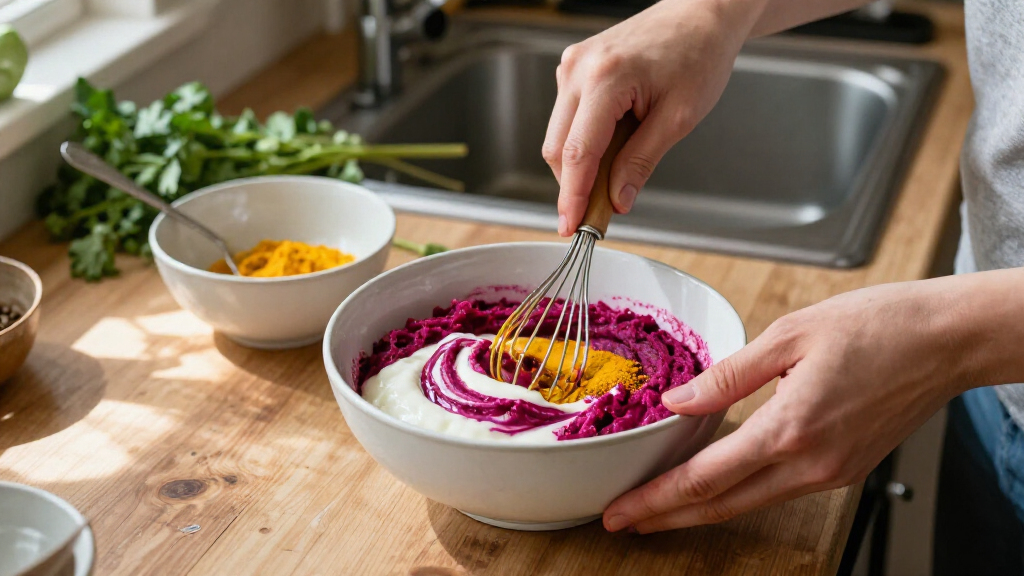
I compared the 14 products by the practical questions that shape a natural-coloring purchase: format and ease of dosing, the range of shades, suitability for common baking and decorating tasks, and how much the colorant could affect a recipe’s liquid balance. I also distinguished multi-color kits from single-shade powders and gels, since those serve different buying needs rather than competing on color count alone.
The ranking favors products with a useful balance of versatility and format-specific convenience, then places narrower picks where they are strongest: a particular color, a compact set, or a decorating use. Product names and listed formats inform this comparison; the roundup does not claim independent lab testing or guarantee identical results across recipes. Natural colors can vary with ingredients, acidity, heat, and the starting color of the food, so I treat broad color claims as a starting point rather than a promise of identical results.
| natural food coloring | Form |
|---|---|
| Sweets Indeed Dye-Free Christm | — |
| Natural Food Coloring Set | Liquid |
| India Tree Nature’s Colors Pla | — |
| Supernatural Dye-Free Food Col | Powder |
| 365 by Whole Foods Market Plan | — |
| Organic Blue Spirulina Powder | Powder |
| Color Kitchen Natural Food Col | Powder |
| Nutricost Pink Plant-Based Foo | — |
| ENCO Natural Food Coloring Gel | — |
| Natural Food Coloring Set | Liquid |
| Pixie Dust Natural Food Colori | Water-soluble powder |
| Chefmaster Plant-Based Yellow | Powder |
| 16-Color Plant-Based Natural F | — |
| Suncore Foods Organic Red Beet | Finely ground powder |
Factors to Consider When Choosing Best Natural Food Colorings
Before choosing a set, match its format and color range to the foods you actually make. Recipe compatibility and how you plan to apply the color can matter more than the number of shades on the label.
Choose a format that fits the recipe
Liquids are familiar and easy to stir into batters, drinks, and thinner icings, but each addition brings moisture with it. Powders can be useful in doughs, dry mixes, and recipes where extra liquid could change texture; they may need careful mixing to avoid visible flecks. Gels offer a thicker format suited to controlled coloring, especially for icing, though they may not behave like a liquid in every recipe. Do not swap formats spoon for spoon without checking the recipe’s consistency. If a recipe is sensitive to hydration, start with a small amount and adjust the other liquid only when needed. For occasional use across many recipe types, a set that includes the format you reach for most often is usually more useful than a bigger assortment in the wrong form.
Decide whether you need a set or one shade
A large color assortment can be handy for themed cookies, layered cakes, and frequent decorating, but unused shades can sit in the cupboard. A small set is often a better fit for routine baking, particularly if you mainly tint frosting or cake batter. Single-color products make sense when a recipe calls for one recurring shade, such as beet-based pink or red, blue spirulina, or yellow powder. Check whether you can combine the included colors to make the shades you use; a short set can stretch further if its primary colors are versatile. Avoid choosing by color count alone, since the practical value depends on the amount supplied and how often you bake. Match the set to your usual projects rather than the most elaborate project you might make once.
Plan for recipe color and flavor
Natural colorants come from ingredients that can contribute their own flavor, aroma, or tint to a finished food. A subtle shade in vanilla frosting may be easy to achieve, while a vivid color in a pale cake can require more colorant and may make the source ingredient more noticeable. Strongly flavored recipes, such as chocolate or spiced baking, can mask some flavor changes better than delicate recipes. The recipe’s acidity and heat can also affect how a color appears, so the same shade may look different in frosting, batter, and a baked crumb. Test a small portion before coloring an entire batch, especially for a special event. If taste neutrality matters most, compare the ingredient list and try the product in the specific food you plan to serve.
Set expectations for intensity and color matching
Natural food colorings may produce softer or less predictable shades than synthetic dyes, and different products can vary even when their labels name the same color. A display image cannot account for the recipe’s base color, lighting, or cooking conditions. Begin with a small dose, mix thoroughly, and allow the color to settle before adding more. For frosting or dough, check the shade in the finished mixture rather than judging the color in the container. If exact color matching matters for a celebration cake, allow time for a small test batch and keep a written note of your amounts. Buyers who need a precise, saturated shade should favor a format designed for controlled dosing and accept that the recipe may need adjustment.
Check quantity, storage, and how often you bake
The most useful pack is not always the one with the most shades: it is the one you can use before the colorants lose quality. Compare the quantity per color and the storage instructions, especially when a set contains many small containers. Powders may be convenient for keeping added moisture low, but they still need dry storage and careful handling. Liquids and gels should be closed securely and stored as directed on the packaging. If you bake only a few times a year, a focused set or one single-color option may reduce waste. Frequent decorators can justify a broader range when they will use multiple shades across regular projects.
Read ingredient claims with your own needs in mind
Terms such as plant-based, dye-free, organic, and non-GMO describe different product attributes; they do not all mean the same thing or guarantee a particular color result. If you have an allergy, dietary restriction, or ingredient preference, read the full ingredient and allergen information on the package rather than relying on the product title. Check whether a color comes from a named ingredient such as beet or spirulina if you want to avoid a particular source. Also review preparation and storage guidance, since product formats can call for different handling. A natural label alone does not tell you how a colorant performs in a specific recipe. Choose based on the ingredient details that matter to you and the food you plan to make.
Frequently Asked Questions
Which format should I choose for frosting: liquid, powder, or gel?
For thin glazes or frosting that can tolerate added liquid, a liquid colorant is simple to portion and mix. Powder is a better starting point when you want to limit extra moisture, though it may need thorough blending to avoid specks. Gel’s thicker texture can suit controlled coloring in icing, but recipes differ in how readily it incorporates. Match the format to the frosting’s consistency and start with a small amount. If you are decorating for an event, make a small test portion first so you can check both shade and texture.
Can natural food coloring make a bright shade in cake batter?
It can, but the result depends on the colorant, batter ingredients, baking conditions, and the shade you want. Many natural options produce softer colors, and heat can change how a shade looks after baking. A darker batter can also hide colors that show clearly in white frosting. Test the coloring in the recipe itself rather than relying on its appearance in a spoon or package image. If the exact shade matters, leave time to adjust the amount or choose a recipe whose base color works with the colorant.
Is a large multi-color set a better buy than a single-color powder?
A broad set is useful if you regularly decorate cookies, cakes, or themed treats that call for several shades. For a recipe you make repeatedly in one color, a single-color powder may be more practical and leaves fewer unused containers. The lineup includes both approaches, from many-color sets to focused beet, blue spirulina, and yellow options. Compare the amount provided per shade and your likely use, not just the total number of colors. If you are unsure, a compact set can be a sensible way to learn which colors you reach for most.
Will beet-based coloring make my food taste like beets?
It may contribute some flavor, but how noticeable it is depends on the amount used and the recipe. Sweet or strongly flavored foods can mask a source ingredient more readily than delicate frostings or light cakes. Beet powders such as the options in this roundup are best tested in the specific food you plan to color. Mix a small sample and taste it before using the same amount in a full batch. If a source flavor would be unwelcome, compare products made from different plant ingredients and check their ingredient lists.
How can I choose natural coloring for a recipe with strict texture requirements?
Start by identifying how much extra liquid the recipe can handle. A powder avoids adding the same kind of liquid volume as a liquid colorant, while a gel provides a thicker format that may be easier to control in some icings. Neither format guarantees an unchanged texture, since the amount used and how it disperses matter too. Add color gradually, mix thoroughly, and assess a small portion before changing the whole batch. For recipes such as macarons or delicate doughs, a test run is safer than making an untested substitution for a special occasion.
Conclusion
For most buyers, I recommend Color Kitchen Natural Food Coloring Powder as the best overall choice in this lineup because its six-color set balances variety with a powder format that avoids adding liquid. For a value-minded baker who wants a compact, familiar option, 365 by Whole Foods Market Plant-Based Food Coloring Set is a sensible place to start. Beginners who prefer liquid coloring can look to India Tree Nature’s Colors for a straightforward three-bottle set, while frequent decorators may prefer a broader assortment such as the 15-color liquid set or 16-color gel set. For a focused need, choose Nutricost or Suncore beet powder for red or pink tones, Organic Blue Spirulina Powder for blue, or Chefmaster Plant-Based Yellow Powder for yellow. My premium-style pick for shoppers prioritizing a specialized powdered format is Supernatural Dye-Free Food Coloring Powders; compare the set’s shades and serving needs with Color Kitchen before choosing. Whichever option fits, test it in your recipe first: natural color and flavor can shift with the food, heat, and amount used.