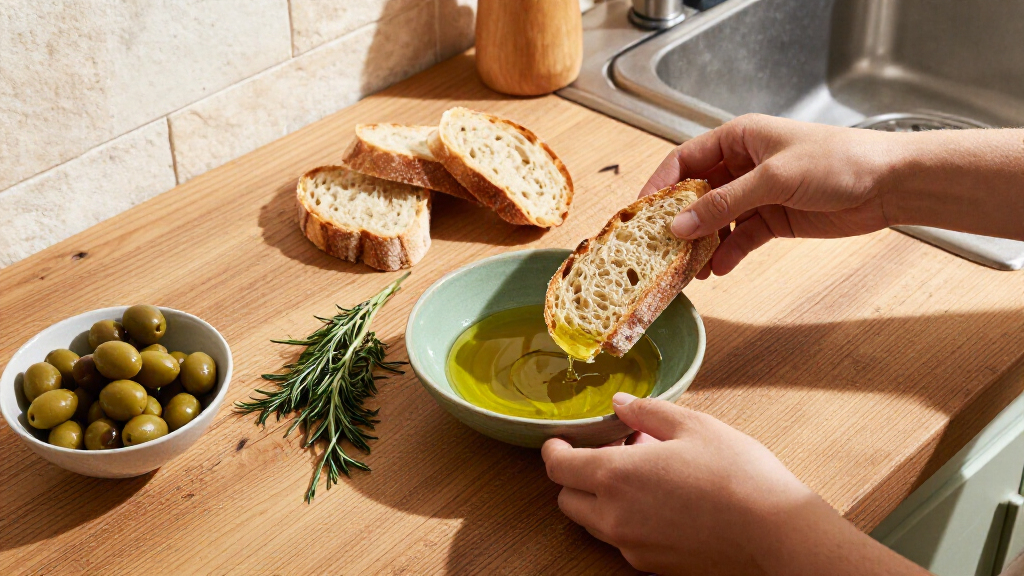

For cooks seeking the best olive oils, my top overall choice is P.J. KABOS 2025/26 Harvest Greek Extra Virgin Olive Oil, which pairs a recent harvest with organic certification and a practical glass bottle. Atlas Organic Moroccan EVOO stands out for shoppers drawn to high-polyphenol positioning and a larger bottle, while Bertolli offers a familiar, larger-format choice for everyday cooking. The main tradeoffs are freshness and provenance versus bottle size, flavor intensity, and how often you will use the oil. A bold early-harvest oil can shine as a finishing drizzle but may be less versatile for mild dishes. Continue reading for the full breakdown, buying advice, and recommendations by kitchen need.

Get health and wellness essentials delivered free with Prime
- Fast, free delivery on millions of items
- Prime Video, Amazon Music and more included
- Member-only deals all year
Key Takeaways
- P.J. KABOS leads the roundup for the combination of a stated 2025/26 harvest, organic certification, Greek origin, and manageable bottle size.
- Origin and harvest details distinguish the specialty picks: options such as Frescobaldi Laudemio, BONO Val di Mazara PDO, and Partanna identify regional or cultivar cues that can help shoppers choose a more specific flavor profile.
- Large formats favor frequent users, not everyone: Atlas, Lyrakis Family, Frantoia, and Mr. Papou’s provide more oil per container, but a large bottle can be a poor fit if it will sit open for months.
- High-polyphenol claims and early-harvest labeling signal a style, not a universal quality guarantee: Virgeen and Entimio appeal to shoppers seeking those attributes, while taste, freshness, and storage still matter.
- The lineup spans distinct kitchen roles: Graza Sizzle is positioned for cooking, while smaller specialty bottles such as Primo and Zahara are better suited to shoppers prioritizing origin and finishing potential over bulk volume.
| P.J. KABOS 2025/26 Harvest USDA Organic Greek Extra Virgin Olive Oil, 16.9 oz Glass Bottle |  | Best for High-Phenolic Intensity | Origin: Greece | Harvest: September/October 2025 (2025/26 harvest) | Extraction: Cold extracted | VIEW LATEST PRICE | See Our Full Breakdown |
| Frantoi Cutrera Primo Italian Extra Virgin Olive Oil |  | Best for Complex Sicilian Flavor | Origin: Chiaramonte Gulfi, Sicily, Italy | Olive variety: Tonda Iblea | Volume: 25.4 fl oz | VIEW LATEST PRICE | See Our Full Breakdown |
| Atlas Organic Moroccan Extra Virgin Olive Oil, High Polyphenol, 1 L |  | Best Versatile Everyday Pick | Origin: Morocco | Type: Organic extra virgin olive oil | Size: 1 L | VIEW LATEST PRICE | See Our Full Breakdown |
| BONO Organic Sicilian PDO Val di Mazara Extra Virgin Olive Oil, 16.9 oz |  | Best for Certified Regional Provenance | Origin: Val di Mazara, Sicily, Italy | Volume: 16.9 oz | Certifications: USDA Organic, Non-GMO Project Verified, PDO Certified, Clean Label Project Purity Award | VIEW LATEST PRICE | See Our Full Breakdown |
| Frescobaldi Laudemio Extra Virgin Olive Oil, 16.9 fl oz (500 ml) |  | Best Tuscan Finishing Oil | Origin: Tuscany, Italy | Volume: 16.9 fl oz (500 ml) | Olive harvest: Early harvest | VIEW LATEST PRICE | See Our Full Breakdown |
| Les Terroirs de Marrakech Organic Extra Virgin Olive Oil, 17 fl oz |  | Best for Robust Moroccan Flavor | Volume: 17 fl oz | Type: Organic extra virgin olive oil | Processing: Cold-pressed | VIEW LATEST PRICE | See Our Full Breakdown |
| Oleificio Guccione Zahara Sicilian Extra Virgin Olive Oil, 16.9 oz |  | Best Single-Variety Sicilian Pick | Volume: 16.9 oz | Origin: Chiaramonte Gulfi, Sicily, Italy | Olive variety: Tonda Iblea | VIEW LATEST PRICE | See Our Full Breakdown |
| Bertolli Extra Virgin Olive Oil, Rich Taste, First Cold Pressed, 32 fl oz |  | Best for Everyday Cooking | Volume: 32 fl oz | Type: Extra virgin olive oil | Process: First cold pressed | VIEW LATEST PRICE | See Our Full Breakdown |
| Partanna Robust Extra Virgin Olive Oil, Castelvetrano Olives, 16.9 oz Tin |  | Best Buttery Sicilian All-Rounder | Volume: 16.9 oz (500 ml) | Type: Extra virgin olive oil | Origin: Trapani, Sicily, Italy | VIEW LATEST PRICE | See Our Full Breakdown |
| Lyrakis Family Greek Extra Virgin Olive Oil, 1 L |  | Best Large-Format Greek Tin | Volume: 33.8 fl oz (1 L) | Origin: Lasithi, Crete, Greece | Olive variety: Koroneiki | VIEW LATEST PRICE | See Our Full Breakdown |
| Frantoia Sicilian Extra Virgin Olive Oil, 1 Liter |  | Best for Versatile Sicilian Flavor | Volume: 1 liter (33.8 fl oz) | Origin: Sicily, Italy | Olive varieties: Biancolilla, Nocellara del Belice, Cerasuola | VIEW LATEST PRICE | See Our Full Breakdown |
| Mr. Papou’s Family-Owned Greek Extra Virgin Olive Oil, 3 L (101.4 oz) |  | Best Bulk Pick | Type: Extra virgin olive oil | Origin: Greece | Volume: 3 L (101.4 oz) | VIEW LATEST PRICE | See Our Full Breakdown |
| Entimio Intenso Organic Italian Extra Virgin Olive Oil, Early Harvest, 16.9 fl oz |  | Best for Peppery, High-Polyphenol Flavor | Origin: Puglia, Italy | Volume: 16.9 fl oz | Harvest: October 2025 | VIEW LATEST PRICE | See Our Full Breakdown |
| Graza Sizzle Extra Virgin Olive Oil, 750 mL |  | Best for Everyday Cooking | Product type: Extra virgin olive oil | Volume: 750 mL (25.3 fl oz) | Origin: Spain | VIEW LATEST PRICE | See Our Full Breakdown |
| Virgeen Extra Virgin Olive Oil, Cold-Pressed Italian EVOO, 522 mg/kg Polyphenols |  | Best Small-Batch Tuscan Drizzling Oil | Origin: Tuscany, Italy | Type: Extra virgin olive oil | Processing: Unrefined, cold-pressed within four hours of harvest | VIEW LATEST PRICE | See Our Full Breakdown |
| olive oil | Origin | Volume | Processing | Flavor |
|---|---|---|---|---|
| P.J. KABOS 2025/26 Harvest USD | Greece | — | — | — |
| Frantoi Cutrera Primo Italian | Chiaramonte Gulfi, Sicily, Italy | 25.4 fl oz | — | — |
| Atlas Organic Moroccan Extra V | Morocco | — | Cold-pressed, single pressing | — |
| BONO Organic Sicilian PDO Val | Val di Mazara, Sicily, Italy | 16.9 oz | — | — |
| Frescobaldi Laudemio Extra Vir | Tuscany, Italy | 16.9 fl oz (500 ml) | Cold-pressed within hours | Fruity and peppery |
| Les Terroirs de Marrakech Orga | Near Marrakech, Morocco | 17 fl oz | Cold-pressed | — |
| Oleificio Guccione Zahara Sici | Chiaramonte Gulfi, Sicily, Italy | 16.9 oz | Cold-pressed within hours of harvest | Grassy and herbal, with a peppery finish |
| Bertolli Extra Virgin Olive Oi | — | 32 fl oz | — | Rich, full-bodied, and fruity |
| Partanna Robust Extra Virgin O | Trapani, Sicily, Italy | 16.9 oz (500 ml) | Cold-pressed within four hours of harvest | Buttery with a light peppery finish |
| Lyrakis Family Greek Extra Vir | Lasithi, Crete, Greece | 33.8 fl oz (1 L) | Cold-pressed by mechanical means below 80.6°F (27°C) | Fresh and fruity with a light peppery finish |
| Frantoia Sicilian Extra Virgin | Sicily, Italy | 1 liter (33.8 fl oz) | Cold-pressed within 24 hours of harvest | Fruity and gently sweet, with a delicate almond finish |
| Mr. Papou’s Family-Owned Greek | Greece | 3 L (101.4 oz) | First cold-pressed | Smooth and fresh |
| Entimio Intenso Organic Italia | Puglia, Italy | 16.9 fl oz | — | Peppery and bitter, with green almond, artichoke, and tomato notes |
| Graza Sizzle Extra Virgin Oliv | Spain | 750 mL (25.3 fl oz) | Cold-pressed | Mellow |
| Virgeen Extra Virgin Olive Oil | Tuscany, Italy | — | Unrefined, cold-pressed within four hours of harvest | — |
More Details on Our Top Picks
P.J. KABOS 2025/26 Harvest USDA Organic Greek Extra Virgin Olive Oil, 16.9 oz Glass Bottle
P.J. KABOS is the most assertive choice here, with a reported 900+ mg/kg phenolic content by HPLC and a highly bitter, pungent taste. That profile suits shoppers who actively want a forceful, peppery oil rather than a mild everyday pour. Its fresh September/October 2025 harvest, cold extraction, and air shipment from Greece give buyers clear details about harvest and handling; USDA Organic and Kosher certifications add useful production markers. Compared with Atlas Organic Moroccan Extra Virgin Olive Oil, which is described with softer notes such as banana and almond, P.J. KABOS is much less suited to delicate dishes. The tradeoff is palate appeal: its intensity can dominate food, and its compact 16.9-ounce bottle may not suit households that use olive oil generously.
Pros:- Reports 900+ mg/kg phenolic content by HPLC and 1400+ mg/kg by NMR
- September/October 2025 harvest with cold extraction
- USDA Organic and Kosher certified
- Air-shipped from Greece to the USA
Cons:- Highly bitter and pungent flavor may overwhelm mild dishes or palates
- The 16.9-ounce bottle offers less volume than Atlas Organic’s 1-liter format
- Reported phenolic figures do not make it a versatile substitute for a milder finishing oil
Best for: Shoppers seeking a strongly bitter, pungent Greek oil and those who prioritize reported phenolic figures, organic certification, and a recent harvest.
Not ideal for: People who prefer mild, buttery oils or want one neutral-tasting bottle for delicate foods and broad everyday use.
- Origin:Greece
- Harvest:September/October 2025 (2025/26 harvest)
- Extraction:Cold extracted
- Phenolic content (HPLC):900+ mg/kg
- Phenolic content (NMR):1400+ mg/kg
- Certifications:USDA Organic, Kosher
- Bottle size:16.9 oz glass bottle
- Best before:12/2027
- Shipping:Air-shipped from Greece to the USA
Our verdict“Choose P.J. KABOS if you want a forceful, high-phenolic Greek oil and are comfortable with pronounced bitterness and peppery intensity.”
Frantoi Cutrera Primo Italian Extra Virgin Olive Oil
Frantoi Cutrera Primo brings a vivid single-variety profile to this lineup: organically farmed Tonda Iblea olives are cold-extracted within six hours of picking, with green tomato, balsamic herbs, and sweet almond notes. That combination gives it more aromatic detail than a general-purpose oil, while its sweet, bitter, and spicy balance keeps it useful on bruschetta, salads, meat, and fish. Compared with BONO Organic Sicilian PDO Val di Mazara, Primo centers on one olive variety and a more explicitly fruity, herbal profile; BONO blends three varieties for a more region-defined, balanced character. Primo’s 25.4-ounce bottle also holds more than BONO’s 16.9-ounce bottle. Its tradeoffs are intensity and specificity: use sparingly on subtle foods, and choose another option if you want a mild, unobtrusive oil.
Pros:- Tonda Iblea olives offer a distinctive single-variety profile
- Cold-extracted within six hours of harvest
- Organically farmed olives and a balanced sweet, bitter, and spicy taste
- 25.4-fluid-ounce volume suits cooks who use finishing oil regularly
Cons:- Intense flavor can overpower delicate dishes if poured heavily
- Single-variety character may be less flexible for shoppers who prefer a subdued oil
- Its flavor specificity makes it less of a neutral all-purpose choice than Atlas Organic
Best for: Cooks who enjoy expressive Sicilian olive oils and want a versatile finishing oil for bruschetta, salads, roasted meats, and fish.
Not ideal for: Buyers seeking a mild oil for delicate ingredients or a less distinctive bottle for routine cooking.
- Origin:Chiaramonte Gulfi, Sicily, Italy
- Olive variety:Tonda Iblea
- Volume:25.4 fl oz
- Extraction method:Cold pressed within 6 hours of harvest
- Farming method:Organically farmed
- Flavor notes:Green tomato, balsamic herbs, and sweet almond
- Producer:Frantoi Cutrera
- Family cultivation founded:1906
- Frantoio founded:1979
Our verdict“Pick Frantoi Cutrera Primo for layered Sicilian fruit and herb notes, especially if you want a finishing oil that can also handle robust dishes.”
Atlas Organic Moroccan Extra Virgin Olive Oil, High Polyphenol, 1 L
Atlas is the lineup’s flexible large-format option: this organic Moroccan extra virgin olive oil comes in a 1-liter size and is described for cooking, baking, and desserts as well as general use. Its cold-pressed, single-pressing production gives the bottle a clear processing story, while the stated aroma notes—almond, herbs, banana, lemon, and basil—suggest a more varied character than a simple neutral cooking oil. Compared with the more forceful P.J. KABOS, Atlas sounds easier to fit into a range of recipes, though the listing does not provide a specific phenolic figure despite calling it high polyphenol. It also offers more volume than the 16.9-ounce BONO and Frescobaldi bottles. The tradeoff is less detail about harvest timing and certifications, so buyers seeking documented figures or geographic seals may prefer those alternatives.
Pros:- 1-liter size suits frequent cooking and broader household use
- Organic extra virgin olive oil from Morocco
- Cold-pressed with a single pressing
- Described as suitable for cooking, baking, and desserts
Cons:- No specific phenolic content measurement is provided
- No harvest date or certification details are listed
- Its broad use case is less flavor-specific than Frantoi Cutrera Primo or Frescobaldi Laudemio
Best for: Home cooks who want an organic 1-liter bottle for varied uses, from everyday cooking and baking to desserts.
Not ideal for: Shoppers who require a stated phenolic measurement, harvest date, or named organic certification before choosing an oil.
- Origin:Morocco
- Type:Organic extra virgin olive oil
- Size:1 L
- Processing:Cold-pressed, single pressing
- Flavor notes:Almonds, culinary herbs, banana, lemon, and basil
- Stated polyphenol positioning:High polyphenol; no numeric measurement provided
- Suggested uses:Cooking, baking, and desserts
Our verdict“Choose Atlas if you want a versatile organic Moroccan oil in a larger bottle and do not need detailed harvest or phenolic documentation.”
BONO Organic Sicilian PDO Val di Mazara Extra Virgin Olive Oil, 16.9 oz
BONO is the clearest pick for buyers who value a defined place of origin: its PDO certification ties the oil to Val di Mazara in western Sicily, and the blend uses Biancolilla, Cerasuola, and Nocellara del Belice olives. Cold extraction and USDA Organic certification add further production credentials, while notes of artichoke, almond, and tomato leaf point to a balanced, savory profile. Compared with Frantoi Cutrera Primo, which highlights Tonda Iblea and a fruitier, more herbal intensity, BONO’s three-variety blend gives shoppers a regional blend rather than a single-variety expression. Its 16.9-ounce bottle is also smaller than Primo’s 25.4 ounces. The tradeoff is that its bitter, spicy finish may not suit everyone, and those seeking a bold, sharply defined flavor may prefer Frescobaldi Laudemio.
Pros:- PDO certification identifies Val di Mazara as the protected region of origin
- USDA Organic and Non-GMO Project Verified
- Cold-extracted blend of three named Sicilian olive varieties
- Balanced flavor profile suits dipping, cooking, and finishing
Cons:- Bitter and spicy finish may not appeal to people who prefer mild oils
- 16.9-ounce volume is smaller than Frantoi Cutrera Primo’s 25.4-ounce bottle
- A multi-variety regional blend offers less single-cultivar specificity than Primo
Best for: Buyers who want Sicilian olive oil with PDO geographic certification, organic credentials, and a balanced profile for both cooking and finishing.
Not ideal for: Shoppers who prefer mild oils, want a larger bottle, or prioritize a single-variety flavor over a regional blend.
- Origin:Val di Mazara, Sicily, Italy
- Volume:16.9 oz
- Certifications:USDA Organic, Non-GMO Project Verified, PDO Certified, Clean Label Project Purity Award
- Extraction method:Cold extracted
- Olive varieties:Biancolilla, Cerasuola, Nocellara del Belice
- Flavor profile:Artichoke, almond, and tomato leaf; balanced bitter and spicy finish
- Suggested uses:Dipping, cooking, and finishing
Our verdict“Choose BONO when certified Sicilian provenance and a balanced, versatile blend matter more than a large bottle or single-variety intensity.”
Frescobaldi Laudemio Extra Virgin Olive Oil, 16.9 fl oz (500 ml)
Frescobaldi Laudemio is the lineup’s focused finishing choice, built around early-harvest Tuscan olives that are cold-pressed within hours. Its fruity flavor and peppery finish are described as a match for salads, vegetables, fish, and bread, where a final drizzle can remain prominent rather than disappear into a dish. Compared with Atlas Organic Moroccan Extra Virgin Olive Oil, which is positioned for cooking, baking, and desserts, Laudemio is more clearly aimed at finishing food. It also shares P.J. KABOS’s assertive edge, but the supplied description emphasizes fruit and pepper rather than a highly bitter taste or numeric phenolic claims. The drawback is narrower utility: its bold character may be wasted in recipes where the oil is heated or masked, and the 500 ml bottle is smaller than Atlas’s 1-liter format.
Pros:- Early-harvest olives and cold pressing within hours
- Fruity flavor with a peppery finish suited to drizzling
- Originates in Tuscany, Italy
- Described as rich in natural polyphenols
Cons:- Bold peppery character may overpower subtle foods
- 500 ml bottle holds half the volume of Atlas Organic’s 1-liter format
- Finishing-focused flavor is less suited to recipes where the oil’s character will be masked
Best for: Cooks who want an early-harvest Tuscan oil to finish salads, vegetables, fish, or bread with fruity flavor and peppery lift.
Not ideal for: Households seeking a large, economical all-purpose bottle or a mild oil primarily for cooking and baking.
- Origin:Tuscany, Italy
- Volume:16.9 fl oz (500 ml)
- Olive harvest:Early harvest
- Processing:Cold-pressed within hours
- Flavor:Fruity and peppery
- Polyphenols:Rich in natural polyphenols
- Suggested uses:Drizzling over salads, vegetables, fish, and bread
Our verdict“Choose Frescobaldi Laudemio for a distinctly fruity, peppery Tuscan drizzle rather than a mild, large-format everyday cooking oil.”
Les Terroirs de Marrakech Organic Extra Virgin Olive Oil, 17 fl oz
Les Terroirs de Marrakech suits cooks who want a green, assertive oil that can stand out in dips and finishing drizzles. Its herbal, grassy, and apple notes offer a more vivid profile than the rounder, buttery Partanna Robust Extra Virgin Olive Oil. Cold-pressed Moroccan olives and organic certification give it a clear identity, while the glass bottle is a familiar format for pouring at the table. The tradeoff is that a robust flavor may compete with delicate ingredients, and its 17 fl oz volume is smaller than Bertolli’s 32 fl oz bottle for frequent everyday cooking. Its stated carbon-neutral status and range of food-safety and dietary certifications may also appeal to buyers with specific sourcing or dietary preferences.
Pros:- Green, herbal, grassy, and apple flavor notes suit dips and finishing
- Certified organic and cold-pressed
- Glass bottle works well for table service
- Described as carbon neutral and carries several dietary and food-safety certifications
Cons:- Robust flavor may overpower delicate ingredients
- 17 fl oz is a smaller supply than Bertolli’s 32 fl oz bottle
- Glass packaging does not provide the same light protection as the colored tin used for Partanna
Best for: Cooks who want an organic, herb-forward Moroccan oil for dipping, finishing, and flavorful everyday dishes
Not ideal for: Buyers seeking a mild oil for delicate foods or a larger bottle for frequent high-volume cooking
- Volume:17 fl oz
- Type:Organic extra virgin olive oil
- Processing:Cold-pressed
- Origin:Near Marrakech, Morocco
- Flavor notes:Green, herbal, grassy, and apple
- Certifications:USDA organic, OU Kosher for Passover, Halal, ISO 22000, HACCP, and GMP
- Packaging:Glass bottle
- Dietary attributes:Cholesterol-free and carbohydrate-free
Our verdict“Choose this Moroccan oil for an organic, pronounced herbal profile, but pick a milder or larger-format option if subtlety or volume matters more.”
Oleificio Guccione Zahara Sicilian Extra Virgin Olive Oil, 16.9 oz
Oleificio Guccione Zahara is the choice here for buyers who want a distinct olive variety rather than a broadly blended everyday profile. It is made from hand-picked Tonda Iblea olives and cold-pressed within hours of harvest, with grassy and herbal flavors followed by a peppery finish. Compared with Partanna’s buttery Castelvetrano oil, Zahara reads greener and more assertive, making it especially suited to dipping and finishing. Its stated smoke point above 375°F also supports light sautéing, though this is not the pick I’d choose for routine high-heat cooking. Early green harvest yields less oil, a tradeoff behind its smaller 16.9 oz format. The gift box adds presentation value, but buyers focused on quantity or a softer taste may prefer Lyrakis Family Greek EVOO.
Pros:- Single-variety oil made from hand-picked Tonda Iblea olives
- Cold-pressed within hours of harvest
- Grassy, herbal flavor with a peppery finish adds character to drizzles and dips
- Gift box makes it suitable for presenting
Cons:- Early green harvest yields less oil
- 16.9 oz volume may not suit frequent, high-volume cooking
- Peppery, assertive flavor may not suit buyers seeking a mild oil
Best for: Olive-oil enthusiasts seeking a single-variety Sicilian bottle for dipping, finishing, and occasional light sautéing
Not ideal for: Shoppers prioritizing larger-volume cooking oil or a mellow, buttery flavor without a peppery finish
- Volume:16.9 oz
- Origin:Chiaramonte Gulfi, Sicily, Italy
- Olive variety:Tonda Iblea
- Processing:Cold-pressed within hours of harvest
- Acidity:Below 0.2%
- Smoke point:Above 375°F
- Flavor:Grassy and herbal, with a peppery finish
- Packaging:Gift box
Our verdict“Pick Zahara for a gift-ready, varietal Sicilian oil with green character, not for a large supply or a mild all-purpose bottle.”
Bertolli Extra Virgin Olive Oil, Rich Taste, First Cold Pressed, 32 fl oz
Bertolli Rich Taste earns its place as the practical everyday option: its 32 fl oz bottle gives routine cooks more volume than the 16.9 oz bottles from Partanna and Zahara, while its fruity, full-bodied flavor works across dressings, marinades, and pasta. Compared with Zahara’s more varietal, peppery character, Bertolli is positioned as a versatile pantry oil rather than a focused finishing choice. Its dark bottle helps limit light exposure, and the stated 365°F smoke point supports a range of ordinary cooking uses. The tradeoff is that it is not the lineup’s specialist for high-heat frying, and the product data calls for cool, dry, light-protected storage. Buyers seeking a single-origin olive profile or a smaller finishing bottle may find Partanna or Zahara more distinctive.
Pros:- 32 fl oz volume suits regular household use
- Fruity, full-bodied flavor works across dressings, marinades, and pasta
- Dark bottle helps protect the oil from light
- Non-GMO Project Verified
Cons:- 365°F smoke point is less suited to high-heat frying than oils intended for that use
- Requires cool, dry storage away from light to maintain quality
- Less distinct in origin and olive variety than Zahara or Partanna
Best for: Home cooks who want a larger bottle of versatile extra virgin olive oil for dressings, marinades, pasta, and regular cooking
Not ideal for: Buyers looking for a named single-variety oil, a small finishing bottle, or an oil intended for high-heat frying
- Volume:32 fl oz
- Type:Extra virgin olive oil
- Process:First cold pressed
- Flavor:Rich, full-bodied, and fruity
- Smoke point:365°F
- Acidity:0.3% maximum
- Certification:Non-GMO Project Verified
- Packaging:Dark bottle
Our verdict“Choose Bertolli for a versatile, larger-format pantry oil, but favor a single-variety option when distinctive finishing flavor is the priority.”
Partanna Robust Extra Virgin Olive Oil, Castelvetrano Olives, 16.9 oz Tin
Partanna Robust pairs a defined Sicilian origin and named olive variety with a flavor profile that is easier to use across both cooking and finishing than Zahara’s greener, pepperier character. Made from 100% Castelvetrano olives and cold-pressed within four hours of harvest, it has a buttery taste with a light peppery finish. The colored tin helps shield the oil from light and oxidation, a practical advantage over the glass-bottled Les Terroirs de Marrakech. Its stated polyphenol range is 400–600 mg/kg, though shoppers comparing oils should not treat that figure alone as a measure of flavor or personal fit. At 16.9 oz, it is a compact format rather than a bulk cooking supply; Lyrakis Family Greek EVOO offers nearly twice the volume.
Pros:- Made from 100% Castelvetrano olives
- Cold-pressed within four hours of harvest
- Buttery profile with a light peppery finish suits varied dishes
- Colored tin helps protect the oil from light and oxidation
Cons:- 16.9 oz volume is smaller than Lyrakis Family’s 1 L tin
- Buttery flavor may be less appealing to buyers seeking a greener, more peppery oil
- Tin packaging makes it less visible to monitor than a clear container
Best for: Cooks who want a buttery Sicilian oil for sautéing, roasting, salads, pasta, and table-side finishing
Not ideal for: Households seeking a large-volume pantry tin or shoppers who prefer distinctly grassy, sharp olive flavors
- Volume:16.9 oz (500 ml)
- Type:Extra virgin olive oil
- Origin:Trapani, Sicily, Italy
- Olive variety:Castelvetrano
- Processing:Cold-pressed within four hours of harvest
- Polyphenol content:400–600 mg/kg
- Flavor:Buttery with a light peppery finish
- Packaging:Colored tin
Our verdict“Partanna is a strong pick for a protected, versatile Sicilian oil with a mellow buttery center, though its tin is not a bulk-size choice.”
Lyrakis Family Greek Extra Virgin Olive Oil, 1 L
Lyrakis Family Greek EVOO makes the most sense for buyers who want a substantial supply of one olive variety in packaging that blocks light. Its 1 L recyclable tin holds nearly twice as much as Partanna’s 16.9 oz tin, making it better suited to regular cooking, salads, and dipping. The oil comes from Koroneiki olives grown in the family’s groves in Lasithi, Crete, and is mechanically cold-pressed below 80.6°F without chemicals. Its fresh, fruity character and light peppery finish give it more lift than Partanna’s buttery profile, though that peppery note will not suit every palate. Compared with the smaller Zahara bottle, Lyrakis trades gift-ready presentation for everyday capacity. The larger format also makes it less convenient if you use olive oil only occasionally.
Pros:- 1 L format supplies more oil than the smaller Partanna and Zahara containers
- Made from 100% Koroneiki olives grown in Lasithi, Crete
- Mechanically cold-pressed below 80.6°F without chemicals
- Recyclable lightproof tin helps protect the oil from light
Cons:- Light peppery finish may not suit every palate
- Large format is less convenient for occasional users
- Tin is less suited to gift presentation than Zahara’s boxed bottle
Best for: Frequent home cooks who want a large supply of single-variety Greek oil in light-protective, recyclable packaging
Not ideal for: Occasional users who prefer small bottles, or buyers who dislike a peppery finish
- Volume:33.8 fl oz (1 L)
- Origin:Lasithi, Crete, Greece
- Olive variety:Koroneiki
- Processing:Cold-pressed by mechanical means below 80.6°F (27°C)
- Polyphenols:604 mg/kg
- Flavor:Fresh and fruity with a light peppery finish
- Packaging:Recyclable lightproof tin
Our verdict“Choose Lyrakis for a larger, light-protected supply of fresh, peppery Greek oil, but select a smaller bottle if you use olive oil sparingly.”
Frantoia Sicilian Extra Virgin Olive Oil, 1 Liter
Frantoia’s blend of three Sicilian varieties gives this oil a fruity, gently sweet profile with a delicate almond finish, a softer direction than Entimio Intenso’s pronounced pepper and bitterness. That balance makes it a flexible choice for salads, seafood, cheeses, and grilled vegetables, as well as everyday cooking where a forceful finish could compete with the food. The 1-liter bottle also offers more capacity than the smaller finishing oils in this lineup, though it is less than Mr. Papou’s 3-liter format for households that go through oil quickly. Frantoia is cold-pressed within 24 hours of harvest, but the supplied details do not give a harvest date. Buyers who prioritize a dated, highly specific harvest profile may prefer an oil with that information.
Pros:- Combines Biancolilla, Nocellara del Belice, and Cerasuola olives
- Cold-pressed within 24 hours of harvest
- Fruity, gently sweet flavor with a delicate almond finish
- Versatile across finishing and everyday cooking
Cons:- No harvest date is provided in the supplied product details
- Its delicate flavor may be too mild for buyers seeking pronounced bitterness or pepper
Best for: Home cooks seeking a balanced Sicilian oil for salads, seafood, vegetables, and routine cooking
Not ideal for: Shoppers who want a disclosed harvest date or a strongly peppery, bitter finishing oil
- Volume:1 liter (33.8 fl oz)
- Origin:Sicily, Italy
- Olive varieties:Biancolilla, Nocellara del Belice, Cerasuola
- Processing:Cold-pressed within 24 hours of harvest
- Flavor:Fruity and gently sweet, with a delicate almond finish
- Type:Extra virgin olive oil
Our verdict“Choose Frantoia for an adaptable, gently flavored Sicilian oil; choose Entimio Intenso instead if you want a distinctly peppery finish.”
Mr. Papou’s Family-Owned Greek Extra Virgin Olive Oil, 3 L (101.4 oz)
The 3-liter format is the clearest reason to choose Mr. Papou’s: it suits kitchens that use olive oil regularly and want a large supply of Greek extra virgin oil. The product is described as 100% Greek, single-origin, and first cold-pressed, with a smooth, fresh taste. That makes it a gentler everyday option than Entimio Intenso, whose early-harvest profile is notably peppery and bitter, while the larger container offers far more volume than Frantoia’s 1-liter bottle. The tradeoff is that the supplied details give little flavor detail beyond smooth and fresh, and do not specify olive varieties, harvest timing, or packaging. Buyers who value a distinctive varietal profile or detailed harvest information may get more useful guidance from other picks. I’d favor this one for volume and origin clarity, not for a highly defined tasting profile.
Pros:- Large 3-liter volume suits regular kitchen use
- 100% Greek olive oil described as single-origin
- First cold-pressed
- Smooth, fresh flavor profile
Cons:- The supplied details do not identify olive varieties or harvest timing
- Large volume may be inconvenient for occasional users or limited storage
- Flavor description is less specific than those for Frantoia or Entimio Intenso
Best for: Frequent home cooks and larger households seeking a high-capacity, single-origin Greek oil
Not ideal for: Occasional users or shoppers who want a small bottle, named olive varieties, or detailed harvest information
- Type:Extra virgin olive oil
- Origin:Greece
- Volume:3 L (101.4 oz)
- Processing:First cold-pressed
- Ingredients:100% Greek olive oil
- GMO status:Non-GMO
- Blended or adulterated:Described as never mixed, blended, or adulterated
- Flavor:Smooth and fresh
Our verdict“Pick Mr. Papou’s for a large supply of smooth Greek oil, but choose Frantoia or Entimio Intenso for a more clearly described flavor.”
Entimio Intenso Organic Italian Extra Virgin Olive Oil, Early Harvest, 16.9 fl oz
Entimio Intenso is the lineup’s boldest, most detail-rich choice for buyers who want a pronounced green flavor rather than a mild all-purpose oil. Its early-harvest Puglian olives produce peppery bitterness with green almond, artichoke, and tomato notes; compared with Frantoia’s gently sweet Sicilian profile, this is better suited to assertive drizzling than to cooks seeking a soft background flavor. USDA Organic certification and lab-reported polyphenols above 1,000 mg/kg provide specific information that is absent from several other picks, including Mr. Papou’s. Its 16.9-ounce bottle is also smaller than Frantoia’s 1-liter format, so it may be less convenient for frequent high-volume cooking. The tradeoff is straightforward: the intensity is a draw for peppery-oil fans, but could dominate delicate dishes or put off anyone who dislikes bitterness.
Pros:- USDA Certified Organic
- Lab-tested polyphenol content listed above 1,000 mg/kg
- Early-harvest, cold-extracted oil from Puglia
- Specific green flavor notes suit assertive drizzling
Cons:- Peppery bitterness may be too intense for some palates
- 16.9 fl oz volume is smaller than Frantoia’s 1-liter bottle
- Strong flavor may overwhelm delicate dishes
Best for: Olive-oil enthusiasts who want an organic, strongly peppery finishing oil with lab-reported composition details
Not ideal for: Cooks who prefer mild oils, serve delicate foods, or need a larger bottle for frequent everyday cooking
- Origin:Puglia, Italy
- Volume:16.9 fl oz
- Harvest:October 2025
- Polyphenols:> 1,000 mg/kg
- Acidity:< 0.25%
- Monounsaturated fats:> 70%
- Certification:USDA Certified Organic
- Extraction:Cold extracted
- Flavor:Peppery and bitter, with green almond, artichoke, and tomato notes
Our verdict“Choose Entimio Intenso for a bold organic finishing oil with detailed lab data, not for a mild, neutral kitchen staple.”
Graza Sizzle Extra Virgin Olive Oil, 750 mL
Graza Sizzle is built around cooking convenience: its squeeze bottle makes it easy to portion oil directly into a pan, over vegetables, or into a marinade. The mature, mid-season Spanish olives yield a mellow flavor, making this a more unobtrusive choice for roasting, searing, pan frying, baking, and marinating than Entimio Intenso, whose early-harvest bitterness is more noticeable. Its 750 mL bottle is larger than Entimio’s 16.9-ounce format, though smaller than the 1-liter Frantoia and far below Mr. Papou’s bulk size. That capacity and handy packaging favor routine use, but the same mellow profile may disappoint buyers who want an oil to add a peppery, distinctive finish at the table. The supplied details also describe a high smoke point without giving a specific temperature.
Pros:- Squeeze bottle makes portioning convenient
- Mellow flavor works across a range of cooking uses
- Single-origin Spanish oil made from a single varietal
- Cold-pressed and described as having a high smoke point
Cons:- Milder flavor may not satisfy buyers seeking a peppery finish
- The supplied details do not give a numerical smoke point
- 750 mL provides less volume than Frantoia or Mr. Papou’s
Best for: Cooks who regularly roast, sear, pan-fry, bake, or marinate and value easy pouring
Not ideal for: Shoppers seeking a strongly peppery finishing oil or a stated numerical smoke point
- Product type:Extra virgin olive oil
- Volume:750 mL (25.3 fl oz)
- Origin:Spain
- Olive type:Single varietal
- Harvest:Mid-season
- Processing:Cold-pressed
- Flavor:Mellow
- Packaging:Squeeze bottle
Our verdict“Choose Graza Sizzle for easy-pour cooking oil with a mellow profile, and look to Entimio Intenso for stronger finishing flavor.”
Virgeen Extra Virgin Olive Oil, Cold-Pressed Italian EVOO, 522 mg/kg Polyphenols
Virgeen’s standout is its unusually fast harvest-to-press window: the Tuscan olives are hand-harvested and cold-pressed within four hours, a clear point of difference from Frantoia, which is pressed within 24 hours. It is also described as single-source, unrefined, and additive-free, with a reported polyphenol content of 522 mg/kg. Those details make it a compelling choice for buyers who want a finishing oil for drizzling, dipping, or drinking rather than a large-format bottle for constant cooking. Unlike Entimio Intenso, the supplied description does not spell out a peppery or bitter flavor profile, so shoppers cannot gauge its intensity from the available information. Small-batch production of 3,800 liters per year may also limit availability. Its appeal lies in its production details, but buyers seeking explicit flavor notes or a high-volume staple may prefer another pick.
Pros:- Hand-harvested olives are cold-pressed within four hours
- Single-source, unrefined, and additive-free
- Reported polyphenol content of 522 mg/kg
- Small-batch production with recipes and storage instructions included
Cons:- Annual production of 3,800 liters may affect availability
- The supplied description does not provide flavor notes
- The intended drinking and finishing uses may not suit buyers seeking a high-volume cooking oil
Best for: Shoppers seeking a small-batch Tuscan oil for drizzling, dipping, or drinking and who value fast pressing
Not ideal for: Frequent high-volume cooks or buyers who need explicit tasting notes and predictable availability
- Origin:Tuscany, Italy
- Type:Extra virgin olive oil
- Processing:Unrefined, cold-pressed within four hours of harvest
- Polyphenol content:522 mg/kg
- Production:Small-batch; 3,800 liters per year
- Additives:Additive-free
- Olive harvesting:Hand-harvested
- Suggested uses:Drinking, drizzling, or dipping
Our verdict“Choose Virgeen for a production-focused Tuscan drizzling oil, but opt for Graza Sizzle or Mr. Papou’s for routine cooking and larger volumes.”

How We Picked
I compared these 15 olive oils using buyer-facing details available in their product names and formats: stated origin, extra virgin designation, harvest information, organic or regional certification claims, bottle size, packaging, and intended use. I gave more weight to products with specific, useful distinctions—such as a named harvest, protected origin, or clear cooking role—than to broad quality language alone. I also considered whether the format makes sense for the likely use: a compact bottle can suit occasional finishing, while a liter or larger may work better for frequent cooking.
The ranking favors versatility and clarity of positioning, with P.J. KABOS first because its stated recent harvest, Greek origin, organic designation, and manageable size offer a balanced starting point. Specialty regional bottles follow for shoppers who value provenance or a more distinctive style; large-format and cooking-focused choices rank lower for general use because their format or stated role is less flexible for every kitchen. Product names alone cannot establish taste, freshness at delivery, or lab-verified composition, so I treat claims such as high polyphenol content as selection cues rather than proof of superiority.
Factors to Consider When Choosing Best Olive Oils
Choosing olive oil is less about finding one bottle that suits every dish and more about matching freshness, flavor intensity, and package size to how you cook. These broader considerations can help you avoid paying for attributes you will not use or buying more oil than you can finish while it is at its best.
Match Flavor Intensity to the Food
Olive oils can range from mild and buttery to grassy, bitter, and peppery, and the product name does not always tell you exactly where a bottle lands. A robust oil can add character to beans, grilled vegetables, bread, or soup, while a gentler style may suit delicate fish and baking. When the flavor profile is not stated clearly, avoid assuming that a particular country or cultivar guarantees a specific taste. If you want one bottle for many uses, favor a stated versatile or cooking-oriented role over a highly specialized finishing style. A second, more assertive bottle can add variety without forcing every meal into the same flavor profile.
Read Harvest and Freshness Information Carefully
A harvest year gives more useful context than a vague freshness claim, but it does not reveal when the oil was bottled or how it was stored after production. Look for a harvest date or season when available, then check the bottle for a best-by date and keep it away from heat, light, and air. Do not assume that organic certification or a high-polyphenol claim tells you how fresh a particular bottle will be when it arrives. For infrequent users, buying a smaller container can be wiser than choosing a large format for its apparent convenience. Freshness is a moving target, so purchase quantity should match your pace of use.
Choose Package Size for Your Consumption Rate
A liter or multi-liter container can make sense in a busy kitchen that uses olive oil daily, but it creates more exposure to air as the oil is opened and poured. A smaller bottle is easier to finish while fresh and gives occasional cooks more room to try a distinctive regional oil. Tin packaging, such as Partanna’s, blocks light well, though it still needs careful handling and a clean pouring routine. If you choose a large container, consider decanting a small amount into a working bottle and keeping the rest tightly closed in a cool cupboard. The right size is the one you can use steadily, not simply the largest one on the shelf.
Separate Verifiable Origin Details From Broad Claims
Named regions, protected-designation labels, cultivar references, and organic certification each communicate different things. A PDO designation ties a product to defined regional standards, while an organic label addresses agricultural production; neither automatically tells you whether you will like the flavor. Terms such as cold-pressed and extra virgin are useful category information, but they do not replace clear origin and harvest details. Treat high-polyphenol numbers as one attribute to compare, not a shortcut for deciding that an oil is best for every dish. When provenance matters to you, favor labels with specific and interpretable details over general Mediterranean or premium language.
Decide Whether You Need One Oil or Two
Many shoppers ask one bottle to cover sautéing, roasting, salads, and finishing, but those tasks do not always reward the same flavor or package choice. A versatile oil can handle everyday cooking, while a smaller, more distinctive bottle can be reserved for salads, bread, or a final drizzle. Graza Sizzle is explicitly framed for cooking, whereas early-harvest or region-specific options may appeal more as finishing choices, though the label alone cannot dictate your preference. If storage space or budget is limited, start with one moderate-size bottle and note which dishes you use it on most. Add a second style only when you can name the job it will do.
Frequently Asked Questions
Should I choose a high-polyphenol olive oil over one with a stated harvest date?
These details answer different questions, so one does not automatically outrank the other. A high-polyphenol claim, such as the positioning on Atlas or Virgeen, may appeal if that attribute is a priority, while a stated harvest season gives a clearer production-time reference. Neither label alone confirms how the oil tastes or how it was stored before purchase. Compare the full label and choose based on the information you value most, rather than treating either claim as a complete quality score. If freshness is your main concern, look for harvest and bottling information together where available.
Is a one-liter or larger olive oil bottle a sensible choice for a household that cooks only a few times a week?
It can be, but the household should use the oil steadily enough that the container does not remain open for a long time. Larger formats such as those from Atlas, Lyrakis Family, and Frantoia offer more volume, while Mr. Papou’s three-liter format is an especially large commitment. If you use olive oil occasionally, a smaller bottle is easier to finish and makes it simpler to try another style later. Frequent cooks may find a large container practical if it is stored away from heat and light and kept tightly closed. Think about your actual weekly use before choosing by volume alone.
Does a PDO or regional designation tell me which olive oil will taste best?
No; a designation tells you about origin or production standards, not whether a flavor profile suits your cooking. BONO’s Val di Mazara PDO and other named regional oils can help shoppers narrow their search by provenance, but taste preference remains personal. Regional details are most useful when you want traceability or are comparing oils from particular areas. If you prefer a mild oil, a specific origin by itself may not answer that question. Use the designation alongside harvest, flavor, and intended-use information.
Can I use an extra virgin olive oil labeled for cooking as a finishing oil too?
Usually, yes, but whether it is the best choice depends on the flavor you want on the finished dish. Graza Sizzle is presented as a cooking-focused option, making its intended role clearer than that of a specialty regional bottle. A finishing oil is often chosen for distinctive character, so a more specific origin or early-harvest style may appeal when you want the oil itself to stand out. You do not need separate oils if one bottle tastes good to you across both uses. Try a small drizzle on prepared food before deciding whether a dedicated finishing bottle would add value.
What should I prioritize if I am buying my first specialty olive oil?
Start with a manageable bottle size and straightforward label details, such as origin, extra virgin designation, and harvest information where available. P.J. KABOS offers a useful starting point in this lineup because its name identifies a recent harvest, Greek origin, and organic certification without committing you to a very large format. If you are still learning your preference, avoid buying several large bottles based on claims such as high polyphenol content alone. Use the oil on bread or a simple salad, where its flavor is easier to notice. Once you know whether you prefer mild or assertive oils, choose a more specialized option with that taste in mind.
Conclusion
For most shoppers, I recommend P.J. KABOS as the best overall because its stated 2025/26 harvest, organic status, Greek origin, and moderate bottle size make a balanced combination. Bertolli is my everyday-value direction for cooks who want a familiar, larger-format oil, while Frescobaldi Laudemio is the premium provenance pick for shoppers drawn to a named Tuscan style and smaller bottle. Beginners can start with P.J. KABOS rather than committing to a multi-liter format or choosing only by a polyphenol claim. For cooking-focused use, consider Graza Sizzle; for a larger household supply, compare Lyrakis Family, Frantoia, Atlas, and Mr. Papou’s by volume and use rate. If regional specificity matters most, look at BONO, Partanna, Primo, or Zahara, then choose based on the origin and style that best fit your meals.