

People comparing natural sleep aid supplements are often choosing between melatonin and herbal blends featuring ingredients such as valerian, chamomile, passionflower, or lemon balm. The real decision is not simply hormone versus plant: it is whether the sleep problem is mainly about when you can fall asleep or about winding down, and how much uncertainty you are willing to accept about effects and product contents.

Get health and wellness essentials delivered free with Prime
- Fast, free delivery on millions of items
- Prime Video, Amazon Music and more included
- Member-only deals all year

Relaxium Sleep Aid for Adults, 5mg Melatonin, Magnesium Glycinate, 30 Capsules
- ✔ Melatonin: 5mg
- ✔ Quantity: 30 capsules
- ✔ Magnesium: Magnesium glycinate

MEDCHOICE 12-in-1 Melatonin 5mg Sleep Capsules with Magnesium, 90 count
- ✔ Melatonin: 5mg per capsule
- ✔ Quantity: 90 capsules
- ✔ Key ingredients: Magnesium glycinate, ashwagandha, GABA, chamomile, valerian root
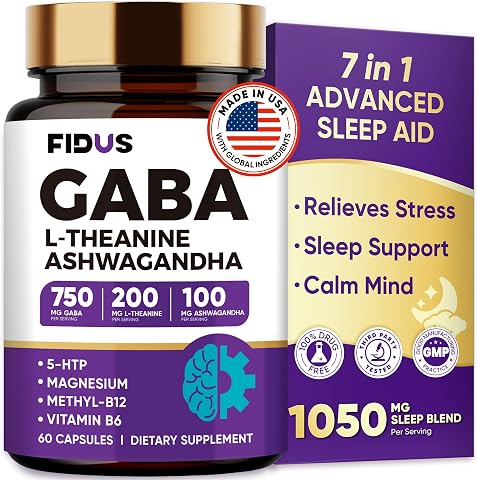
GABA Supplements 1050mg Blend, Advanced Sleep Aid & Calm, L-Theanine, 5-HTP
- ✔ Melatonin: None; described as melatonin-free
- ✔ GABA: 750mg per serving
- ✔ Blend amount: 1050mg blend, as stated in product title
Melatonin has a clearer use case for circadian timing, such as jet lag or a shifted sleep schedule, though it is not a universal cure for insomnia. Herbal products may appeal to people seeking a calming ritual, but results depend on the specific herb, dose, and formulation. Choose melatonin for a timing problem; consider a single-ingredient herbal product for mild relaxation support, while recognizing that neither option replaces care for persistent sleep problems.
At a Glance
| Criteria | Melatonin supplements | Herbal sleep supplements | Winner |
|---|---|---|---|
| Best-matched sleep problem | Sleep timing problems, including jet lag or a delayed schedule | Mild difficulty winding down; effect depends on the herb and cause | A |
| Evidence and predictability | More established evidence for circadian timing than for general insomnia | Mixed and ingredient-specific evidence; blends are hard to predict | A |
| How quickly and when it is used | Usually taken before the desired sleep time; timing matters | Varies by ingredient and formulation; directions differ | A |
| Safety and interactions | Can cause next-day drowsiness and interact with medicines; seek advice for ongoing use | Possible sedation, allergies, and medication interactions; herbs are not automatically risk-free | Depends |
| Product consistency | Single-ingredient products are easier to compare, but quality still varies | Blends and extracts can differ substantially across products | A |
| Cost and value | Usually inexpensive; good value when timing is the problem | Single herbs may be affordable; complex blends can cost more without clearer benefit | A |
Relaxium Sleep Aid for Adults, 5mg Melatonin, Magnesium Glycinate, 30 Capsules
Relaxium is our best overall pick for shoppers who have already decided they want melatonin and would like a combination formula rather than a single-ingredient supplement. Its 5mg melatonin amount is stated directly, alongside magnesium glycinate, passionflower, GABA, ashwagandha, chamomile, and the proprietary ingredient Valerest. That gives buyers a more identifiable starting point than the melatonin-free GABA blend, whose individual component amounts are not listed in the supplied details.The tradeoff is that a clear melatonin dose does not make the rest of the formula equally transparent. Valerest is proprietary, and the available information does not show the amount of each other ingredient. Its 30-capsule count is also smaller than MEDCHOICE’s 90-capsule supply, so it is less compelling for someone prioritizing a larger bottle. Relaxium makes the most sense when melatonin is a firm preference; if you want to avoid it, or want to scrutinize every ingredient dose, this is not the strongest fit. As with any multi-ingredient supplement, check the full label and consider personal health circumstances before use.
Pros:
- States the melatonin amount as 5mg per serving.
- Pairs melatonin with magnesium glycinate and several herbal ingredients.
- Offers a distinct formula for shoppers who want more than melatonin alone.
Cons:
- Valerest is proprietary, and individual amounts for several ingredients are not provided here.
- The 30-capsule count is smaller than MEDCHOICE’s 90-capsule supply.
- A multi-ingredient formula may not suit people with sensitivities or those trying to identify a single helpful ingredient.
Best for: Adults seeking a melatonin-containing blend with a clearly stated 5mg melatonin amount and several accompanying botanicals.
Not ideal for: Shoppers who want a melatonin-free formula, a simple one-ingredient product, or full dose transparency for every component; the supplied information also cautions pregnant or nursing people to seek suitability guidance.
Bottom line: Choose Relaxium when you want an explicitly melatonin-led combination formula; choose MEDCHOICE for a larger capsule supply or the GABA blend if avoiding melatonin matters more.
“Choose Relaxium when you want an explicitly melatonin-led combination formula; choose MEDCHOICE for a larger capsule supply or the GABA blend if avoiding melatonin matters more.”
MEDCHOICE 12-in-1 Melatonin 5mg Sleep Capsules with Magnesium, 90 count
MEDCHOICE is our best value pick for shoppers who care about capsule supply and want a broad mix of ingredients in one product. It provides 90 capsules—three times Relaxium’s stated count—and also lists 5mg of melatonin per capsule. The formula names magnesium glycinate, ashwagandha, GABA, chamomile, and valerian root, with the description also mentioning botanicals and amino acids. That breadth may appeal if you prefer a combination approach over buying separate supplements.More ingredients, however, do not automatically mean a better match. Compared with Relaxium, MEDCHOICE makes the larger bottle its clearest practical distinction, but the supplied details do not give amounts for the individual ingredients beyond melatonin. The range of botanicals can also create more opportunities for sensitivities, and the product notes that some users may feel drowsy. Choose it if a larger supply and multi-ingredient format are priorities; skip it if you are trying to keep your routine straightforward, avoid melatonin, or assess one ingredient at a time. Its vegan positioning may be useful to some shoppers, but we would still check the complete package label for current ingredient and allergen information.
Pros:
- Provides 90 capsules, more than either other option in this comparison.
- States a 5mg melatonin amount per capsule.
- Lists magnesium glycinate and several botanicals, including chamomile and valerian root.
- Described as vegan and intended for nightly use.
Cons:
- The supplied information does not specify individual doses for most blend components.
- Multiple botanicals may be unsuitable for people with ingredient sensitivities.
- The description notes that drowsiness may occur.
Best for: Shoppers who want a 90-capsule supply, 5mg melatonin, and a broad blend of magnesium, botanicals, and amino-acid ingredients.
Not ideal for: People avoiding melatonin, those sensitive to multiple botanicals, or anyone who wants individual ingredient doses disclosed before choosing a combination product.
Bottom line: MEDCHOICE is the practical pick for a larger supply and a wide-ranging melatonin blend, but its ingredient breadth is a drawback if you value simplicity or precise dose information.
“MEDCHOICE is the practical pick for a larger supply and a wide-ranging melatonin blend, but its ingredient breadth is a drawback if you value simplicity or precise dose information.”
GABA Supplements 1050mg Blend, Advanced Sleep Aid & Calm, L-Theanine, 5-HTP
This is the only melatonin-free option in our lineup, so it fills a different need from Relaxium and MEDCHOICE rather than acting as a direct substitute for their 5mg melatonin formulas. Its described blend centers on 750mg of GABA per serving and includes L-theanine, magnesium glycinate, ashwagandha, 5-HTP, vitamin B6, and vitamin B12. That makes it the natural choice among these three for shoppers who want to explore a formula positioned around calm and sleep support without melatonin.The limitation is ingredient-level clarity. Although the product title refers to a 1050mg blend and the description specifies 750mg of GABA, the other component doses are not supplied. That makes it harder to compare the amount of each ingredient with a simpler supplement or to assess a specific ingredient preference. Its many components may also be a poor fit for people with sensitivities. Compared with MEDCHOICE, it avoids melatonin but still uses a broad combination; compared with Relaxium, it gives a stronger stated GABA figure but less clarity about the rest of its blend. Consider it only after reviewing the full label and checking whether each ingredient suits your circumstances.
Pros:
- Melatonin-free, unlike Relaxium and MEDCHOICE.
- Specifies 750mg of GABA per serving.
- Includes L-theanine and magnesium glycinate alongside GABA.
- Provides an alternative for shoppers who do not want melatonin in their supplement.
Cons:
- Individual doses for most blend components are not provided in the supplied details.
- The multi-ingredient blend may not suit people sensitive to one or more components.
- The product’s sleep-support claims may not match every shopper’s needs or response.
Best for: Adults looking specifically for a melatonin-free sleep-support blend that lists GABA, L-theanine, magnesium glycinate, and other calming ingredients.
Not ideal for: Shoppers who want a melatonin-based option, require transparent amounts for every ingredient, or prefer a short, simple ingredient list.
Bottom line: Choose this blend when avoiding melatonin is your main requirement, but favor a more fully itemized formula if ingredient-by-ingredient transparency is essential.
“Choose this blend when avoiding melatonin is your main requirement, but favor a more fully itemized formula if ingredient-by-ingredient transparency is essential.”
As an Amazon Associate we earn from qualifying purchases.
Key Differences
The strongest distinction is the problem each option is designed to address. Melatonin is involved in the body’s sleep-wake timing, so supplemental melatonin is more relevant when that timing is out of sync. It may help with jet lag or a delayed sleep schedule, but taking it is not a reliable answer to every cause of waking at night or being unable to sleep. Correct timing and a modest, suitable dose matter; more is not automatically better.
“Herbal sleep supplements” describes a varied category, not a single treatment. Valerian, chamomile, passionflower, and lemon balm have different evidence, preparations, and potential interactions. A familiar herb name does not tell you how strong a product is or whether a multi-herb blend will help. For either option, check the active ingredients, avoid combining sedating products without professional advice, and seek medical guidance for ongoing symptoms, pregnancy, chronic conditions, or regular medication use.
Detailed Comparison
Best-matched sleep problem (Melatonin supplements wins — moderate)
Melatonin wins for a circadian timing mismatch. It is more suited to shifting or supporting sleep timing than to treating every form of insomnia. Herbal products may fit someone who feels mildly keyed up at bedtime, but no single herb is a dependable choice for all sleep complaints. The gap is moderate: matching the supplement to the cause matters more than choosing a product labeled “sleep.” If the problem is loud snoring, pain, anxiety, frequent waking, or persistent insomnia, neither category may address the underlying cause.
Evidence and predictability (Melatonin supplements wins — moderate)
Melatonin has the clearer evidence base for specific timing-related uses. Evidence for herbal products varies by plant, extract, dose, and outcome, and findings for one preparation cannot be assumed to apply to a different blend. This is a moderate advantage, not proof that melatonin works for everyone. For shoppers, it means melatonin is easier to match to a defined use, while an herbal blend may require more guesswork and careful label reading.
How quickly and when it is used (Melatonin supplements wins — moderate)
Melatonin is easier to plan around, but timing is central. It is commonly taken before the intended sleep period, with the right schedule depending on the reason for use. Herbal directions vary, and some products are promoted for bedtime relaxation without strong evidence that they shorten time to sleep. This is a moderate practical edge for melatonin when a clinician or reliable product directions have clarified timing. Taking either product at the wrong time or in an unsuitable dose can lead to poor results.
Safety and interactions (moderate difference)
Neither option is automatically safer because it is “natural.” Melatonin can cause sleepiness, dizziness, or other unwanted effects, and it may interact with medicines or be unsuitable for some people. Herbs can also cause sedation, allergic reactions, or interactions; multi-ingredient formulas make it harder to identify the source of a problem. This is a genuine depends result, with a minor-to-moderate difference by person and product. Ask a pharmacist or clinician before use if you take medication, have a health condition, are pregnant or breastfeeding, or are considering regular use.
Product consistency (Melatonin supplements wins — moderate)
Melatonin is generally simpler to evaluate than herbal blends. A product with one listed active ingredient is easier to compare across labels than a formula combining several herbs and extracts. That does not guarantee manufacturing quality: supplement contents and quality controls can vary, so look for clear ingredient amounts and credible independent testing where available. The advantage is moderate for single-ingredient melatonin over complex herbal blends, but less pronounced when comparing it with a clearly labeled single-herb product.
Cost and value (Melatonin supplements wins — minor)
Melatonin is often the better value when the goal is correcting sleep timing. It is commonly available at a low cost, and a simple product avoids paying for a long ingredient list. Basic herbal products can also be affordable, but premium blends are not necessarily more effective or better studied. The gap is minor in price and moderate in value: pay more only for a specific, clearly identified ingredient and trustworthy quality information, not for a crowded label or a “natural” claim.
Melatonin supplements: Pros and Cons
Pros:
- Has a clearer role for jet lag and other sleep-timing issues.
- Single-ingredient products can be easier to compare and dose.
- Often inexpensive, making a cautious trial relatively accessible.
Cons:
- Not a universal treatment for insomnia or repeated night waking.
- Timing, dose, and individual response matter.
- May cause side effects or interact with medicines.
Herbal sleep supplements: Pros and Cons
Pros:
- Offers ingredient options for people seeking a relaxation-focused bedtime routine.
- Some single-herb products are inexpensive and straightforward.
- Can suit users who prefer to avoid melatonin, subject to safety advice.
Cons:
- Evidence and likely effects vary substantially by ingredient and preparation.
- Blends make it harder to judge doses, benefits, and causes of side effects.
- Plant-based ingredients can still cause sedation, allergies, or drug interactions.
Who Should Choose What
Choose Melatonin supplements if:
- Your sleep schedule is shifted or you are adjusting after travel across time zones.
- You want a supplement with a more defined timing-related use rather than a general bedtime blend.
- You prefer a simple, usually lower-cost product with one main active ingredient.
Choose Herbal sleep supplements if:
- Your main goal is a mild relaxation aid and you have checked the evidence and safety for the specific herb.
- You prefer a single-ingredient plant product and understand that results are uncertain.
- You have discussed possible interactions with a pharmacist or clinician and want to avoid melatonin.
Skip both if: Your sleep difficulty is persistent, severe, worsening, or linked to symptoms such as loud snoring, breathing pauses, significant pain, or major daytime impairment. Seek medical advice rather than repeatedly adding supplements.
Value for Money
Melatonin is usually the stronger value for a defined timing problem because it is commonly inexpensive and has a more established role for that use. Paying more for a premium melatonin formula is rarely justified by a longer ingredient list alone; prioritize a clear dose, sensible directions, and reliable quality information. Herbal products can be reasonable low-cost experiments when the ingredient is identified and appropriate for you, but a costly blend does not have stronger evidence merely because it contains more herbs.
Value also depends on avoiding a mismatch. If your sleep issue is not related to timing, the cheapest melatonin may still be wasted money. If persistent insomnia is the problem, spending repeatedly on either type of supplement may delay more useful evaluation and treatment. Do not pay a premium for claims that promise guaranteed sleep or imply that natural ingredients have no risks.
Final Verdict
For most people choosing between these categories, melatonin is the more defensible first choice only when the problem is sleep timing. It has a clearer role and is generally easier to evaluate than a broad herbal blend. Choose an herbal product instead when your aim is mild relaxation, you have selected a specific ingredient rather than an opaque mixture, and its risks fit your health and medication situation.
The biggest deciding factor is the cause of the sleep problem, not whether a label says natural. Pay more for a supplement only when its specific ingredients and quality are clear; do not assume a premium blend will work better. If sleep trouble continues or affects daily functioning, skip self-treatment as the main plan and speak with a healthcare professional.
Frequently Asked Questions
Is melatonin better than herbal sleep supplements?
Melatonin has a clearer role for sleep-timing problems such as jet lag or a shifted schedule. Herbal supplements are too varied to rank as one treatment; results depend on the plant and preparation. Neither is best for every type of insomnia.
Can I take melatonin and an herbal sleep aid together?
Do not combine them without checking with a healthcare professional or pharmacist. Several sleep-oriented ingredients can cause drowsiness, and combining sedating products may increase unwanted effects or interactions.
Are herbal sleep supplements safer because they are natural?
No. Herbs can cause side effects, allergies, and medication interactions, and blends may contain several active ingredients. Check the label and ask a pharmacist or clinician if you use medicines or have a health condition.
Which should I choose for trouble falling asleep?
First consider why you cannot fall asleep. Melatonin may fit a shifted body clock; an herbal product may be considered for mild relaxation, though evidence varies. Persistent difficulty deserves medical advice rather than repeated supplement trials.
Halloween Picks
halloween
As an affiliate, we earn on qualifying purchases.