
Glycemic load (GL) makes more sense for real-life blood sugar management because it combines the food’s carbohydrate quality with portion size, giving a more practical picture of how your meal affects your blood sugar. While the glycemic index (GI) shows how quickly carbs raise blood sugar, it ignores serving size and food combinations. By understanding both tools, especially GL, you can better plan meals that support your health goals—you’ll discover how to do this next.
Key Takeaways
- Glycemic Load (GL) accounts for portion size and carbohydrate content, making it more practical for real-life dietary decisions.
- Glycemic Index (GI) measures how quickly foods raise blood sugar but ignores serving size, limiting real-world application.
- GL provides a comprehensive view by combining carbohydrate quality and quantity, aiding better meal planning.
- For daily life, GL helps manage blood sugar fluctuations more accurately than GI alone.
- Combining GI and GL with overall dietary context offers the most effective strategy for health and blood sugar control.

Etekcity Food Kitchen Scale, Digital Grams and Ounces for Weight Loss, Baking, Cooking, Keto and Meal Prep, LCD Display, Medium, 304 Stainless Steel
𝗘𝗳𝗳𝗼𝗿𝘁𝗹𝗲𝘀𝘀 𝗪𝗲𝗶𝗴𝗵𝗶𝗻𝗴: Supports 5 units (oz/lb:oz/fl'oz/g/mL), tare function, and includes 2 AAA batteries for hassle-free operation
As an affiliate, we earn on qualifying purchases.
As an affiliate, we earn on qualifying purchases.
What Are the Glycemic Index and Glycemic Load?
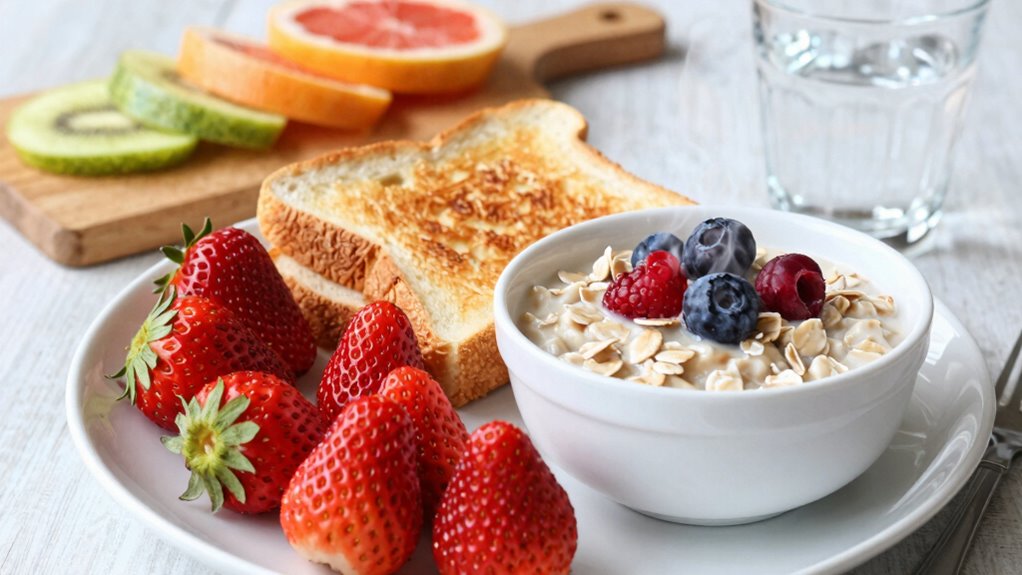
The glycemic index (GI) and glycemic load (GL) are two related measures that help you understand how carbohydrate-containing foods affect your blood sugar levels. GI ranks foods based on how quickly they raise blood sugar, while GL considers both the GI and the carbohydrate amount in a typical serving. Dietary fiber plays a key role here because high-fiber foods usually have a lower GI, slowing digestion and sugar absorption. Food processing also impacts these measures; less processed foods tend to have a lower GI and GL since they’re closer to their natural state. Knowing this, you can choose foods that better support stable blood sugar levels and overall health, especially when you pay attention to fiber content and how foods are prepared. Additionally, understanding glycemic measures can help you make more informed dietary choices for better health management.

Glycemic Index Chart,Magnetic Low Glycemic Index Foods List for Diabetics & Health Seekers,Diabetes & Diet Management(Glycemic Chart)
A4 SIZE + MAGNETIC BACKING – Large 8.3 x 11.7-inch laminated sheet attaches securely to refrigerators, lockers, or…
As an affiliate, we earn on qualifying purchases.
As an affiliate, we earn on qualifying purchases.
How Do GI and GL Differ When Measuring Carbohydrates?
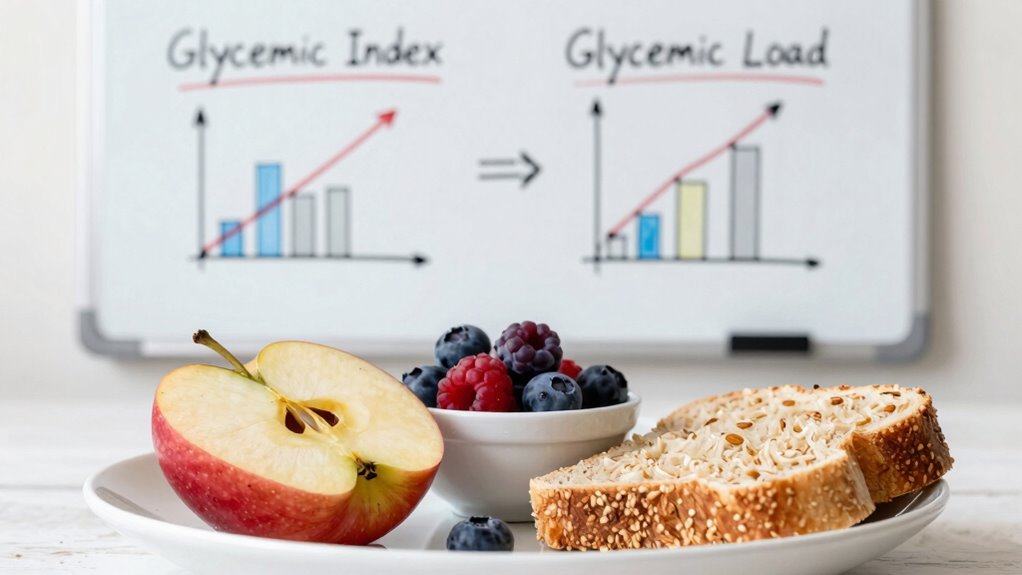
You’ll notice that measurement methods for GI and GL differ quite a bit, affecting how they reflect carbohydrate impact. GI focuses on how quickly a specific food raises your blood sugar, while GL considers both the quality and quantity of carbs in a serving. These differences influence their practical use in managing your diet and blood sugar levels. Additionally, understanding inspiring quotes and life moments can help motivate healthier choices and maintain a positive outlook on your health journey. Recognizing the importance of biodiversity and sustainable living practices can also inspire more mindful eating habits that support overall well-being. Being aware of the cooking science principles behind carbohydrate digestion can further enhance your ability to make informed food choices. Incorporating holistic health approaches can provide a more comprehensive understanding of how diet impacts overall wellness. For example, understanding nutritional science can help clarify how different foods influence blood sugar levels and overall energy.
Measurement Methods Differ Significantly
Glycemic Index (GI) and Glycemic Load (GL) differ fundamentally in how they measure the impact of carbohydrates on blood sugar levels. GI relies on a standardized testing process where foods are tested in a laboratory setting, often limiting measurement creativity. It measures the rise in blood sugar after consuming a fixed amount of carbohydrate, but results can vary based on testing conditions. GL, on the other hand, combines the GI with the actual carbohydrate content in a typical serving, offering a more practical measurement. This approach enhances data reliability, reflecting real-world eating habits. While GI emphasizes the carbohydrate’s quality, GL provides a more thorough view by incorporating quantity, making its measurement methods more adaptable for everyday life.
Impact on Blood Sugar
How do GI and GL differ in measuring their impact on blood sugar levels? GI indicates how quickly a specific food raises blood sugar, while GL considers both the quality and quantity of carbs, providing a more realistic picture. This means that even high-GI foods can have a moderate impact if eaten in small amounts, making GL useful for managing overall blood sugar. When choosing healthy snacks or planning exercise routines, understanding these differences helps you make better choices. For example:
- Opt for snacks with low GL to prevent blood sugar spikes
- Combine high-GI foods with fiber or protein to slow absorption
- Adjust portion sizes to control GL intake
- Use GL to balance carbohydrate intake during exercise
This approach helps stabilize blood sugar levels effectively.
Practical Application Variations
While understanding the impact of GI and GL on blood sugar levels is important, their practical application in measuring carbohydrate intake varies considerably. GI focuses on the quality of carbs, helping you gauge how quickly foods raise blood sugar, but it doesn’t account for portion sizes. GL combines this quality with quantity, making it more flexible across cultural food patterns and seasonal dietary changes. For example, traditional dishes or seasonal fruits may have high GI but low GL if eaten in small portions, or vice versa. When planning meals, GL offers a more realistic picture of carbohydrate impact, especially when foods vary in serving sizes or are part of cultural cuisines. Additionally, glycemic load provides a more comprehensive understanding of how foods influence blood sugar, especially in diverse dietary contexts, making it a practical tool for managing blood sugar levels in everyday life. Recognizing the role of portion sizes is also crucial, as it significantly affects the overall glycemic load and how foods impact your health. Incorporating food composition insights helps you better predict the blood sugar response to different foods, supporting more precise dietary adjustments.

G-425-1 Blood Glucose Monitor Kit, 100 Test Strips &100 Lancets, 1 Control Solution, 1 Blood Sugar Monitor, 1 Lancing Device, Diabetes Testing Kit, No Coding, Large Display, Glucometer for Home Use
NOTE: After installing the batteries and while the screen is off, simply insert a test strip to wake…
As an affiliate, we earn on qualifying purchases.
As an affiliate, we earn on qualifying purchases.
Which Measure Is Better for Managing Blood Sugar?
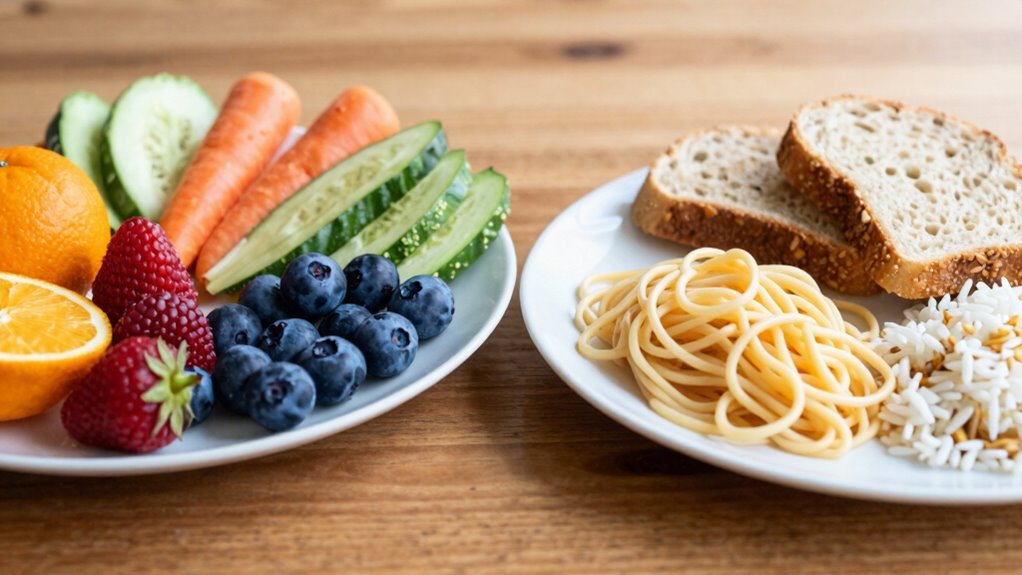
When managing blood sugar, you might wonder which measure is more practical for daily life. While glycemic index offers quick insights, glycemic load accounts for portion size, making it potentially more accurate for blood control. Consider what fits best into your routine to make informed dietary choices. Understanding the off-road vehicle of carbohydrate measurement can help you navigate dietary decisions more effectively. Additionally, recognizing the measurement differences can empower you to choose the most appropriate tool for your health goals.
Practicality in Daily Life
Choosing between glycemic index (GI) and glycemic load (GL) for daily blood sugar management depends on which measure is easier to incorporate into your routine. GI focuses on how quickly foods raise blood sugar, while GL considers portion size, making it more practical for real-life decisions. To effectively manage blood sugar, you’ll want to pay attention to meal timing and food pairing. Combining high-GI foods with fiber, protein, or healthy fats can slow absorption and stabilize blood sugar levels.
- Planning meals with balanced macronutrients
- Combining high-GI foods with low-GI options
- Timing carbohydrate intake around physical activity
- Adjusting portion sizes based on GL estimates
Accuracy for Blood Control
Glycemic load (GL) generally provides a more accurate measure for managing blood sugar because it accounts for both the quality and quantity of carbohydrates in a meal. This makes it especially useful when considering meal timing and food pairing, which can considerably influence blood sugar responses. For example, combining high-GL foods with protein or healthy fats can slow digestion, reducing blood sugar spikes. Relying solely on glycemic index may overlook portion size and how different foods interact, leading to less precise control. GL encourages you to think about the overall meal rather than individual foods, helping you better manage blood sugar levels throughout the day. Additionally, understanding carbohydrate interactions can further improve your blood sugar management strategies. In real life, this all-encompassing approach makes GL a more reliable tool for blood control, especially when considering how meal composition influences glucose response. Recognizing portion sizes as part of this strategy can also significantly impact blood sugar management outcomes.

HIGH FIBER FOOD LIST: A Comprehensive Guide to Revitalize Your Health with a Delicious and Nourishing Handbook for a Vibrant Lifestyle and a Happier, Healthier You (NUTRITION NAVIGATORS)
As an affiliate, we earn on qualifying purchases.
As an affiliate, we earn on qualifying purchases.
Practical Ways to Use GI and GL in Your Diet
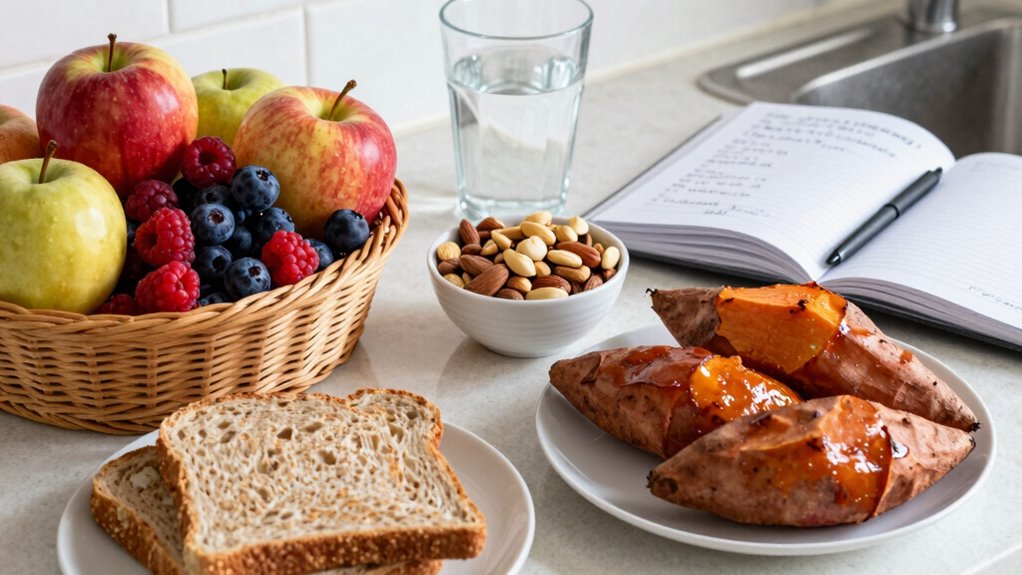
Incorporating GI and GL into your diet becomes easier when you focus on simple, practical strategies. Start by understanding which foods have lower GI and GL values, and use this knowledge during dietary planning. Prioritize whole grains, vegetables, and legumes, and limit processed carbs and sugary snacks. Educate yourself on reading food labels and portion sizes to make better choices. Keep a food diary to track your meals and observe how different foods affect your blood sugar. Incorporate these habits gradually for sustainable change. By combining nutritional education with mindful planning, you can better manage blood sugar levels and improve your overall health.
Focus on whole foods, portion control, and mindful planning to effectively manage blood sugar levels.
- Choose whole, minimally processed foods
- Control portion sizes to manage glycemic response
- Plan meals ahead of time for consistency
- Learn to interpret food labels effectively
Advantages and Disadvantages of Using the Glycemic Index
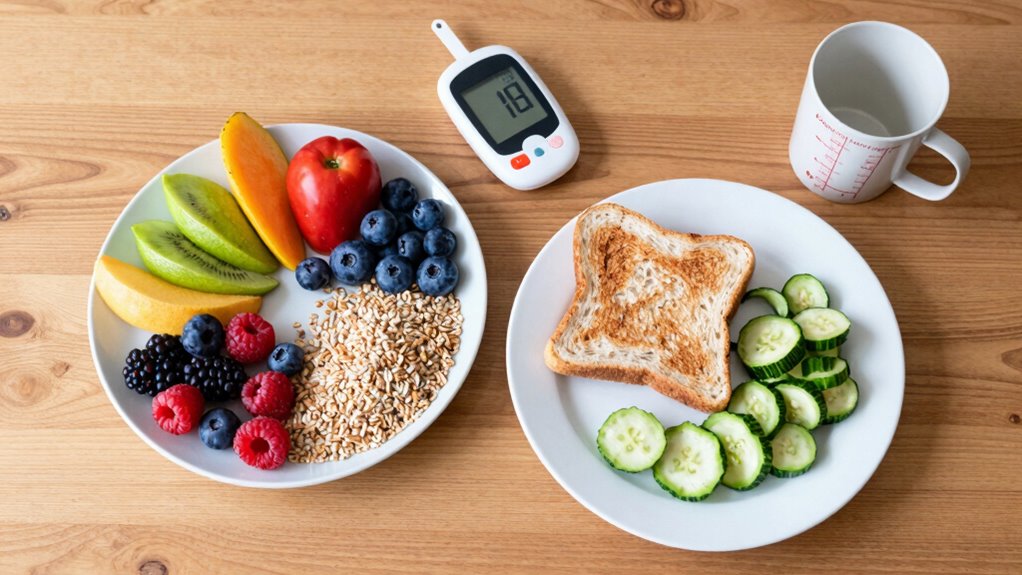
While the glycemic index (GI) offers valuable insights into how specific foods impact blood sugar levels, it also has its limitations. For diet planning, GI helps identify foods that cause rapid blood sugar spikes, making it easier to choose better options. However, GI doesn’t account for portion sizes or nutrient content, which can lead to misleading conclusions about a food’s overall impact. Food labeling based solely on GI can oversimplify complex nutritional information, potentially causing you to overlook other important factors like fiber or fat content. Additionally, individual responses to foods vary, so GI isn’t always precise for everyone. While it’s a useful tool, relying only on GI can restrict your perspective, and it’s best used alongside other nutritional considerations for balanced diet planning. Understanding the limitations of the glycemic index can help you make more informed and comprehensive dietary choices.
Pros and Cons of Considering Glycemic Load
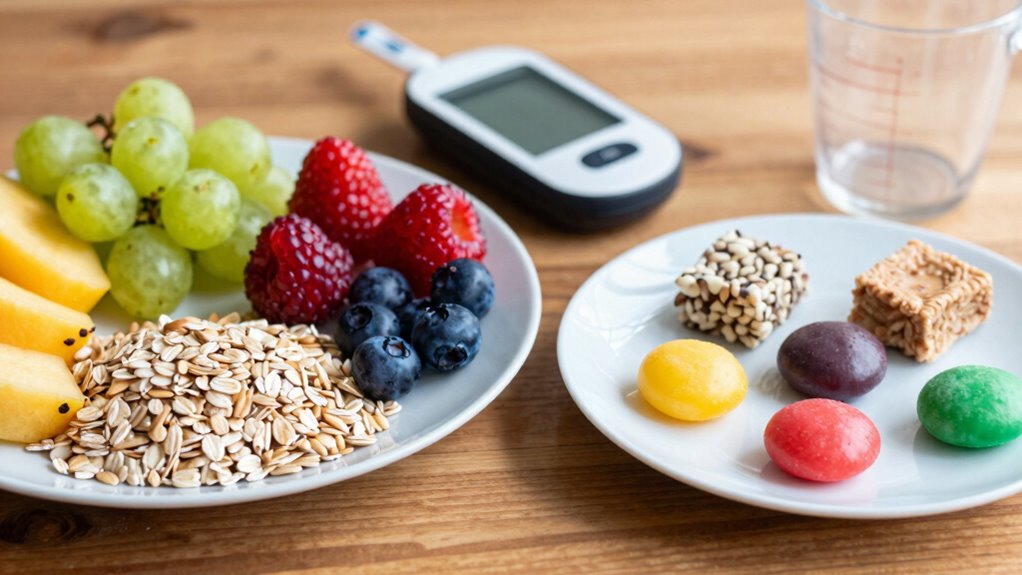
Considering glycemic load (GL) offers a more all-encompassing view of how foods affect blood sugar levels by taking into account both the quality and quantity of carbohydrates consumed. It helps you understand how portion size and carbohydrate content influence blood sugar, making it practical for daily eating. However, focusing on GL requires attention to meal timing and food pairing, as these factors can modify blood sugar responses. Properly combining foods with different glycemic impacts can stabilize blood sugar levels. Additionally, understanding nutritional factors is important, as they can also influence blood sugar responses beyond just carbohydrate content. On the downside, calculating GL can be complex and may not be as straightforward as using the glycemic index alone. Additionally, it might lead you to overlook individual responses or other nutritional factors. Overall, considering GL offers a nuanced approach but demands more effort and awareness.
Which Approach Fits Your Health Goals Best?
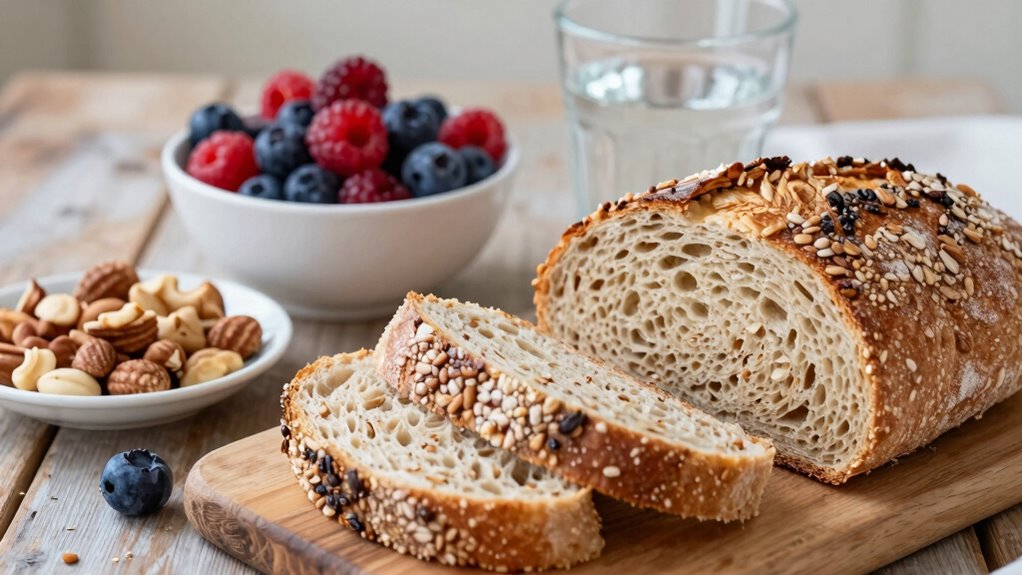
Choosing the right approach depends on your specific health goals and lifestyle. If you want to manage blood sugar levels effectively, consider both glycemic index and load, especially how fiber content influences digestion. For weight control, paying attention to meal timing and carbohydrate quality is key. The table below highlights how each method aligns with different goals:
| Goal | Best Approach |
|---|---|
| Blood sugar management | Glycemic load, high fiber foods |
| Weight loss | Glycemic index, mindful meal timing |
| Overall health | Combination, balanced meals |
Focusing on fiber-rich foods can help improve digestion and stabilize blood sugar levels, making your chosen approach more effective. Focus on fiber-rich foods and strategic meal timing to optimize results, regardless of the approach you choose.
Frequently Asked Questions
Can GI and GL Be Used for Weight Management?
Yes, GI and GL can help with weight management by guiding your food choices. They encourage you to focus on lower-GI and GL foods, which can stabilize blood sugar and reduce hunger. Combine this with calorie counting and portion control for better results. By choosing foods that have a lower impact on your blood sugar, you naturally eat less and stay fuller longer, supporting your weight loss goals effectively.
Are GI and GL Applicable to All Types of Diets?
Sure, GI and GL are practically universal, but don’t think they’re magic. Their applicability depends on fiber content and food processing. Whole foods with high fiber tend to have lower GI and GL, making them more diet-friendly. Processed foods, on the other hand, skew the numbers. So, if you’re on a strict diet, pay attention to these factors—otherwise, your glycemic measurements become just another confusing number game.
How Accurate Are GI and GL Measurements Across Different Foods?
Glycemic Index and Glycemic Load measurements can vary due to measurement variability and differences in food composition. You should know that factors like ripeness, cooking methods, and food processing affect these values, making them less precise across different foods. While they provide useful general guidance, relying solely on GI and GL for exact insulin response or blood sugar control isn’t always accurate, so consider other dietary factors too.
Do Cooking Methods Affect the Glycemic Index and Load?
You might be surprised, but cooking methods definitely influence the glycemic index and load of foods. For example, boiling or pureeing increases starch digestibility, raising GI and GL, while cooling cooked carbs can lower them. Food preparation techniques, like frying or steaming, also impact how quickly carbs break down. So, your choice of cooking techniques directly affects how your body responds to the foods you eat, making it essential for managing blood sugar.
Is One Measure More Reliable for Athletes Than for Diabetics?
For athletes, glycemic load is more reliable because it considers portion size and how food impacts blood sugar and insulin response during activity. Diabetics benefit from focusing on glycemic index, as it shows how quickly a food raises blood sugar levels, helping manage insulin response. Both measures help optimize blood sugar control, but your specific goals and health condition determine which one makes more sense for you.
Conclusion
Ultimately, choosing between glycemic index and glycemic load depends on your health goals and lifestyle. Both tools can help you make smarter carb choices, but neither is perfect alone. Remember, “A journey of a thousand miles begins with a single step.” Start small, stay consistent, and listen to your body. With patience and awareness, you’ll find the approach that best supports your blood sugar and overall well-being.