

Dietary fiber is essential for good digestion, blood sugar control, and overall health. It helps prevent constipation, lowers cholesterol, and stabilizes blood sugar levels, supporting your weight management and long-term wellness. Both soluble and insoluble fibers are important and come from foods like fruits, vegetables, whole grains, and legumes. Increasing your fiber gradually can make a big difference — keep exploring to discover simple ways to boost your intake and enjoy these benefits daily.

Get health and wellness essentials delivered free — and shop member deals
- Fast, free delivery on millions of items
- Access to Prime Big Deal Days deals on October 6–7
- Prime Video, Amazon Music and more included
Key Takeaways
- Dietary fiber supports digestion, prevents constipation, and promotes overall gut health.
- It helps regulate blood sugar levels and lower cholesterol, reducing long-term disease risk.
- Consuming a variety of fiber-rich foods improves weight management and boosts energy.
- Gradually increasing fiber intake prevents discomfort and enhances digestive benefits.
- Whole foods are preferable to supplements for maximum fiber and nutrient benefits.
As an affiliate, we earn on qualifying purchases.
What Is Dietary Fiber and Why Is It Important for Your Health?
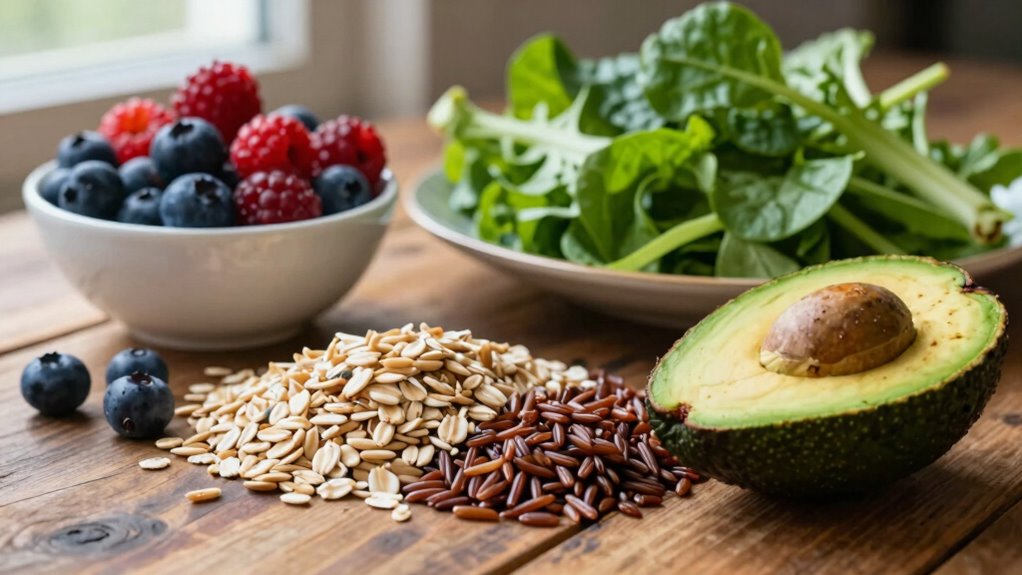
Dietary fiber is a type of carbohydrate found in plant-based foods that your body can’t digest or absorb. It plays a vital role in maintaining your health, supporting digestion, and preventing issues like constipation. If you find it challenging to meet your fiber needs through food alone, fiber supplements can help fill the gap. Incorporating enough fiber aligns with dietary guidelines designed to promote overall wellness. These guidelines recommend a specific daily intake, emphasizing the importance of dietary variety in your diet. By understanding what fiber is and why it’s essential, you can make smarter choices to improve your digestive health, regulate blood sugar levels, and support a healthy weight. Prioritizing fiber in your diet sets a solid foundation for long-term well-being. Digital marketing tools can also help you stay motivated and organized as you work toward your health goals.
As an affiliate, we earn on qualifying purchases.
Soluble and Insoluble Fiber: Types and Their Benefits
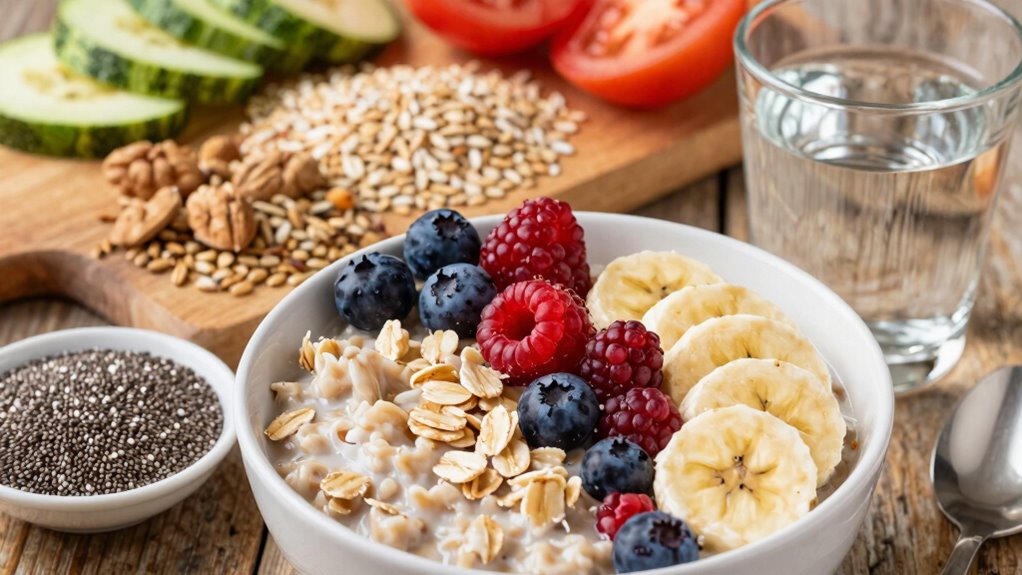
You’ll find that soluble fiber helps lower cholesterol and stabilize blood sugar, while insoluble fiber promotes healthy digestion and regularity. Both types are essential for your overall health, but they come from different food sources like oats, fruits, vegetables, and whole grains. Understanding their unique benefits can help you make better dietary choices to support your well-being.
Soluble Fiber Functions
Soluble fiber plays an essential role in maintaining health by dissolving in water to form a gel-like substance in your digestive system. This gel slows digestion, helping you feel full longer and stabilizing blood sugar levels. It also binds to cholesterol, reducing its absorption and supporting heart health. You can get this type of fiber from foods like oats, fruits, and beans, or from fiber supplements if needed. The soluble fiber functions extend beyond digestion; they help regulate insulin response and promote gut health by feeding beneficial bacteria. Including soluble fiber regularly can improve overall digestion and contribute to long-term wellness. Consuming fiber-rich foods regularly is associated with a lower risk of chronic diseases. Additionally, fiber sources like these are often fortified with additional health benefits, making them a versatile addition to a balanced diet. Moreover, incorporating a variety of soluble fiber sources can enhance your nutritional intake and support overall health.
Insoluble Fiber Benefits
Insoluble fiber offers distinct benefits by adding bulk to your stool and speeding up the movement of waste through your digestive tract. This type of fiber helps prevent constipation and promotes regularity, making your digestion more efficient. When you incorporate insoluble fiber through fiber supplementation or naturally from foods, it increases stool mass, reducing the risk of digestive discomfort. Unlike soluble fiber, insoluble fiber isn’t absorbed into your bloodstream; instead, it works mainly by physically stimulating your intestines. This quickens waste transit, which can also aid in detoxification. Incorporating insoluble fiber in your diet supports overall gut health and helps maintain consistent bowel movements, making it an essential part of a balanced fiber intake for digestive well-being. Additionally, incorporating the right pool maintenance techniques can help ensure a clean and healthy environment, much like maintaining good digestive health. Proper hydration also plays a crucial role in digestive efficiency, helping fiber work effectively within your system. Understanding the different fiber types can further optimize your dietary choices for better health. Recognizing the importance of dietary fiber in overall wellness can motivate more consistent and mindful eating habits.
Food Sources Comparison
Are you curious about which foods are rich in different types of dietary fiber and how they benefit your health? Foods like oats, barley, and fruits such as apples and citrus are excellent sources of soluble fiber, which dissolves in water and aids fiber fermentation in your gut. Insoluble fiber, found in whole grains, nuts, and vegetables like carrots and broccoli, adds bulk to your stool. Both types support digestion, but soluble fiber also helps regulate blood sugar and cholesterol. Your digestive system relies on dietary enzymes to break down these fibers, making them accessible for fermentation by gut bacteria. Incorporating a variety of fiber-rich foods guarantees you get the full benefits of both soluble and insoluble fiber, promoting better gut health and overall wellness. Discovering Famous Figures in Sports and Entertainment Additionally, understanding the different fiber types can help you tailor your diet to meet specific health goals and improve your nutritional intake. Consuming a diverse range of fiber sources ensures optimal digestive health and nutrient absorption. Including fiber-rich foods in your daily meals can also support weight management and energy levels, making it easier to maintain a balanced lifestyle. Incorporating a mix of soluble and insoluble fibers can also contribute to long-term health by reducing the risk of chronic diseases.
As an affiliate, we earn on qualifying purchases.
How Fiber Supports Digestion and Blood Sugar Control
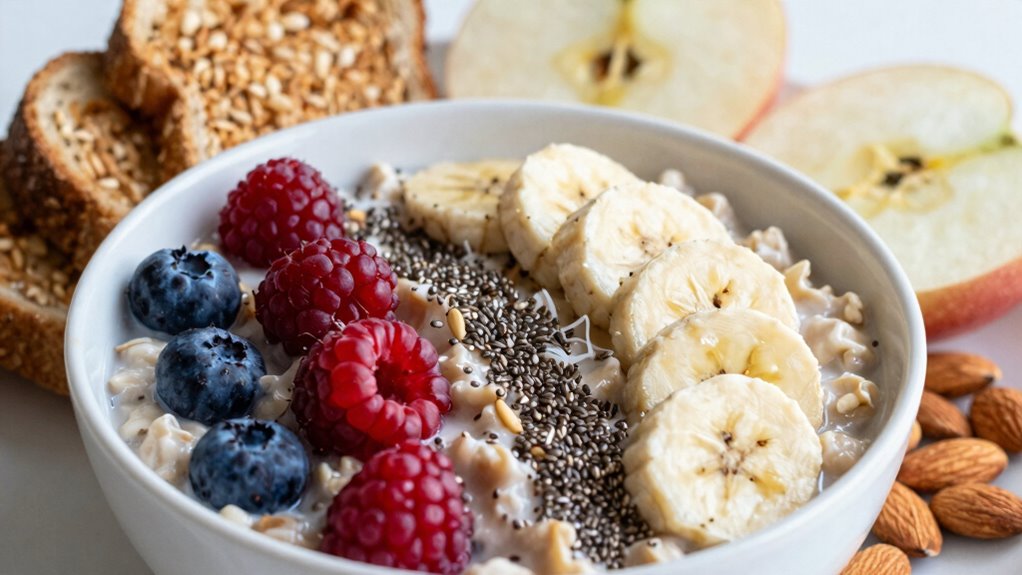
Fiber plays a crucial role in supporting healthy digestion and maintaining stable blood sugar levels. When you consume fiber, it reaches your gut mostly undigested, where gut bacteria begin fiber fermentation. This process produces beneficial compounds that help keep your digestive system functioning smoothly, reducing issues like bloating and constipation. Gut bacteria play a vital role in breaking down fiber and producing these health-promoting substances. A healthy gut environment is essential for optimal fiber fermentation, which further enhances its benefits. Fiber also slows down how quickly sugars are absorbed into your bloodstream, helping to prevent blood sugar spikes after meals. Soluble fiber forms a gel-like substance in your gut, which further moderates blood sugar levels. By fostering a healthy gut environment and promoting fiber fermentation, you support both your digestion and blood sugar control, making fiber an essential part of your daily routine for overall health and stability. Incorporating a variety of fiber-rich foods can enhance gut health and improve your overall well-being.
high fiber foods for weight management
As an affiliate, we earn on qualifying purchases.
As an affiliate, we earn on qualifying purchases.
Simple Tips to Add More Fiber to Your Daily Meals
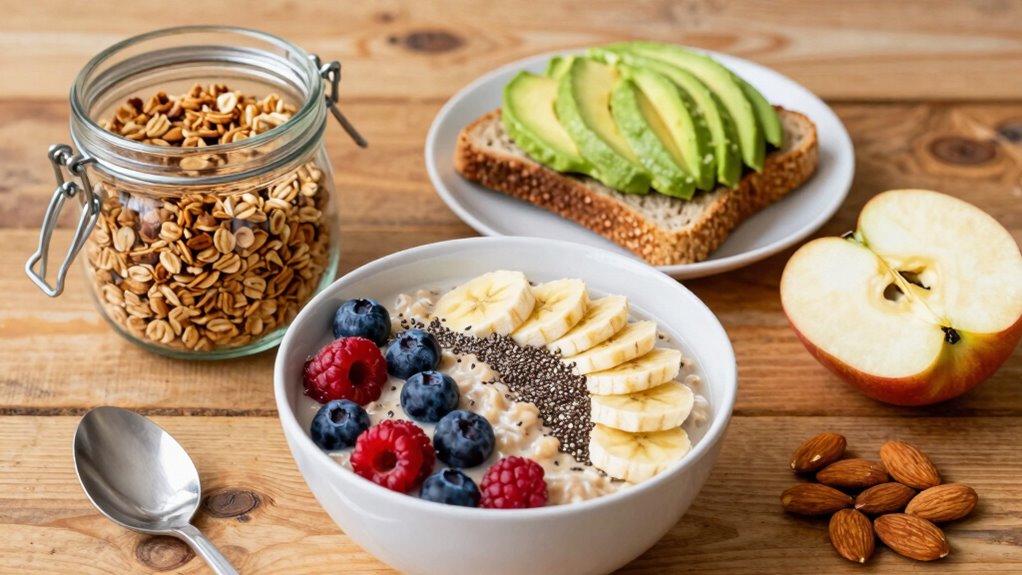
Adding more fiber to your daily meals can be simple and enjoyable by making small, mindful changes to your usual eating habits. Incorporate fiber-rich foods consistently, aligning with current dietary trends that emphasize whole foods. Here are some practical tips:
- Swap refined grains for whole grains like oats, brown rice, or whole wheat bread.
- Add beans, lentils, or chickpeas to salads and soups for extra fiber.
- Snack on nuts, seeds, or fiber-fortified snacks to boost intake.
- Consider fiber supplementation if necessary, but focus on whole foods first.
- Incorporate child safety tips into your diet, as they are key to sustainable health benefits.
- Remember that fiber intake should be increased gradually to support digestion and prevent discomfort. Being aware of fiber sources can help you make smarter choices. Additionally, understanding the digestive benefits of fiber can motivate consistent consumption.
These small adjustments can help you meet fiber goals naturally and sustainably. Remember, gradually increasing fiber intake supports digestion and overall health without overwhelming your system.
Myth-Busting: What You Need to Know About Dietary Fiber

Many beliefs about dietary fiber are actually myths. You might think more fiber always means better health, but that’s not true for everyone. Let’s clarify common misconceptions so you can make informed choices about your diet. Additionally, understanding the benefits of dietary fiber can help you tailor your intake to your personal health needs. Incorporating home fitness and self-care routines can also support overall well-being alongside proper nutrition.
Common Fiber Myths
There are several misconceptions about dietary fiber that can lead to confusion and misinformation. One common myth is that fiber supplements provide the same benefits as fiber-rich foods. While supplements can help, they often lack the additional nutrients found in whole foods. Another myth is that all fibers are equally effective for fiber absorption; in reality, different types of fiber serve different purposes. Some believe that increasing fiber intake quickly won’t cause issues, but a sudden surge can cause bloating or discomfort. Finally, many think that fiber only aids digestion—though it also helps regulate blood sugar and cholesterol. Understanding these myths helps you make smarter choices and avoid relying solely on fiber supplements for maximum health.
Fact-Checking Misconceptions
Understanding the facts behind dietary fiber is key to making informed health choices. Many believe fiber supplements are the only way to meet your fiber needs, but real food sources often provide additional nutrients. It’s a myth that fiber and weight loss are directly linked; fiber helps with satiety, but it’s part of a balanced approach. Relying solely on fiber supplements can overlook other benefits from whole foods. Also, some think increasing fiber suddenly will cause digestive issues, but gradual changes usually prevent discomfort. Remember, fiber isn’t a magic solution—it’s one piece of your overall health puzzle. Clarifying these misconceptions helps you make smarter choices, ensuring you get the most benefits from dietary fiber without falling for common myths.
Top Fiber-Rich Foods to Boost Your Intake
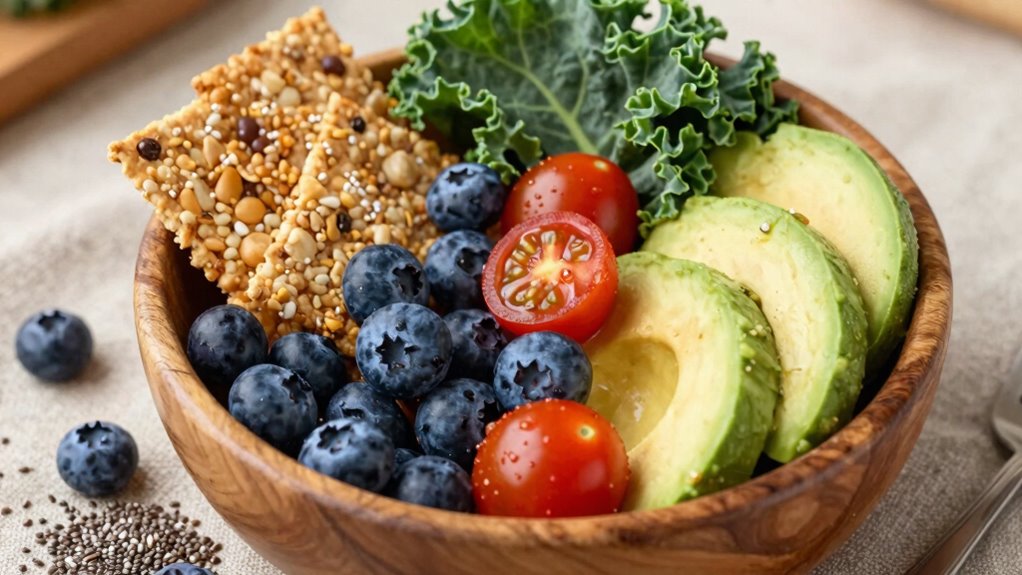
Adding more fiber to your diet is easier than you might think when you incorporate a variety of fiber-rich foods. Focusing on these options can improve your snacking habits and make meal planning more effective. For example:
- Whole grains like oats and brown rice provide sustained fiber throughout the day.
- Legumes such as lentils, chickpeas, and black beans are nutrient-dense and versatile.
- Fruits like berries, apples, and pears add natural sweetness and fiber.
- Vegetables including broccoli, carrots, and Brussels sprouts boost fiber and nutrients.
Including these foods regularly helps you meet your fiber goals effortlessly. Planning meals around these ingredients guarantees you stay consistent, making it easier to enjoy the benefits of improved digestion and overall health.
Frequently Asked Questions
Can Excessive Fiber Intake Cause Any Health Issues?
Yes, excessive fiber intake can cause health issues like digestive discomfort, including bloating and gas. When you eat too much fiber too quickly, your digestive system struggles to break it down, leading to these symptoms. It’s important to increase fiber gradually and stay well-hydrated to prevent discomfort. Listening to your body helps you find the right balance, ensuring you enjoy fiber’s benefits without unwanted side effects.
How Much Fiber Should I Aim for Daily?
You should aim for about 25 to 30 grams of fiber daily, depending on your age and sex, to keep your digestion smooth sailing. Following dietary guidelines helps you stay within safe limits and prevents any fiber digestion issues. Remember, adding fiber gradually lets your body adapt without feeling overwhelmed. Keep in mind, too much fiber too fast can cause bloating, so take it slow and enjoy the benefits.
Are Fiber Supplements as Effective as Natural Sources?
Fiber supplements can be effective, but synthetic versus natural sources matter. Natural foods like fruits, vegetables, and whole grains offer additional nutrients and fiber that support overall health. While supplements can help fill gaps, their quality varies, so choose reputable brands. Natural sources generally provide a broader range of benefits and are easier for your body to absorb. Relying on whole foods is usually the best approach for maximum fiber intake.
Does Fiber Affect Nutrient Absorption in the Body?
Sure, fiber might seem like the body’s overenthusiastic librarian, but it actually influences nutrient absorption. By promoting gastrointestinal health, fiber helps keep your digestive system in check, ensuring digestive enzymes work efficiently. However, too much fiber can block nutrient absorption, making your body less efficient at gathering essential nutrients. So, balance is key—think of fiber as the helpful, slightly bossy guide that keeps your digestion running smoothly.
Can Fiber Help With Weight Loss Efforts?
Yes, fiber can help with weight loss efforts by promoting satiety and reducing overall calorie intake. It slows down digestion, helping you feel full longer, which supports weight management. Additionally, fiber-rich foods often have fewer calories and are more filling, making it easier to stick to healthy eating habits. Incorporating more fiber into your diet can boost digestion and assist you in reaching your weight loss goals efficiently.
Conclusion
Now that you know how fiber weaves into your daily life, imagine your plate bursting with colorful fruits, hearty grains, and crunchy vegetables—each bite a step toward vibrant health. Feel the gentle ripple of digestion, the steady glow of balanced blood sugar, and the satisfying weight of nourishing choices. Embrace these simple swaps, and watch as your wellbeing flourishes—fiber isn’t just a nutrient; it’s your daily partner in living your best, healthiest life.
Fall Picks
fall essentials
As an affiliate, we earn on qualifying purchases.