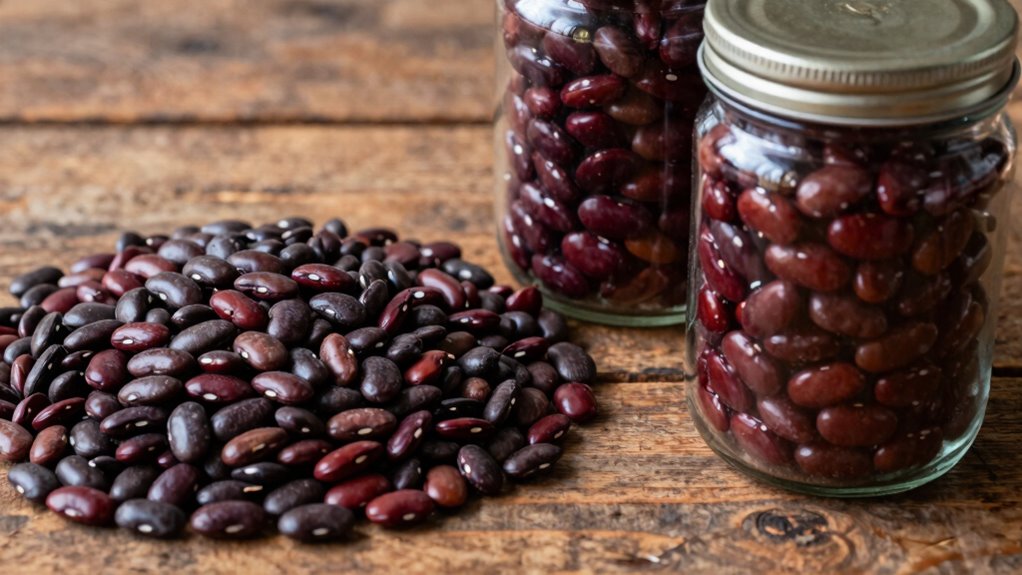

Dried beans usually cost less per pound than canned beans, making them more economical long-term, though they require soaking and longer cooking. Canned beans are more convenient and save time, but tend to be more expensive per serving and may contain added sodium. If you’re willing to invest effort, dried beans offer better value and higher nutrition. For quick, easy meals, canned beans are a practical choice. Keep going to discover more details that can help you decide best.
Key Takeaways
- Dried beans are cheaper per pound but require soaking and longer cooking time, increasing preparation effort.
- Canned beans have a higher per-serving cost but save time and energy with minimal prep.
- Long-term, dried beans offer cost savings due to lower purchase price, despite higher initial effort.
- Canned beans may incur additional costs for sodium content and preservatives, impacting overall value.
- Choice depends on balancing lower cost of dried beans against convenience and time savings of canned beans.
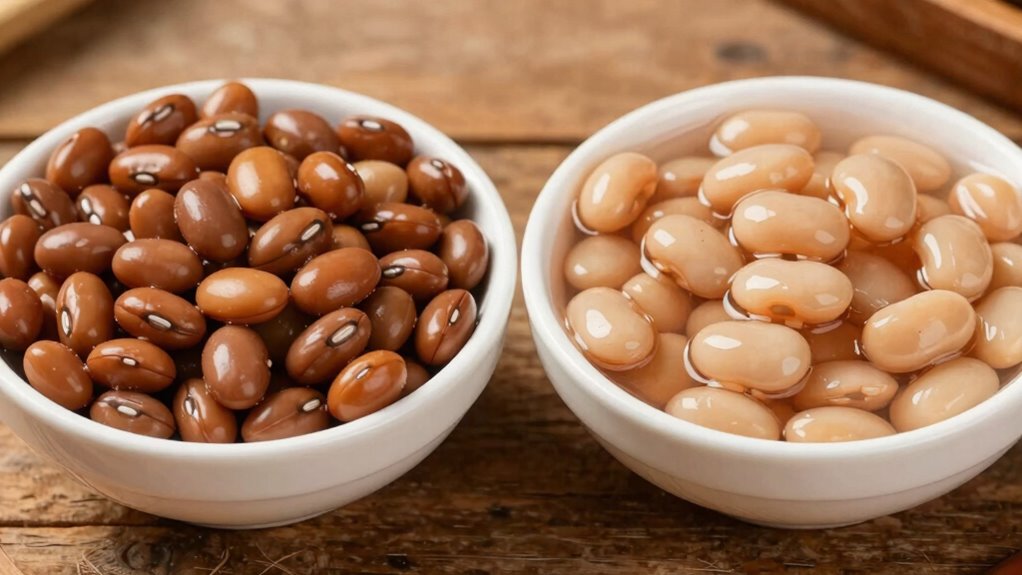
When comparing the costs of dried beans versus canned beans, it’s important to take into account both the initial purchase price and the long-term expenses. Dried beans generally cost less per pound than canned beans, making them an appealing choice if you’re looking to save money. However, the true cost also depends on how you plan to prepare them. Dried beans require soaking and longer cooking times, which might mean investing in quality cookware or energy costs. Canned beans, on the other hand, are ready to eat straight from the can, saving you prep time and energy, but at a higher per-serving price.
Cooking methods play a significant role in this cost comparison. Dried beans need to be soaked overnight or for several hours, then boiled for about an hour or more, depending on the bean type. This process consumes time, water, and energy, which adds to the overall expense, especially if you’re using electric or gas stoves. Canned beans eliminate these steps, allowing you to incorporate them into meals instantly. If convenience is a priority, canned beans might seem costlier initially, but they save on labor and energy costs related to cooking. Still, if you don’t mind the extra effort, dried beans can be more economical over the long term.
Nutritional differences also influence your decision beyond just cost. Dried beans tend to have a slightly higher nutritional profile because they’re less processed and contain no added salt or preservatives. They often retain more fiber, vitamins, and minerals, making them a more nutritious option if you’re focused on health. Canned beans, however, frequently contain added sodium or preservatives, which can diminish their nutritional value. Rinsing canned beans before cooking or eating can help reduce sodium content, but some nutrients might still be lost during processing. Incorporating modern cooking techniques can make preparing dried beans more efficient. Being aware of processing methods helps you make more informed choices about what’s best for your diet and budget. Additionally, understanding the nutritional impact of processing can guide you in selecting the most healthful option.
Ultimately, your choice depends on your priorities. If you want to maximize savings and are willing to put in the extra time, dried beans are the smarter budget option and offer superior nutritional benefits. If convenience and quick preparation are more important, canned beans, despite their higher cost, provide a practical solution. Both options have their merits, but understanding the differences in cooking methods and nutritional content helps you make a more informed decision. Whether you’re cooking from scratch or reaching for a can, you’ll be able to weigh the costs and benefits more confidently.

Mother Earth Products Dehydated Fast Cooking Black Beans, Quart Jar
Non GMO and gluten free
As an affiliate, we earn on qualifying purchases.
As an affiliate, we earn on qualifying purchases.
Frequently Asked Questions
How Do Dried and Canned Beans Compare in Nutritional Value?
You’ll find that dried beans generally have higher nutritional density since they’re minimally processed and retain most nutrients. Canned beans are convenient but undergo preservation methods like heating and added preservatives, which can slightly reduce their nutritional value. However, both options are healthy, high in fiber, and protein-rich. If you want maximum nutrients, opt for dried beans, but canned beans still offer excellent nutrition with added convenience.
Which Type of Beans Has a Longer Shelf Life?
Canned beans have a longer shelf life than dried beans, typically lasting 2-5 years when stored properly. You should keep canned beans in a cool, dry place, away from sunlight, and make certain the cans remain unblemished. Dried beans, on the other hand, last about 1-2 years if stored in airtight containers in a cool, dark environment. Proper storage methods are key to maximizing the longevity of both types.
Are There Environmental Impacts Associated With Dried Vs Canned Beans?
You’ll find dried beans have a lower environmental impact than canned beans because they generate less packaging waste, as they come in minimal, biodegradable packaging. Canned beans involve metal cans, which require energy to produce and recycle, contributing to environmental strain. Dried beans also use less energy during storage and transportation, making them a more eco-friendly choice overall. Choosing dried beans helps reduce your packaging waste and minimizes environmental harm.
How Does Preparation Time Differ Between Dried and Canned Beans?
You’ll find that dried beans require more preparation time, often needing soaking and longer cooking, which involves different cooking techniques. Canned beans, on the other hand, are ready to eat and require just a quick rinse before adding to your dish. If you want to boost flavor, dried beans offer more opportunities for flavor enhancement during cooking, while canned beans are convenient but may need seasoning to improve taste.
Can Dried Beans Be Rehydrated for Quick Cooking?
Think of rehydrating dried beans as giving them a gentle awakening, like stirring a sleeping giant. By soaking beans overnight, you boost cooking efficiency, making them ready faster. This method shortens the overall cooking time and enhances texture. So, yes, dried beans can be rehydrated through bean soaking, transforming them into quick-cooking ingredients that save you time and effort, while still offering the freshness and flavor you crave.

BUSH'S BEST 15 oz Canned Reduced Sodium Black Beans, Source of Plant Based Protein and Fiber, Low Fat, Gluten Free, (Pack of 12)
CANNED REDUCED SODIUM BLACK BEANS: BUSH’S Reduced Sodium Black Beans are creamy, plump North American black beans that…
As an affiliate, we earn on qualifying purchases.
As an affiliate, we earn on qualifying purchases.
Conclusion
So, in the end, whether you choose dried or canned beans, your wallet might just get the last laugh. Dried beans seem to promise savings, but their time and effort often whisper otherwise. Canned beans, while pricier upfront, save you from hassle—yet, they might cost your patience. Ironically, the cheaper option isn’t always the smarter one; sometimes, convenience and time are the true hidden expenses. Who knew beans could be so complex?

Dry Bean Seeds for Planting – 5 Heirloom Protein Varieties for Shelling & Storage – Pinto, Fordhook Lima, Jackson Wonder, Black-Eyed Pea & Chiba Green Soybean – Non-GMO – Survival Garden Seeds
5 HEIRLOOM DRY BEAN SEED VARIETIES – Pinto (Phaseolus vulgaris), Fordhook Lima & Jackson Wonder Lima (Phaseolus lunatus),…
As an affiliate, we earn on qualifying purchases.
As an affiliate, we earn on qualifying purchases.
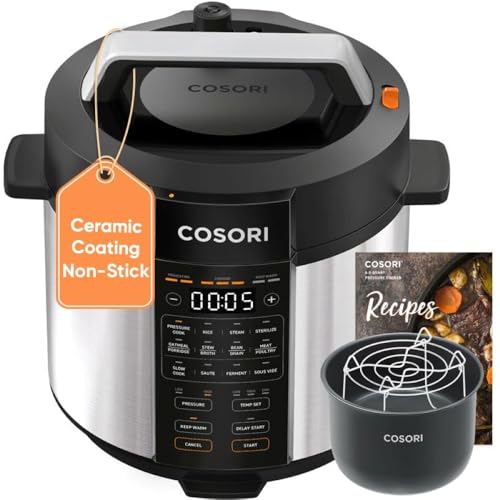
Cosori Pressure Cooker 6QT, Stainless Steel, 9-in-1 Multi Cooker, 12 Safety Features, Ceramic Inner Pot, Rice, Slow Cook, Sous Vide, Saute, 1100W
𝟵 𝗠𝗮𝗰𝗵𝗶𝗻𝗲𝘀 𝗶𝗻 𝟭: Pressure Cook, Rice, Steam, Sterilize, Oatmeal/Porridge, Stew/Broth, Bean/Grain, Meat/Poultry, Slow Cook, Sauté, Ferment, Sous…
As an affiliate, we earn on qualifying purchases.
As an affiliate, we earn on qualifying purchases.