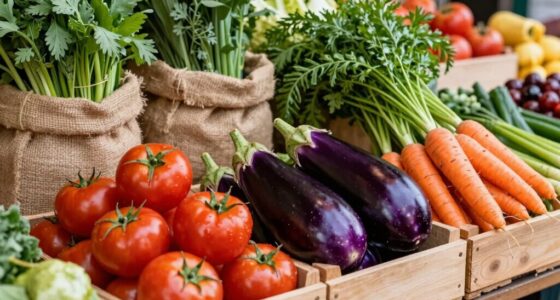
Budget Mediterranean meals are entirely possible with simple swaps and smart shopping. Focus on affordable ingredients like grains, seasonal vegetables, legumes, and in-season produce. Shop at farmers’ markets, bulk stores, or ethnic markets for better prices, and plan your meals to avoid waste. Using basic techniques like roasting or sautéing can boost flavor without extra costs. Keep it balanced with healthy fats and plant-based proteins. Keep discovering how to make the most of your ingredients for tasty, cost-effective meals.

Get health and wellness essentials delivered free — and shop member deals
- Fast, free delivery on millions of items
- Access to Prime Big Deal Days deals on October 6–7
- Prime Video, Amazon Music and more included
Key Takeaways
- Focus on staple ingredients like grains, legumes, seasonal vegetables, and affordable proteins for nutritious, cost-effective Mediterranean meals.
- Utilize seasonal produce, bulk buying, and local markets to maximize freshness and minimize expenses.
- Incorporate simple cooking techniques such as roasting, sautéing, and grilling to create flavorful meals with minimal tools and costs.
- Plan meals ahead, use leftovers creatively, and store ingredients properly to reduce waste and save money.
- Opt for dried herbs, dried cheeses, and budget-friendly oils to enhance flavor without overspending.
As an affiliate, we earn on qualifying purchases.
Is Mediterranean Cooking Really Affordable?
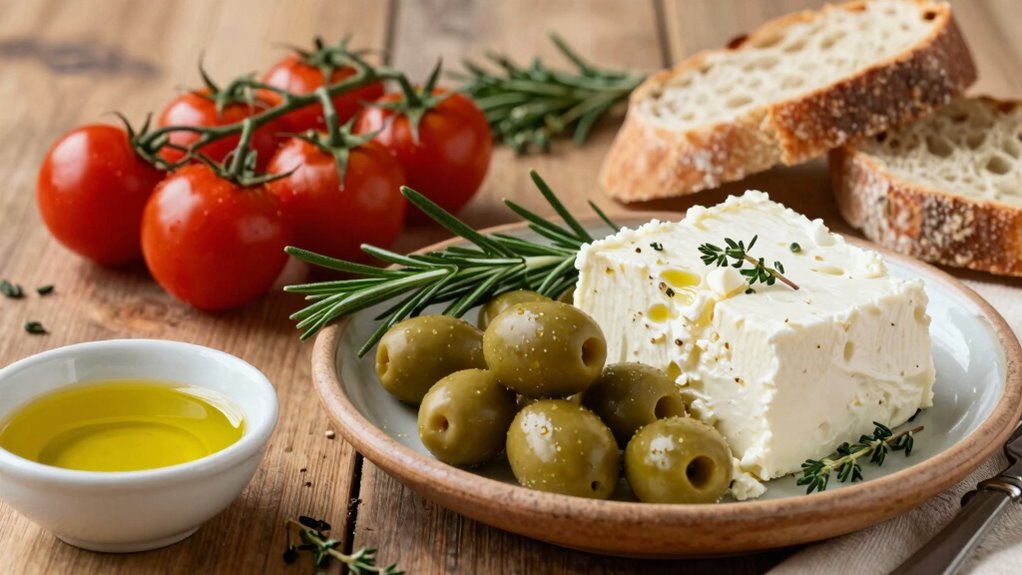
Many people wonder if Mediterranean cooking is truly budget-friendly, especially when they hear about fresh ingredients and diverse flavors. The answer depends on understanding its cultural influences and cooking techniques. Mediterranean cuisine draws from a variety of regions, blending simple methods like grilling, roasting, and sautéing that don’t require expensive tools or ingredients. These traditional techniques emphasize using seasonal, locally available produce, which keeps costs low. Incorporating cost-saving practices such as meal planning and batch cooking can further enhance affordability. Additionally, choosing energy-efficient cooking methods can help reduce household expenses while preparing wholesome meals. Instead of relying on costly spices or processed foods, you focus on fresh herbs, olive oil, and legumes, making meals affordable. Additionally, prioritizing seasonal produce can significantly reduce grocery expenses. By embracing these cultural influences and straightforward cooking methods, you can enjoy authentic Mediterranean flavors without breaking the bank. It’s about simplicity and resourcefulness, not extravagance. Incorporating traditional cooking techniques further enhances cost-effectiveness while preserving authentic flavors. Incorporating local ingredients not only supports community sustainability but also minimizes transportation-related costs.
As an affiliate, we earn on qualifying purchases.
Essential Ingredients for Budget-Friendly Mediterranean Meals

To keep your Mediterranean meals budget-friendly, start with pantry staples like grains and canned beans that are versatile and inexpensive. Incorporate affordable fresh produce such as tomatoes, cucumbers, and greens to add flavor and nutrition without breaking the bank. For protein, opt for budget-friendly options like lentils, chickpeas, or seasonal fish, which can make your meals both satisfying and economical. Additionally, choosing simple lifestyle tips can help you enjoy a Mediterranean-inspired diet without overspending. Using cost-effective shopping strategies can further maximize your budget and ensure you get the most value out of your ingredients. Remember, understanding meal planning techniques can also help you minimize waste and save money over time. Being mindful of seasonal produce can further reduce costs and enhance the freshness of your meals. Incorporating meal prep habits into your routine can help you avoid impulse buys and make meals last throughout the week.
Pantry Staples and Grains
Stocking your pantry with key grains and staples is essential for creating budget-friendly Mediterranean meals. When you organize your pantry, you can easily access a variety of grain varieties, making meal prep quick and efficient. Think beyond rice—include bulgur, couscous, lentils, and chickpeas to diversify your dishes. Proper pantry organization helps you keep these staples fresh and visible, reducing waste and saving money. Here’s a visual of common grains:
| Grain | Use | Storage Tip |
|---|---|---|
| Rice | Base for many dishes | Keep in airtight container |
| Bulgur | Salads, pilafs | Store in cool, dry place |
| Couscous | Quick side dish | Keep sealed in jar |
| Lentils | Soups, stews | Store in a dark, dry area |
| Chickpeas | Hummus, salads | Keep in sealed bag or jar |
These staples form the foundation of many budget-friendly Mediterranean meals.
Affordable Fresh Produce
Looking for fresh produce that fits your budget? Head to your local markets, where prices are often more affordable and produce is fresher. These markets usually stock seasonal fruits and vegetables, which tend to be cheaper and tastier. Use seasonality guides to know what’s in peak harvest, ensuring you get the best deals and quality. Focus on versatile ingredients like tomatoes, zucchini, and greens, which can be used in multiple Mediterranean dishes. Buying seasonal produce also supports local farmers and reduces transportation costs, keeping prices low. Incorporating local agricultural practices can further enhance the freshness and affordability of your ingredients. Avoid expensive out-of-season options that often cost more and lack flavor. With a little planning, your meals can be both delicious and budget-friendly by leveraging local markets and understanding seasonality guides.
Budget-Friendly Protein Sources
Affordable, high-quality protein sources are key to creating satisfying Mediterranean meals on a budget. To maximize protein variety without overspending, focus on plant-based options like beans, lentils, and chickpeas. These ingredients are versatile, nutritious, and cost-effective, making them perfect meat alternatives for many dishes. Canned or dried versions are budget-friendly and easy to store. Eggs also provide a cheap, reliable protein source and can be used in countless recipes. If you’re open to meat, opt for cheaper cuts like chicken thighs or ground turkey, which offer great flavor and nutrition at a lower cost. Incorporating these protein sources guarantees your meals remain filling, balanced, and authentic to Mediterranean flavors—all while keeping costs down. Child safety tips are also important when preparing meals to ensure a safe environment for little ones. Additionally, understanding nutritional benefits can help you choose the best ingredients for a healthy diet. Being aware of budget-friendly options can further help you plan meals without sacrificing quality or authenticity. Incorporating cost-effective ingredients can make a significant difference in maintaining a nutritious diet on a tight budget, especially when considering affordable protein sources that support overall health.
As an affiliate, we earn on qualifying purchases.
Where to Find Cheap Mediterranean Ingredients
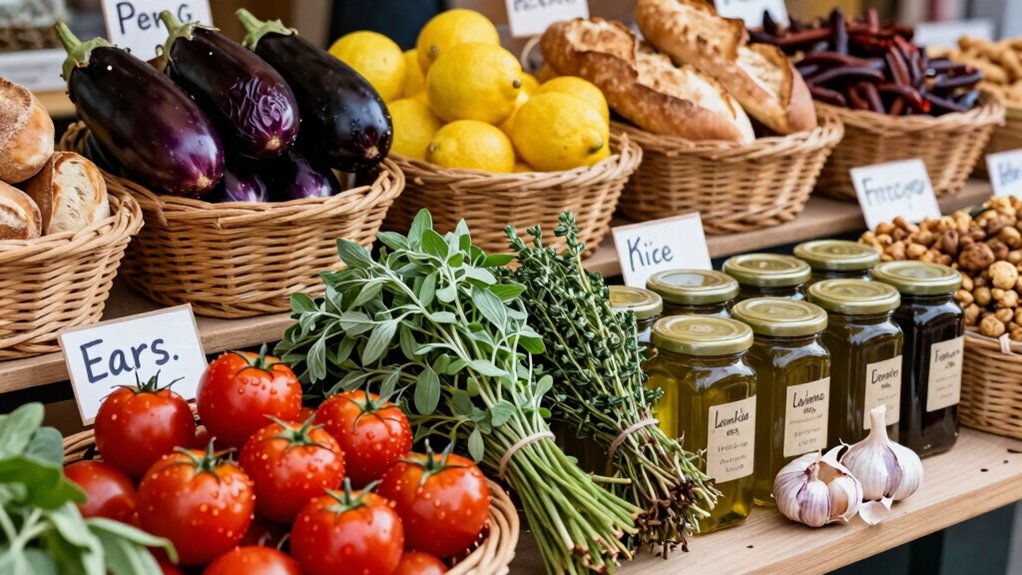
Finding budget-friendly Mediterranean ingredients is easier than you might think if you know where to look. Local markets, discount grocery stores, and bulk shops often offer fresh produce and pantry staples at lower prices. You can find quality olive oil and Mediterranean wine without overspending by shopping at farmers’ markets or ethnic stores specializing in Mediterranean imports. Consider buying in bulk to save on essentials like canned tomatoes, chickpeas, and spices. Community-supported agriculture (CSA) programs also provide fresh, affordable ingredients directly from farmers. Be mindful of olive oil quality—opt for extra virgin when possible, but don’t overspend; many good options are budget-friendly. Additionally, proper storage techniques can help preserve the freshness of your ingredients and prevent waste. Incorporating cost-effective shopping strategies can also help you stretch your dollars while maintaining authentic flavors in your Mediterranean meals. Being aware of seasonal produce can further reduce costs and enhance your dishes with peak flavors. Utilizing seasonal produce not only saves money but also ensures your meals are flavorful and nutritious.
affordable Mediterranean spice set
As an affiliate, we earn on qualifying purchases.
As an affiliate, we earn on qualifying purchases.
Simple Techniques to Save Money on Mediterranean Groceries
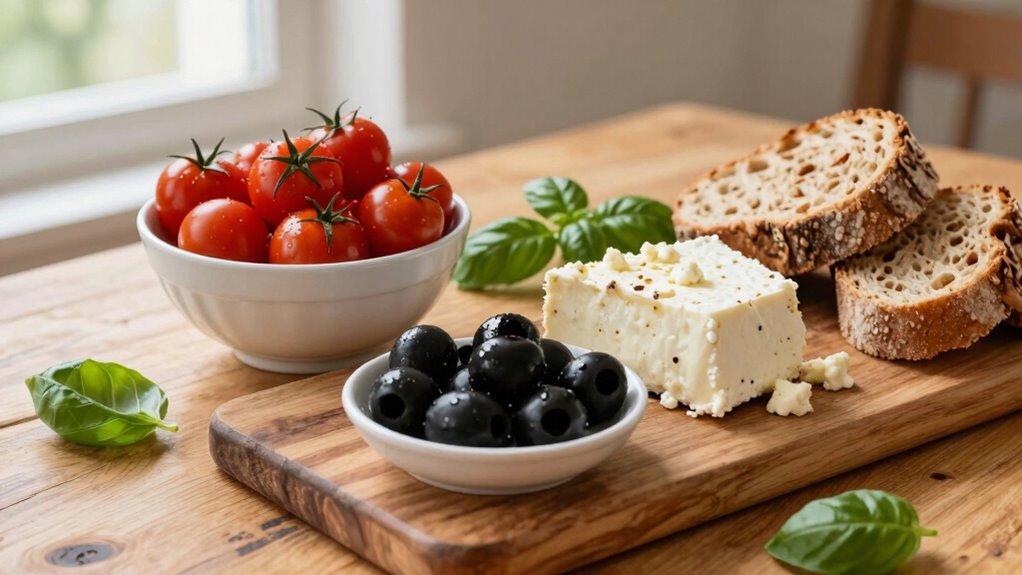
You can save money on Mediterranean groceries by shopping for seasonal produce, which is often cheaper and fresher. Buying in bulk also helps reduce costs and minimizes packaging waste. These simple techniques make sticking to your budget easier without sacrificing quality. Incorporating practical advice from lifestyle improvement strategies can further enhance your saving efforts. Additionally, being aware of current technology trends can help you find innovative ways to compare prices and access discounts more easily.
Shop Seasonal Produce
Shopping for seasonal produce is one of the easiest ways to cut costs on Mediterranean groceries. When you focus on seasonal shopping, your produce selection becomes more affordable and fresher. You’ll notice vibrant, ripe fruits and vegetables that are at their peak, meaning better flavor and nutrition. Incorporating technology reviews can also help you discover affordable kitchen gadgets that make preparing seasonal ingredients easier and more efficient. Imagine picking: – Juicy tomatoes bursting with flavor – Crisp cucumbers perfect for salads – Sweet peaches or plums in summer – Hardy root vegetables during fall. This approach aligns with notable figures in sports and entertainment who often promote healthy eating and seasonal ingredients as part of their wellness routines.
Buy in Bulk
Buying in bulk is one of the smartest ways to save money on Mediterranean groceries. It offers significant bulk savings and reduces packaging waste. To maximize benefits, invest in good storage solutions like airtight containers and vacuum sealers, which keep your ingredients fresh longer. Before shopping, plan meals around versatile staples like rice, beans, and olive oil, which store well and can be used in many dishes. Use the table below to identify common bulk items and ideal storage options:
| Item | Storage Solution | Shelf Life |
|---|---|---|
| Lentils | Airtight container | 1 year+ |
| Extra Virgin Olive Oil | Cool, dark place | 1-2 years |
| Dried Herbs | Small jars with tight lids | 6-12 months |
This approach guarantees you save money while keeping your Mediterranean ingredients fresh.
Easy and Cheap Mediterranean Recipes to Try Today

Discovering tasty Mediterranean meals doesn’t have to break the bank or require complicated ingredients. You can whip up flavorful, budget-friendly dishes with simple staples. For example, a hearty chickpea salad with fresh vegetables pairs perfectly with a glass of Mediterranean wine. Use different olive oil varieties to add depth—extra virgin for drizzling, or light olive oil for cooking. Consider these easy recipes:
- Tomato and cucumber salad with feta
- Lentil soup flavored with herbs
- Roasted vegetables with garlic and olive oil
- Pasta tossed in a simple tomato sauce
All these dishes are inexpensive, quick to prepare, and full of authentic Mediterranean flavors. They prove that you don’t need expensive ingredients to enjoy the vibrant tastes of the Mediterranean region.
Meal Planning Tips to Save Money and Reduce Waste
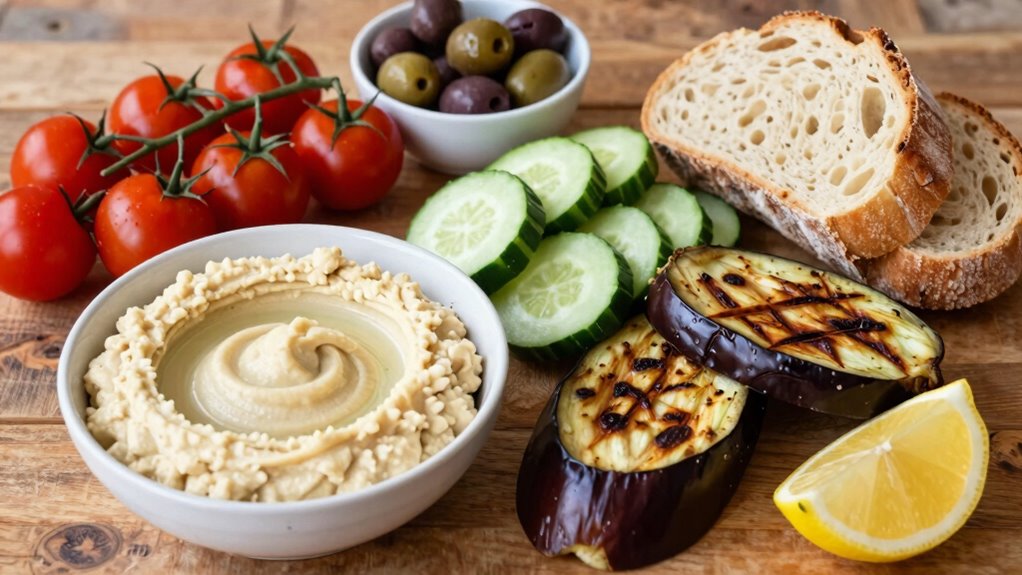
Building on those budget-friendly Mediterranean recipes, smart meal planning can help you save even more money and cut down on food waste. Start by doing meal prep, preparing ingredients in advance to avoid last-minute purchases or leftovers going bad. Use ingredient substitutions—swap out expensive items like specialty cheeses for more affordable options or replace fresh herbs with dried ones. Plan your meals around sales and seasonal produce to maximize savings. Stick to a shopping list based on your plan to prevent impulse buys. Store leftovers properly and repurpose them into new dishes, reducing waste. By carefully organizing your meals and being flexible with ingredients, you’ll stretch your budget further while enjoying fresh, healthy Mediterranean flavors.
Common Mistakes That Increase Mediterranean Meal Costs
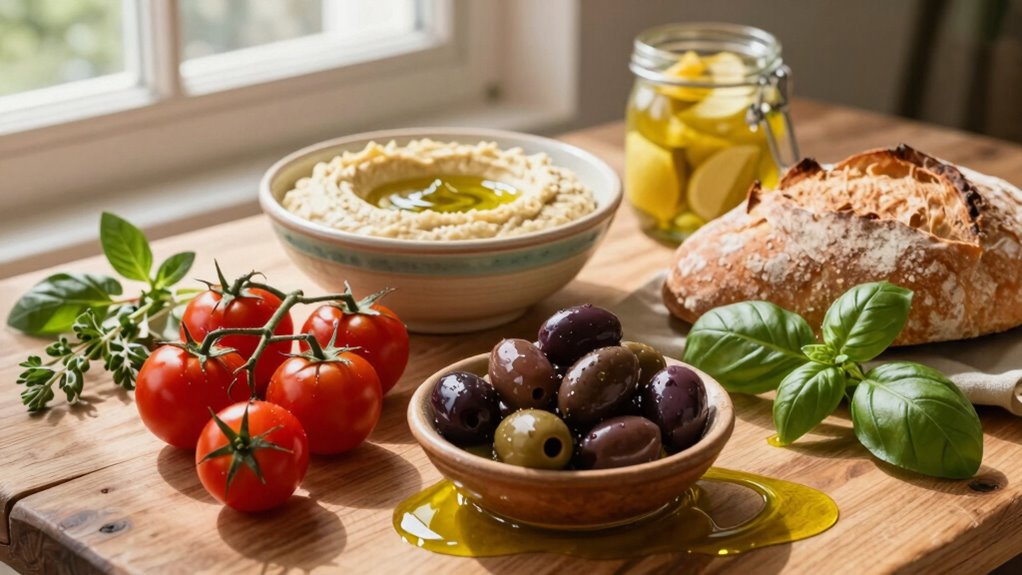
Many common mistakes can quickly inflate the cost of Mediterranean meals, even when you’re trying to stick to a budget. Buying expensive Mediterranean wine instead of affordable options can add unnecessary expense. Sticking to premium olive oil varieties when cheaper, quality alternatives exist is another mistake. Overbuying ingredients like specialty grains or fresh herbs leads to waste and higher bills. Additionally, relying on brand-name products rather than store brands or bulk options increases costs. You might also fall into the trap of shopping at specialty stores for ingredients, which can be pricier. Instead, focus on versatile, cost-effective ingredients, choose affordable olive oil varieties, and opt for wine that fits your budget. These small shifts can make a big difference in keeping your Mediterranean meals budget-friendly.
Balancing Nutrition and Budget in Your Mediterranean Diet

Balancing nutrition and budget in your Mediterranean diet requires strategic choices that prioritize both health and savings. Focus on affordable, nutrient-dense ingredients like beans, lentils, and seasonal vegetables to maintain the Mediterranean flavor without overspending. Embrace cost awareness by buying in bulk and choosing store brands, which help stretch your dollar. Incorporate healthy fats from olive oil and nuts, but in moderation, to keep meals balanced. Plan meals ahead to avoid impulse buys and food waste. Opt for versatile ingredients that can be used in multiple dishes, maximizing flavor and nutrition. By making mindful choices, you can enjoy the vibrant, wholesome essence of the Mediterranean diet while keeping costs manageable. This balance guarantees you nourish your body without sacrificing your budget.
Staying Inspired With Budget Mediterranean Meals Long-Term
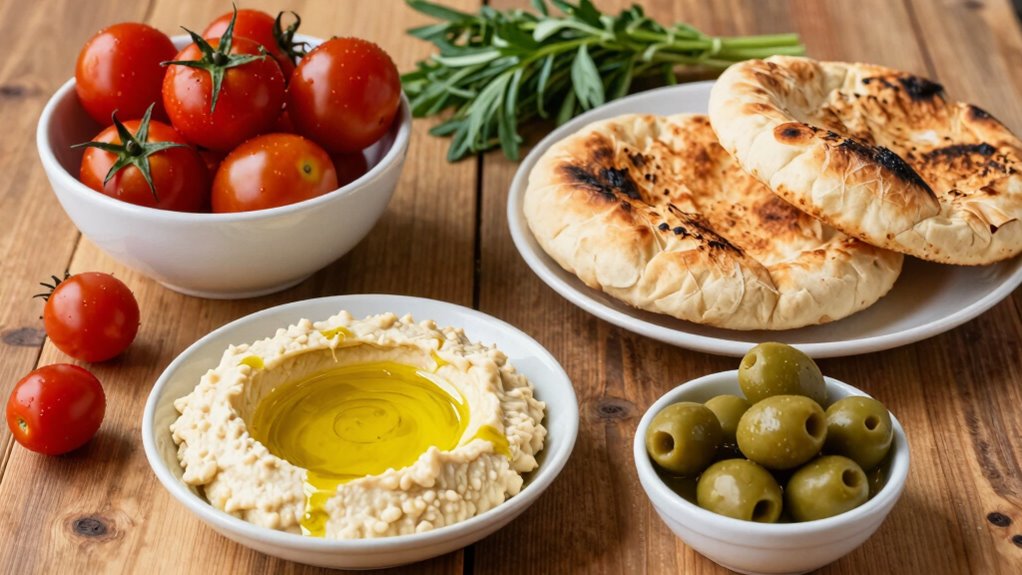
Maintaining enthusiasm for budget-friendly Mediterranean meals over the long term can be challenging, but staying motivated is key to making this lifestyle sustainable. To keep your interest alive, explore cultural influences that inspire authentic recipes, bringing diversity to your meals. Embrace modern adaptations that simplify traditional dishes without sacrificing flavor or health benefits. Regularly trying new ingredients or cooking techniques can spark excitement and prevent boredom. You might also:
- Rotate recipes inspired by different Mediterranean regions
- Incorporate seasonal produce for freshness and affordability
- Follow food blogs or social media for new ideas
- Share meals with friends or family to create a social connection
These strategies help you stay committed, making budget Mediterranean meals a lasting, enjoyable part of your routine.
Frequently Asked Questions
How Can I Adapt Mediterranean Meals for Large Families on a Budget?
You can adapt Mediterranean meals for large families on a budget by focusing on simple meal prep and ingredient substitutions. Buy in bulk to save money on staples like grains, beans, and vegetables. Use affordable protein options like eggs or canned fish. Swap expensive ingredients for local, seasonal produce, and incorporate versatile ingredients like tomatoes and cucumbers. These strategies help you create delicious, nutritious Mediterranean-inspired meals without breaking the bank.
Are Organic Mediterranean Ingredients Worth the Extra Cost?
Organic Mediterranean ingredients can be worth the extra cost if you prioritize ingredient quality and supporting organic farming practices. They often contain fewer pesticides and chemicals, which benefits your health and the environment. While they may be pricier, using organic ingredients can enhance the flavor and nutritional value of your meals. If budget allows, choose key items like olive oil, fresh produce, and herbs to maximize the benefits without overspending.
What Are the Best Seasonal Vegetables for Budget Mediterranean Cooking?
You should focus on seasonal vegetables like zucchini, eggplant, tomatoes, and bell peppers for budget Mediterranean cooking. These vegetables are affordable, flavorful, and perfect for traditional cooking techniques like roasting and sautéing. Enhance their flavors with Mediterranean spice blends such as za’atar or sumac. By sticking to seasonal produce and authentic techniques, you’ll create delicious, budget-friendly meals that capture the essence of Mediterranean cuisine without overspending.
How Do I Store Mediterranean Ingredients to Extend Their Shelf Life?
To extend your Mediterranean ingredients’ shelf life, follow these storage tips for ingredient preservation. Keep fresh herbs like parsley and basil in damp paper towels inside a resealable bag in the fridge. Store tomatoes at room temperature away from direct sunlight, and use airtight containers for olives and jarred items. For garlic and onions, keep them in a cool, dark, well-ventilated place. Proper storage helps maintain freshness and flavor longer.
Can I Incorporate Leftovers Into New Mediterranean Dishes Effectively?
Yes, you can effectively incorporate leftovers into new Mediterranean dishes through leftover repurposing and meal transformation. For instance, roasted vegetables can become a filling for wraps or salads, while cooked grains work great in veggie patties or soups. By creatively reusing ingredients, you save money and reduce waste, all while maintaining authentic Mediterranean flavors. Just make certain leftovers are stored properly to keep their freshness and safety for your next delicious meal.
Conclusion
Eating Mediterranean on a budget is like finding hidden treasure—you just need to know where to look and how to save. With affordable ingredients, smart shopping, and simple techniques, you can enjoy vibrant, nutritious meals without breaking the bank. Stick to your plan, avoid common pitfalls, and stay inspired. Before you know it, you’ll be savoring delicious, budget-friendly Mediterranean dishes that prove good food doesn’t have to cost a fortune.
Fall Picks
fall essentials
As an affiliate, we earn on qualifying purchases.