
To keep your lunch safe, focus on proper temperature control and using the right containers. Always use insulated lunchboxes with ice packs for cold foods and keep hot items above 140°F. Choose BPA-free, airtight containers for freshness and prevent cross-contamination. Don’t forget to store perishables promptly and label different items. If you stay alert about these simple steps, you’ll avoid common mistakes and guarantee your lunch stays safe until it’s time to eat. Keep going to discover more tips!
Key Takeaways
- Always use insulated containers and ice packs to keep perishable foods below 40°F until mealtime.
- Label and organize foods to prioritize eating older items first and prevent spoilage.
- Ensure containers are airtight and food-safe to prevent leaks and cross-contamination.
- Avoid leaving foods out at room temperature for more than two hours to prevent bacterial growth.
- Regularly check and maintain proper storage temperatures to ensure food safety.
insulated lunchbox with ice packs
As an affiliate, we earn on qualifying purchases.
As an affiliate, we earn on qualifying purchases.
Why Temperature Matters for Lunch Safety
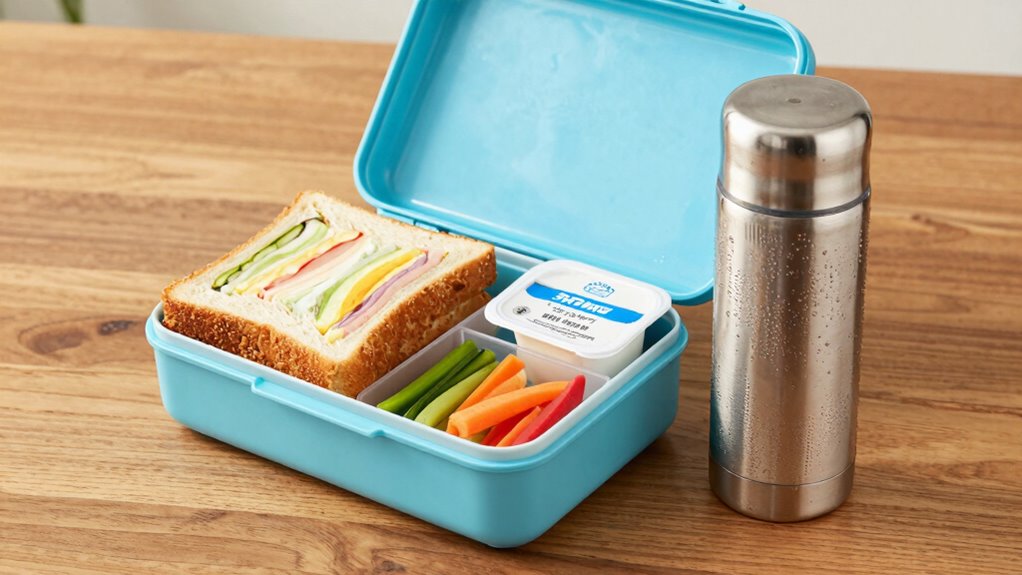
Temperature plays a crucial role in keeping your lunch safe to eat. When food isn’t kept at the right temperature, foodborne bacteria can grow rapidly, increasing the risk of illness. Cold foods should stay below 40°F, while hot foods need to stay above 140°F to prevent bacteria from multiplying. Proper temperature regulation is essential, especially when packing lunches in the morning and consuming them later in the day. If foods sit in the danger zone for too long, bacteria can thrive, making your meal unsafe. Using insulated containers, ice packs, or heat-retaining options helps maintain the correct temperature. Being mindful of food safety principles and temperature control ensures you’re effectively reducing the risk of foodborne bacteria, keeping your lunch both safe and delicious. Proper storage techniques, such as timely refrigeration or heating, are also vital in preventing bacterial growth and ensuring safety. Regularly monitoring the temperature of stored foods can help prevent bacterial proliferation and ensure food remains safe to eat. Remember, the proper storage of food is key to preventing bacterial growth and ensuring safety.
BPA-free airtight food containers
As an affiliate, we earn on qualifying purchases.
As an affiliate, we earn on qualifying purchases.
Choosing Food-Safe Containers to Prevent Contamination
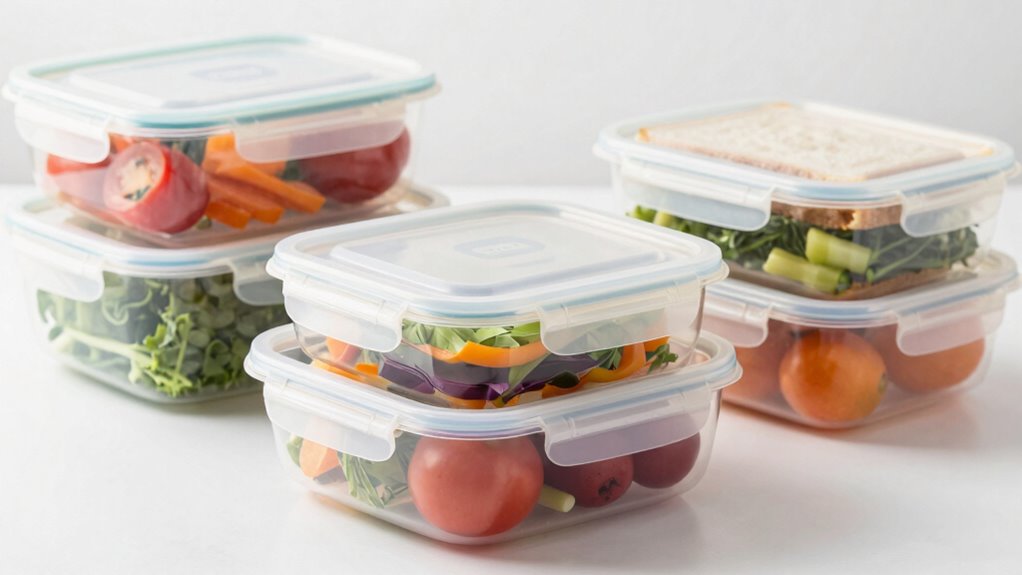
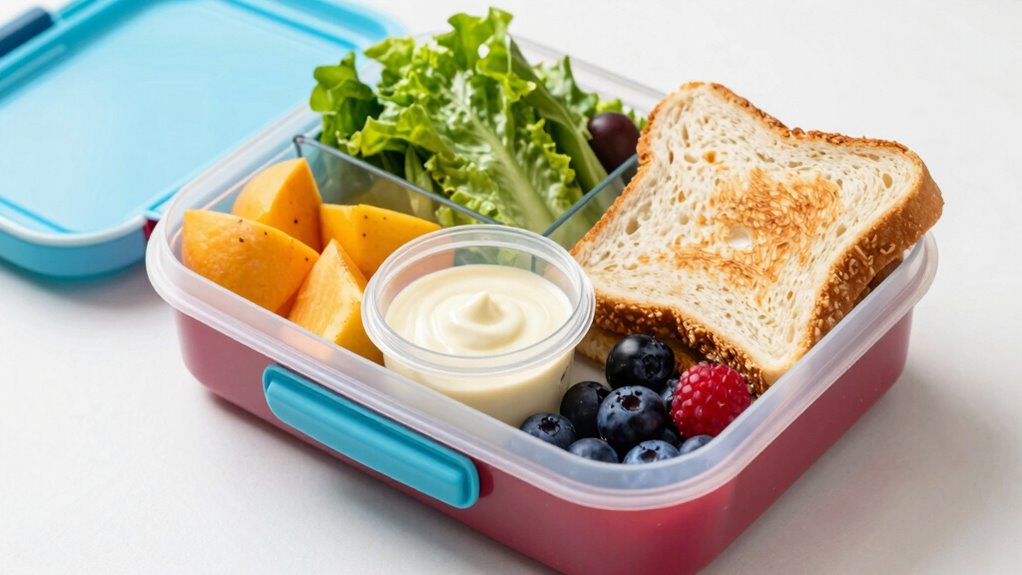
Choosing food-safe containers to prevent contamination plays a key role in keeping food safe from contamination. Opt for reusable containers made from BPA-free plastics to guarantee safety and durability. BPA-free plastics won’t leach harmful chemicals into your food, reducing health risks. Make sure containers have tight-fitting lids to prevent leaks and cross-contamination. Avoid single-use plastics or containers that are cracked or scratched, as bacteria can hide in damaged areas. When selecting reusable options, verify they’re labeled as food-safe and dishwasher-safe for easy cleaning. Proper container choice helps keep your food fresh and prevents contamination from external sources. Using safe materials in your containers is an easy step to enhance your lunchbox safety. Additionally, choosing containers made from food-safe plastics can further minimize the risk of chemical leaching. Regularly inspecting your containers for damage and replacing them when necessary also plays a crucial role in maintaining biodiversity by reducing waste and supporting sustainable practices. Incorporating air quality considerations, such as storing food in a clean environment, can further reduce the risk of contamination. Ensuring your containers are chemical-free is another important aspect to prevent potential health hazards. Consistently using the right, safe containers is a simple but essential step in maintaining lunchbox food safety.
As an affiliate, we earn on qualifying purchases.
How to Pack and Store Your Lunch Safely
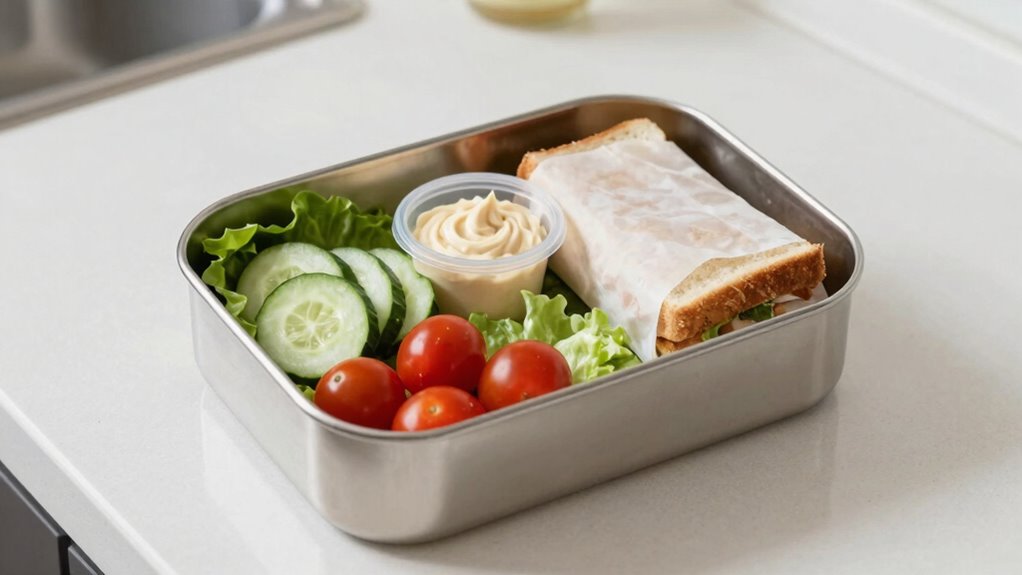
To pack and store your lunch safely, it’s essential to organize your food properly and use the right techniques to prevent bacteria growth and spoilage. Proper food storage and packing techniques help keep your meal fresh and safe to eat. Use airtight containers for perishable items, and keep cold foods below 40°F by packing them with ice packs. Labeling your containers ensures you eat the oldest food first. Consider the following table for effective food storage:
| Food Type | Storage Tips | Duration |
|---|---|---|
| Dairy & Meat | Keep refrigerated, airtight containers | 1-2 days |
| Fruits & Veggies | Use breathable produce bags | 3-5 days |
| Snacks | Store in sealed containers | 1 week |
| Leftovers | Cool quickly, refrigerate promptly | 3-4 days |
Following these tips ensures your lunch stays safe and fresh. Additionally, understanding food safety practices can help prevent cross-contamination and ensure your meals remain nutritious and secure. Properly handling perishable foods is crucial for maintaining the safety and quality of your meal throughout the day. Regularly monitoring storage temperatures is also important to prevent bacterial growth and spoilage. Being aware of proper storage techniques can further enhance your efforts to keep food safe. Furthermore, paying attention to food expiration dates helps ensure you consume items while they are still safe and at their best quality.
As an affiliate, we earn on qualifying purchases.
Common Food Safety Mistakes and How to Avoid Them

One common mistake people make is neglecting proper hand hygiene before handling food, which can easily introduce bacteria and cause foodborne illnesses. To avoid this, wash your hands thoroughly with soap and water before packing or touching your child’s lunch. Another mistake is ignoring food allergy awareness; always check labels carefully to identify potential allergens and prevent cross-contact. Failing to read labels can lead to accidental exposure to allergens, which can be dangerous. Additionally, not separating raw and cooked foods increases the risk of cross-contamination. Always use clean containers and utensils, and double-check ingredient labels for any hidden allergens or unsafe ingredients. Being mindful of these mistakes helps keep your lunch safe and allergy-friendly. Remember, understanding food safety practices is essential for preventing illness and ensuring a healthy meal. Incorporating proper kitchen organization techniques can also help you maintain a cleaner, safer food preparation environment. Proper food storage methods are equally important to prevent spoilage and bacterial growth. Paying attention to storage temperatures can further reduce the risk of bacterial proliferation. Additionally, staying informed about food safety guidelines can help you adapt to new challenges and ensure your food remains safe.
Tips to Keep Your Lunch Safe Until Mealtime
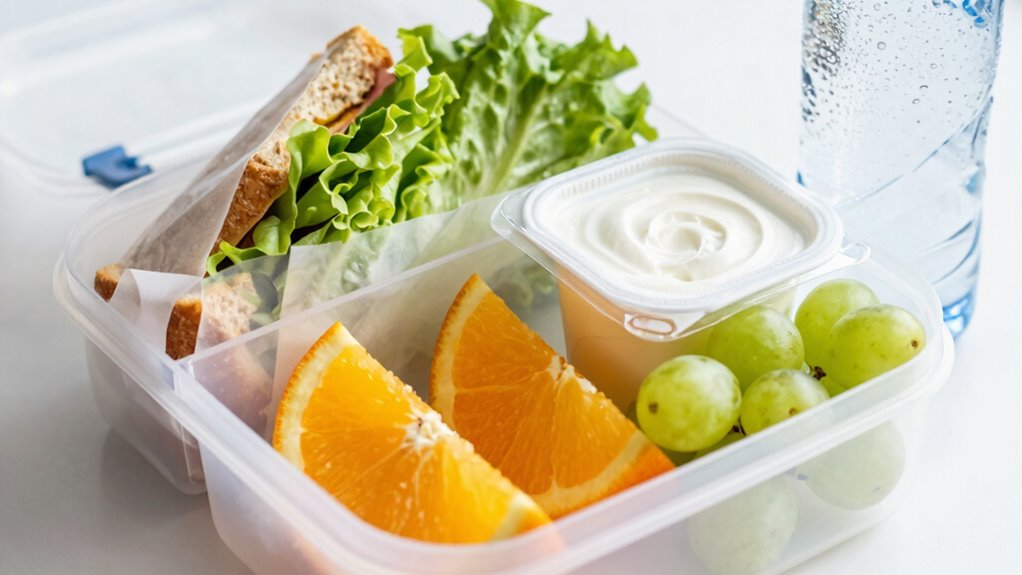
Keeping your lunch safe until mealtime requires staying mindful of temperature and storage. Proper meal prep helps maintain ingredient freshness, preventing bacterial growth. Use an insulated lunchbox or cooler with ice packs to keep perishable foods cold. If your meal includes leftovers or dairy, store them immediately in the fridge or cooler. Avoid leaving food out in warm settings for more than two hours. Check temperatures with a food thermometer—hot foods should stay above 140°F, cold below 40°F. Regularly monitor food safety practices to ensure your meal remains safe. Maintaining proper storage conditions can further reduce the risk of foodborne illness, especially when understanding temperature control techniques. Being aware of proper food handling can also make a significant difference in keeping your lunch safe.
Frequently Asked Questions
How Long Can Lunch Leftovers Safely Stay at Room Temperature?
You should not leave lunch leftovers at room temperature for more than two hours, as per temperature guidelines. Bacteria grow quickly in the “danger zone” between 40°F and 140°F, increasing the risk of food spoilage. If leftovers sit out longer, they can become unsafe to eat, so it’s best to refrigerate or discard them promptly. Staying mindful of these guidelines helps prevent foodborne illnesses.
Are Reusable Containers More Hygienic Than Disposable Ones?
Reusable containers are generally more hygienic than disposable ones if you clean them properly, as they can be thoroughly washed and sanitized between uses. Material comparison shows that glass and stainless steel are less porous, making them easier to keep clean and bacteria-free. Additionally, reusable containers have a lower environmental impact, reducing waste and plastic pollution. Just make sure you regularly clean your containers to maintain hygiene and safety.
What’s the Best Way to Clean Lunchbox Containers Thoroughly?
To clean lunchbox containers thoroughly, you should focus on proper cleaning techniques suited to your container material. For plastic or metal, wash with hot, soapy water and use a brush to reach corners. For glass, you can use a dishwasher or hand wash with a sponge. Make sure to dry completely to prevent bacteria growth. Regularly sanitize with a mixture of vinegar and water or mild bleach solution to keep your containers safe.
Can Certain Foods Be Stored Together Safely in a Lunchbox?
Sure, you can store certain foods together—just think of it as a fun food pairing experiment! But beware: some foods, like fruit and dairy, need storage tips to avoid unwanted surprises. For example, keep moist items away from dry ones to prevent sogginess or spoilage. Always check food compatibility, and store items in airtight containers. This way, your lunch remains fresh, safe, and delicious without the unexpected food mishaps.
How Do I Know if My Lunch Has Been Contaminated?
You’ll know your lunch is contaminated if it smells sour, looks slimy, or has mold. Food spoilage and bacterial growth occur when perishable foods aren’t stored properly or left out too long. Bacteria can multiply quickly at unsafe temperatures, making your food unsafe to eat. Always check for unusual odors, discoloration, or texture changes, and if in doubt, discard the food to prevent foodborne illnesses.
Conclusion
By mastering minimal mistakes and maintaining mindful measures, you’ll make lunchtime safe and simple. Keep containers clean, cool, and correctly covered to combat contamination. Consistently check temperatures, avoid careless cross-contact, and stay vigilant about food freshness. With these small steps, you prevent problems and promote proper packing practices. Ultimately, your commitment to cleanliness, care, and caution creates a carefree, confident, and safe lunchtime for everyone.