
TL;DR

Get health and wellness essentials delivered free — and shop member deals
- Fast, free delivery on millions of items
- Access to Prime Big Deal Days deals on October 6–7
- Prime Video, Amazon Music and more included
The FDA has issued a Class I recall of eggs linked to Salmonella contamination. The recall affects several states and involves millions of eggs. Consumers are advised to check for recalled products.
The Food and Drug Administration (FDA) has announced a Class I recall of eggs produced by Midwest Poultry Services due to potential Salmonella contamination. The recall involves millions of eggs distributed across multiple states and is considered the most serious level of recall, indicating a high risk of health hazards to consumers.
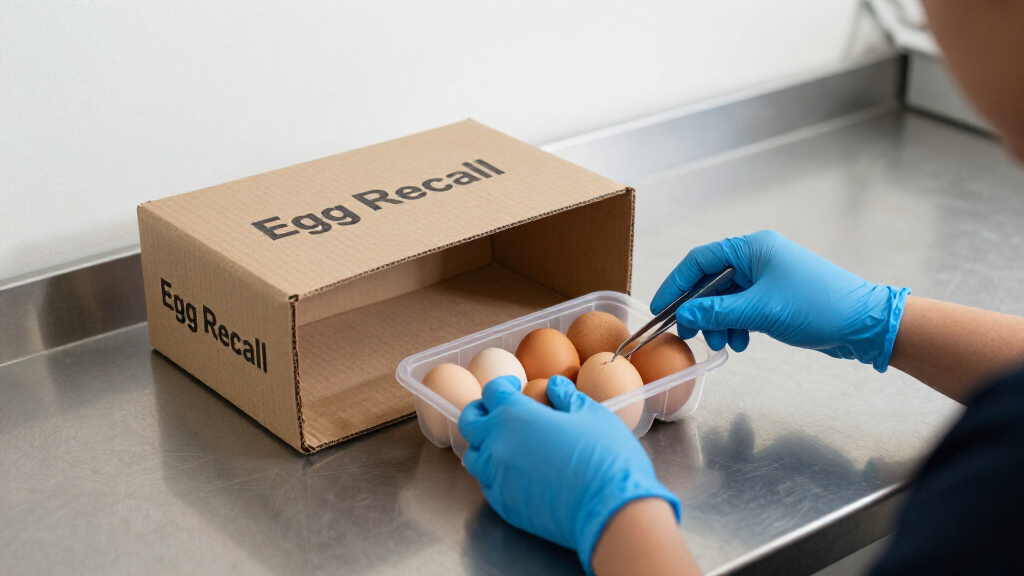
The recall was initiated after routine testing identified Salmonella bacteria in eggs from the Midwest Poultry Services facility, which prompted an Egg Recall. The FDA has classified this as a Class I recall, which is reserved for situations where there is a reasonable probability that the use of or exposure to the product will cause serious health consequences or death. For more details, see the recent FDA recall announcement.
According to the FDA, the affected eggs were distributed to grocery stores and foodservice providers across at least 10 states, including Illinois, Indiana, Ohio, and Michigan. The recall covers approximately 5 million eggs, with production dates ranging from February 10 to March 1, 2024. Consumers are advised to check their eggs for specific lot numbers and discard any that match the recalled batches.
Midwest Poultry Services has cooperated with health authorities and has halted production at the affected facility. The FDA is investigating the source of contamination and has stated that there is no evidence of illness linked to these eggs yet, but the risk remains significant due to the nature of Salmonella infections.
Implications of the Class I Egg Recall for Public Health
This recall highlights the ongoing concern over food safety and Salmonella contamination in the poultry industry. Salmonella can cause severe illness, especially in vulnerable populations such as children, the elderly, and immunocompromised individuals. The recall underscores the importance of proper handling and cooking of eggs and raises awareness about food safety practices among consumers.
Health officials emphasize that this recall could prevent potential outbreaks, but it also raises questions about supply chain oversight and the effectiveness of routine testing protocols. The FDA’s classification as a Class I recall indicates the potential for serious health consequences if contaminated eggs are consumed.
As an affiliate, we earn on qualifying purchases.
Recent Egg Recalls and Salmonella Concerns in the US
Egg recalls due to Salmonella have been a recurring issue in the United States, with previous high-profile cases in 2023 and earlier years. The FDA and USDA regularly monitor poultry facilities and conduct testing, but contamination incidents still occur, often leading to large-scale recalls. The current recall by Midwest Poultry Services is part of ongoing efforts to contain and prevent such outbreaks, which have historically caused hundreds of illnesses annually.
This specific recall follows a series of inspections and testing that identified the contamination, prompting swift action by regulatory authorities. The industry has faced increasing scrutiny over safety standards, with some critics calling for stricter regulation and better oversight.
“We are taking all necessary steps to protect public health by removing potentially contaminated eggs from the market. Consumers should check their eggs and discard any from the affected batches.”
— FDA spokesperson
As an affiliate, we earn on qualifying purchases.
Unresolved Questions About Contamination Source and Scope
It is not yet clear exactly how the Salmonella contamination occurred at Midwest Poultry Services. The investigation is ongoing, and officials have not confirmed the specific source of the bacteria. Additionally, the full scope of distribution and whether other facilities are involved remains under review.
There is also uncertainty about whether any illnesses have been reported linked to the eggs, as no confirmed cases have been publicly disclosed so far.
As an affiliate, we earn on qualifying purchases.
Next Steps in Investigation and Consumer Guidance
Health authorities are continuing their investigation into the contamination source and are expected to release more details soon. Consumers are advised to check their eggs against the lot numbers provided by the FDA and to discard any eggs from the affected batches. The FDA and USDA will likely increase monitoring and testing efforts to prevent future incidents.
Further recalls or safety alerts may be issued if additional contaminated products are identified or if other facilities are implicated. Consumers should stay informed through official channels for updates.
egg storage container with safety labels
As an affiliate, we earn on qualifying purchases.
As an affiliate, we earn on qualifying purchases.
Key Questions
Which eggs are affected by the recall?
The recall covers approximately 5 million eggs produced by Midwest Poultry Services between February 10 and March 1, 2024. Consumers should check the lot numbers on their eggs against the details provided by the FDA.
How can I tell if my eggs are part of the recall?
Check the carton for lot numbers and production dates. The affected batches are listed on the FDA website and recall notices. If your eggs match these details, discard them immediately.
What are the health risks associated with Salmonella in eggs?
Salmonella can cause symptoms such as diarrhea, fever, and abdominal cramps. In vulnerable populations, it can lead to severe illness or hospitalization. Proper cooking of eggs can reduce the risk.
Has anyone reported illness from these eggs?
As of now, no confirmed cases of illness linked to the recalled eggs have been reported, but health officials remain vigilant and are monitoring for any signs of outbreaks.
Source: google-trends
Fall Picks
fall essentials
As an affiliate, we earn on qualifying purchases.