
TL;DR

Get health and wellness essentials delivered free with Prime
- Fast, free delivery on millions of items
- Prime Video, Amazon Music and more included
- Member-only deals all year
A Sixty and Me essay published after its author returned from walking the Camino in Portugal and Spain says online advice about gear can be contradictory, overly authoritative and shaped by marketing. The writer says recommendations should be weighed against a traveler’s route, abilities and preferences, while distinguishing personal opinion from qualified, evidence-based guidance.
A contributor to Sixty and Me has described receiving a surge of online ads and recommendations about walking the Camino after returning from a trek in Portugal and Spain, arguing that gear advice that suits one pilgrim may not suit another. The first-person essay says some guidance can be useful, but its relevance depends on a walker’s route, abilities and travel arrangements.
The writer says that in the week after returning, social media feeds, emails and advertisements were filled with advice on what to pack, what to wear, which shoes to buy and whether to carry walking poles. The volume was a sharp change from the few posts a day she recalled seeing while preparing for the trip in September. She says the advertising appeared to keep treating her as someone planning the walk, rather than someone who had completed it.
Much of the advice conflicted, the essay says: some recommendations favored hiking boots while others advised against them, and opinions differed on walking poles. The writer argues that recommendations are often delivered as if they were universal rules, even though people’s circumstances differ. A pilgrim carrying all their belongings may need different equipment from someone using luggage transfers; people staying in shared accommodation may pack differently from those booking private rooms.
The author says she spent months researching and preparing, then changed some plans as she learned more. She walked without poles but says she used them on difficult terrain. She also observed that some pilgrims left poles at accommodation for others to use. The essay does not provide counts or independent evidence about how often that happens; it presents the observation as the writer’s experience, not a general measure of Camino practice.
Personal Needs Shape Gear Choices
The essay’s point extends beyond Camino equipment: a recommendation based on one person’s experience may not transfer to someone with different needs, preferences or resources. For travelers preparing for an unfamiliar route, that distinction can affect what they buy, pack and carry. A confident recommendation is not, by itself, proof that a particular item is necessary for every walker.
The writer also describes how a large volume of online information can make decisions harder. When advice conflicts, people may keep researching rather than settle on a plan that fits them. The essay suggests treating personal accounts as one source of information, rather than instructions, and considering the circumstances behind them.
That argument has limits. The article does not advise readers to disregard qualified professionals or evidence-based guidance, particularly on health and safety. Its distinction is between professional guidance and an individual’s preference presented as a rule. Readers planning a demanding trip still need to consider the specific route and their own capabilities; the essay does not offer a substitute for route-specific or professional advice.
Products Worth Considering

KitchenAid Artisan 5-Quart Tilt-Head Stand Mixer, KSM150PS, Almond Cream
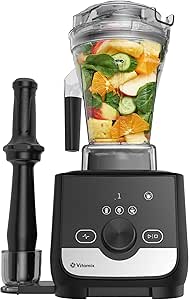
Vitamix Ascent X3 Professional-Grade Blender, 3 Programs, Shadow Black

Cuisinart Chef's Classic 11-Piece Stainless Steel Cookware Set
As an affiliate, we earn on qualifying purchases.
From Preparation to Post-Trip Ads
The report is a first-person essay, not a survey of Camino walkers or an independently tested review of equipment. The writer says she began seeing a smaller number of Camino-related posts while preparing for a September trip, then encountered what she describes as an avalanche of content after returning. She speculates that social media algorithms recognized her earlier interest but did not account for the trip being over; the essay does not identify a platform or provide evidence about how its recommendation system worked.
Her examples focus on packing, footwear and walking poles. She says some advice may reflect marketing presented as helpful recommendations, while other guidance reflects an individual pilgrim’s experience. The article does not name particular advertisers or products, and it does not establish that any specific recommendation was paid promotion.
The writer’s practical example is that poles can help on difficult terrain, but she did not consider them necessary for her entire walk. She compares the choice to differing personal tastes and says her own decisions changed during preparation. This account illustrates her argument, but it cannot establish what equipment is suitable for every pilgrim or route.
Limits of One Walker’s Account
The essay does not identify its publication date, the exact Camino route, the platforms involved, or the specific products advertised. It also does not provide independent data on how common contradictory gear recommendations are, how many pilgrims leave poles behind, or whether particular ads were paid placements. The author’s observations about advertising, equipment and other walkers remain personal experiences.
It is also unclear how the writer’s equipment choices would apply to other routes, weather, fitness levels or mobility needs. The source does not set out a universal packing list or assess the safety of walking with or without poles. Its conclusion is narrower: people can consider others’ experiences while making choices suited to their own circumstances.
How Readers Can Apply the Advice
The essay reports no follow-up study, organizational response or planned change to advertising practices. For people preparing for a Camino or another trip, its practical suggestion is to research the specific journey, compare recommendations with personal needs and preferences, and recognize when further searching is no longer helping. The writer’s own preparation included revising plans as she learned more.
Readers should distinguish personal gear preferences from advice grounded in expertise, especially where health or safety is involved. The source offers no official guidance on equipment, so walkers will need to make route-specific decisions using information relevant to their own circumstances. Whether social media recommendations change after a trip ends is not addressed in the report.
Key Questions
What is the Sixty and Me article about?
It is a first-person account of a contributor receiving a wave of Camino-related posts and ads after returning from a walk in Portugal and Spain. The writer argues that advice should not be treated as universal when travelers’ needs differ.
Does the writer say walking poles are useless?
No. The writer says poles can be helpful, particularly on difficult terrain, and reports using them in those conditions. Her point is that they may not be a necessary purchase for every walker or every route.
Does the essay recommend ignoring expert advice?
No. The author explicitly distinguishes personal preferences from qualified professional guidance and evidence-based recommendations, particularly on health and safety. She says listening to advice does not require following every recommendation.
What remains unverified in the report?
The article does not provide independent data about how frequently pilgrims leave poles behind, whether named advertisements were paid marketing, or how recommendation algorithms handled the writer’s post-trip activity. Those details are not established by the first-person account.
Source: sixtyandme.com