
TL;DR
Listen free for 30 days with Audible
Thousands of audiobooks and originals — cancel anytime.
Start your free trialAs an affiliate, we earn on qualifying purchases.
São Paulo has confirmed over 58,000 dengue cases this year, highlighting a significant public health challenge. Authorities are monitoring the situation as cases continue to rise, with the situation still developing.
São Paulo has confirmed more than 58,000 cases of dengue since the beginning of 2024, according to official reports from Agência Brasil. This surge in cases underscores a growing public health concern in the city, which is already mobilizing efforts to contain the outbreak amid rising infections. The exact causes of the spike are still being analyzed, but authorities warn that the situation remains critical.
The São Paulo municipal health department announced that as of March 2024, there have been over 58,000 confirmed cases of dengue in the city since the start of the year. This figure represents a significant increase compared to the same period in previous years, with health officials warning that the outbreak is intensifying. The majority of cases are concentrated in urban districts, where stagnant water and inadequate sanitation facilitate mosquito breeding.
Health authorities have reported that the number of hospitalizations related to dengue has also risen, although no official death toll has been announced at this time. The city’s epidemiological surveillance teams are actively working to identify hotspots and implement targeted vector control measures, including fumigation and public awareness campaigns. Despite these efforts, the number of new cases continues to grow, indicating that the outbreak remains uncontrolled.
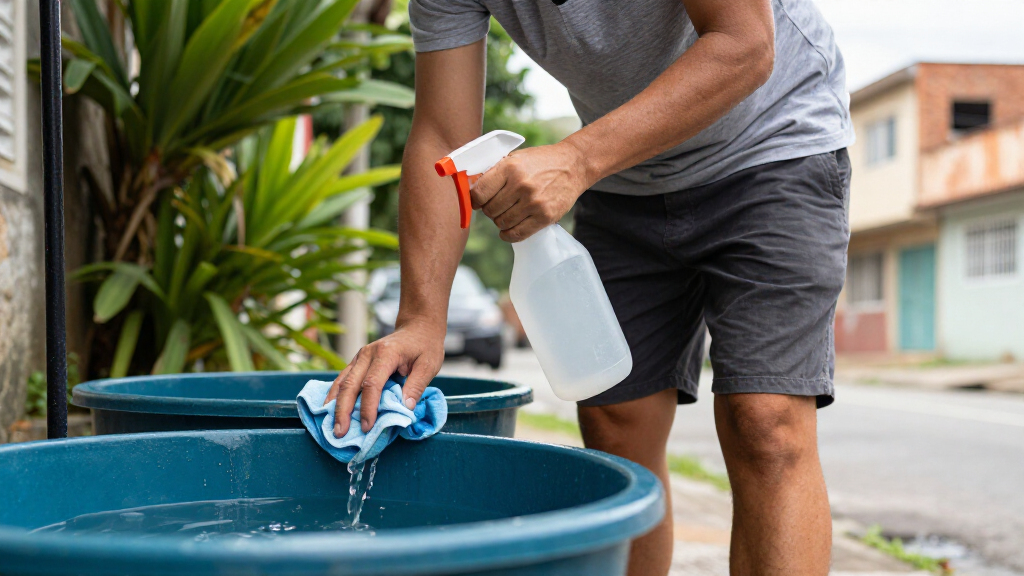
Experts point out that the ongoing rainy season has created ideal conditions for Aedes aegypti mosquitoes, which transmit dengue. Local officials emphasize that community participation is essential to reduce breeding sites, such as discarded containers, tires, and water tanks, to curb the spread of the disease. The health department has urged residents to eliminate standing water around their homes and to seek medical attention if symptoms appear.
Public Health Risks and Urgent Response Needed
The rising number of dengue cases in São Paulo highlights a significant public health challenge, with potential risks of severe illness and strain on healthcare resources. The outbreak underscores the importance of effective vector control and community engagement to prevent further spread. If unchecked, the epidemic could lead to increased hospitalizations and, in worst-case scenarios, fatalities.
Authorities’ ability to contain the outbreak depends heavily on coordinated efforts between government agencies and residents. The current surge also raises concerns about the potential for the disease to spread to neighboring regions, especially during the rainy season when mosquito populations are at their peak.
mosquito repellent for dengue prevention
As an affiliate, we earn on qualifying purchases.
As an affiliate, we earn on qualifying purchases.
Recent Trends and Factors Contributing to the Outbreak
Historically, dengue outbreaks in São Paulo tend to increase during the rainy season, which runs from December through March. The city has experienced similar surges in past years, but the current count of over 58,000 cases marks a notable rise compared to previous years’ figures at this point. Experts attribute the spike to environmental factors such as heavy rainfall, which creates breeding grounds, as well as urban infrastructure challenges that hinder effective water drainage.
Recent years have also seen increased awareness campaigns and vector control efforts, but the persistence of high case numbers suggests that these measures have yet to fully contain the outbreak. The COVID-19 pandemic has also complicated public health responses, diverting resources and attention from vector control initiatives. The current trend is prompting renewed calls for integrated disease management strategies.
As an affiliate, we earn on qualifying purchases.
Unconfirmed Factors and Ongoing Investigations
It is not yet clear whether the current surge is solely due to environmental conditions or if other factors, such as changes in mosquito resistance or gaps in vector control, are contributing. The exact impact of recent urban infrastructure issues and public health measures is still under review. Additionally, the potential for underreporting or delays in case confirmation remains a concern for officials.
As an affiliate, we earn on qualifying purchases.
Monitoring, Control Measures, and Future Outlook
Health authorities plan to intensify vector control campaigns, including targeted fumigation and public education efforts, especially in high-incidence districts. Surveillance will continue to track new cases and identify emerging hotspots. Experts expect the situation to be closely monitored over the coming months, particularly as the rainy season persists. Long-term strategies may include infrastructure improvements and increased community engagement to sustainably reduce breeding sites.
As an affiliate, we earn on qualifying purchases.
Key Questions
How many dengue cases have been reported in São Paulo so far in 2024?
Over 58,000 confirmed cases have been reported since January 2024, according to official data from Agência Brasil.
What are the main factors contributing to the dengue outbreak?
Environmental conditions like heavy rainfall, urban infrastructure issues, and ongoing vector control challenges are believed to be major contributors to the surge in cases.
Are there any fatalities from dengue reported this year?
As of now, there have been no official reports of deaths related to dengue in São Paulo this year, but hospitalizations are increasing.
What can residents do to protect themselves?
Residents are advised to eliminate standing water around their homes, use mosquito repellents, and seek medical attention if symptoms such as fever, headache, or muscle pain occur.
Authorities are conducting targeted fumigation campaigns, public awareness initiatives, and encouraging community participation in reducing mosquito breeding sites.
Source: local
NFL season / tailgating Picks
team gear
As an affiliate, we earn on qualifying purchases.