
TL;DR

Get health and wellness essentials delivered free with Prime
- Fast, free delivery on millions of items
- Prime Video, Amazon Music and more included
- Member-only deals all year
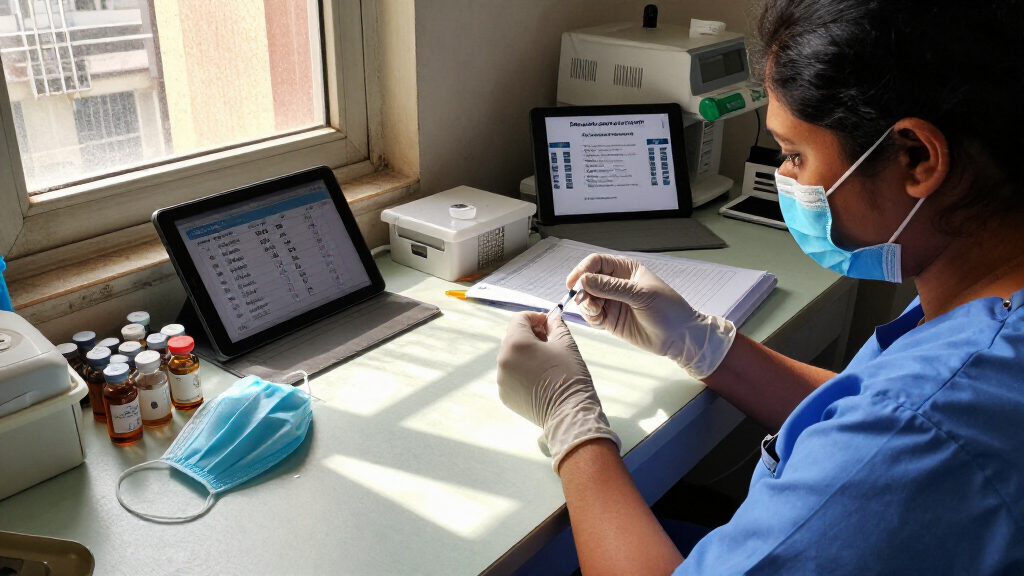
Delhi has reported a total of 2,308 H1N1 influenza cases amid a recent surge. Authorities state the situation is under control, but health officials continue monitoring the outbreak closely.
Delhi health authorities have confirmed that the city has reported a total of 2,308 cases of H1N1 influenza amid a recent surge in flu cases. Delhi Minister Saurabh Bharadwaj stated that the situation is under control and that measures are in place to manage the outbreak, despite the rising numbers. This development comes as the city experiences a significant increase in flu-related illnesses, raising concerns among residents and health officials alike.
The Delhi government announced that as of the latest health bulletin, 2,308 H1N1 cases have been recorded this season, marking a notable rise from previous months. Health officials attribute the surge to seasonal changes and increased transmission rates, but emphasize that the outbreak is being actively managed. The Delhi government has intensified surveillance, increased testing, and launched awareness campaigns to curb the spread of the virus.
Delhi’s Health Minister Saurabh Bharadwaj reassured residents during a press conference, saying, “The situation is under control. We are closely monitoring the cases and have adequate healthcare resources to handle the surge.” Authorities have also increased the availability of antiviral medications and hospital beds for severe cases. No deaths related to H1N1 have been officially reported so far, but health officials remain vigilant.
Public health advisories recommend preventive measures such as wearing masks, maintaining hygiene, and avoiding crowded places. Hospitals across Delhi have reported an uptick in flu-related admissions, but officials maintain that the healthcare system is coping well with the current caseload.
Why the H1N1 Surge in Delhi Is a Public Health Concern
The surge of 2,308 H1N1 cases in Delhi highlights the ongoing threat of influenza outbreaks during seasonal transitions. While officials state that the situation remains under control, the rising numbers underscore the importance of continued vigilance, vaccination, and public awareness. The outbreak tests the capacity of Delhi’s healthcare system and emphasizes the need for preparedness against respiratory illnesses that can strain hospitals and resources during peak seasons.
For residents, this situation reinforces the importance of personal protective measures and timely medical consultation if symptoms appear. The public health response serves as a reminder of the persistent risk posed by influenza viruses, especially in densely populated urban settings like Delhi.
As an affiliate, we earn on qualifying purchases.
Delhi’s Recent Flu Trends and Response Measures
Delhi has experienced fluctuating influenza activity over recent years, with H1N1 cases rising during seasonal transitions, particularly in winter and early spring. The current surge, with 2,308 cases reported, follows a pattern seen in previous years, where increased indoor activity and weather conditions facilitate virus transmission. The government’s response has included expanding testing facilities, distributing antiviral drugs, and launching awareness campaigns to promote preventive practices.
Historically, Delhi’s health authorities have faced challenges managing large outbreaks, but recent efforts have focused on early detection and resource allocation. The current situation is being compared to past surges, which were eventually brought under control through coordinated public health strategies.
It is also noted that the flu season coincides with other respiratory illnesses, complicating diagnosis and treatment. The city’s health department continues to monitor the situation closely, with updates expected as more data becomes available.
“The situation is under control. We are closely monitoring the cases and have adequate healthcare resources to handle the surge.”
— Delhi Minister Saurabh Bharadwaj
antiviral medications over the counter
As an affiliate, we earn on qualifying purchases.
As an affiliate, we earn on qualifying purchases.
Unconfirmed Aspects of the H1N1 Outbreak Management
It is not yet clear whether the current surge will peak in the coming weeks or if additional cases will be reported. The effectiveness of ongoing public health measures and vaccination campaigns remains under assessment, and no official data on hospital capacity strain or potential fatalities has been released. Experts warn that the situation could evolve if community transmission continues to rise or if new variants emerge, but specifics are still under investigation.
As an affiliate, we earn on qualifying purchases.
Next Steps in Monitoring and Controlling the Flu Surge
Health authorities plan to continue intensive surveillance, expand vaccination drives, and reinforce public health messaging. Officials will review case trends weekly to assess whether additional restrictions or interventions are necessary. Hospitals and clinics remain on high alert, prepared to handle potential increases in severe cases. Further updates are expected as data on the outbreak’s progression and impact become available in the coming weeks.
As an affiliate, we earn on qualifying purchases.
Key Questions
Is the H1N1 outbreak in Delhi still increasing?
Currently, authorities report that the number of cases is under control, but the total has reached 2,308. Monitoring continues to ensure the outbreak does not escalate further.
They have increased testing, distributed antiviral medications, launched awareness campaigns, and are closely monitoring hospital capacity and case trends.
Are there any reported deaths related to H1N1 in Delhi?
No official reports of fatalities have been confirmed so far, but officials remain vigilant and prepared for severe cases.
Should residents be worried about the flu surge?
Public health officials advise following preventive measures such as wearing masks, practicing good hygiene, and seeking medical help if symptoms develop.
Will vaccination campaigns be intensified?
Yes, authorities plan to expand vaccination efforts to protect vulnerable populations and curb transmission.
Source: local
Halloween Picks
halloween
As an affiliate, we earn on qualifying purchases.