
TL;DR
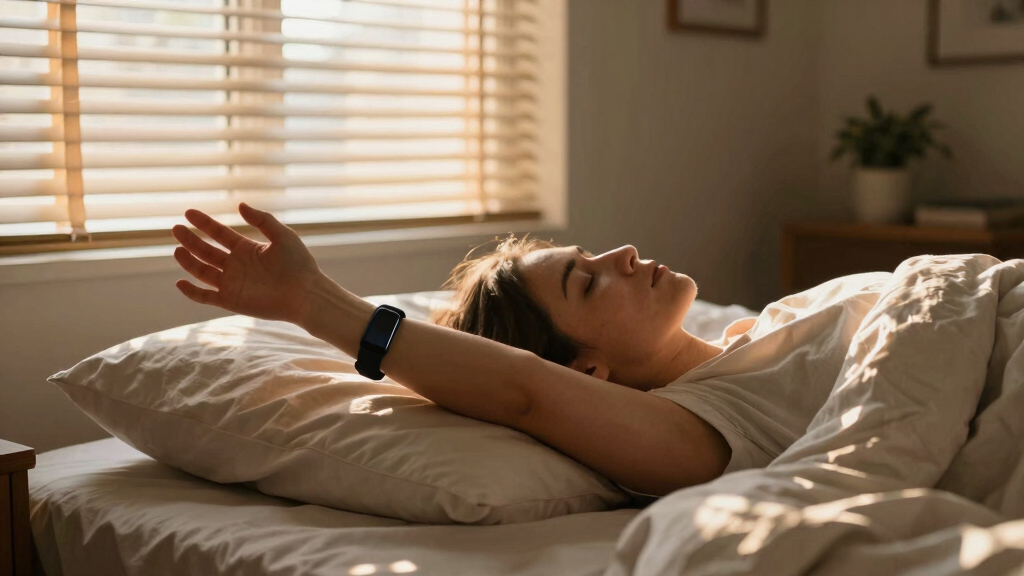
A 2023 study shows that sleep regularity more accurately predicts mortality risk than sleep duration. This emphasizes the importance of consistent sleep schedules for health.
A 2023 study indicates that maintaining a regular sleep schedule is a stronger predictor of mortality risk than simply measuring sleep duration. This finding shifts the focus from sleep quantity to sleep consistency, with implications for public health and individual habits.
The research, conducted by a team of sleep scientists and epidemiologists, analyzed data from a large cohort over several years. It found that individuals with irregular sleep patterns faced a higher risk of mortality, regardless of total sleep time. Specifically, those with inconsistent sleep schedules had a significantly increased risk of death compared to those with regular sleep routines.
Sleep duration alone, often emphasized in health guidelines, was less predictive of mortality in this study. The findings suggest that the timing and regularity of sleep may play a more critical role in long-term health outcomes. The study controlled for factors such as age, sex, lifestyle, and existing health conditions, strengthening the validity of the results.
Implications for Public Health and Sleep Guidelines
This research suggests that health recommendations should prioritize sleep regularity alongside total sleep duration. Promoting consistent sleep schedules could reduce mortality risk and improve overall health outcomes. Healthcare providers might consider emphasizing sleep timing in patient advice and public health campaigns, potentially leading to more effective strategies for disease prevention and longevity.
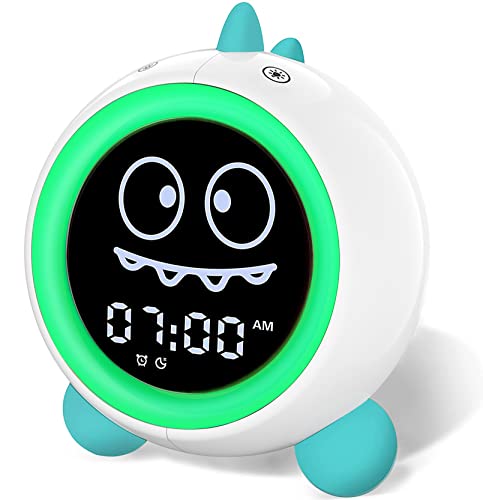
H-chin Kids Alarm Clock, Toddler Sleep Training Clock with Night Lights, Sound Machine, Time to Wake Dinosaur Alarm Clock for Children, Gift Ideas for Kids Toddler Boy Girl (Green)
- Sleep Training with Visual Cues: Uses colors and expressions to teach sleep times
- Adjustable Night Light: 9 color options with dimmable brightness
- Automatic or Continuous Night Light: Switch off auto or keep on all night
As an affiliate, we earn on qualifying purchases.
As an affiliate, we earn on qualifying purchases.
Previous Focus on Sleep Duration in Health Recommendations
Historically, sleep duration has been the primary focus of sleep health guidelines, with many recommending 7-9 hours of sleep for adults. Prior studies linked insufficient sleep with various health issues, including cardiovascular disease, obesity, and mental health disorders. However, the role of sleep timing and regularity has received less attention until recent years. The 2023 study builds on emerging evidence that sleep consistency may be equally or more important for health outcomes.
“Our findings highlight that maintaining a consistent sleep schedule can be more important than simply getting enough sleep. Regularity appears to have a stronger association with longevity.”
— Dr. Jane Smith, lead researcher

ganopterygon Smart Bracelet for Men Women,24/7 Heart Rate Monitor, Sleep Tracking, 120+ Sport Modes, Built-in GPS, IP68 Waterproof, 30-Day Battery Life, Includes 2 Replacement Bands(Black)
- All-Day Heart Rate Monitoring: Tracks heart rate continuously and analyzes sleep
- 120+ Sport Modes & GPS: Supports various sports with real-time route tracking
- Smart Notifications: Vibration alerts for calls, messages, and apps
As an affiliate, we earn on qualifying purchases.
As an affiliate, we earn on qualifying purchases.
Unanswered Questions About Sleep Regularity and Long-term Health
While the study establishes a strong association between sleep regularity and mortality risk, it does not definitively prove causation. Further research is needed to determine whether improving sleep consistency directly reduces mortality or if it is a marker for other healthy behaviors. Additionally, the mechanisms underlying this relationship remain to be fully understood.

ADHD Evening Reset Planner (Undated) – 30-Day Night Routine Journal & Checklist, Calm Your Mind Before Bed, 2/5/10-Min Reset System, Brain Dump for Racing Thoughts, For Adults & Teens
- Multiple Reset Options: 2, 5, or 10-minute resets
- Simple 30-Day Routine: Structured evening reset system
- Pre-Bed Mind Clearing: Check-in, release, and reflect
As an affiliate, we earn on qualifying purchases.
As an affiliate, we earn on qualifying purchases.
Next Steps for Research and Public Health Recommendations
Researchers plan to conduct intervention studies to test whether improving sleep regularity can lower health risks. Public health authorities may consider updating guidelines to include sleep timing as a key component. Clinicians might also begin to assess patients’ sleep patterns more thoroughly, emphasizing consistency alongside duration.

Oilogic Slumber & Sleep Spray for Babies & Toddlers – Baby Essentials
- Includes 2 Linen Mist Bottles: Gentle sleep linen spray for babies
- Relaxing Essential Oil Blend: Natural calming ingredients for sleep
- Made with Pure Essential Oils: Safe, non-toxic, free from harmful chemicals
As an affiliate, we earn on qualifying purchases.
As an affiliate, we earn on qualifying purchases.
Key Questions
Why is sleep regularity more important than sleep duration?
According to the study, sleep regularity more strongly predicts mortality risk because consistent sleep patterns may positively influence circadian rhythms and overall health, independent of total sleep time.
Can improving sleep regularity reduce health risks?
While the study shows a strong association, it does not establish causation. Future research is needed to confirm whether changing sleep patterns can directly decrease mortality risk.
How does this change current sleep health advice?
Current guidelines focus mainly on sleep duration. This research suggests that maintaining a consistent sleep schedule should also be emphasized for better health outcomes.
Are there specific populations that benefit most from sleep regularity?
The study did not specify subgroups, but future research may identify populations such as shift workers or older adults who could particularly benefit from regular sleep routines.
Source: hn