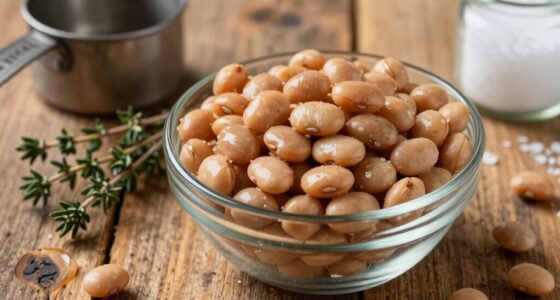
To build flavor with aromatics, focus on choosing fresh, high-quality ingredients like herbs, garlic, and spices. Add them at the right times, such as sautéing garlic early for a fragrant base or layering herbs for depth. Use proper heat to release their oils without burning, and consider techniques like blooming spices or caramelizing onions. Paying attention to timing and technique makes a big difference—keep exploring to discover more ways to maximize flavor in your cooking.

Get health and wellness essentials delivered free with Prime
- Fast, free delivery on millions of items
- Prime Video, Amazon Music and more included
- Member-only deals all year
Key Takeaways
- Use fresh aromatics for brighter, more vibrant flavors and deeper aroma development.
- Sauté aromatics gently in oil or butter to release essential oils without burning.
- Layer herb additions at different cooking stages to maximize aroma and flavor complexity.
- Properly control heat and timing, especially when blooming spices or caramelizing, to enhance depth.
- Combine complementary herbs and ingredients thoughtfully to build multi-dimensional, balanced flavors.
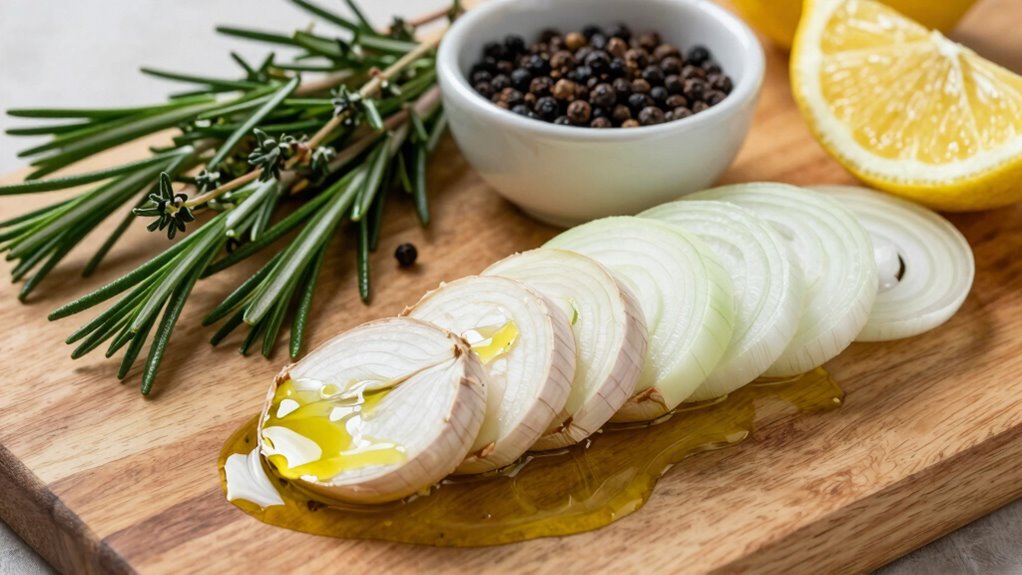
Aromatics are the secret to adding depth and complexity to your dishes, transforming simple ingredients into flavorful masterpieces. When you start cooking, selecting the right aromatics sets the foundation for a dish’s overall taste. Herbs, garlic, onions, ginger, and spices are your primary tools. But to truly build flavor, understanding how to use herb combinations and mastering effective cooking techniques makes all the difference.
Herb combinations matter because they create layers of flavor that elevate your dishes. Instead of relying on a single herb, mix complementary herbs like basil and oregano or thyme and rosemary to develop a more nuanced profile. Fresh herbs often deliver brighter, more vibrant flavors, but dried herbs can deepen the aroma when used thoughtfully. When adding herbs, consider the timing: delicate herbs like parsley are best added at the end, while sturdier ones like rosemary can be cooked longer to release their essential oils. Combining herbs effectively means knowing what each contributes and when to add them to maximize aroma and flavor.
Layer herbs thoughtfully—combine complementary flavors and add at different stages for maximum aroma and depth.
Your cooking techniques are equally essential in building flavor with aromatics. Sautéing garlic and onions in oil or butter is a foundational step because it releases their essential oils, creating a fragrant base. Be mindful not to burn them, as burnt aromatics turn bitter and can ruin the dish’s overall flavor. Blooming spices—heating them gently in oil before adding other ingredients—is another technique that intensifies their aroma and flavor. This technique helps unlock the full potential of spices, making them more vibrant and aromatic. Caramelizing aromatics like onions or shallots brings out their natural sweetness, adding depth to stews, sauces, or roasts. Incorporating layering techniques during cooking can significantly enhance the overall complexity of your dish. Using proper heat control is also crucial, as it helps to prevent burning and ensures that aromatics develop their full flavor potential without becoming bitter. Paying attention to timing when adding aromatics can further maximize their impact and avoid flavor loss. Additionally, understanding the importance of ingredient freshness can greatly influence the potency of your aromatics and overall dish.
Products Worth Considering

KitchenAid Hard-Anodized Induction Nonstick Cookware Set, 10-Piece

Cuisinart Chef's Classic Stainless Steel 17-Piece Cookware Set

Le Creuset Alpine Enameled Cast Iron Fondue Set, 2.5 qt., Nuit
As an affiliate, we earn on qualifying purchases.
Frequently Asked Questions
Can Aromatics Be Used in Both Savory and Sweet Dishes?
Yes, you can definitely use aromatics in both savory and sweet dishes. For sweet dishes, try adding a sweet spice like cinnamon or nutmeg, or use fruit infusion with citrus or berry peels. In savory recipes, aromatics like garlic, onion, and herbs work well. The key is balancing the flavors, so experiment with different combinations to enhance your dishes, whether they’re sweet or savory.
How Do I Prevent Aromatics From Overpowering the Main Ingredients?
To prevent aromatics from overpowering your main ingredients, focus on balancing intensity and enhancing subtlety. Use aromatics sparingly, adding small amounts first and tasting as you go. Remove or strain them once they’ve released enough flavor. This way, you control their impact, allowing the main ingredients to shine while aromatics complement rather than dominate. Adjust quantities based on the dish’s overall flavor profile for best results.
Are There Any Aromatics That Work Well Together?
Yes, certain herb combinations and spice pairings work beautifully together. For example, basil and oregano enhance each other in Italian dishes, while cumin and coriander create warm, earthy flavors in Middle Eastern cuisine. You can experiment by blending rosemary with thyme or garlic with paprika to add depth without overpowering. Trust your palate, and don’t be afraid to try different herb and spice pairings to discover what complements your dishes best.
How Long Should Aromatics Be Cooked to Develop Flavor?
You should cook aromatics for about 5 to 10 minutes to develop flavor effectively. During this time, the heat allows for ideal flavor extraction, releasing essential oils and aromatic compounds. Keep an eye on them to prevent burning, which can turn bitterness. Stir occasionally, and taste as you go. Adjust cooking times based on the aromatics used; for example, garlic needs less time than onions for perfect flavor.
Can Fresh and Dried Aromatics Be Substituted?
You can definitely substitute fresh and dried aromatics, but think of it like swapping a lively dance partner for a seasoned veteran—they each bring different strengths. Fresh herbs offer vibrant, bright flavors, perfect for herb preservation, while dried herbs provide concentrated, mellow notes that deepen dishes. Dried versus fresh isn’t a strict rule; it’s about balancing the intensity you want and understanding how each type impacts your recipe’s flavor profile.
Conclusion
By thoughtfully selecting and adding aromatics, you can truly elevate your dishes. Imagine simmering onions, garlic, and herbs to craft a rich, savory broth that transforms a simple soup into a comforting masterpiece. Don’t be afraid to experiment—sometimes, a dash of cinnamon or a sprig of thyme can make all the difference. Remember, it’s about understanding the flavors that work together and building layers of aroma that make your meals unforgettable.