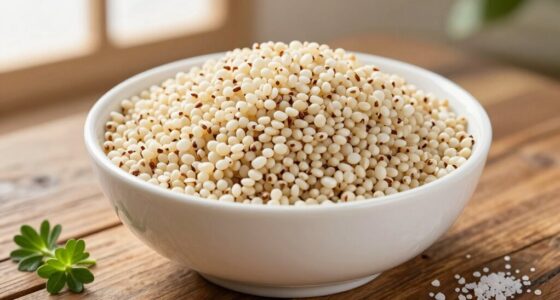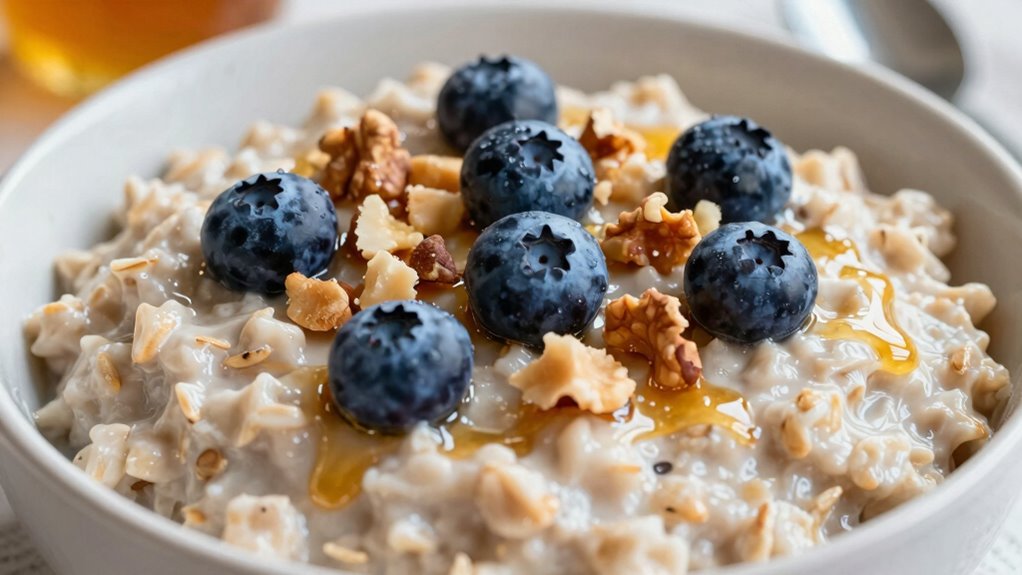

Understanding how meal textures affect fullness can make managing your appetite easier. When you include a variety of textures like crunchy, chewy, and smooth, you slow down your eating and signal your brain that you’re full, helping prevent overeating. Creamy foods keep you fuller longer, while crunchy bites increase satisfaction. By choosing the right textures, you support better digestion and healthier habits—exploring further can reveal even more tips to help you succeed.

Get health and wellness essentials delivered free — and shop member deals
- Fast, free delivery on millions of items
- Access to Prime Big Deal Days deals on October 6–7
- Prime Video, Amazon Music and more included
Key Takeaways
- Incorporating varied textures slows eating and enhances fullness signals, making portion control easier in daily life.
- Using contrasting textures like crunchy and creamy boosts satisfaction and reduces the likelihood of overeating.
- Texture diversity encourages mindful eating, helping you recognize fullness and prevent unnecessary snacking.
- Slow-digesting textures, such as smooth or creamy foods, prolong satiety and stabilize blood sugar levels.
- Thoughtful presentation and flavor pairing of textures make healthy meals more appealing and sustainable.
As an affiliate, we earn on qualifying purchases.
Why Does Meal Texture Affect How Full You Feel?

The texture of your meal plays a significant role in how full you feel because it influences the rate at which food is broken down and processed in your mouth and digestive system. When dishes feature thoughtful flavor pairing and appealing presentation styles, they often stimulate your senses, making meals more satisfying. Texture variations, like crunchy, creamy, or chewy elements, slow down eating, giving your brain time to register fullness. Conversely, smooth or purely soft textures can lead to faster consumption, potentially causing you to eat more before feeling satisfied. By combining contrasting textures with attractive presentation styles, you enhance both flavor perception and satiety. Additionally, understanding how meal texture influences digestion can help you design meals that promote better satiety and overall health. Recognizing the impact of food texture on digestion can help you make smarter choices that support your health goals. This approach helps control overeating and makes meals more enjoyable, supporting healthier eating habits overall. When you pay attention to texture variety, you can further optimize how your body responds to different foods and improve your overall satisfaction with meals.
As an affiliate, we earn on qualifying purchases.
The Science Behind Meal Textures and Satiety
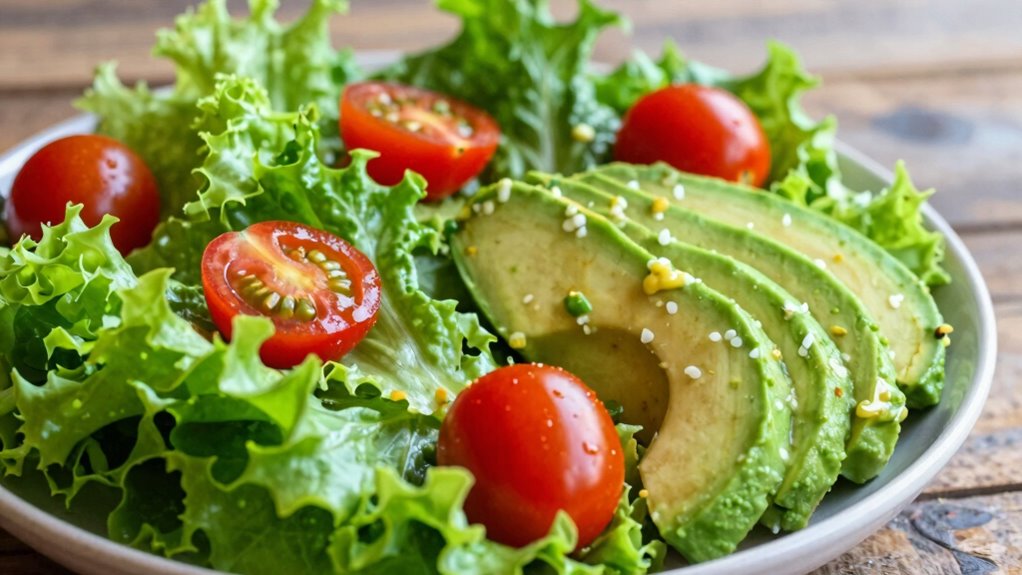
Your sense of fullness is directly influenced by meal textures, which affect how your stomach and brain respond to food. Different textures trigger varying digestive signals that can either enhance or suppress feelings of hunger. Understanding the science behind these responses helps you choose meals that keep you satisfied longer.
Texture’s Impact on Fullness
When a meal’s texture influences how full you feel, it often comes down to how your brain perceives and processes food sensations. Texture affects satiety by signaling fullness through mouthfeel, which can enhance or diminish your perception of meal size. Foods with varied textures, like crunchy vegetables combined with smooth sauces, can boost satisfaction. Cultural preferences and flavor combinations also shape how textures impact fullness, as familiar textures trigger comfort and familiarity, making you feel more satiated. Consider the following:
| Texture Type | Impact on Fullness |
|---|---|
| Crunchy | Promotes chewing and longer eating time, enhancing satiety |
| Creamy | Feels indulgent, may reduce perceived hunger |
| Chewy | Requires effort, increasing satisfaction |
Understanding these nuances helps you design meals that satisfy both your taste buds and fullness cues.
Digestive Response to Textures
Different textures in a meal not only influence how full you feel but also trigger specific responses within your digestive system. Texture contrast and sensory stimulation play key roles in this process. When you chew foods with varied textures, your brain receives signals that enhance satiety, slowing down eating and promoting digestion. Crunchy, firm textures stimulate your salivary glands and improve initial digestion, while smooth, soft textures ease the passage through your stomach. These sensory cues also activate gut hormones responsible for hunger and fullness regulation. By intentionally choosing diverse textures, you help your digestive system respond more efficiently, leading to better absorption of nutrients and a sustained feeling of fullness. Incorporating meal textures thoughtfully can support healthier eating habits and improve overall well-being. Understanding how different textures impact notable figures in sports and entertainment can inspire more mindful eating practices and enhance your overall health.
As an affiliate, we earn on qualifying purchases.
How Meal Texture Influences Hunger and Satisfaction

The texture of a meal plays a significant role in shaping how hungry or satisfied you feel afterward. Different cultural food practices influence preferred textures, which can affect your overall satiety. For example, some cultures favor crunchy or chewy foods that require more chewing, potentially increasing feelings of fullness. Conversely, smooth or soft textures might lead to quicker consumption and less satisfaction. If you have texture-related food allergies, your choices are limited, which impacts your hunger cues and satisfaction levels. Recognizing how textures influence your eating experience helps you make mindful decisions that enhance fullness and enjoyment. Incorporating diverse food textures into your diet can promote better satiety and overall well-being. Additionally, understanding how food texture impacts satiety can help you develop more effective nutritional strategies. Adjusting meal textures based on your preferences and needs can make your diet more satisfying and easier to maintain long-term. Being aware of texture preferences can also guide you in selecting foods that support your health goals and dietary comfort.
As an affiliate, we earn on qualifying purchases.
Why Creamy and Smooth Foods Keep You Fuller Longer
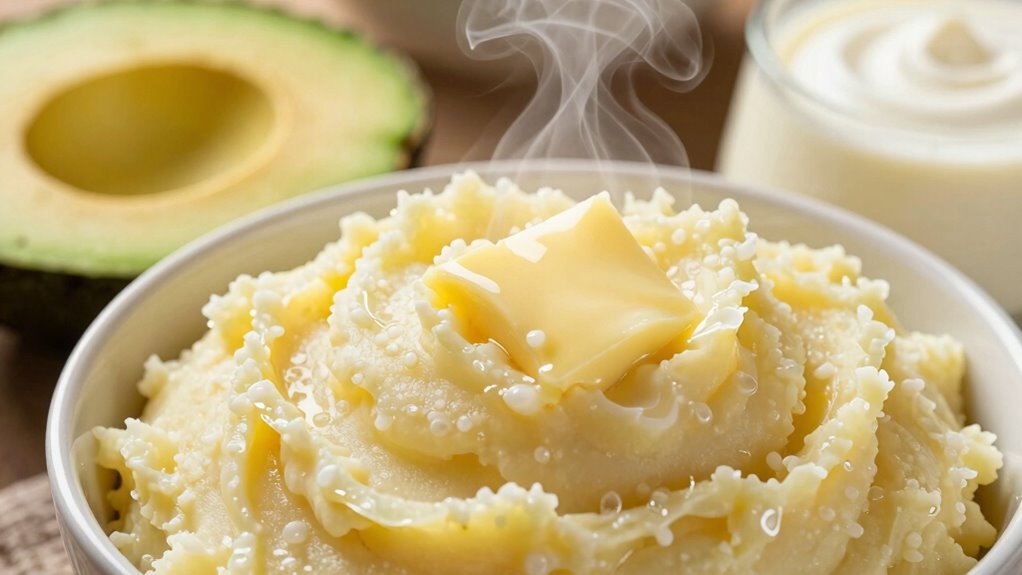
Creamy and smooth foods take longer to digest, which helps keep you feeling full for a longer time. Their slow digestion process signals to your brain that you’re satiated, reducing the urge to eat more. As a result, these textures can be especially effective for controlling hunger and maintaining fullness. Additionally, texture and satiety play crucial roles in how our bodies perceive fullness and satisfaction. Incorporating these foods into your diet can also promote better sleep by helping to stabilize blood sugar levels and avoid nighttime hunger regulation of blood sugar. Consuming foods with these textures can also contribute to mindful eating, encouraging slower consumption and greater awareness of your body’s fullness signals. Recognizing the importance of food textures in regional cuisines, such as Sardinian dishes, can further enhance your understanding of how traditional diets support satiety and well-being.
Slow Digestion Process
Because creamy and smooth foods take longer to break down in your digestive system, they help you feel full for a longer period. The slow digestion process is partly due to their rich, dense texture, which provides lasting sensory engagement. Unlike foods with high textural contrast, these foods don’t rush through your stomach quickly; instead, they linger, giving your body time to signal fullness. This extended digestion not only delays hunger but also stabilizes blood sugar levels, preventing spikes and crashes. The sensory engagement from the smooth, velvety feel keeps you satisfied longer, reducing the urge to snack. By choosing foods with a creamy, uniform texture, you support a slower, more controlled digestion that contributes to sustained fullness throughout the day. Additionally, the slow digestion process can promote better nutrient absorption and overall digestive health, supporting digestive efficiency and long-term well-being. Incorporating these foods into your diet can also help improve satiety signals, making it easier to manage portion sizes and prevent overeating. Moreover, foods with a creamy texture often contain healthy fats or proteins that further enhance nutrient density and contribute to prolonged feelings of fullness. Including such foods in your meals can also positively influence your metabolic response, helping your body utilize nutrients more effectively.
Enhance Feelings of Fullness
When you eat foods with a smooth, velvety texture, you often feel fuller for longer periods. Creamy and smooth foods activate your satiety signals more effectively because their texture slows digestion and promotes lasting fullness. Flavor combinations also play a role; rich, well-balanced tastes can satisfy your cravings faster, reducing the need for additional snacking. Cultural influences shape how these textures are enjoyed—think of hearty soups, custards, or yogurts from different cuisines—enhancing their comforting effect. By incorporating these foods into your meals, you leverage both texture and flavor to curb hunger. The combination of creamy textures and appealing flavors tricks your brain into feeling satisfied sooner, making it easier to stick to your portion sizes and healthier eating habits. Additionally, interior design trends can influence your overall eating environment, making mealtime more enjoyable and encouraging healthier choices. Creating a pleasant and inviting dining space can further enhance your mealtime experience and reinforce your healthy eating goals. Incorporating food texture and sensory appeal into your diet can also boost motivation to maintain healthier eating patterns. A mindful approach to meal presentation can elevate the sensory experience, further promoting satiety and satisfaction.
How Crunchy and Chewy Textures Help Prevent Overeating

Crunchy and chewy textures can be powerful tools in controlling your appetite, as they naturally slow down your eating pace. When you incorporate these textures into your meals, you give your brain more time to register fullness, reducing the risk of overeating. Flavor pairing with crunchy or chewy elements enhances the eating experience, making each bite more satisfying. Texture contrast also keeps your palate engaged, preventing monotony that might lead to mindless eating. For example, pairing crispy vegetables with tender proteins creates a variety of sensations that encourage mindful chewing. Incorporating texture variety into your meals not only enhances enjoyment but also supports better portion control, making it easier to stick to your health goals. Additionally, understanding how different textures influence digestion can help optimize your overall nutritional intake. Recognizing the importance of variety in textures can also make meal preparation more enjoyable and creative.
Choosing Meal Textures to Support Your Health Goals
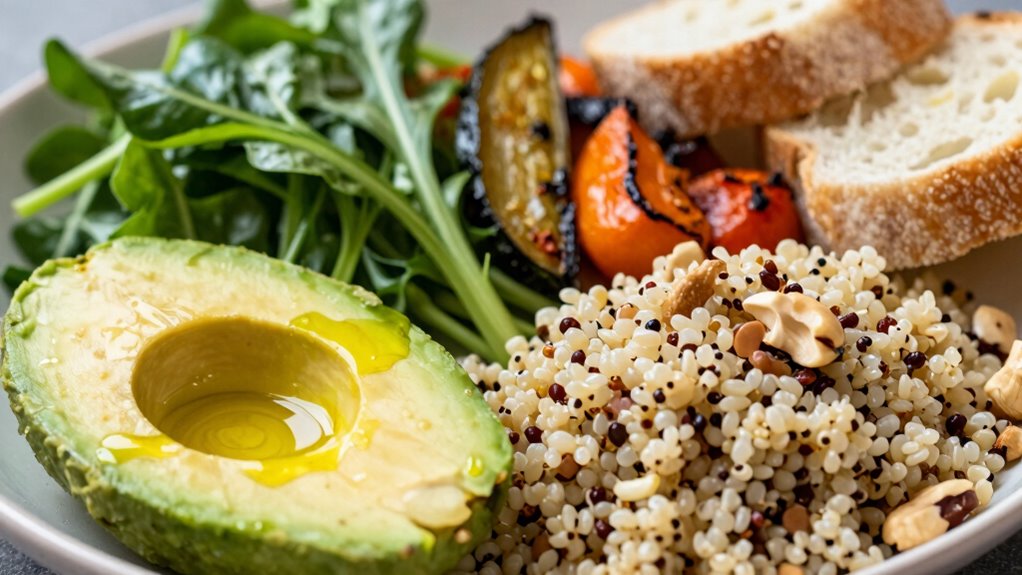
Your choice of meal textures can influence how full you feel and how much you eat. Selecting foods with the right consistency helps manage your appetite and supports your health goals. By understanding how texture impacts your hunger, you can make smarter decisions about what to include in your meals.
Texture’s Impact on Appetite
Choosing the right meal textures can considerably influence your appetite and help you achieve your health goals. When you incorporate texture variety into your meals, you engage your senses more fully, which can enhance feelings of fullness. For example, combining crunchy, smooth, and chewy elements makes eating more satisfying and signals your brain that you’ve consumed enough. Sensory engagement plays a key role in appetite regulation; a diverse texture profile can slow down eating, giving your body time to recognize satiety cues. This mindful approach helps prevent overeating and supports weight management. By intentionally selecting meals with varied textures, you not only make your eating experience more enjoyable but also encourage healthier portion control, making it easier to stick with your nutritional goals.
Selecting Food Consistencies
Selecting the right food consistencies can particularly support your health goals by influencing how you feel after eating. To do this effectively, consider these steps:
- Match textures to your food pairing—crunchy, soft, or chewy textures can enhance satisfaction and fullness.
- Respect cultural preferences—incorporate traditional consistencies that resonate with your background to boost enjoyment.
- Adjust based on your health needs—softer foods may aid digestion, while firmer options can promote chewing and satiety.
- Incorporate meal prep techniques that prioritize texture variety to maintain interest and support your nutritional goals.
Practical Tips for Adding Satisfying Textures to Your Meals
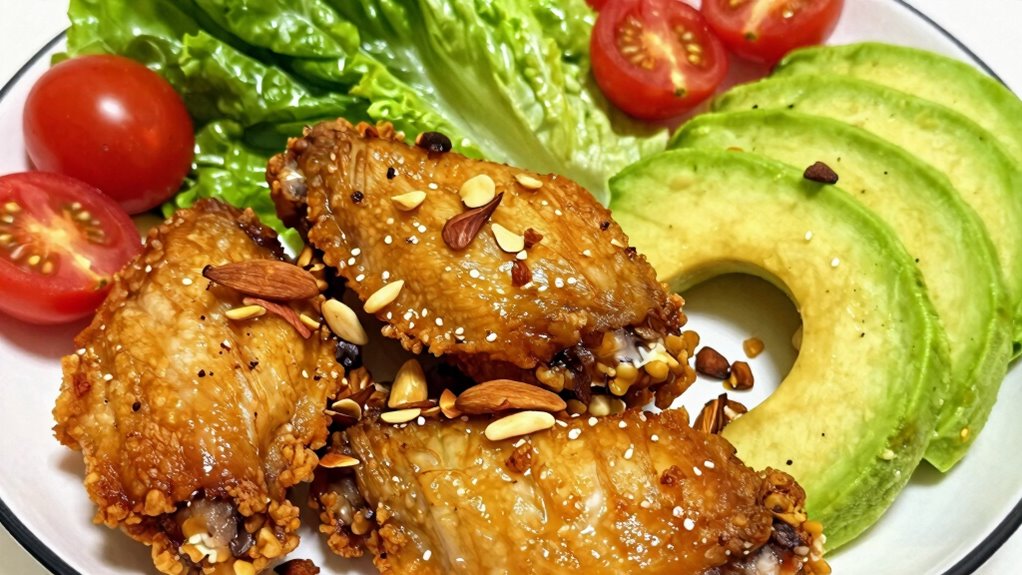
Adding satisfying textures to your meals can make them more enjoyable and help you feel full longer. To achieve this, experiment with flavor combinations that contrast or complement textures, like crispy and creamy or chewy and tender. Incorporate a variety of ingredients to create diverse mouthfeel experiences. Use plating techniques to enhance the perception of texture, such as layering crunchy toppings over softer components or arranging ingredients to highlight their textural differences. Small adjustments, like adding nuts or seeds for crunch or using mashed vegetables for creaminess, can boost satiety. Keep in mind that thoughtful presentation and thoughtful pairing of textures encourage mindful eating, making your meals more satisfying without excess. These simple tips can considerably improve your eating experience and satiety levels.
Common Mistakes That Undermine Satiety Through Texture Choices
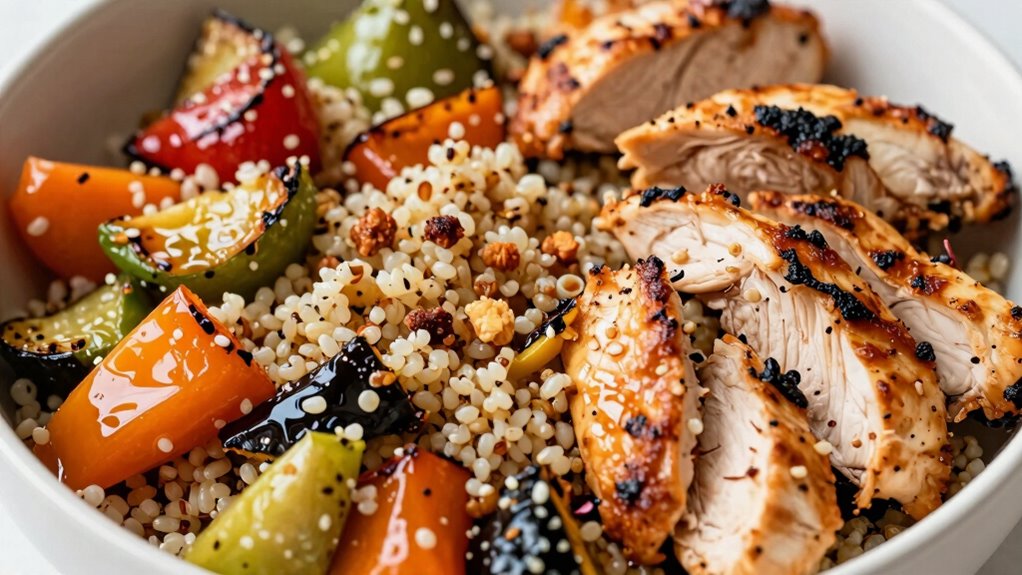
While incorporating diverse textures can enhance meal satisfaction, some common mistakes can actually diminish your sense of fullness. First, relying on a monotonous texture reduces flavor variety, making your meal feel less satisfying overall. Second, neglecting presentation aesthetics can make even nutritious foods seem less appealing, decreasing your desire to eat mindfully. Third, focusing solely on soft or bland textures often leads to quick boredom, causing you to eat more to seek stimulation. To avoid these pitfalls, aim for a variety of textures that excite your palate, and pay attention to presentation aesthetics to boost appetite. When textures and flavors work together, you’re more likely to feel full and satisfied without overeating.
How to Modify Recipes to Boost Meal Satisfaction
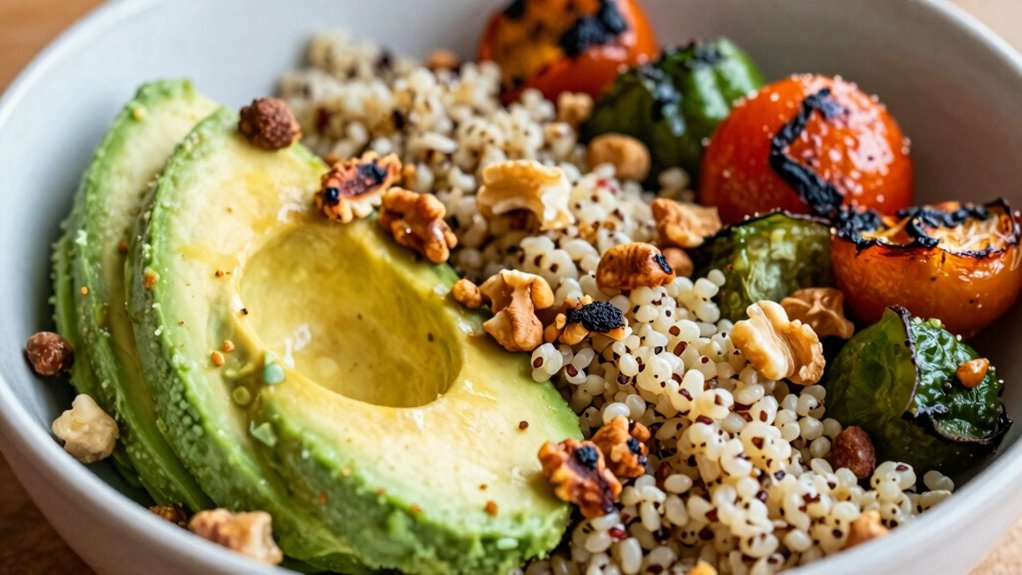
Modifying recipes to boost meal satisfaction often involves enhancing texture and flavor contrasts. To achieve this, experiment with flavor combinations that excite your palate—think sweet and savory or spicy and creamy. Incorporate contrasting textures, like crunchy nuts with smooth sauces or crispy toppings on soft dishes, to increase mouthfeel variety. Using different cooking techniques can also elevate satisfaction; for example, roasting vegetables adds caramelized flavor and crunch, while steaming preserves freshness and tenderness. Balance ingredients to create layers of taste and texture, making each bite more engaging. By adjusting seasonings, cooking methods, and ingredient pairings, you can turn ordinary recipes into more satisfying, memorable meals that keep you full longer and enhance your overall eating experience.
Using Meal Texture to Support Long-Term Weight Management

Adjusting the textures of your meals can play a significant role in supporting long-term weight management. Incorporating meal texture and cultural preferences helps you stay satisfied while avoiding overeating. To effectively use texture diversity in meal planning, consider these strategies:
- Mix crunchy and soft textures to create variety, keeping meals interesting.
- Include familiar textures that align with cultural preferences, making healthy choices more appealing.
- Balance fibrous, chewy, and tender elements to boost satiety and slow down eating pace.
Frequently Asked Questions
Can Texture Preferences Change Over Time or With Diet Adjustments?
Yes, your texture preferences can change over time or with diet adjustments. As you experience different foods, your taste and texture preferences evolve through texture evolution, influenced by your dietary texture choices. For example, shifting to softer or more fibrous foods can reshape what you enjoy. Your body’s responses, exposure, and habits all play a role in how your preferences adapt, making it easier to stick to new or healthier dietary textures.
How Do Cultural Differences Influence Meal Texture Preferences?
Cultural traditions, taste preferences, and culinary practices shape your meal texture preferences. In some cultures, you prefer crispy, crunchy foods that symbolize celebration, while in others, smooth, tender textures reflect comfort and familiarity. These cultural influences influence your choices, shaping your palate and expectations. As you embrace diverse cuisines, your preferences evolve, blending textures and flavors, making your eating experience richer, more satisfying, and deeply connected to your cultural identity.
Do Texture Modifications Affect Nutrient Absorption?
Texture modifications can impact nutrient absorption, as the impact of texture on nutrient bioavailability varies depending on the food. For example, softer foods may release nutrients more quickly, improving absorption efficiency, while overly processed textures might reduce nutrient bioavailability. You should consider that adjusting textures could either enhance or hinder nutrient absorption, so experimenting with different textures can help optimize nutrient intake and guarantee your body absorbs essential nutrients effectively.
Are There Specific Textures Better Suited for Different Health Conditions?
A stitch in time saves nine, and choosing the right textures can considerably improve health. For example, softer textures benefit those with swallowing difficulties or digestive issues, while firmer textures can promote jaw strength or alertness. Texture enhancement boosts sensory appeal, making meals more enjoyable and easier to consume for specific health conditions. By tailoring textures, you support better nutrition, comfort, and overall well-being, making daily life smoother.
How Does Meal Texture Impact Digestion and Gut Health?
Meal texture considerably impacts digestion and gut health by influencing how easily food moves through your digestive system. Texture enhancement, like incorporating softer or more fibrous foods, can promote better gut motility and nutrient absorption. Additionally, diverse textures support a healthy gut microbiota by providing varied substrates for beneficial bacteria. You can improve your gut health by choosing meals with appropriate textures that encourage digestion and nurture your microbiome.
Conclusion
By paying attention to meal textures, you can profoundly boost your satiety and make healthy choices easier. Did you know that research shows textured foods can increase feelings of fullness by up to 20%? Incorporating creamy, crunchy, or chewy elements into your meals helps prevent overeating and supports your weight management goals. So next time you prepare a dish, think about the texture—you might just make your meal more satisfying and your life a little simpler.
Fall Picks
fall essentials
As an affiliate, we earn on qualifying purchases.