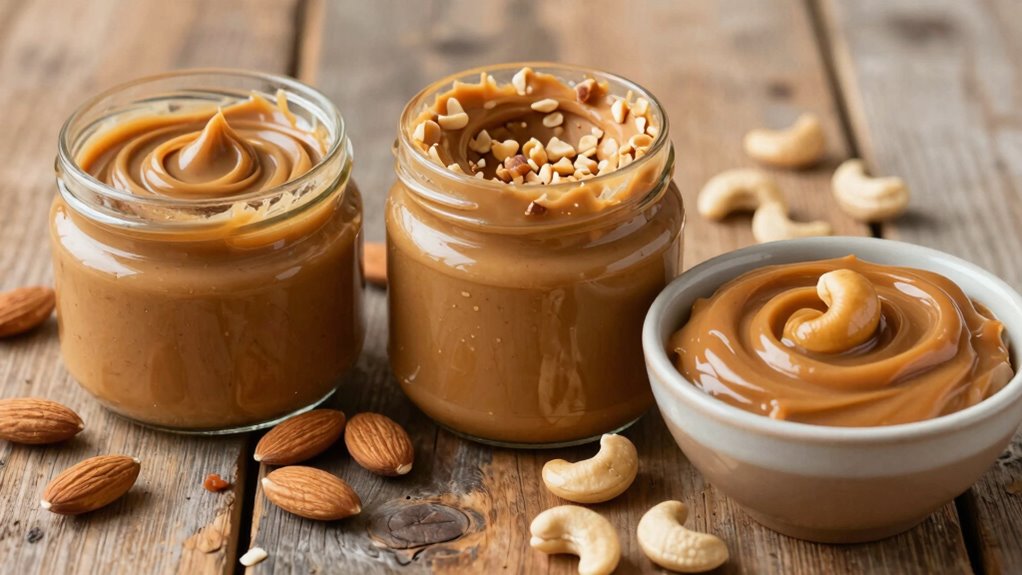

Nut butter is a nutritious, versatile food made from ground nuts like peanuts, almonds, or cashews, offering a range of flavors from classic to exotic. It’s packed with healthy fats, plant-based protein, vitamins, and antioxidants that support your heart, energy, and overall health. Flavored options with added ingredients like honey or spices let you customize taste. Its uses are endless — spreading, baking, smoothies, or dips. Keep exploring to discover even more about its benefits and varieties!

Get health and wellness essentials delivered free — and shop member deals
- Fast, free delivery on millions of items
- Access to Prime Big Deal Days deals on October 6–7
- Prime Video, Amazon Music and more included
Key Takeaways
- Nut butter comes in various flavors, from classic peanuts to exotic almonds, with options to customize sweetness, saltiness, or spiciness.
- Rich in healthy fats, plant-based protein, vitamins, and antioxidants, nut butters support heart health and overall wellness.
- Minimally processed nut butters retain more nutrients; check labels for added sugars, preservatives, and natural ingredients.
- Versatile for spreading, baking, smoothies, and dipping, making them a nutritious addition to many meals and snacks.
- Flavor variations and added ingredients like honey or spices offer customization for different taste preferences.
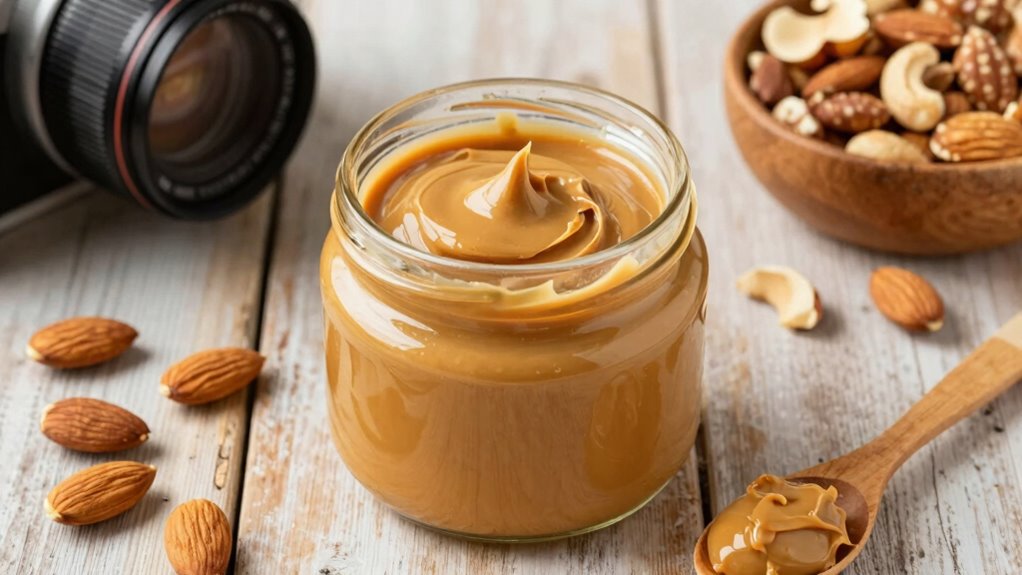
Ever wondered what makes nut butter a versatile and nutritious favorite? The answer lies in its incredible flavor variations and impressive nutritional benefits. Nut butters come in a wide range of flavors, from the classic roasted peanut to the more exotic options like almond, cashew, hazelnut, and even blends that incorporate cocoa or spices. These flavor variations allow you to tailor your nut butter to your taste preferences, whether you prefer a sweet, salty, or savory profile. Plus, many brands now offer flavored options with added ingredients like honey, cinnamon, or sea salt, giving you even more ways to enjoy them. This variety makes nut butter suitable for countless recipes, from spreading on toast and adding to smoothies to baking or dipping fruit and vegetables. Nut butters are also minimally processed, which helps retain most of their natural nutrients and benefits. **Choosing minimally processed options** ensures you get the maximum nutritional value from your nut butters. Additionally, selecting whole, minimally processed nuts can further enhance the health benefits you receive from your nut butter. Incorporating unrefined or natural oils in your choice of nut butters can further support a healthier diet. Including natural processing methods can help preserve the nutrient integrity of the nuts and oils used.
Beyond flavor, nut butters are packed with nutritional benefits that make them a smart addition to your diet. They’re a rich source of healthy fats, primarily monounsaturated and polyunsaturated fats, which support heart health and help reduce bad cholesterol levels. They also provide a good amount of plant-based protein, making them an excellent choice for vegetarians and vegans seeking to boost their protein intake naturally. Additionally, nut butters are loaded with essential vitamins and minerals, such as vitamin E, magnesium, potassium, and zinc, which contribute to overall health, immune function, and energy production.
One of the biggest advantages of nut butters is their versatility in providing sustained energy. The combination of healthy fats, fiber, and protein helps you feel full longer, making them a great snack option or a nutritious addition to meals. They also contain antioxidants and phytochemicals that combat inflammation and oxidative stress, further supporting your health. Since many nut butters are minimally processed, they retain most of their natural nutrients, making them a wholesome choice. However, it’s wise to check labels for added sugars or preservatives, especially if you’re opting for store-bought varieties.
As an affiliate, we earn on qualifying purchases.
Frequently Asked Questions
Are There Any Potential Allergies Associated With Nut Butters?
Yes, there are potential allergies associated with nut butters. If you have a nut allergy, you should avoid them because they can trigger reactions. Cross reactivity is common; for instance, people allergic to tree nuts might also react to peanuts or other nuts. Always check labels carefully and consult with an allergist if you’re unsure. Staying cautious helps prevent allergic reactions and keeps you safe.
How Long Does Homemade Nut Butter Last?
Homemade nut butter lasts about 2 to 3 weeks when stored properly, like a treasure tucked away. To extend its freshness, keep it in an airtight container in the fridge, following simple storage tips. If you love flavor variations, mixing in cinnamon or honey won’t affect its shelf life considerably. Just make sure to stir it well before each use, and enjoy your fresh, tasty spread within this timeframe.
Can Nut Butters Be Part of a Low-Carb Diet?
Yes, nut butters can fit into a low-carb diet if you choose low-carb alternatives and nut butter substitutes. Opt for natural, unsweetened options, and watch portion sizes to manage carbs effectively. While traditional nut butters contain carbs, many low-carb alternatives are available that provide healthy fats without spiking your blood sugar. Incorporate them thoughtfully into your meals for a nutritious, satisfying snack or spread.
Is Organic Nut Butter Worth the Extra Cost?
Yes, organic nut butter can be worth the extra cost if you value flavor variations and a cleaner label. Organic options often have fewer additives, which can enhance taste and guarantee a more natural flavor. However, they may have a shorter shelf life due to the absence of preservatives. If you prioritize organic ingredients and are willing to consume it sooner, the investment can be worthwhile for better quality and taste.
How Do I Prevent Oil Separation in Natural Nut Butter?
To prevent oil separation in natural nut butter, you should stir it well before each use to mix the oil back in. Storing it upside down can also help natural stabilization, encouraging the oil to stay integrated. Additionally, keep your nut butter in a cool, consistent temperature environment. If separation occurs, a quick stir is enough to restore its creamy texture, making it easier to spread and enjoy.
flavored peanut butter with honey
As an affiliate, we earn on qualifying purchases.
As an affiliate, we earn on qualifying purchases.
Conclusion
Incorporating nut butter into your diet offers versatile health benefits, from healthy fats to protein. Just like Sarah, who switched her snack to almond butter, she noticed increased energy and satiety throughout her day. Remember, choosing the right type and portion is key to maximizing benefits without excess calories. So, whether you spread it on toast or blend it into smoothies, nut butter can be a delicious, nutritious addition to your everyday routine.
As an affiliate, we earn on qualifying purchases.
As an affiliate, we earn on qualifying purchases.
Fall Picks
fall essentials
As an affiliate, we earn on qualifying purchases.