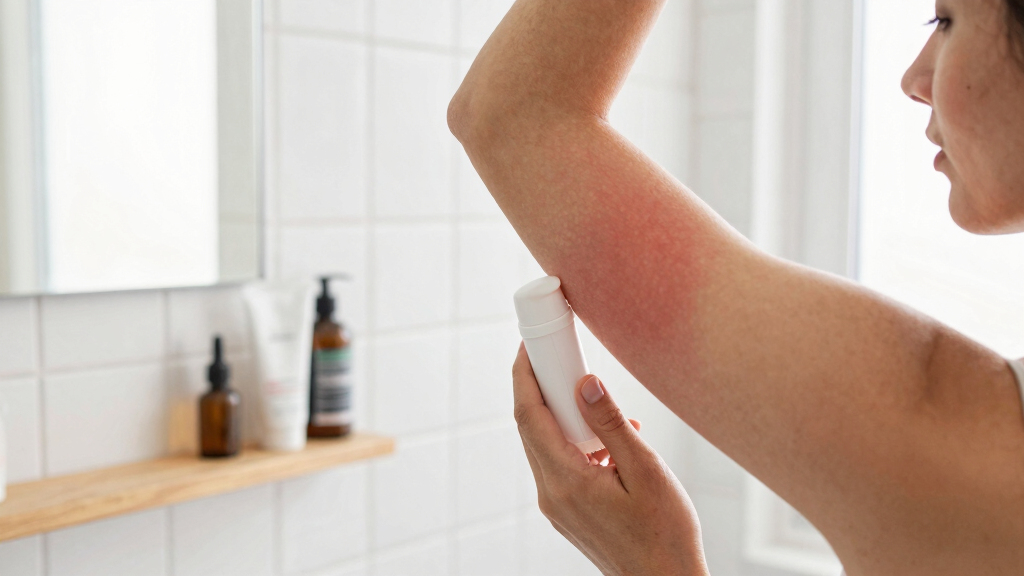

TL;DR
Deodorant-induced rashes are caused by allergic reactions or irritation from ingredients like fragrances, alcohol, or baking soda. Stopping use, soothing the skin, and choosing gentle products are key to treatment and prevention.
Deodorant-related armpit rashes are a common skin reaction caused by allergic or irritant responses to certain ingredients, affecting many individuals who use these products daily.
Many people experience redness, itching, swelling, or rash after applying deodorant, often due to ingredients such as fragrances, alcohol, aluminum compounds, parabens, baking soda, or essential oils. These substances can trigger allergic reactions or irritation, especially in sensitive skin.
Experts recommend stopping the use of the suspected deodorant immediately, washing the area with mild, fragrance-free soap, and applying soothing remedies like hydrocortisone or aloe vera. An armpit detox using bentonite clay or apple cider vinegar may help remove residual irritants. Once the skin calms, switching to hypoallergenic, fragrance-free deodorants or natural alternatives can prevent future reactions.
It is important to note that the severity of reactions varies, and some cases may require medical consultation if symptoms worsen or persist beyond a few days.
Why Understanding Deodorant Rashes Is Important
This matters because knowing how to identify and treat deodorant-induced rashes can prevent discomfort, skin damage, and potential infections. Choosing appropriate products and reacting promptly can maintain underarm health and confidence, especially for those with sensitive skin or allergies.

Vanicream Antiperspirant Deodorant Stick, 2.25 Oz, Formulated without Common Irritants for Sensitive Skin, Clinical Strength with 24-Hour Protection, Reduces Underarm Wetness, Unscented
- Designed for Sensitive Skin: Reduces wetness and odor for sensitive skin
- Smooth, Non-Sticky Formula: Leaves underarms soft, dry, residue-free
- Gentle for Daily Use: Dermatologist-tested, free from harsh ingredients
As an affiliate, we earn on qualifying purchases.
As an affiliate, we earn on qualifying purchases.
Common Causes and Skin Reactions to Deodorant Ingredients
Deodorant and antiperspirant products contain various chemicals that can irritate or trigger allergies in some users. Fragrances and alcohol are frequent culprits, as are aluminum compounds used to block sweat glands. Baking soda and certain essential oils, popular in natural products, can also cause irritation for sensitive individuals. Reports indicate that allergic contact dermatitis from these ingredients manifests as redness, itching, or rash, prompting many to seek alternative products or treatments.
While allergic reactions are well-documented, the prevalence varies based on individual sensitivities. Current guidance emphasizes symptom recognition and immediate cessation of offending products to prevent worsening of skin conditions.
“Stopping the use of the irritant and soothing the skin are crucial steps in managing deodorant-related rashes.”
— an anonymous researcher

Native Deodorant Contains Naturally Derived Ingredients, 72 Hour Odor Control, Deodorant for Women and Men, Aluminum Free, Unscented 2.65oz
- Long-lasting odor control: Up to 72 hours of freshness
- Naturally derived ingredients: Includes shea butter, coconut oil
- Aluminum, paraben, phthalate free: Gentle and safe for skin
As an affiliate, we earn on qualifying purchases.
As an affiliate, we earn on qualifying purchases.
Uncertainties About Long-Term Effects and Sensitive Skin Risks
The long-term effects of certain ingredients like aluminum compounds or parabens on skin health and overall well-being are not yet fully understood. Sensitivities may develop over time, and further research is needed to clarify potential chronic impacts and establish clear safety guidelines.

Aloderma Aloe Vera Gel Made within 12 Hours of Harvest with 96% Pure Organic Aloe Vera for Skin, Scalp, & Hair, Soothing Aloe Face Moisturizer, Multipurpose, Hydrating Aloe Gel, 7.05oz
- Freshly Processed Within 12 Hours: Captures the natural power of Aloe Vera
- Family-Run Organic Farm: Eco-friendly, farm-to-face skincare
- Certified Organic Aloe Vera: USDA and EU ECOCERT approved
As an affiliate, we earn on qualifying purchases.
As an affiliate, we earn on qualifying purchases.
Future Steps for Managing and Preventing Deodorant Rashes
Researchers are working on developing gentler, hypoallergenic deodorants. Consumers should monitor skin reactions, perform patch tests when trying new products, and consult healthcare providers if rashes persist. Ongoing research aims to improve understanding of ingredient sensitivities and enhance product safety for sensitive skin.

Pure Body Naturals Bentonite Clay Powder, Indian Healing Clay, 8 oz
- Product Size: 8 oz jar of Sodium Bentonite Powder
- Versatile Uses: DIY clay masks, detox baths, underarm detox
- Toxin Absorption: Removes toxins and fights skin irritation
As an affiliate, we earn on qualifying purchases.
As an affiliate, we earn on qualifying purchases.
Key Questions
How can I tell if my rash is caused by deodorant allergy?
If redness, itching, swelling, or rash appear shortly after applying deodorant, it may be an allergic reaction. Discontinuing the product and observing for improvement is recommended. A dermatologist can perform patch testing to confirm allergies.
What ingredients should I avoid if I have sensitive skin?
Common irritants include fragrances, alcohol, aluminum compounds, parabens, baking soda, and certain essential oils. Choosing products labeled as hypoallergenic and fragrance-free can help minimize reactions.
Are natural deodorants safer for sensitive skin?
Natural deodorants with minimal ingredients, especially those free from baking soda and fragrances, may be gentler. However, some natural ingredients like essential oils can still cause reactions. Patch testing is advisable before regular use.
How long does it take for a rash to heal after stopping deodorant use?
Healing time varies; mild reactions may resolve within days, while more severe cases can take a week or longer. Proper skin care and avoiding irritants can help speed recovery.
Source: Greatist