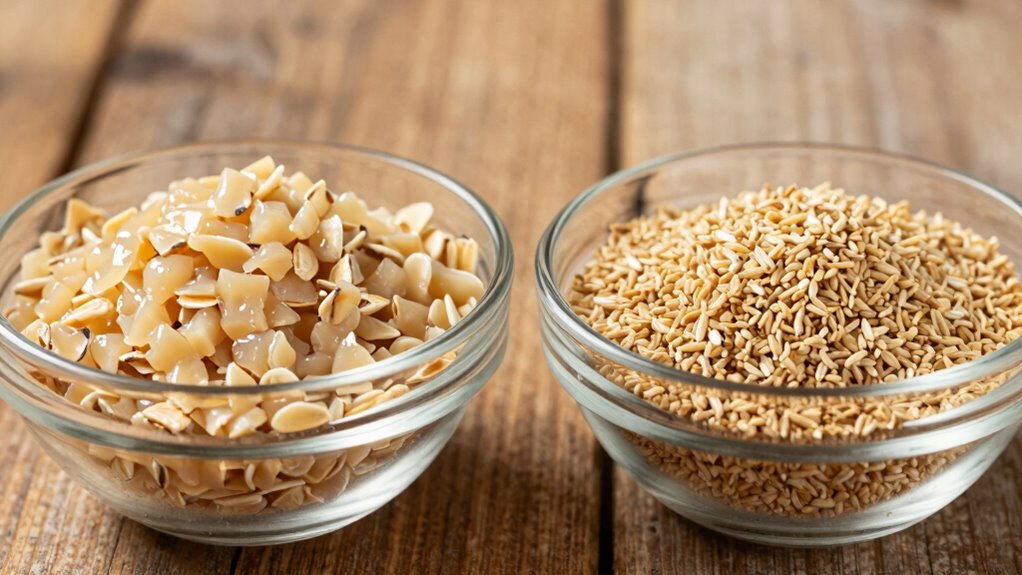

Choosing between soluble and insoluble fiber depends on your health goals. Soluble fiber helps lower cholesterol and stabilize blood sugar, great for heart health and diabetes management. Insoluble fiber promotes regular bowel movements and prevents constipation, supporting digestive health. Both types work best when combined, offering all-encompassing benefits. To get the most out of your diet, understanding how each fiber fits into your daily routine can make a real difference—there’s more to uncover if you want to optimize your wellness.
Key Takeaways
- Both fibers are essential; choose based on specific health goals like cholesterol management or bowel regularity.
- Soluble fiber benefits heart health and blood sugar control, making it important for diabetics and those at risk.
- Insoluble fiber promotes faster digestion and prevents constipation, supporting overall gut health.
- Incorporate a mix of both fibers through diverse foods for comprehensive digestive and health benefits.
- Whole foods are preferable, but supplements like psyllium can be convenient for increasing soluble fiber intake.
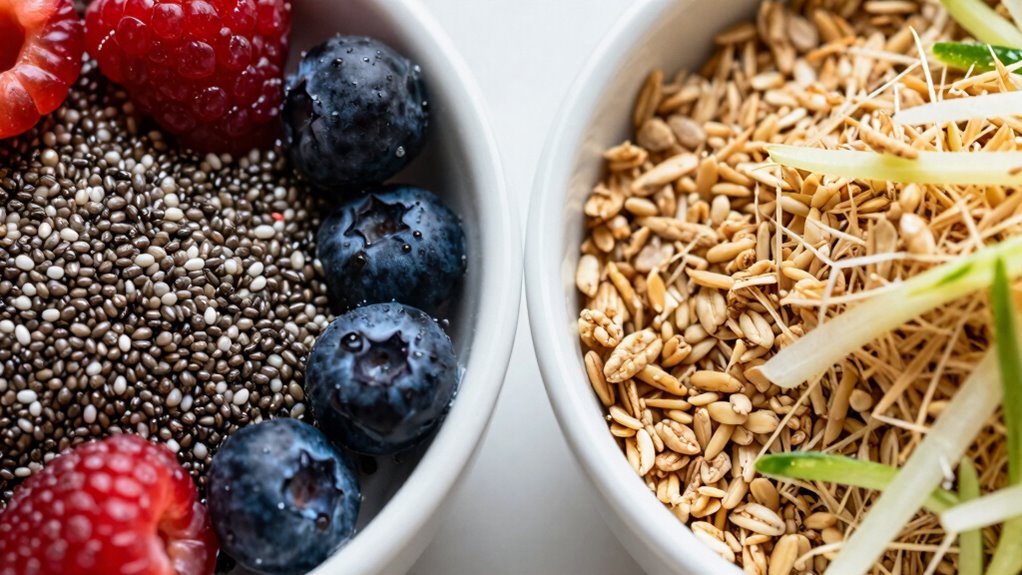
Have you ever wondered what distinguishes soluble and insoluble fiber? Understanding these differences can help you make smarter choices for your diet and overall health. Soluble fiber dissolves in water, forming a gel-like substance in your digestive system. It’s found in various dietary sources like oats, beans, lentils, fruits such as apples and citrus, and certain vegetables. Because it dissolves, soluble fiber can help lower cholesterol levels and stabilize blood sugar, making it especially beneficial if you’re managing heart health or diabetes. When you consider fiber supplements, many contain soluble fiber components like psyllium husk, which can be added to your smoothies or mixed into water for quick, effective benefits. These supplements are a convenient way to boost your intake if your diet falls short, but it’s always best to get fiber from natural food sources whenever possible.
In contrast, insoluble fiber doesn’t dissolve in water. Instead, it adds bulk to your stool, helping it move more quickly through your digestive tract. You’ll find insoluble fiber in whole grains like wheat bran, nuts, seeds, and the skins of fruits and vegetables. Its primary role is to prevent constipation and promote regularity, making your bowel movements more consistent and less painful. If you’re looking to improve digestion or prevent issues like hemorrhoids, increasing insoluble fiber intake makes a lot of sense. Like soluble fiber, you can find insoluble fiber in dietary sources as well as in fiber supplements. Some products combine both types to provide a thorough approach to digestive health, but focusing on whole foods rich in insoluble fiber is usually your best bet. Additionally, digestive health benefits from a balanced intake of both fiber types are well-supported by research. Incorporating a variety of fiber sources can also support nutrient absorption and overall gut microbiome health, which is essential for maintaining long-term health and disease prevention. A well-rounded fiber intake can also contribute to weight management, making it an important consideration for overall wellness. Including insoluble fiber in your diet can also help with detoxification, as it facilitates the removal of waste products from your body.

Metamucil, Psyllium Husk GLP-1 Friendly Fiber Capsules, 300 Capsules, 3-in-1 Fiber Supplement, Daily Psyllium Husk Fiber Capsules Help Support Digestive Health by Promoting Regularity*
FEEL WHAT LIGHTER FEELS LIKE by helping promote regularity when you make Metamucil fiber capsules a part of…
As an affiliate, we earn on qualifying purchases.
As an affiliate, we earn on qualifying purchases.
Frequently Asked Questions
Can I Get Enough Fiber Through Supplements Instead of Food?
You can get enough fiber through supplements, but focus on supplement quality to guarantee ideal fiber absorption. Supplements often lack the variety and additional nutrients found in whole foods, making it harder to meet all your fiber needs. While convenient, they may not fully replicate the benefits of natural fiber sources. For best health, incorporate a mix of high-quality supplements and fiber-rich foods into your diet for balanced benefits.
Are There Any Risks Associated With High Fiber Intake?
Think of your gut as a busy city; too much fiber is like overbuilding, causing traffic jams. Excessive fiber intake can lead to bloating, gas, and nutrient absorption issues. It may also disrupt your gut microbiota balance, affecting overall health. While fiber is essential, moderation guarantees your digestive system runs smoothly without overwhelming it. So, listen to your body and gradually increase fiber intake to avoid these risks.
How Quickly Does Fiber Affect Digestion and Bowel Movements?
Fiber starts affecting your digestion and bowel movements within hours after eating. Soluble fiber slows digestion by forming a gel-like substance, helping you feel full longer, while insoluble fiber speeds up transit time, preventing constipation. Fiber absorption varies, but generally, you’ll notice changes in digestion speed within 24 to 48 hours. Incorporating a mix of both fiber types supports healthy digestion and regular bowel movements effectively.
Do Fiber Needs Change With Age or Health Conditions?
Yes, your fiber needs change with age or health conditions. As you age, your gut microbiota shifts, affecting fiber absorption and digestion efficiency. If you have health issues like diabetes or gastrointestinal disorders, you might need more soluble fiber to regulate blood sugar and support gut health. Adjusting your intake helps optimize fiber’s benefits, ensuring your digestive system stays healthy and functions properly through different life stages and health challenges.
Can Fiber Help With Weight Loss or Management?
A stitch in time saves nine, and adding fiber helps manage weight. Fiber types, especially soluble fiber, promote fullness and slow digestion, aiding in weight regulation. Incorporate foods rich in soluble and insoluble fiber to curb hunger and prevent overeating. Regularly including fiber in your diet supports healthy weight management, making it easier to reach and maintain your goals. Remember, small changes lead to lasting results.
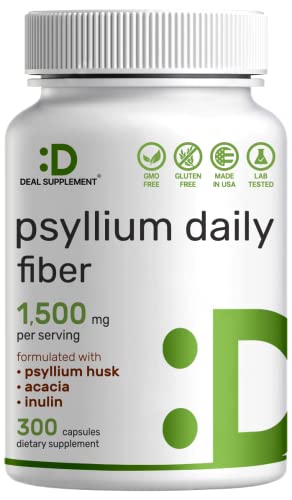
Psyllium Husk 1500mg Per Serving, 300 Capsules – 3 in 1 Fiber Supplement with Inulin & Acacia Complex – Natural Soluble Fiber, Supports Digestive Health* – Plant Based, Non-GMO
Special Features – 300 psyllium husk fiber capsules with an inulin and acacia complex, authentic Indian psyllium source,…
As an affiliate, we earn on qualifying purchases.
As an affiliate, we earn on qualifying purchases.
Conclusion
So, which fiber truly makes the most sense for your everyday life? It’s a question that lingers as you consider your health goals. Will soluble fiber’s heart benefits or insoluble fiber’s digestive aid win out? The answer isn’t cut and dry. The real key might be in balancing both, but the choice could come down to what your body needs most. Are you ready to discover which fiber will truly transform your daily routine? The truth awaits.
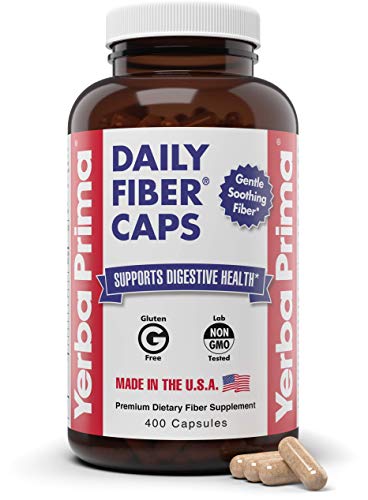
Yerba Prima Daily Fiber Caps Formula, 400 Capsules – Both Soluble and Insoluble – with Psyllium Seed Husks, Acacia Gum, Apple Fiber and More – Dietary Supplement
ARE YOU GETTING ENOUGH FIBER? Health authorities recommend 25 to 40 grams of daily fiber for good health….
As an affiliate, we earn on qualifying purchases.
As an affiliate, we earn on qualifying purchases.

FBKDVC High Fiber Food Chart Posters Healthy Digestion And Gut Health Guide Canvas Wall Art Rich Fiber Grocery List Weight Management Prints Painting For Kitchen Decor 12x16in Unframed
Comprehensive High Fiber Food Chart: This poster serves as an informative guide showcasing a wide array of high-fiber…
As an affiliate, we earn on qualifying purchases.
As an affiliate, we earn on qualifying purchases.