TL;DR

Get health and wellness essentials delivered free with Prime
- Fast, free delivery on millions of items
- Prime Video, Amazon Music and more included
- Member-only deals all year
A review of four high-protein drinks found that added protein does not guarantee an appealing taste: the products ranged from a thick smoothie to an intensely sweet protein water and soda. The review also notes that many adults can meet protein needs through food, so shoppers should check serving sizes, ingredients and nutrition claims rather than assume a fortified drink is necessary.
A taste review of four high-protein drinks found that their added protein did not prevent complaints about intense sweetness, thick textures and unconvincing flavors. The drinks, which included a smoothie, protein water, matcha latte and protein soda, reflect a wider spread of protein-fortified products that are now marketed well beyond athletes.
The review described a market that has moved protein beyond traditional powders and shakes into iced coffees, smoothies, waters, sodas and beer. The products are promoted with claims such as “vegan,” “no added sugar” and “low calorie,” but those labels do not by themselves describe a drink’s overall sweetness, texture or nutritional value. The reviewer’s conclusions are about taste, not a clinical assessment of health benefits.
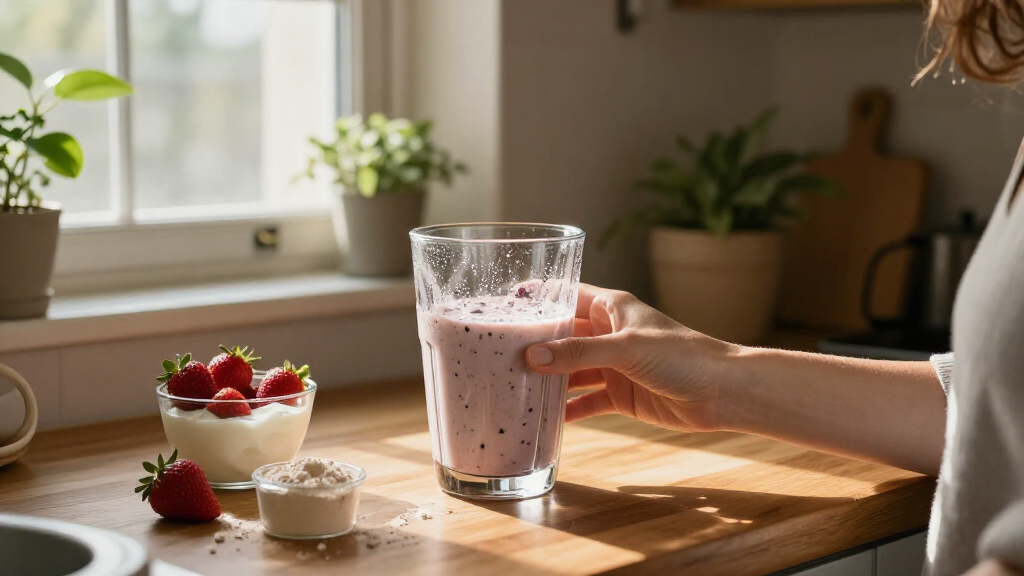
The four drinks had distinct drawbacks. Naked Machine Protein Pineapple and Mango, sold in a 750ml bottle for £4.50, was described as thick, with one serving equal to one-third of the bottle. Vieve Watermelon Protein Water, priced at £2.59 for 500ml, was called very sweet and not convincingly watermelon-flavored, although the reviewer found it the most thirst-quenching of the group.
Perfect Ted Protein Matcha Latte White Chocolate costs £2.40 for 250ml and contains 18g protein and 12.75g sugar, according to the supplied review. Feisty White Peach and Nectarine, a 330ml drink costing £2.19, was described as syrupy; its ingredients include white grape and apple concentrates and stevia leaf. These are individual taste judgments, not a full comparison of all products in each category.
Protein drinks face the taste test
Four drinks showed how protein claims can come with very different sweetness, textures and flavors. Check the label and your own preferences before buying.
Four drinks, four trade-offs
The review’s taste judgments were individual impressions, not a full nutrition comparison.
Naked Machine
Pineapple and mango; described as thick. One serving is one-third of the bottle.
Vieve Watermelon
Called very sweet with an unconvincing watermelon flavor, but the most thirst-quenching.
Perfect Ted
White chocolate matcha; the review lists 18g protein and 12.75g sugar per 250ml.
Feisty White Peach
Described as syrupy; ingredients include fruit concentrates and stevia leaf.
Protein goes beyond shakes
The review describes fortified versions of everyday drinks, using different protein sources.
- Naked smoothie and Feisty soda use hydrolysed pea protein.
- Vieve says its waters use collagen protein peptides.
- Perfect Ted’s matcha latte uses milk powder.
- Protein is marketed in iced coffees, smoothies, waters and sodas.
- Protein beer remains a niche UK category, according to the review.
- The review mentions a Brazil pilot of Spaten Pro; its results are not provided.
Check the label and the serving
Front-of-pack claims alone do not show the full drinking experience or nutrition picture.
Compare the stated amount across products.
A bottle may contain more than one serving.
Claims such as “no added sugar” do not replace the full nutrition panel.
Protein Claims Meet the Taste Test
For shoppers, the review points to a practical gap between protein marketing and the drinking experience. A product can offer a stated amount of protein and still be too sweet, thick or strongly flavored for someone’s preferences. Reading the ingredient list and nutrition panel, and checking the serving size, gives a clearer basis for comparison than relying on front-of-pack phrases alone.
The broader trend also matters because protein-enhanced versions of everyday products are being promoted to general consumers. The review links the growth in protein products to the rising popularity of weight-loss drugs, but it does not establish that those drugs caused the market expansion. Its central consumer point is narrower: the availability of fortified drinks does not mean everyone needs one, and taste-test impressions do not establish a health benefit.
Products Worth Considering

Ninja Mega Kitchen System Blender and Food Processor, 1500W, 72-oz Pitcher, 8-Cup Bowl, Black (BL770)

Instant Pot Rio Wide 7.5 Qt 7-in-1 Electric Pressure Cooker, WhisperQuiet

Cuisinart DFP-14BCNY 14-Cup Food Processor
As an affiliate, we earn on qualifying purchases.
From Shakes to Protein Beer
The review says most adults need about 0.75g of protein per kilogram of body weight each day, and notes that protein can come from foods such as nuts, pulses and eggs. Some people, including athletes, use supplements to support high levels of exertion. The supplied material does not cite the basis for the daily figure, so readers should treat it as the review’s stated guidance rather than a personalized recommendation.
Protein drinks can use different ingredients. The review says Naked’s smoothie and Feisty’s soda use hydrolysed pea protein, in which the protein has been broken into smaller peptides. Vieve says its waters use collagen protein peptides, while Perfect Ted’s matcha latte uses milk powder. These formulations can affect texture and composition, but the review does not compare their performance in a laboratory or assess how the body uses them.
Protein beer remains a niche category in the UK, according to the review. It mentions Lifted, which contains 10g of pea protein per can, and says AB InBev announced a Brazil pilot of Spaten Pro in September. The alcohol-free beer was described as containing 10g protein per can, including hydrolysed whey protein and hydrolysed collagen. The supplied details do not specify the year of the announcement or the pilot’s results.
““you’d really benefit from a non-alcoholic protein beer,” said no dietician ever.”
— Guardian Life review
What Labels Do Not Tell Shoppers
The review offers one reviewer’s taste judgments, not a blind tasting or a complete nutritional analysis. It does not provide comparable protein amounts for all four drinks, detailed calorie figures, or a consistent serving-size comparison. The product descriptions and prices may also vary by retailer, location and time.
It remains unclear from the supplied details how much protein a particular reader needs, whether any of the drinks provide a specific benefit for that person, and whether AB InBev’s Brazil pilot proceeded or produced results. The review’s statements about sweetness and flavor should not be treated as evidence about health effects. People making dietary decisions for a medical reason should consult a qualified professional.
Check the Label Before Buying
Shoppers comparing these drinks can start with the protein amount per serving, then check how many servings are in the container. The ingredients list and nutrition panel can clarify which protein source is used and how much sugar is present; a “no added sugar” or “low calorie” claim is not a substitute for checking the full label. Flavor and texture remain personal, so trying a smaller size, when available, may be more useful than choosing by protein claims alone.
The review does not identify a single drink as a clear winner. Its taste findings suggest that buyers should compare products based on both the nutrition information they need and whether the flavor suits them. Any further updates on the Spaten Pro pilot or the products’ formulations would need to be assessed separately from this taste review.
Source: Guardian Life
Key Questions
How much protein does the review say adults need?
The review gives a figure of 0.75g per kilogram of body weight per day. It does not provide a citation for that figure in the supplied material, and individual needs can differ.
Which drink was the most thirst-quenching?
The reviewer described Vieve Watermelon Protein Water as the most thirst-quenching of the four, while also calling it very sweet and saying its watermelon flavor was unconvincing.
Which tested drink listed the most protein?
The supplied review lists 18g of protein for Perfect Ted Protein Matcha Latte White Chocolate, along with 12.75g of sugar in a 250ml drink.
Do most people need protein drinks?
The review says many people can get protein from foods such as nuts, pulses and eggs, and that supplements are used by some people, including athletes. It does not assess any individual’s needs or recommend a specific product.
What should shoppers check when choosing one?
Check protein per serving, servings per container, sugar and ingredients. The review also suggests that sweetness, texture and flavor differ widely, so nutrition claims alone may not predict whether a drink will taste appealing.
Source: Guardian Life