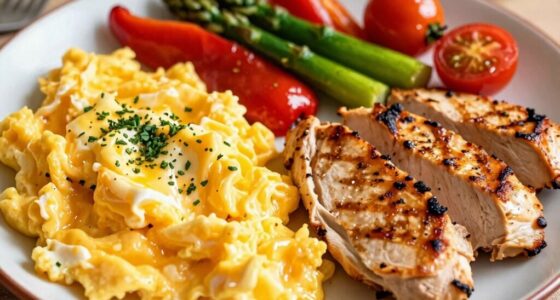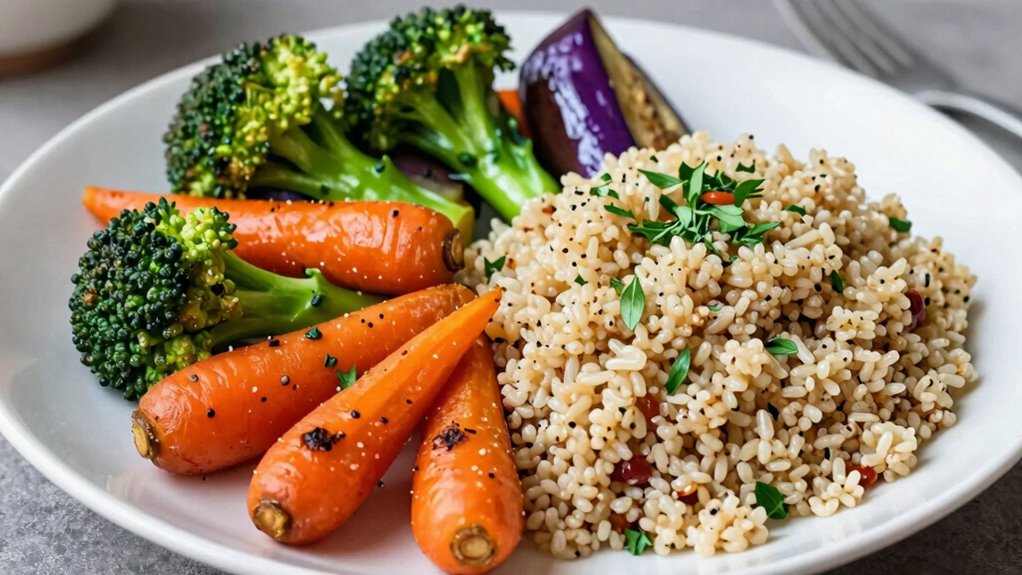

Volume eating involves filling your plate with low-calorie, high-water foods like vegetables, fruits, and broth-based soups, so you can enjoy larger, satisfying meals without overeating. It’s about paying attention to portion sizes and savoring each bite, helping you feel full longer. This approach supports healthier habits, keeps you hydrated, and makes eating enjoyable without sacrificing taste. To discover practical tips and more strategies, keep exploring how you can make volume eating work best for you.
Key Takeaways
- Focus on filling your plate with low-calorie, high-volume foods like vegetables, fruits, and broth-based soups.
- Use portion control to include more water-rich and fiber-rich foods that promote fullness.
- Choose nutrient-dense, low-calorie foods to enjoy larger, satisfying meals without overeating.
- Practice mindful eating to recognize fullness cues and savor each bite, reducing rushed or mindless eating.
- Replace high-calorie ingredients with vegetable toppings and broth-based options for healthier, voluminous meals.

Have you ever wondered how you can eat satisfying portions without overdoing it on calories? That’s where volume eating comes in—an approach that focuses on filling your plate with foods that are low in calories but high in volume. The idea is simple: you get to enjoy larger, more satisfying meals without consuming excess calories. This method is especially effective if you want to lose weight or maintain your current weight while still feeling full and happy after eating.
One of the key principles of volume eating is portion control. Instead of restricting yourself with tiny servings, you learn to choose foods that naturally take up more space in your stomach. Vegetables, fruits, and high-water-content foods are perfect examples. They add bulk to your meals without adding many calories, helping you feel full longer. By incorporating these foods into your diet, you’re practicing mindful eating—paying close attention to how full you feel and recognizing when to stop eating. This awareness prevents overeating and encourages a healthier relationship with food. Additionally, incorporating high-water-content foods can support hydration and overall well-being.
When you practice portion control with volume eating, you’re not just focusing on what to eat but also how much. You can still enjoy your favorite dishes, but by filling them with vegetables or broth-based soups, you reduce calorie density. For example, instead of a large plate of pasta with heavy sauce, opt for a smaller portion topped with plenty of vegetables. This way, you get the satisfaction of a hearty meal without the calorie overload. Mindful eating plays a big role here, as you slow down, savor each bite, and listen to your body’s signals of fullness. It’s about turning eating into a more conscious experience rather than a rushed or mindless activity. Moreover, portion control helps you develop healthier eating habits that can last a lifetime.
Another benefit of volume eating is that it encourages variety. You’ll naturally include more different types of produce and high-water foods, which provide essential nutrients and fiber. Fiber keeps you full longer, stabilizes blood sugar levels, and supports digestion. As you become more tuned into your hunger cues and fullness signals through mindful eating, you’ll find it easier to stick to your portion control goals without feeling deprived. Additionally, choosing foods that support biodiversity can enhance your overall health and contribute to sustainable living practices.
In essence, volume eating isn’t about starving yourself or eating boring meals. It’s about smart choices—focusing on foods that give you more volume for fewer calories. By practicing portion control and mindful eating, you turn mealtime into a satisfying, nourishing experience. This approach helps you enjoy your food, stay full longer, and reach your health goals without feeling deprived or hungry. It’s a balanced, sustainable way to eat that makes healthful living both easy and enjoyable.
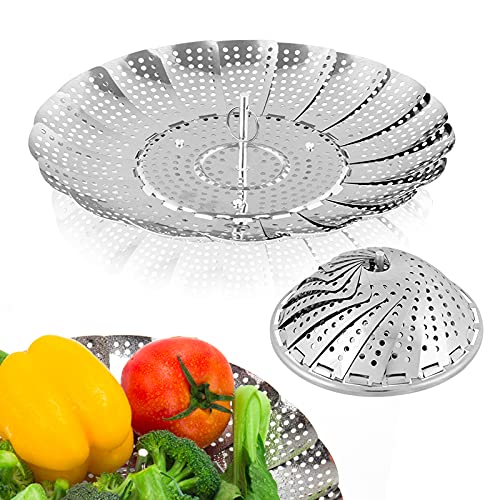
Vegetable Steamer Basket, Premium Stainless Steel Veggie Steamer Basket – Folding Expandable Steamers to Fits Various Size Pot Small by SAYFINE (5.5" to 9.2")
- Premium Stainless Steel Design: Food-grade, nutrient-retaining petals
- Adjustable Size Fit: Expands to 9.2 inches for various pots
- Compact Folding Storage: Folds to save space when not in use
As an affiliate, we earn on qualifying purchases.
As an affiliate, we earn on qualifying purchases.
Frequently Asked Questions
How Does Volume Eating Affect Long-Term Weight Management?
Volume eating helps you with long-term weight management by promoting better portion control through focusing on foods with low calorie density. When you choose foods that fill you up without many calories, you naturally eat less overall, making it easier to maintain a healthy weight. Over time, this approach encourages sustainable habits, reduces overeating, and supports consistent progress without feeling deprived.
Can Volume Eating Help With Emotional or Binge Eating?
When it comes to emotional triggers and binge prevention, volume eating can be a game-changer. It helps you feel full longer, reducing the urge to binge out of boredom or stress. By focusing on high-volume, low-calorie foods, you satisfy cravings without overeating. This approach allows you to take control, break emotional eating patterns, and build healthier habits without feeling deprived—proving that sometimes, less really is more.
Are There Specific Foods That Are Better for Volume Eating?
Yes, certain foods are better for volume eating. Focus on foods with high water and fiber content, like vegetables, fruits, and soups, which help you feel full longer. Incorporate a variety of foods to keep meals interesting and guarantee nutrient intake. Pay attention to meal timing, spreading out your large, filling meals throughout the day to maintain satiety and prevent overeating. This approach supports your volume eating goals effectively.
How Do I Balance Volume Eating With Macronutrient Needs?
Ever wonder how to balance volume eating with your macronutrient needs? You should focus on meal timing and food variety. Incorporate high-volume, nutrient-dense foods like vegetables and lean proteins to stay full and meet your protein goals. Space your meals throughout the day to maintain energy levels, and diversify your choices to guarantee you’re getting carbs, fats, and proteins in proper amounts. This approach keeps your diet balanced and satisfying.
Is Volume Eating Suitable for Athletes or Highly Active Individuals?
Yes, volume eating suits athletes and highly active individuals because it helps meet energy requirements while keeping you full. By focusing on nutrient-dense, low-calorie foods, you can support athletic performance without overeating. This approach guarantees you get enough carbs, protein, and healthy fats to fuel your workouts and recovery. It’s a practical way to stay energized, maintain weight, and optimize performance during intense training periods.
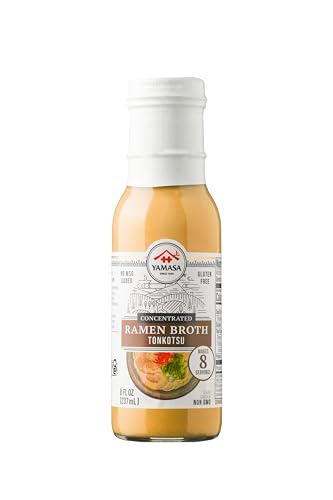
Yamasa, Artisanal Tonkotsu Ramen Broth Concentrate, Serves 8 Bowls, No MSG Added, Japanese Tradition, 8oz
- Serves: 8 bowls
- Tradition: Japanese artisanal craftsmanship
- Flavor profile: Rich, creamy pork broth
As an affiliate, we earn on qualifying purchases.
As an affiliate, we earn on qualifying purchases.
Conclusion
By choosing volume eating, you can enjoy satisfying meals that keep you full longer without overeating. This approach is backed by research showing that foods high in water and fiber can reduce overall calorie intake by up to 20%. So, next time you plan your meals, focus on incorporating these nutrient-dense options. Not only will you feel more satisfied, but you’ll also be taking a smart step toward healthier eating habits that last.

Core Kitchen Nested Wheat Fiber Food Storage Set – 8-Piece BPA-Free Containers with Lids – Eco-Friendly, Stackable, Microwave & Freezer Safe
- Eco-Friendly Material: Made with sustainable wheat fiber
- Complete 8-Piece Set: Includes 4 containers and 4 lids
- Stackable Design: Nest neatly for space-saving storage
As an affiliate, we earn on qualifying purchases.
As an affiliate, we earn on qualifying purchases.

VIYNRAN 4 Pcs Portion Control Plates & Bowls Set (9 Inch), Self-Measuring for Weight Loss, Gastric Bypass, LapBand, Diabetes, & Healthy Diets, Divided Nutrition Plates for Adults & Children
- Effective Portion Control: Supports weight loss and health management
- Ideal Size for Portions: 9-inch plates and 5.3×2.5-inch bowls
- Easy to Use: Clear measuring lines for accurate servings
As an affiliate, we earn on qualifying purchases.
As an affiliate, we earn on qualifying purchases.