
To buy produce with less waste, focus on smart shopping habits like choosing seasonal, imperfect, or surplus produce, which often lasts longer and costs less. Plan meals around what you already have and use preservation techniques such as freezing herbs or pickling. Opt for minimal packaging and bulk options to reduce waste, and store items properly to extend freshness. If you keep these strategies in mind, you’ll find it easier to minimize waste and make the most of your produce.
Key Takeaways
- Choose imperfect or surplus produce, often sold at lower prices and still edible.
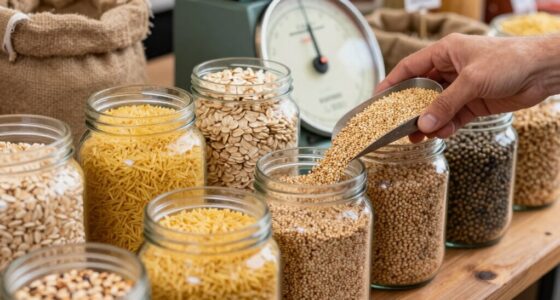
- Buy loose or in bulk to purchase only what you need, reducing packaging waste.
- Plan meals around seasonal produce to minimize overbuying and spoilage.
- Store produce properly in breathable containers and at correct conditions to extend freshness.
- Use preservation methods like freezing or pickling to prevent waste of excess produce.
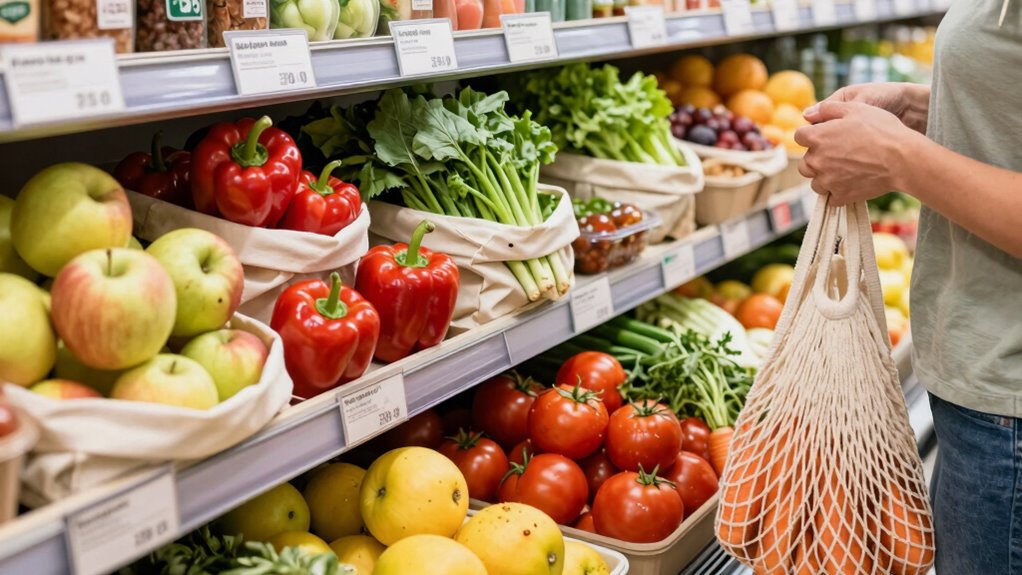
Reducing produce waste starts with smart shopping habits. When you head to the grocery store or farmers’ market, think about how to select produce that will last longer and minimize spoilage. One effective strategy is to focus on food preservation techniques. For example, if you buy fruits and vegetables that you plan to eat over several days, consider storing them properly—refrigerating berries in a breathable container or freezing excess herbs in ice cubes with water. Proper food preservation helps extend the life of your produce, reducing the need to throw away spoiled items. Also, pay attention to how produce is packaged. Choosing items with eco friendly packaging—such as compostable or recyclable wraps—can make a difference, not just environmentally but practically. Eco friendly packaging often means less plastic waste, and some stores now offer bulk options or loose produce, allowing you to buy only what you need without excess packaging.
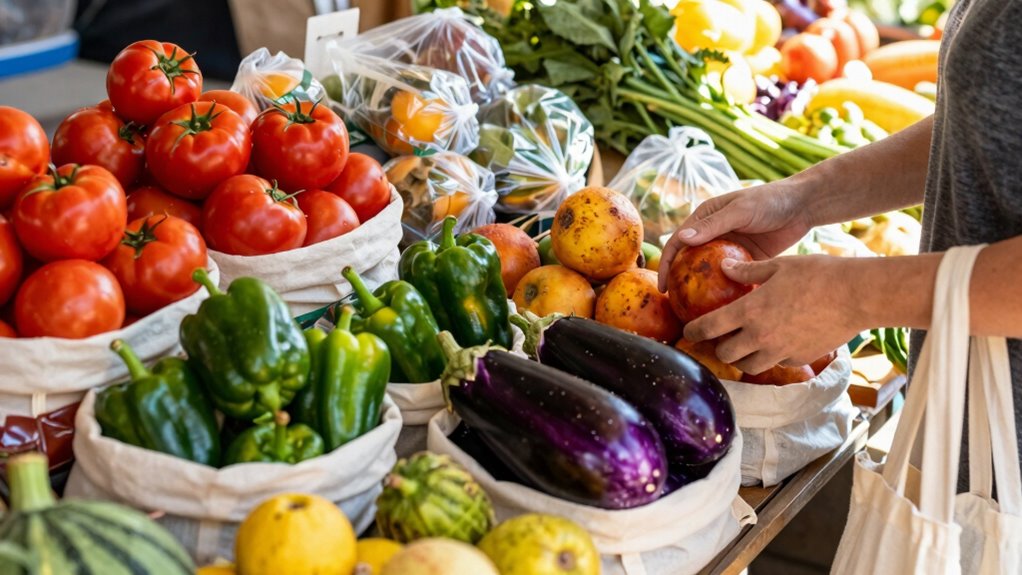
When shopping, don’t be afraid to select imperfect produce. Often, produce with minor blemishes or irregular shapes is just as nutritious and can be used in cooking or smoothies, cutting down on waste. Many suppliers and stores now promote “imperfect produce” initiatives, which help reduce food waste at the source. Additionally, plan your meals around what’s in season and what you already have at home. This prevents overbuying and encourages you to use what’s available before it spoils. If you’re shopping at a farmers’ market, ask vendors about surplus produce, which is often sold at lower prices and is just as fresh and edible. Incorporating food preservation techniques like pickling or drying can also extend the usability of seasonal produce, keeping it out of the trash and into your pantry. Being mindful of how you store produce, such as using proper storage methods, can further reduce spoilage and waste. Furthermore, understanding the best storage conditions for different types of produce can significantly prolong their freshness and usability. To maximize freshness, it’s also helpful to learn about produce ripening stages, which can help you choose produce at the optimal point for storage and use. Additionally, being aware of how to properly handle delicate produce can prevent bruising and spoilage during transport and storage.
Another tip is to be mindful of portion sizes. When you buy in bulk, it’s easy to overestimate how much you’ll use, leading to waste. Instead, buy smaller quantities more frequently, especially for items that spoil quickly, like leafy greens or berries. Using clear containers for storing produce at home helps you keep track of what’s available and prevents forgotten items from going bad.
imperfect produce at farmers market
As an affiliate, we earn on qualifying purchases.
As an affiliate, we earn on qualifying purchases.
Frequently Asked Questions
How Do I Choose Produce That Lasts Longer?
To choose produce that lasts longer, look for ripening techniques like selecting fruits that feel firm but give slightly when pressed, indicating they’re ripe but not overripe. Use organic produce tips by choosing items with minimal blemishes and vibrant color. Store them properly—some should stay in the fridge, others at room temperature. Picking fresh, well-ripened produce helps extend their lifespan, reducing waste and keeping your meals fresh longer.
What Are Eco-Friendly Packaging Options for Produce?
You can choose eco-friendly packaging options like recyclable bags and biodegradable wraps for produce. Recyclable bags are great because they can be reused and processed easily, reducing waste. Biodegradable wraps break down naturally in the environment, minimizing pollution. Always look for packaging labeled as eco-friendly or biodegradable, and bring your own reusable bags when shopping. These small choices make a big difference in reducing your environmental impact.
How Can I Reuse or Compost Produce Scraps?
You can reuse food scraps by saving vegetable peels, cores, and stems for composting or making broths. Composting tips include layering scraps with yard waste and turning the compost regularly to speed up decomposition. Avoid adding meat or dairy to compost. By doing so, you’ll reduce waste, create nutrient-rich soil, and support a sustainable cycle. Remember, small efforts like these make a big difference in reducing produce waste.
Are There Specific Stores Better for Reducing Produce Waste?
You’ll find that local stores often have fresher produce, reducing waste, especially when you focus on their organic sections. Look for stores that prioritize local sourcing and have clear labeling to minimize overstock and spoilage. Use strategies like shopping during delivery days or inspecting produce carefully to pick the best items. These tips help you cut waste, save money, and enjoy higher-quality produce with less environmental impact.
How Do I Store Produce to Prevent Spoilage?
To prevent spoilage, you should follow essential produce preservation and storage tips. Keep leafy greens in a damp paper towel inside a perforated bag, while fruits like apples and berries should be stored in the fridge in breathable containers. Avoid washing produce before storage—wait until you’re ready to use it. Keep ethylene-producing fruits separate from others to prevent ripening too quickly. Proper storage extends freshness and reduces waste.

The New Fermentation Guide For Beginners: Safe water bath and pressure canning for preserving vegetables, sauces, drinks, with gut healthy vegan … waste savings (Food Preservation Techniques)
As an affiliate, we earn on qualifying purchases.
As an affiliate, we earn on qualifying purchases.
Conclusion
By choosing to buy produce more thoughtfully, you can substantially reduce waste and make a positive impact on the environment. Remember, about 30% of all food produced globally is wasted, often due to overbuying or improper storage. So, next time you shop, bring a plan, buy only what you need, and use your produce promptly. Small changes like these can lead to big savings and help fight food waste—every bit counts!

5 PCS Large Fruit Containers for Fridge – Leakproof Food Storage Containers with Removable Colander – Dishwasher & microwave safe Produce Containers Keep Fruits, Vegetables, Berry, Meat Fresh longer
5 packs : You will get 5 fridge storage containers with colander size from 300 ml to 4200…
As an affiliate, we earn on qualifying purchases.
As an affiliate, we earn on qualifying purchases.

Reli. Plastic Bags Thank You (1050 Count) | White Grocery Bags with Handles | Shopping (Plastic)
Bulk Quantity: 1050 Plastic "Thank You" Bags
As an affiliate, we earn on qualifying purchases.
As an affiliate, we earn on qualifying purchases.