

TL;DR

Get health and wellness essentials delivered free with Prime
- Fast, free delivery on millions of items
- Prime Video, Amazon Music and more included
- Member-only deals all year
A compound found in rice bran, ferulic acid, has been shown in laboratory studies to reduce intestinal muscle contractions by blocking calcium channels. This discovery could lead to new dietary approaches for managing gut motility issues like IBS, but further research in humans is needed.
Research from Toho University has identified that ferulic acid, a naturally occurring compound in rice bran, can significantly reduce intestinal smooth muscle contractions in laboratory experiments. This discovery suggests a potential new avenue for dietary interventions in treating gastrointestinal motility disorders such as irritable bowel syndrome (IBS). While promising, the effects observed are preliminary and based on in vitro studies.
The study, led by researchers at Toho University, demonstrated that ferulic acid (FA) can decrease contractions of guinea pig intestinal smooth muscle by blocking voltage-dependent calcium channels. This effect was concentration-dependent and reversible, indicating that FA interferes with calcium entry into muscle cells, which is essential for contraction. The experiments also showed FA reduced calcium signals triggered by potassium chloride, supporting the hypothesis that it inhibits calcium influx, a key step in muscle contraction.
Researchers noted that while the concentrations of FA used in lab settings were higher than typical dietary levels, the compound’s concentration within the intestines after food intake could be sufficient to exert similar effects. They emphasized that further studies are necessary to determine whether these findings translate to humans. The potential for FA to modulate gut motility could benefit individuals with diarrhea-predominant IBD, though it might not be suitable for those with constipation-predominant IBS or healthy individuals.
Clinicians and scientists agree that human clinical trials are essential to verify safety, dosage, and efficacy before any dietary recommendations or supplement formulations are made based on these findings.
Implications for Gut Disorder Treatments
This research could pave the way for new dietary strategies or supplements aimed at regulating intestinal motility, especially for patients with diarrhea-predominant IBD or other gut motility disorders. As ferulic acid is a common component of whole grains and rice bran, understanding its effects might influence nutritional guidance. However, the current evidence is limited to laboratory settings, and the actual impact on human health remains to be established through clinical trials.
Products Worth Considering

KitchenAid 8-Cup Grain and Rice Cooker with Integrated Scale, Black Matte
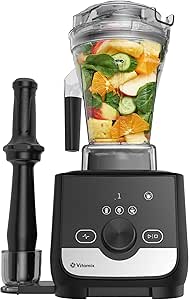
Vitamix Ascent X3 Professional-Grade Blender, 3 Programs, Shadow Black

Cuisinart Chef's Classic 11-Piece Stainless Steel Cookware Set
As an affiliate, we earn on qualifying purchases.
Background on Ferulic Acid and Gut Health
Ferulic acid is a polyphenol found widely in plant-based foods, especially in whole grains and rice bran. It is already recognized for its antioxidant and neuroprotective properties. Prior research has focused on its general health benefits, but its specific role in gastrointestinal motility was not well understood. The recent study marks a new direction by exploring how FA affects smooth muscle contractions, a key factor in conditions like IBS and IBD.
Previous studies have shown that abnormal intestinal contractions contribute to symptoms such as diarrhea and constipation. The discovery that FA can modulate these contractions by blocking calcium channels offers a potential targeted approach to managing such symptoms, pending confirmation from human studies.
“Ferulic acid reduces intestinal smooth muscle contractions by inhibiting calcium channels, which could influence gut motility.”
— an anonymous researcher
Unconfirmed Effects in Human Subjects
It is not yet clear whether ferulic acid will have the same effect in humans as observed in laboratory models. The concentrations used in experiments are higher than typical dietary intake, and the bioavailability and actual impact within the human gastrointestinal tract require further investigation. Clinical trials are necessary to determine safety, effective dosages, and potential benefits or risks for patients with gut disorders.
Next Steps for Clinical Validation
Researchers plan to conduct clinical trials to assess whether ferulic acid can safely and effectively regulate gut motility in humans. These studies will help establish appropriate dosages, identify which patient populations might benefit, and evaluate any side effects. Meanwhile, further laboratory research may explore optimal delivery methods to maximize intestinal contact with FA.
Key Questions
Can eating rice bran or whole grains help with IBS symptoms?
While ferulic acid is present in rice bran and whole grains, current research is limited to laboratory studies. It is too early to recommend dietary changes solely based on these findings. Consult a healthcare professional before making significant dietary adjustments for IBS management.
Will ferulic acid supplements be available for gut health?
Supplements containing ferulic acid are not yet available specifically for gut health, and more research is needed to determine effective and safe dosages. Clinical trials are the next step before any such products could be developed.
Are there any risks associated with ferulic acid intake?
Currently, no significant risks are identified in laboratory settings. However, without human studies, the safety profile at higher doses or in supplement form remains unknown. Always consult a healthcare provider before starting new supplements.
Could ferulic acid worsen constipation in some people?
Yes, since it may slow intestinal movement, ferulic acid could potentially worsen symptoms for those with constipation-predominant IBS or other motility issues. Its effects need to be carefully evaluated in clinical trials.
Source: rss