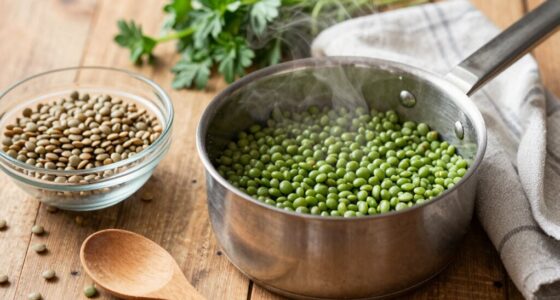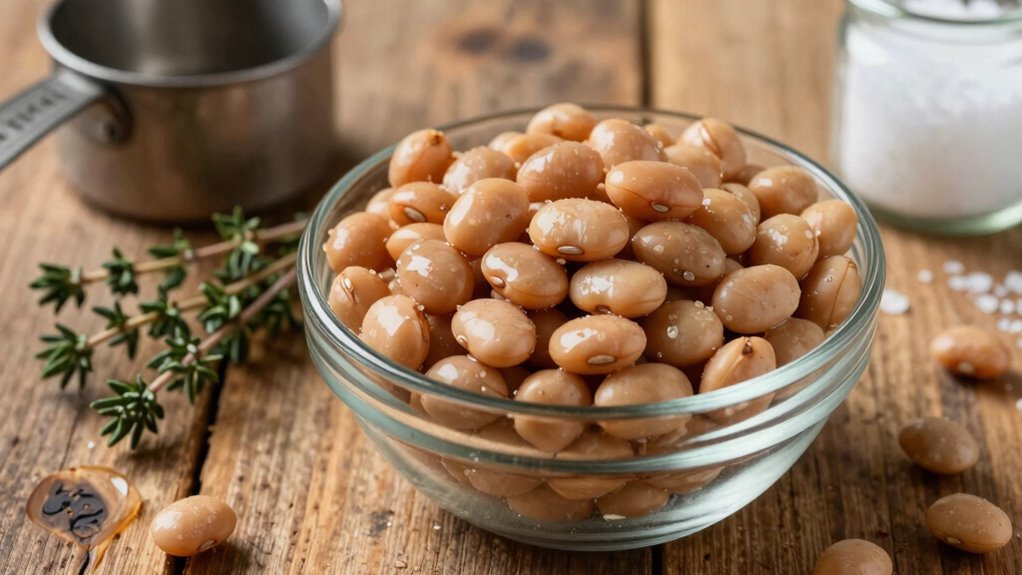

To cook dry beans stress-free, start by rinsing them well to remove dirt. If you like, soak larger beans overnight or do a quick soak by boiling for 2-3 minutes and letting them sit for an hour. Drain and transfer beans to a pot with three cups of water per cup of beans. Simmer gently for 1 to 2 hours, checking occasionally. For more tips on perfect beans, keep exploring—you’re about to become a pro at this!

Get health and wellness essentials delivered free — and shop member deals
- Fast, free delivery on millions of items
- Access to Prime Big Deal Days deals on October 6–7
- Prime Video, Amazon Music and more included
Key Takeaways
- Rinse beans thoroughly and soak larger varieties overnight or with a quick soak to reduce cooking time.
- Transfer soaked or dry beans to a pot, cover with water, and bring to a boil.
- Reduce heat to a gentle simmer, partially cover, and cook until beans are tender, about 1-2 hours.
- Avoid adding salt or acidic ingredients until beans are fully cooked to prevent toughening.
- Test for doneness by checking if beans are tender and creamy inside, then drain or season as desired.
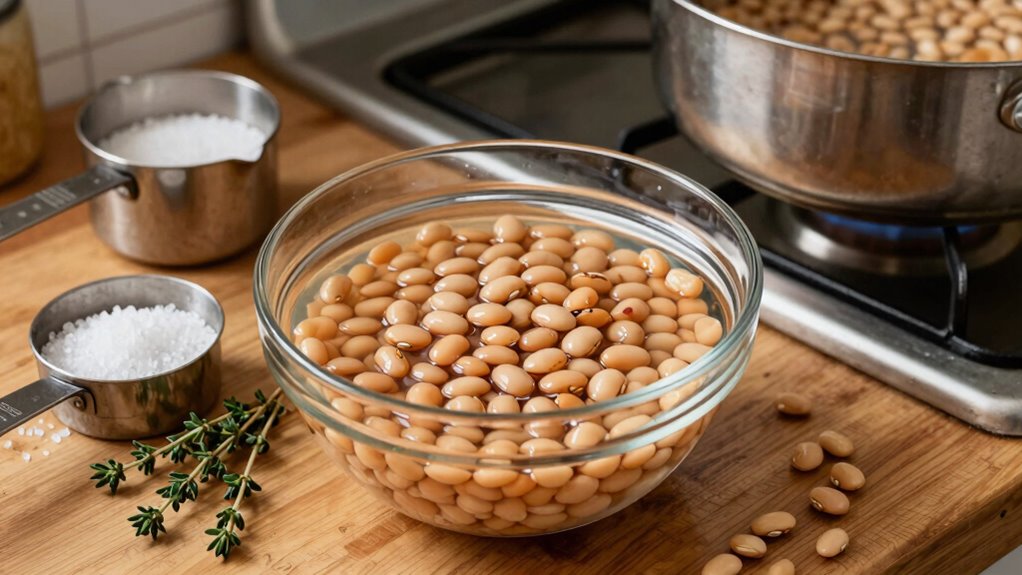
Cooking beans from dry might seem intimidating, but with a few simple steps, you can easily turn dry beans into a delicious, nutritious meal. The first thing to know is that there are many bean varieties to choose from, including black beans, pinto beans, chickpeas, lentils, and kidney beans. Each type has its own unique texture and flavor, so pick the ones that best suit your taste and recipe. Once you’ve selected your beans, you’ll need the right cooking tools. A large pot or Dutch oven is ideal for boiling, and a colander or strainer helps rinse and drain the beans. Having some measuring cups on hand can help you keep track of water and beans, and a timer ensures you don’t overcook or undercook them.
Choose from various bean types and use the right tools for perfect, tender results every time.
The process begins with rinsing your dry beans thoroughly under cold water to remove dirt and any debris. After rinsing, it’s helpful to soak the beans, especially for larger varieties like kidney beans or chickpeas, to reduce cooking time and improve digestibility. You can do a quick soak by boiling the beans for 2-3 minutes, then letting them sit covered for an hour, or opt for an overnight soak in plenty of water. Once soaked, drain and rinse the beans again to wash away any remaining impurities. Additionally, understanding the benefits of soaking beans can help you make more informed cooking choices and enhance their nutritional value. Proper soaking can also help reduce antinutrients, making the beans easier to digest.
Next, transfer your beans to a large pot and cover them with fresh water—about 3 cups of water for every cup of beans. Bring the water to a boil over medium-high heat, then reduce the heat to low and maintain a gentle simmer. It’s important to keep the pot partially covered to prevent excess evaporation but allow steam to escape. During cooking, periodically check the beans, adding more hot water if necessary to keep them submerged. Cooking times vary depending on bean type and whether they’re soaked, but most beans take between 1 to 2 hours to become tender. Understanding the importance of soaking beans can significantly reduce cooking time and improve digestibility.
Moreover, knowing how to test for doneness ensures your beans are perfectly cooked without becoming mushy, which is essential for a good texture. Throughout the process, avoid adding salt or acidic ingredients like vinegar or tomatoes until the beans are fully cooked, as these can toughen the beans and extend cooking time. Incorporating proper soaking techniques can further enhance the texture and nutritional benefits of your beans. Once the beans are soft and creamy inside, you can drain any excess water or season them directly in the cooking liquid for added flavor. With these simple steps, you’ll master cooking beans from dry, creating hearty dishes that are both flavorful and nutritious. The key is patience and paying attention to your beans’ texture, so you end up with perfectly tender beans every time.
large stainless steel pot for beans
As an affiliate, we earn on qualifying purchases.
As an affiliate, we earn on qualifying purchases.
Frequently Asked Questions
Can I Cook Beans Without Soaking Them First?
Yes, you can cook beans without soaking first. Soaking alternatives, like quick soaking or boiling for a few minutes, can help reduce cooking times and make them easier to digest. Keep in mind, unsoaked beans will take longer to cook—usually about 1.5 to 2 hours—so plan accordingly. Stir occasionally and check for tenderness to guarantee they’re cooked through, saving you time and effort.
How Long Do Cooked Beans Stay Fresh in the Fridge?
Cooked beans stay fresh in the fridge for about 3 to 5 days, so don’t let them become a forgotten treasure. To maximize their shelf life, follow proper bean storage and refrigeration tips—store them in an airtight container, cool quickly, and keep at a consistent temperature. Think of your fridge as a safe harbor, gently preserving your beans’ flavor and texture until you’re ready to enjoy them again.
What Are the Best Seasonings for Plain Cooked Beans?
You can enhance plain cooked beans with a variety of seasonings for delicious flavor combinations. Try garlic, onion, cumin, or chili powder for bold spice pairings. Fresh herbs like cilantro or parsley add brightness, while a splash of lemon or vinegar boosts tang. Don’t forget salt and pepper to balance the flavors. Experiment with different combinations to find what suits your taste buds best and makes your beans irresistibly tasty.
Can I Freeze Cooked Beans for Later Use?
Imagine you just cooked a big batch of beans for tonight’s dinner—yes, you can freeze cooked beans for later use. Bean storage is simple: let them cool, then transfer to airtight containers or freezer bags. For freezing tips, remove excess air and label with date. This way, you’ll have ready-to-use beans on hand, saving you time and effort for future meals.
How Do I Prevent Beans From Splitting During Cooking?
To prevent beans from splitting during cooking, you should focus on gentle cooking techniques and maintaining consistent heat. Soak your beans beforehand to soften their skin and reduce stress on the texture. Cook them slowly over low heat, avoiding rapid boiling, which can cause splitting. Keep them covered with plenty of water, and stir occasionally. This approach preserves the bean texture and guarantees even cooking without splitting.
As an affiliate, we earn on qualifying purchases.
Conclusion
So, after all that fuss about soaking and boiling, you might be surprised to find that cooking beans from dry isn’t as intimidating as it seems. With a little patience and some simple tricks, you’ll be a pro in no time—no stress, no fancy gadgets required. Who knew that the humble bean could turn into a culinary adventure? Just remember, the real magic is in your hands (and maybe a splash of water). Happy cooking!
As an affiliate, we earn on qualifying purchases.
As an affiliate, we earn on qualifying purchases.
Fall Picks
fall essentials
As an affiliate, we earn on qualifying purchases.