
TL;DR

Get health and wellness essentials delivered free with Prime
- Fast, free delivery on millions of items
- Prime Video, Amazon Music and more included
- Member-only deals all year
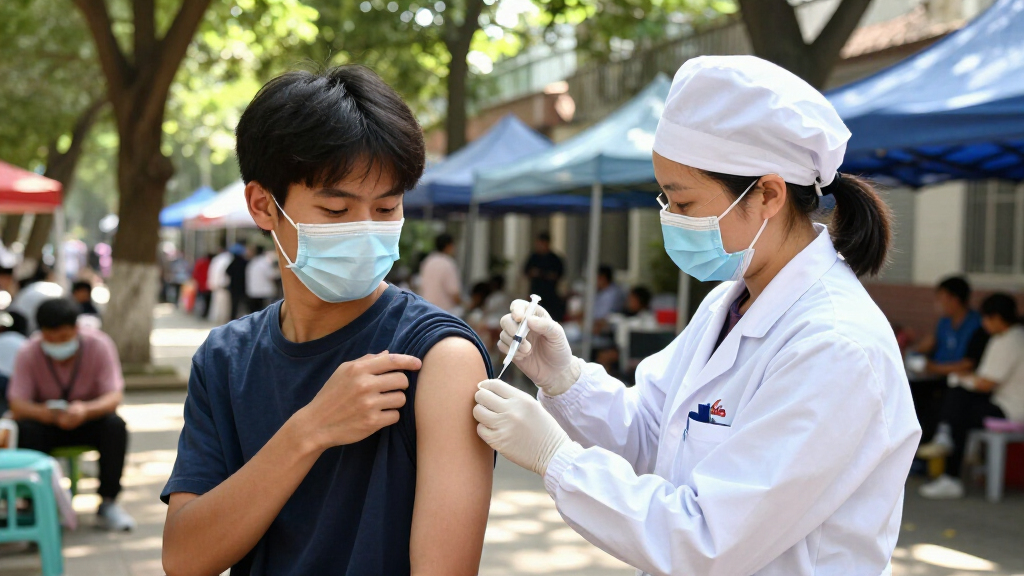
An ongoing measles outbreak has resulted in dozens of confirmed cases across several US states, marking a concerning resurgence of the disease. Authorities are urging vaccination and monitoring ongoing developments.
Health officials in the United States have confirmed a surge in measles cases across several states, with at least 50 cases reported in the past two weeks. This marks one of the largest outbreaks in recent years, raising concerns about vaccine coverage and disease control efforts. The Centers for Disease Control and Prevention (CDC) has issued alerts urging vaccination and increased surveillance to contain the spread.
The CDC confirmed 50 cases of measles across five states, including California, New York, Texas, Illinois, and Florida, as of the latest report. Vaccination efforts are crucial to prevent further spread. The majority of cases involve unvaccinated individuals, and public health officials attribute the resurgence to declining vaccination rates in certain communities. The outbreak has led to school closures in some areas and increased testing efforts by local health departments.
Health authorities emphasize that measles is highly contagious and can cause severe complications, especially among children and immunocompromised individuals. The CDC has advised travelers and parents to ensure their children are vaccinated with the MMR (measles, mumps, rubella) vaccine, which is over 97% effective when administered correctly. Several cases have been linked to recent travel to countries experiencing ongoing outbreaks, including parts of Europe and Asia.
While no deaths have been reported, several patients have been hospitalized with complications such as pneumonia and encephalitis. The outbreak has prompted increased vaccination clinics and public awareness campaigns aimed at boosting immunization coverage in vulnerable communities. Officials warn that the situation remains fluid, with additional cases possible as testing continues and contact tracing efforts expand.
Public Health Risks from Rising Measles Cases
This outbreak underscores the ongoing vulnerability of the US population to vaccine-preventable diseases like measles, especially in communities with low vaccination rates. Measles can lead to serious health complications, including pneumonia, encephalitis, and death. The resurgence also highlights the importance of maintaining high immunization coverage to prevent outbreaks and protect those who cannot be vaccinated due to medical reasons.
The rise in cases could strain healthcare resources and complicate efforts to contain other infectious diseases. It also raises concerns about the potential for further spread, particularly in densely populated or under-vaccinated areas. Public health officials stress that vaccination remains the most effective tool to prevent future outbreaks and safeguard community health.
As an affiliate, we earn on qualifying purchases.
Recent Trends and Historical Outbreak Patterns
Measles was declared eliminated in the US in 2000, but outbreaks have periodically occurred due to vaccine hesitancy and imported cases. The current surge follows a pattern seen in recent years, where declining vaccination rates in certain communities have created pockets of susceptibility. In 2019, the US experienced over 1,200 cases, the highest since 1992, driven largely by outbreaks in New York and other urban centers.
Experts note that the resurgence is partly linked to misinformation about vaccine safety, as well as gaps in healthcare access. The CDC and state health departments have ramped up vaccination campaigns and public outreach to address these issues. Historically, measles outbreaks tend to occur in the late winter and early spring, coinciding with seasonal travel and gatherings, which could influence the current pattern.
As an affiliate, we earn on qualifying purchases.
Unconfirmed Factors and Potential for Further Spread
It remains unclear how many additional cases may emerge in the coming weeks, as testing and contact tracing are ongoing. The full geographic scope of the outbreak is still being determined, and authorities have not yet confirmed whether the cases are linked to each other or represent separate importations. The impact of recent travel patterns and vaccine hesitancy trends on future case numbers is also still being assessed.
As an affiliate, we earn on qualifying purchases.
Monitoring, Vaccination Efforts, and Public Health Response
Public health agencies plan to continue enhanced surveillance, contact tracing, and vaccination campaigns in affected areas. Authorities are also working to address vaccine hesitancy through community outreach and education. Additional case numbers are expected to be reported as testing expands, and officials will evaluate the need for targeted interventions, such as school immunization mandates or travel advisories, to prevent further spread.
As an affiliate, we earn on qualifying purchases.
Key Questions
How many measles cases have been confirmed in the US outbreak?
As of the latest reports, at least 50 cases have been confirmed across five states.
What are the main causes of this resurgence?
The outbreak is primarily linked to low vaccination rates in certain communities and international travel introducing the virus into the US population.
Is there a risk of death from these cases?
While no deaths have been reported so far, measles can cause severe complications, especially in vulnerable populations, and hospitalization has been necessary in some cases.
What can individuals do to protect themselves?
The CDC recommends getting the MMR vaccine, which is over 97% effective, and following public health guidance to prevent infection and spread.
Are schools closing because of the outbreak?
Some schools in affected areas have temporarily closed or canceled events to prevent further transmission, but widespread closures are not yet confirmed.
Source: bluesky
Cold & flu season Picks
humidifiers
As an affiliate, we earn on qualifying purchases.