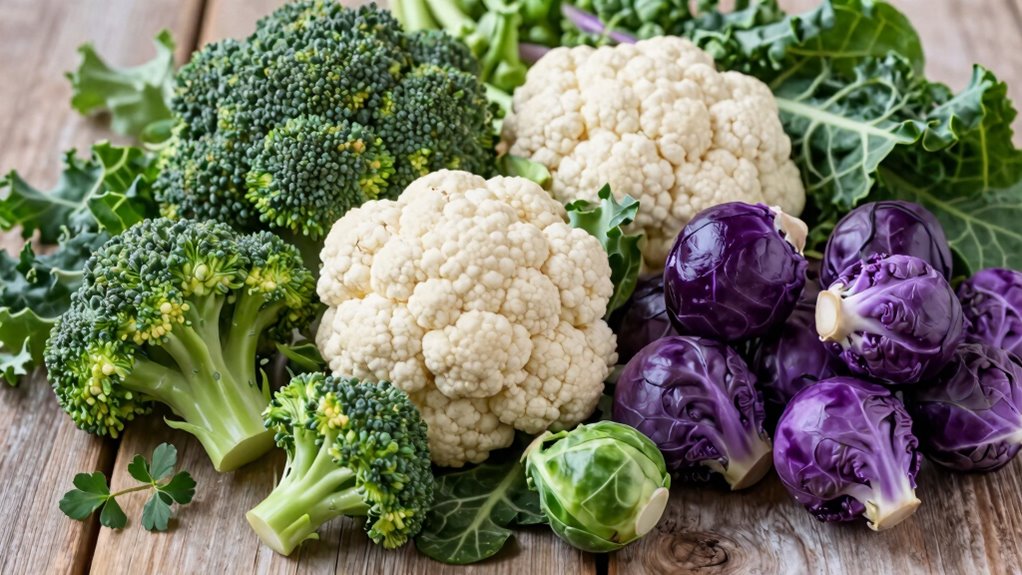

Cruciferous vegetables like broccoli and cauliflower are nutrient-rich and easy to include in your meals. Choose fresh, firm, and vibrant vegetables, avoiding wilting or discoloration. Opt for light steaming or sautéing to preserve nutrients and maximize health benefits. Proper handling, such as chopping before cooking, boosts their enzymes and nutrients. If you want practical tips on selecting, preparing, and cooking these vegetables, keep exploring—you’ll find simple ways to make these healthy choices part of your daily routine.

Get health and wellness essentials delivered free — and shop member deals
- Fast, free delivery on millions of items
- Access to Prime Big Deal Days deals on October 6–7
- Prime Video, Amazon Music and more included
Key Takeaways
- Choose fresh, firm, and vibrant cruciferous vegetables; avoid wilting, discoloration, or sliminess for optimal quality.
- Opt for organic options when possible, especially for leafy greens and vegetables grown near soil.
- Light steaming or quick sautéing preserves nutrients and enhances digestibility, while overcooking diminishes health benefits.
- Chop or crush vegetables before cooking to activate enzymes and maximize nutritional value.
- Incorporate cruciferous vegetables into meals through roasting, stir-frying, soups, or salads for maximum flavor and health benefits.
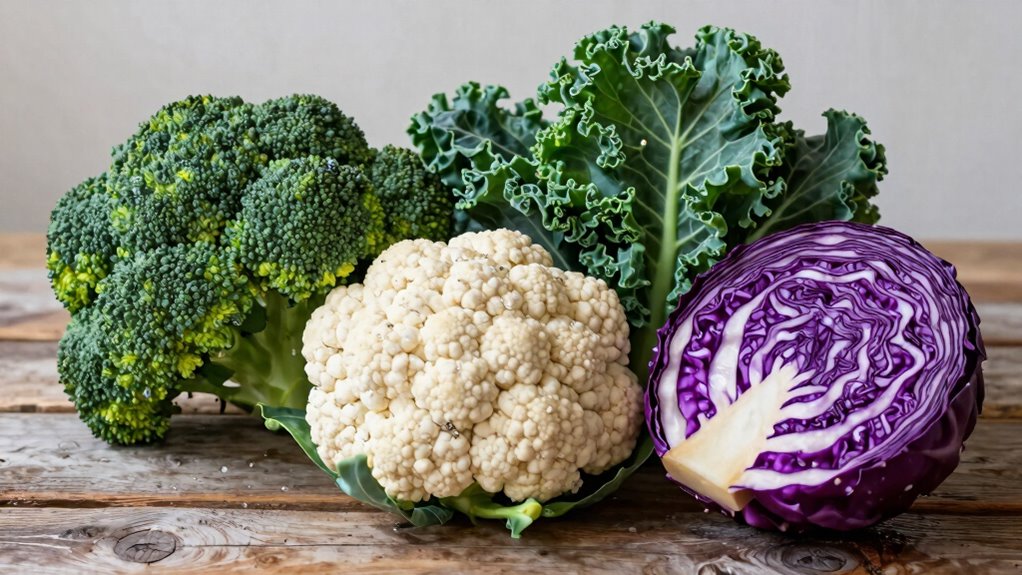
Have you ever wondered why cruciferous vegetables are often praised for their health benefits? These vegetables, including broccoli, cauliflower, kale, Brussels sprouts, and cabbage, pack a powerful punch when it comes to nutrition. They’re rich in vitamins, minerals, antioxidants, and compounds like sulforaphane, which are linked to reduced inflammation and lower risks of chronic diseases such as cancer and heart disease. Incorporating cruciferous veggies into your diet can boost your immune system, improve digestion, and even support detoxification. But knowing how to pick and prepare them makes a big difference in maximizing their health benefits.
When shopping, look for fresh, firm, and vibrant vegetables. Avoid anything wilting, discolored, or slimy, as freshness directly impacts flavor and nutrient content. For leafy greens like kale and collards, opt for those with crisp, dark leaves without yellowing edges. When selecting cauliflower or broccoli, choose tight buds and firm stems. If you’re buying pre-cut or packaged options, check the labels for freshness and avoid those with any signs of spoilage. To get the most nutritional value, buy organic when possible, especially for vegetables with edible leaves or those grown closer to the ground, where pesticides tend to accumulate. Soil health and pesticide use are important factors to consider for maximizing nutrient retention. Additionally, understanding pesticide residues can help inform healthier choices.
Cooking tips are crucial to unlocking the full health benefits of cruciferous vegetables. While raw consumption preserves maximum nutrients, lightly steaming is often recommended because it enhances digestibility and boosts the availability of beneficial compounds like sulforaphane. Overcooking, however, can diminish their nutrient content, so aim for a quick steam or sauté for just a few minutes. If you prefer roasting, do so at a high temperature for a short period to develop flavor without losing too many nutrients. Incorporate these vegetables into your meals by stir-frying, roasting, or adding them to soups and salads. Remember, chopping or crushing these vegetables before cooking can activate enzymes that increase health-promoting compounds. Proper cooking methods not only preserve flavor but also maximize the nutritional value of your cruciferous vegetables.
stainless steel vegetable steamer basket
As an affiliate, we earn on qualifying purchases.
As an affiliate, we earn on qualifying purchases.
Frequently Asked Questions
How Do Cruciferous Vegetables Affect Thyroid Health?
Cruciferous vegetables can impact your thyroid health because they contain goitrogenic compounds that may interfere with thyroid hormone regulation. If you have thyroid issues or iodine deficiency, eating large amounts might inhibit hormone production. However, cooking these vegetables reduces goitrogens, making them safer for your thyroid. Moderation is key—enjoy cruciferous vegetables as part of a balanced diet to benefit from their nutrients without affecting your thyroid.
Are There Any Allergenic Reactions to Cruciferous Vegetables?
You might experience cruciferous allergies, though they’re rare. Some people develop allergic reactions like itching, swelling, or digestive issues after eating vegetables like broccoli, cauliflower, or kale. Cross reactivity concerns also exist; if you’re allergic to other plants in the Brassicaceae family, you could react to these vegetables too. If you notice symptoms, consult an allergist to identify sensitivities and avoid potential triggers.
Can Cruciferous Vegetables Be Eaten Raw or Should They Always Be Cooked?
In the age of the internet, you can enjoy cruciferous vegetables raw or cooked. Raw consumption preserves their crunch and nutrients, perfect for salads. Cooking preferences vary: steaming, boiling, or roasting can soften flavors and reduce potential goitrogens. Some people find raw veggies easier to digest, while others prefer cooked for taste and texture. Try both methods to discover what suits your palate best!
What Are the Best Storage Methods to Keep Cruciferous Vegetables Fresh?
To keep your cruciferous vegetables fresh, store them properly to maintain freshness. Use airtight storage containers or perforated plastic bags in the refrigerator’s crisper drawer. Avoid washing vegetables before storage; instead, wash them just before use to prevent moisture buildup that can cause spoilage. Keep them in a cool, dark place, and consume within a week for maximum freshness. Proper storage methods guarantee your vegetables stay nutritious and flavorful longer.
Do Cooking Methods Impact the Nutritional Content of Cruciferous Vegetables?
Cooking techniques do impact nutrient preservation in cruciferous vegetables. Steaming or sautéing quickly helps retain more nutrients compared to boiling, which can cause nutrient loss in the cooking water. You might think all methods are equal, but research shows gentle methods preserve vitamins like C and folate better. So, when you cook, choose methods that minimize nutrient degradation to maximize the health benefits of your cruciferous veggies.
organic cruciferous vegetable storage containers
As an affiliate, we earn on qualifying purchases.
As an affiliate, we earn on qualifying purchases.
Conclusion
Now that you know how to select and prepare cruciferous vegetables, you’ll find cooking them easier and more enjoyable. Did you know that consuming these veggies regularly can lower the risk of certain cancers by up to 20%? Incorporating broccoli, cauliflower, and kale into your meals not only boosts your health but also adds vibrant flavors and textures. So go ahead—explore new recipes and enjoy the health benefits of these nutrient-packed vegetables every day!
high-quality chef's knife for chopping vegetables
As an affiliate, we earn on qualifying purchases.
As an affiliate, we earn on qualifying purchases.
non-stick sauté pan for stir-frying
As an affiliate, we earn on qualifying purchases.
As an affiliate, we earn on qualifying purchases.
Fall Picks
fall essentials
As an affiliate, we earn on qualifying purchases.