

Natural sweeteners come from plant sources, offering more nutrients and antioxidants than refined sugar. They can help stabilize blood sugar and reduce cravings but aren’t calorie-free, so moderation is essential. Options like honey, maple syrup, and agave each have unique flavors and uses. Choosing sustainably sourced versions supports environmental health. Being aware of their effects helps you enjoy sweetness responsibly. If you want to discover how to make smart choices with natural sweeteners, keep exploring this guide.

Get health and wellness essentials delivered free — and shop member deals
- Fast, free delivery on millions of items
- Access to Prime Big Deal Days deals on October 6–7
- Prime Video, Amazon Music and more included
Key Takeaways
- Natural sweeteners derive from plants, offering nutrients and antioxidants absent in refined sugar.
- Moderation is essential to prevent weight gain and blood sugar fluctuations.
- Common options include honey, maple syrup, and agave nectar, each with unique flavors and uses.
- Choosing sustainably sourced sweeteners supports environmental health and ethical practices.
- Responsible use balances health benefits with environmental impact, promoting overall well-being.
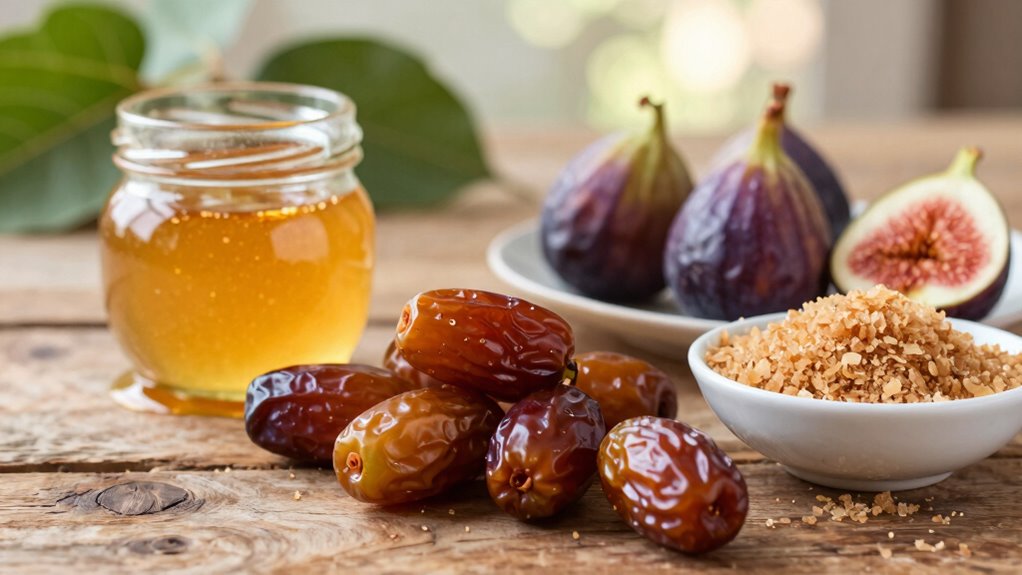
Have you ever wondered if there’s a healthier way to satisfy your sweet tooth? If so, exploring natural sweeteners might be just what you need. Unlike refined sugar, natural sweeteners come from plant sources and often retain more of their original nutrients, offering a better alternative for those seeking to cut back on processed ingredients. The benefits of choosing natural sweeteners go beyond just avoiding empty calories; they can also help stabilize blood sugar levels and reduce cravings. Many people find that switching to these options helps them enjoy a touch of sweetness without the usual sugar spike and crash, making them a smart choice for overall health.
When considering sweetener benefits, it’s essential to look at how they affect your body. Natural sweeteners like honey, maple syrup, and agave nectar contain antioxidants and minerals that added sugars lack. These nutrients can support your immune system and promote better digestion. However, it’s important to remember that not all natural sweeteners are calorie-free or low in carbohydrates, so moderation remains key. While these options may have health advantages compared to refined sugar, overuse can still contribute to weight gain or blood sugar issues, especially if you have insulin resistance or diabetes. Health considerations also include paying attention to how your body reacts to different sweeteners. Some individuals might experience digestive discomfort or allergic reactions, so trying small amounts first can help you gauge your tolerance.
Choosing natural sweeteners also involves understanding their qualities and best uses. For instance, honey has antibacterial properties and can be used in teas or dressings, while maple syrup adds depth to baked goods and breakfast dishes. Agave nectar, with its mild flavor, dissolves easily and is popular in beverages. Each has its unique flavor profile and sweetness level, so experimenting with small quantities can help you find what works best for your palate. Remember, even natural sweeteners should be used sparingly. They still contain calories and sugars that can add up quickly if you’re not mindful. Additionally, selecting sweeteners from sustainable sources can contribute to biodiversity conservation and support environmentally friendly practices. Paying attention to the nutritional content of each sweetener can help you make more informed choices aligned with your health goals. Incorporating sustainable sourcing practices can also ensure you’re choosing options that are environmentally responsible. Being aware of environmentally friendly options allows you to enjoy sweetness while supporting the planet. Choosing natural sweeteners with minimal environmental impact can further enhance your efforts to make eco-conscious decisions.
As an affiliate, we earn on qualifying purchases.
Frequently Asked Questions
Are Natural Sweeteners Safe for Diabetics?
Yes, natural sweetener varieties are generally safe for diabetics, but you should consider your dietary needs. Some options like stevia and monk fruit have minimal impact on blood sugar, making them good choices. However, others like honey or agave can raise blood sugar levels. Always check labels and consult your healthcare provider to guarantee your sweetener choices fit your dietary considerations and blood sugar management needs.
How Do Natural Sweeteners Affect Blood Sugar Levels?
When you use natural sweeteners, your blood sugar impact is often much gentler than with regular sugar, almost like a tiny whisper instead of a scream. They tend to cause a milder insulin response, helping you avoid those wild sugar spikes and crashes. This means you can indulge your sweet tooth without sending your blood sugar levels on a rollercoaster ride, making your health journey smoother and more manageable.
Can Natural Sweeteners Cause Allergies?
Yes, natural sweeteners can cause allergies or allergenic reactions, especially if you have chemical sensitivities. Some people might experience symptoms like skin irritation, digestive issues, or respiratory problems after consuming certain sweeteners like honey, agave, or stevia. It is crucial to check labels and start with small amounts to see how your body responds. If you notice any adverse reactions, consult a healthcare professional to identify and avoid potential triggers.
Are Natural Sweeteners Suitable for Cooking and Baking?
Absolutely, natural sweeteners are versatile enough for cooking and baking. You can experiment with their unique flavor profiles to enhance your dishes, from honey’s floral notes to maple syrup’s rich warmth. They bring culinary versatility, allowing you to craft everything from baked goods to dressings. Just keep in mind that some may caramelize differently or alter textures, so you might need to adjust recipes accordingly. It’s a sweet ride, so have fun!
Do Natural Sweeteners Have Any Environmental Benefits?
Yes, natural sweeteners often have environmental benefits. When farmed using eco-friendly practices, they support biodiversity preservation and reduce chemical runoff compared to conventional crops. These sustainable farming methods help protect soil health and promote ecosystems’ balance. By choosing natural sweeteners, you contribute to environmental conservation efforts, encouraging farmers to adopt eco-conscious techniques that benefit the planet and guarantee the long-term sustainability of agricultural resources.
As an affiliate, we earn on qualifying purchases.
Conclusion
Embrace the allure of natural sweeteners, savoring their subtle, soulful sweetness. With wise choices and mindful moderation, you’ll wander the wonderful world of healthier, harmonious hints of honey, maple, and more. Let nature’s nectar nurture your nibbling, nourishing your needs without nagging your health. As you venture forward, remember: sweeten smartly, savor sincerely, and step confidently into a cleaner, clearer culinary journey. Your delicious, delightful discovery begins with thoughtful, tasty choices.
As an affiliate, we earn on qualifying purchases.
As an affiliate, we earn on qualifying purchases.
Evergreen bestsellers Picks
bestsellers
As an affiliate, we earn on qualifying purchases.