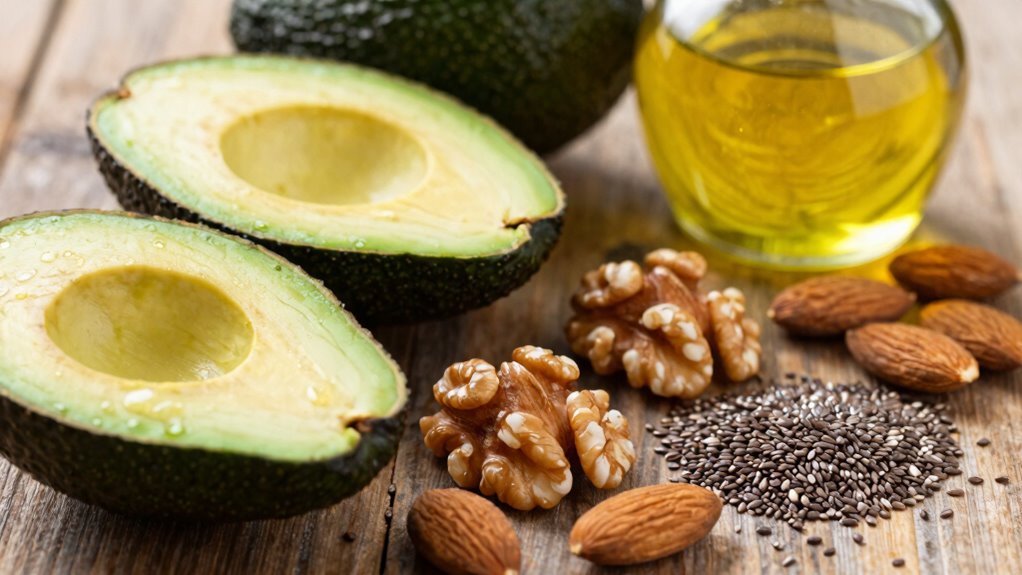

Healthy fats are essential for your overall well-being, supporting brain function, heart health, hormone balance, and reducing inflammation. They help your body absorb nutrients, provide lasting energy, and protect against chronic diseases. Types like monounsaturated and polyunsaturated fats—found in nuts, seeds, fish, and oils—are vital parts of a balanced diet. Understanding each kind and how to include them can boost your health considerably; if you stay curious, you’ll uncover even more valuable insights.

Get health and wellness essentials delivered free — and shop member deals
- Fast, free delivery on millions of items
- Access to Prime Big Deal Days deals on October 6–7
- Prime Video, Amazon Music and more included
Key Takeaways
- Healthy fats are essential for cell structure, hormone production, and nutrient absorption, supporting overall bodily functions.
- They help reduce bad cholesterol, lower inflammation, and support heart and brain health.
- Incorporating monounsaturated and polyunsaturated fats in your diet provides sustained energy and reduces chronic disease risk.
- Foods like nuts, seeds, oily fish, and plant oils are rich sources of beneficial healthy fats.
- Proper intake and sourcing of healthy fats promote long-term health, brain function, and environmental sustainability.
As an affiliate, we earn on qualifying purchases.
What Are Healthy Fats and Why Are They Important?
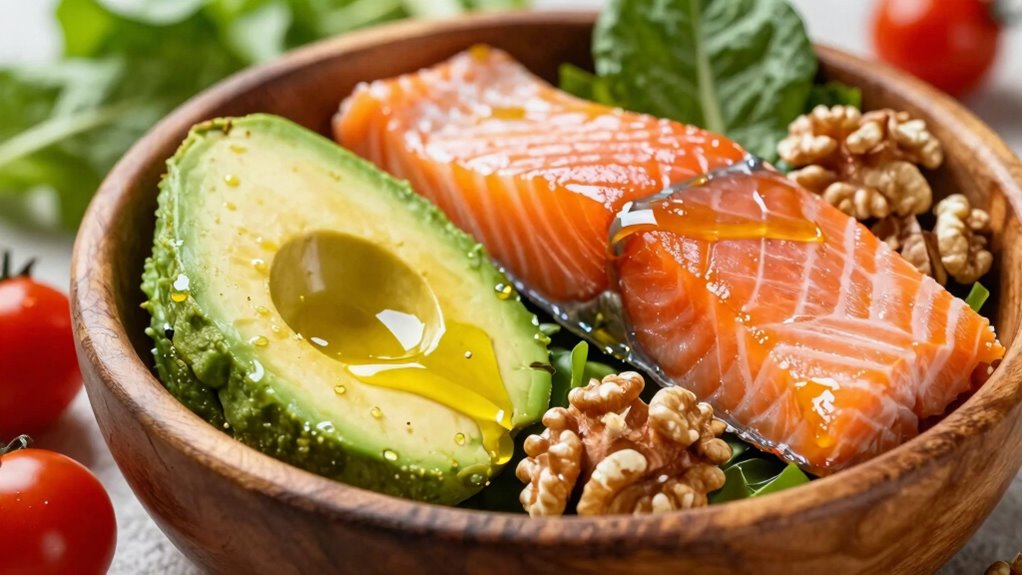
Healthy fats are essential nutrients that your body needs to function properly, yet they often get a bad reputation. These dietary fats play a crucial role in supporting cell structure, hormone production, and nutrient absorption. When you consume healthy fats, your body efficiently manages fat metabolism, turning fats into energy and helping regulate inflammation. Unlike unhealthy fats, healthy fats provide long-lasting energy and contribute to overall health without raising bad cholesterol levels. Including sources like avocados, nuts, and olive oil in your diet ensures your body gets the right kind of dietary fat to meet its needs. Proper fat metabolism allows your body to use fats as a fuel source, maintain cellular health, and support fundamental processes essential for your well-being. healthy fats are also linked to reducing the risk of chronic diseases, making them a vital part of a balanced diet.
As an affiliate, we earn on qualifying purchases.
Types of Healthy Fats: Monounsaturated and Polyunsaturated Explained
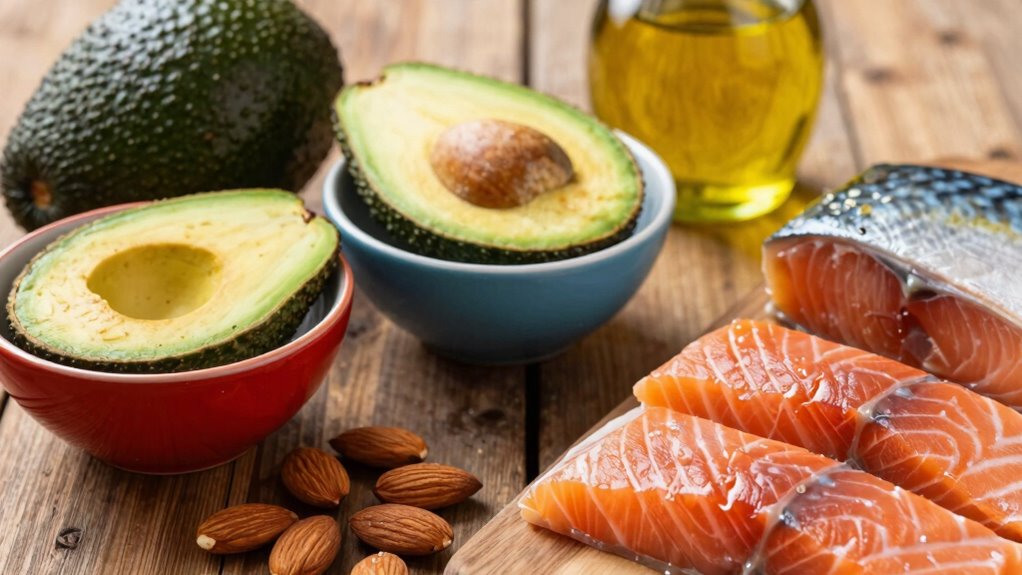
When it comes to incorporating beneficial fats into your diet, understanding the main types—monounsaturated and polyunsaturated fats—is essential. Monounsaturated fats are found in foods like olive oil, avocados, and nuts, and they help reduce bad cholesterol levels. Polyunsaturated fats include omega-3 and omega-6 fatty acids, vital for brain health and inflammation reduction. Omega-3 benefits are well-documented, supporting heart health and cognitive function. It’s important to clarify trans fat misconceptions—artificial trans fats are harmful, but naturally occurring trans fats in small amounts aren’t a concern. Choosing foods rich in these healthy fats can boost your overall wellness, emphasizing the importance of prioritizing monounsaturated and polyunsaturated sources over processed fats. Incorporating biodiversity-friendly foods into your diet can also promote sustainable living practices. Recognizing the role of healthy fats in a balanced diet can help you make more informed nutritional choices that support overall health and well-being. Additionally, understanding how food sources contribute to the intake of these fats can assist in making smarter dietary decisions. Including a variety of these fats from diverse sources can also support nutritional diversity, which is key to a balanced diet.
As an affiliate, we earn on qualifying purchases.
Foods Rich in Healthy Fats You Should Include

To boost your intake of healthy fats, include nuts and seeds like almonds, walnuts, and chia seeds in your snacks and meals. Incorporate fatty fish such as salmon, mackerel, or sardines a couple of times a week for added benefits. You can also use plant-based oils like olive, avocado, or flaxseed oil to cook or dress your dishes with healthy fats.
Nuts and Seeds
Have you ever noticed how nuts and seeds can be packed with good-for-you fats? These foods are rich in healthy monounsaturated and polyunsaturated fats, making them excellent additions to your diet. Different nut and seed varieties offer unique nutrient profiles, so mixing them up guarantees you get a broad range of benefits. When it comes to nut and seed storage, keep them in airtight containers in a cool, dark place to preserve freshness and prevent spoilage. Proper storage also helps maintain their nutritional quality and extends their shelf life. Incorporating a variety of nuts and seeds can also support small space living by providing nutrient-dense, versatile ingredients that don’t require much room. Utilizing space-saving kitchen solutions like stackable containers or compact storage options can further optimize small kitchens and keep your healthy fats easily accessible. Understanding the benefits of healthy fats can motivate you to include more of these nutrient-packed foods in your meals.
Fatty Fish Options
Are you aware that fatty fish are some of the best sources of healthy omega-3 fats? Incorporating options like salmon, mackerel, sardines, and anchovies into your diet provides essential nutrients that support heart and brain health. These fish are excellent omega-3 sources, helping reduce inflammation and improve overall wellness. When choosing fish, consider sustainability by selecting brands committed to sustainable fishing practices, which help protect marine ecosystems. Fatty fish not only boost your intake of beneficial fats but also offer high-quality protein and crucial vitamins. Including these options in your meals guarantees you get a nutrient-dense, healthy fat source that’s good for your body and the environment. Remember, responsible sourcing makes a difference for long-term health and sustainability. Opting for sustainable fishing practices ensures you contribute to marine conservation while enjoying nutritious foods. Additionally, understanding marine conservation efforts can guide you in making environmentally conscious choices. Learning about marine ecosystems can further deepen your appreciation for sustainable choices and their impact on ocean health. Educating yourself about healthy eating habits can further enhance your overall wellness journey. To maximize the benefits, it’s helpful to learn about nutrient-dense foods and how they support your health goals.
Plant-Based Oils
- Drizzling over roasted vegetables for added richness
- Using in salad dressings for a healthy fat boost
- Sautéing proteins with coconut or sesame oil
- Baking with nut-based oils to enhance flavor and moisture
- Incorporating regional culinary traditions that emphasize the use of healthy, plant-based oils can deepen your appreciation for their role in balanced diets. A variety of culinary practices highlight the importance of these oils in creating flavorful and nutritious dishes.
- Exploring healthy fat sources from diverse cuisines can inspire you to experiment with different plant-based oils in your cooking. Additionally, understanding the nutritional benefits of healthy fats can motivate you to include them more intentionally in your meals.
- Learning about plant-based oils can also help you make informed choices to support overall health and wellness.
As an affiliate, we earn on qualifying purchases.
How Healthy Fats Support Brain and Heart Health
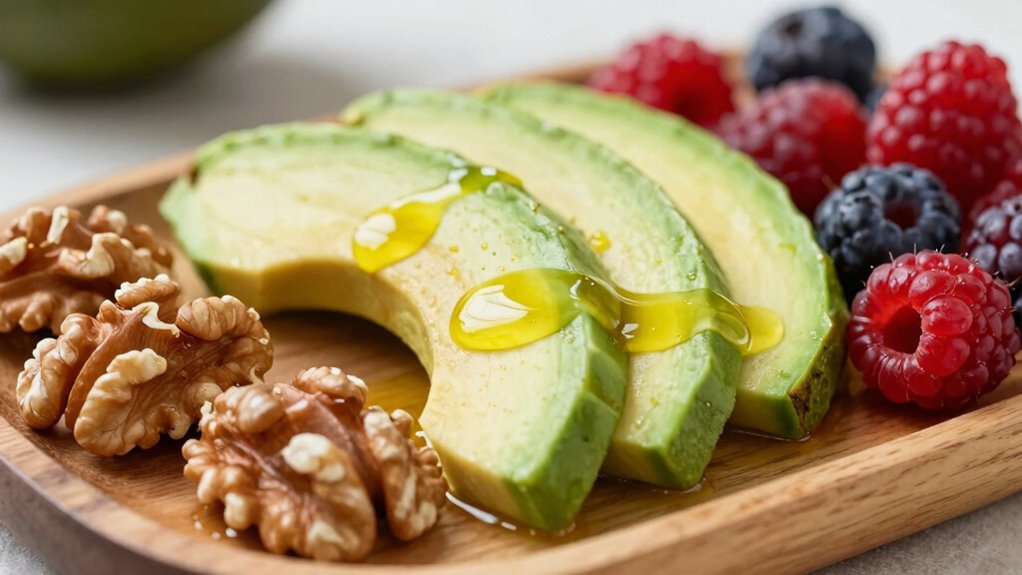
Healthy fats play a crucial role in supporting both brain and heart health, making them an essential part of a balanced diet. Omega 3 benefits are well-known for their ability to promote brain nourishment, helping improve memory, focus, and mood. These healthy fats reduce inflammation and lower triglyceride levels, directly benefiting your cardiovascular system. By including sources like fatty fish, walnuts, and flaxseeds, you give your body the nutrients it needs to maintain peak function. Consuming healthy fats regularly can also protect against cognitive decline and heart disease as you age. Incorporating these fats into your diet isn’t just about adding flavor—it’s about fueling your brain and strengthening your heart for the long term. healthy fats are also integral to maintaining optimal hormone production and overall cellular health. Vaginal health and overall wellness can also benefit from a balanced intake of healthy fats, supporting bodily functions essential for women’s health.
How Much Healthy Fat Should You Eat?

Knowing how much healthy fat to include in your diet helps you maximize its benefits without overdoing it. Dietary guidelines recommend that 20-35% of your daily calories come from healthy fats, but individual needs vary. To optimize fat absorption and overall health, focus on balance. Remember, consuming too much can lead to excess calorie intake, even with healthy fats. Pay attention to serving sizes and quality sources. Here are some tips:
- Stick to recommended portions based on your calorie needs
- Prioritize sources like nuts, seeds, avocados, and oily fish
- Avoid excessive consumption of processed foods high in unhealthy fats
- Consider your activity level when adjusting fat intake
- Using a small wood stove can provide an efficient and eco-friendly way to heat your home without relying on excessive energy consumption. Being aware of dietary fat sources helps you make informed choices and avoid hidden unhealthy fats in processed foods. Additionally, understanding healthy fat types can guide you toward better dietary decisions. Incorporating knowledge of nutritional fat content can help you better assess the quality of your fat sources.
Common Myths About Fats Debunked
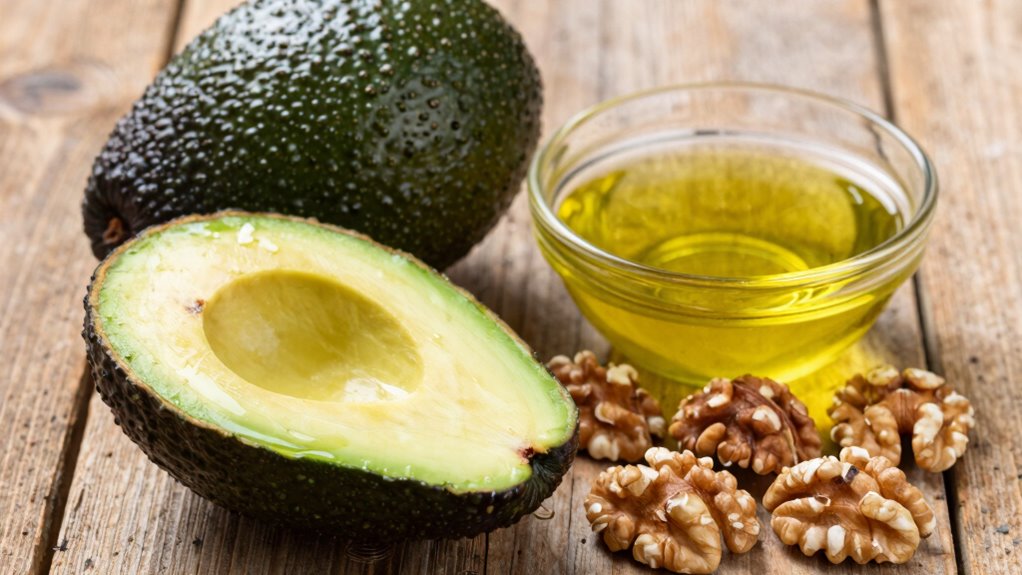
Many people believe that all fats are bad for you, but this is a common misconception. Myth busters show that not all fats are harmful—some are essential for your health. Fat facts reveal that healthy fats, like those in avocados, nuts, and olive oil, support brain function, hormone production, and heart health. The idea that high-fat diets automatically lead to weight gain is inaccurate; moderation and the type of fat matter. Cutting out fats entirely can deprive your body of crucial nutrients. Understanding these myths helps you make better choices. Remember, the key is distinguishing between harmful trans fats and beneficial unsaturated fats. Debunking these myths empowers you to embrace fats that actually support your overall well-being.
Tips for Adding More Healthy Fats to Your Diet
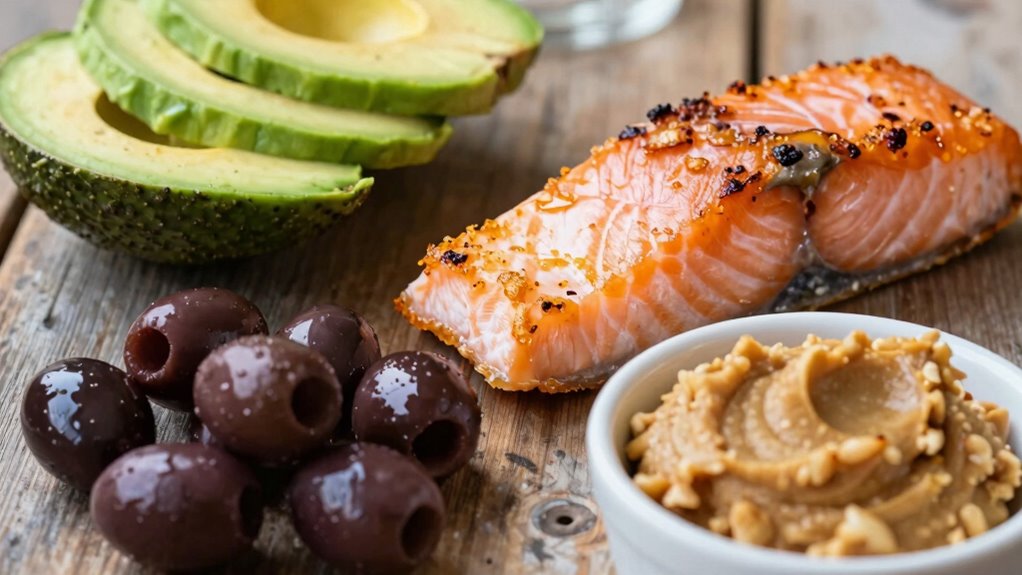
Adding more healthy fats to your diet can be simple and enjoyable. Start by experimenting with different cooking techniques, like sautéing vegetables in olive oil or roasting nuts for snacks. Incorporate avocados into salads or spreads, and choose fatty fish like salmon for meals. If you have dietary restrictions, look for plant-based sources such as flaxseeds or chia seeds to meet your needs. To boost healthy fat intake effectively, consider these tips:
- Use olive oil or avocado oil for cooking instead of butter
- Snack on nuts and seeds in moderation
- Add sliced avocado to sandwiches and wraps
- Incorporate fatty fish into your weekly meal plan
These strategies make it easy to enjoy healthy fats while respecting your dietary preferences.
Balancing Your Fats: Finding the Right Amount for You
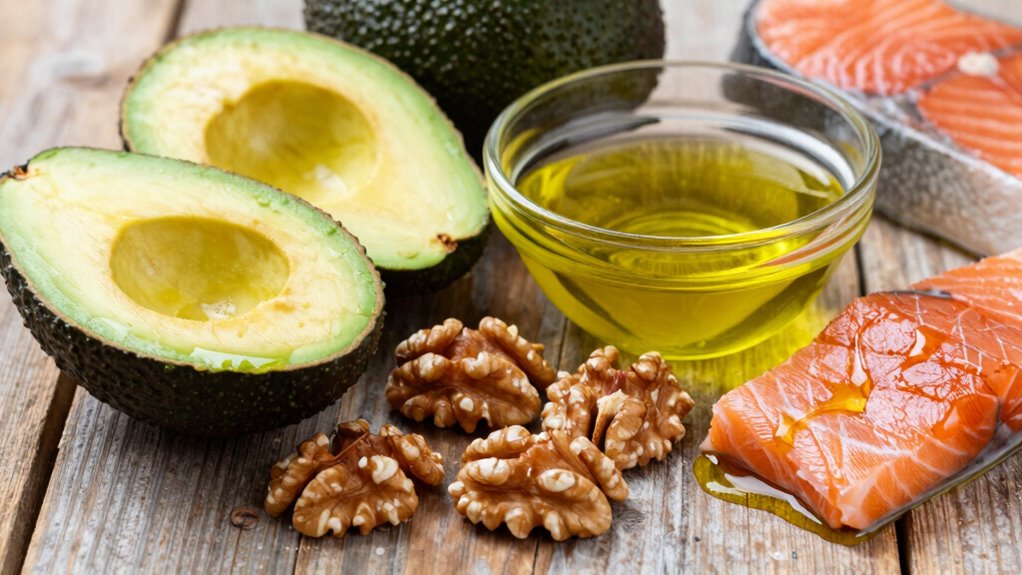
Finding the right balance of fats in your diet is essential for supporting overall health and energy levels. Too much dietary fat can hinder fat metabolism, leading to weight gain, while too little can impair hormone production. Your ideal intake depends on your activity level, age, and health goals. To find your balance, consider your body’s signals and adjust accordingly. Here’s a simple guide:
| Activity Level | Recommended Dietary Fat (%) | Notes |
|---|---|---|
| Sedentary | 20-25% | Focus on healthy fats |
| Moderately active | 25-30% | Includes omega-3s and monounsaturated fats |
| Highly active | 30-35% | Needs more energy from fats |
| Special health needs | Consult a healthcare provider | Tailored advice required |
Balancing your fats optimizes fat metabolism, supporting energy and overall health.
The Benefits of Healthy Fats for Reducing Inflammation and Improving Well-Being

Healthy fats can play a key role in reducing inflammation and boosting your overall well-being. When you include sources like omega-3s and monounsaturated fats, you support your body’s natural defenses and improve health markers. Incorporating these fats into your diet can make a noticeable difference in how you feel every day.
Anti-Inflammatory Properties
Because certain healthy fats have powerful anti-inflammatory properties, they can play a crucial role in reducing chronic inflammation that contributes to many health issues. Omega 3 benefits, in particular, help modulate your inflammatory response, lowering the risk of diseases linked to inflammation. These fats help reduce the production of molecules that promote inflammation and support your immune system’s balance. Including sources like fatty fish, flaxseeds, and walnuts can enhance your body’s ability to fight inflammation.
- Decrease cytokine production, reducing tissue damage
- Support cell membrane health, improving immune function
- Lower levels of C-reactive protein (CRP), an inflammation marker
- Enhance recovery and reduce pain from inflammation-related conditions
Enhanced Overall Health
Incorporating healthy fats into your diet doesn’t just help manage inflammation—it also boosts your overall well-being. The Mediterranean diet, rich in olive oil, nuts, and fatty fish, is a proven approach to support long-term health. These fats promote better heart health, brain function, and energy levels. Omega-3 supplementation can fill nutritional gaps, especially if you don’t consume enough fatty fish. Healthy fats reduce chronic disease risks and improve mood by supporting cell health and reducing inflammation. By making these fats a regular part of your meals, you’re giving your body essential nutrients that foster resilience and crucial. Embracing a diet high in healthy fats sets a strong foundation for sustained health and a more vibrant, balanced life.
Frequently Asked Questions
Can Healthy Fats Help With Weight Loss?
Yes, healthy fats can help with weight loss. They support fat metabolism, making it easier for you to burn stored fat for energy. Including healthy fats in your diet helps maintain a calorie balance, preventing overeating by keeping you fuller longer. By choosing sources like avocados, nuts, and olive oil, you can enjoy their benefits and support your weight loss goals effectively.
Are All Fats in Plant-Based Foods Healthy?
Not all fats in plant-based foods are healthy. Plant-based fats vary in quality, so it’s important to focus on fat quality. Opt for sources like avocados, nuts, seeds, and olive oil, which contain healthy monounsaturated and polyunsaturated fats. Avoid highly processed plant fats, like hydrogenated oils, that can be harmful. By choosing plant-based fats wisely, you support your overall health and reduce risks associated with unhealthy fats.
How Do Cooking Methods Affect Healthy Fats?
Ever wondered how your cooking techniques impact healthy fats? When you cook at high temperatures, some fats become unstable, losing their health benefits and forming harmful compounds. To preserve fat stability, opt for gentle methods like steaming or sautéing at lower heat. This way, you protect the integrity of your healthy fats, ensuring they provide maximum nutritional value and keep your meals both delicious and nourishing.
Are Omega-3 Supplements Necessary if I Eat Healthy Fats?
If you eat a diet rich in Omega-3 sources like fatty fish, flaxseeds, and walnuts, you probably don’t need supplements. However, Omega-3 supplement benefits include ensuring consistent intake if your diet lacks these fats or if you have specific health concerns. Always consider consulting a healthcare professional to determine if supplements are necessary for your individual needs, especially if your dietary intake is limited or you have health issues.
Can Healthy Fats Improve Skin Health and Appearance?
Yes, healthy fats can improve your skin health and appearance. They boost skin elasticity, helping your skin stay firm and youthful, while also enhancing moisture retention, which keeps your skin hydrated and smooth. Incorporating sources like avocados, nuts, and oily fish into your diet provides these benefits naturally. By doing so, you support your skin’s overall vigor, making it look healthier and more radiant over time.
Conclusion
Embracing healthy fats isn’t just a trend; it’s an essential step toward a better you. Think of these fats as the fuel that keeps your mind sharp and your heart strong. By including the right kinds and amounts in your diet, you’re planting seeds for a healthier future. So, why not make these fats your allies? After all, isn’t your well-being worth the investment? The choice is yours—choose wisely and thrive.
Fall Picks
fall essentials
As an affiliate, we earn on qualifying purchases.