
A high-fiber diet supports your digestion, helps regulate blood sugar, and promotes overall health. To begin, aim for about 25 grams daily for women and 38 grams for men by including whole grains, fruits, vegetables, and legumes. Different fiber types—soluble and insoluble—work together to keep your gut healthy and prevent constipation. Gradually increase your intake and stay hydrated to avoid discomfort. Keep exploring to discover simple ways to add fiber to your meals and improve your well-being.
Key Takeaways
- Dietary fiber is essential for digestion, gut health, blood sugar regulation, and cholesterol management.
- Aim for 25-38 grams of fiber daily through whole grains, fruits, vegetables, and legumes.
- Include both soluble and insoluble fiber for balanced digestive benefits.
- Increase fiber intake gradually and stay hydrated to prevent bloating and discomfort.
- Choose whole foods over supplements and read labels to identify high-fiber options.

Fiber One Cereal, Original Bran, High Fiber Cereal Made with Whole Grain, 19.6 oz
- High Fiber Content: Provides 65% daily fiber value
- Morning Energy Boost: Contains whole grains and 90 calories
- Whole Grain Rich: 18g of whole grains per serving
As an affiliate, we earn on qualifying purchases.
As an affiliate, we earn on qualifying purchases.
What Is Dietary Fiber and Why Is It Essential?

Have you ever wondered what makes dietary fiber so important for your health? Fiber is a type of carbohydrate that your body can’t fully digest, but it plays a critical role in your well-being. It helps with fiber absorption, which supports digestion and keeps your gut healthy. Dietary guidelines recommend consuming enough fiber daily because it aids in regulating blood sugar levels, lowering cholesterol, and preventing constipation. Unlike other nutrients, fiber isn’t absorbed into your bloodstream; instead, it passes through your digestive system, providing bulk and promoting regularity. Including a variety of fiber-rich foods in your diet ensures you meet these guidelines and reap the many health benefits fiber offers. Without enough fiber, your body misses out on these essential functions that keep you healthy. Understanding dietary fiber is key to embracing a healthier, balanced lifestyle. Additionally, increasing your intake of diverse fiber sources can help optimize the benefits of dietary fiber in your diet. Incorporating different types of fiber can enhance overall gut health and improve nutrient absorption, supporting your body’s natural ability to maintain digestive health. For example, consuming a range of soluble and insoluble fibers ensures you get a comprehensive fiber profile that benefits your entire digestive system.

Metamucil, Psyllium Husk GLP-1 Friendly Fiber Capsules, 300 Capsules, 3-in-1 Fiber Supplement, Daily Psyllium Husk Fiber Capsules Help Support Digestive Health by Promoting Regularity*
- Promotes Regularity: Supports digestive health daily
- Simple Ingredients: Only two ingredients including psyllium husk
- Supports Blood Sugar: Helps maintain healthy blood sugar levels
As an affiliate, we earn on qualifying purchases.
As an affiliate, we earn on qualifying purchases.
What Are the Different Types of Fiber and Their Benefits
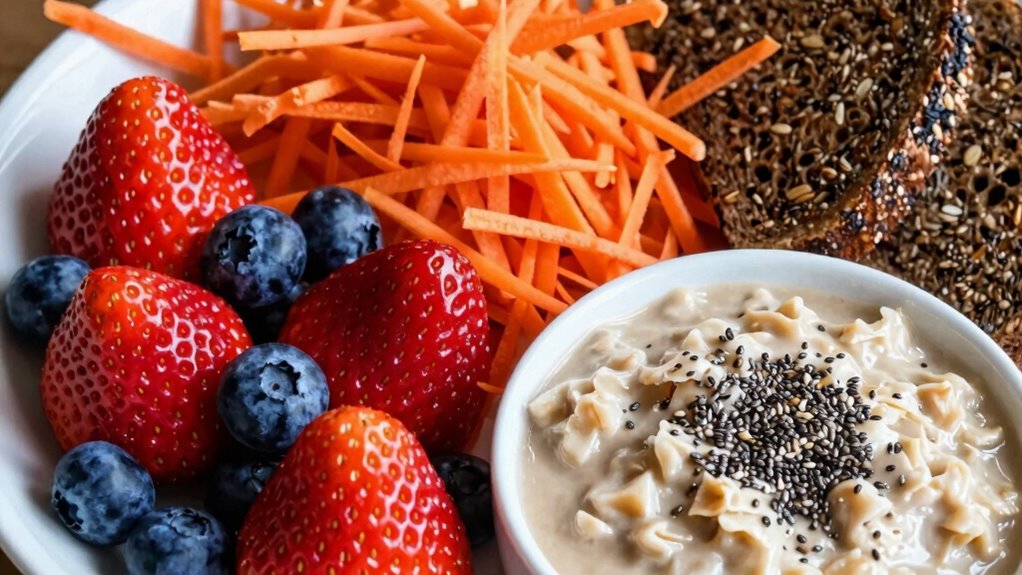
Different types of dietary fiber offer unique benefits and play distinct roles in supporting your health. The two main categories are soluble and insoluble fiber. Soluble fiber dissolves in water, forming a gel-like substance that helps lower cholesterol and stabilize blood sugar levels. You can find it in oats, beans, and fruits like apples. Insoluble fiber, on the other hand, doesn’t dissolve and adds bulk to your stool, promoting regular digestion. It’s abundant in whole grains and vegetables. Sometimes, you might consider fiber supplementation if you struggle to get enough fiber from food alone. Both types work together to improve digestion, prevent constipation, and support overall gut health. Understanding these differences helps you make better choices for a balanced, high-fiber diet. Incorporating a variety of fiber sources can also enhance your nutritional balance and overall well-being. Recognizing the distinct roles of soluble and insoluble fiber can aid in tailoring your diet to meet specific health needs. Being aware of the sources of dietary fiber can help you plan more effectively to meet your daily fiber intake.

Dave's Killer Bread 21 Whole Grains and Seeds, Whole Grain Organic Bread, 27 oz Loaf
- Product Size: 27oz loaf of bread
- Nutritional Content: 6g protein, 4g fiber per slice
- Omega-3 Content: 130mg ALA Omega-3 per slice
As an affiliate, we earn on qualifying purchases.
As an affiliate, we earn on qualifying purchases.
How Much Fiber Should You Aim for Daily?
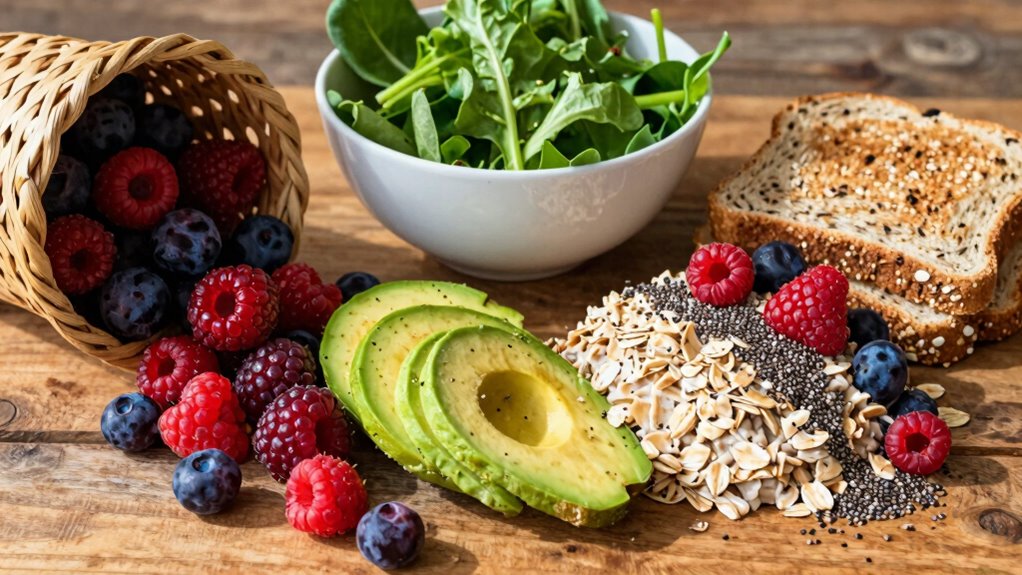
To maintain good health, it’s important to aim for the recommended amount of daily fiber intake, which varies depending on age, sex, and overall health. For most adults, that’s about 25 grams for women and 38 grams for men. Many turn to fiber supplements to meet these goals, but it’s best to get fiber from whole foods whenever possible. Be aware of fiber myths—like the idea that more fiber always equals better health—because excess fiber can cause bloating or digestive issues. Balance is key, and gradually increasing your intake helps your body adjust. Remember, meeting your daily fiber goal supports digestion, helps control blood sugar, and promotes overall wellness. Incorporating digital marketing tools can help you stay motivated and track your nutritional goals more effectively. Additionally, understanding small wood stoves can inspire you to create a cozy, energy-efficient home environment. Being aware of fiber-rich foods can guide your choices to naturally boost fiber intake and improve overall health.

Noka Superfood Fruit Smoothie Pouches Variety Pack, Healthy Snacks with Flax Seed, Plant Protein and Prebiotic Fiber, Vegan and Gluten Free Snacks, Made in USA, Organic Squeeze Pouch, 4.22 oz, 6 Count
- Variety Pack of Fruit Smoothies: Includes six different flavors
- Healthy Snacks for All Ages: Suitable for adults and kids
- No Added Sugar: Sweetened naturally with fruit
As an affiliate, we earn on qualifying purchases.
As an affiliate, we earn on qualifying purchases.
Which Foods Are Rich in Fiber? Top High-Fiber Options
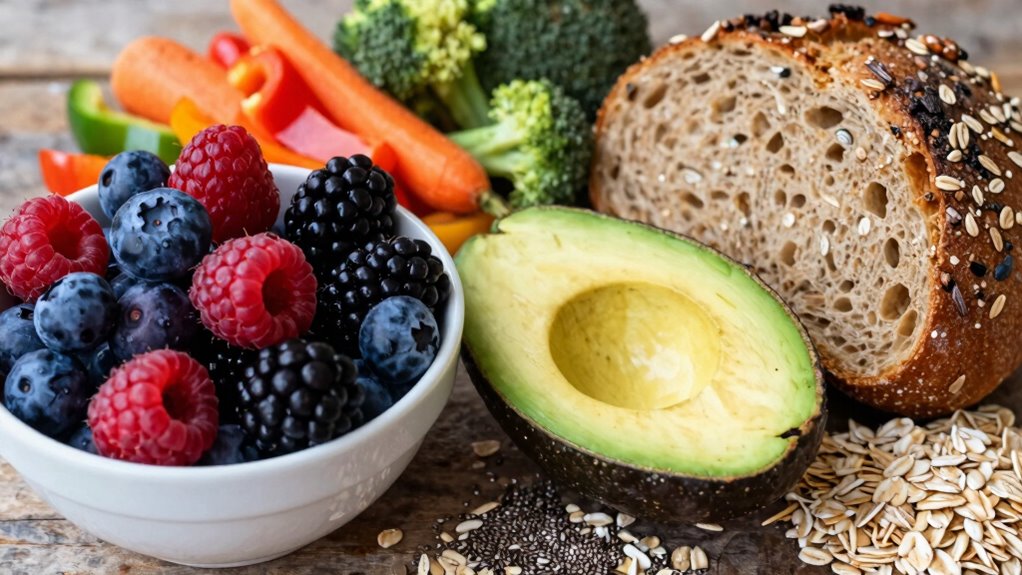
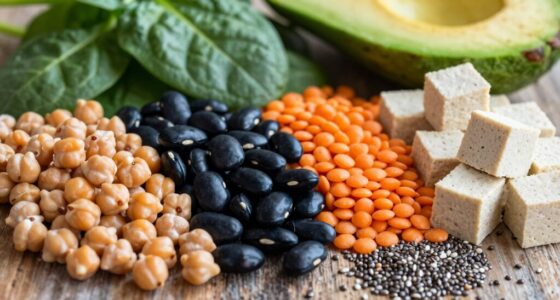
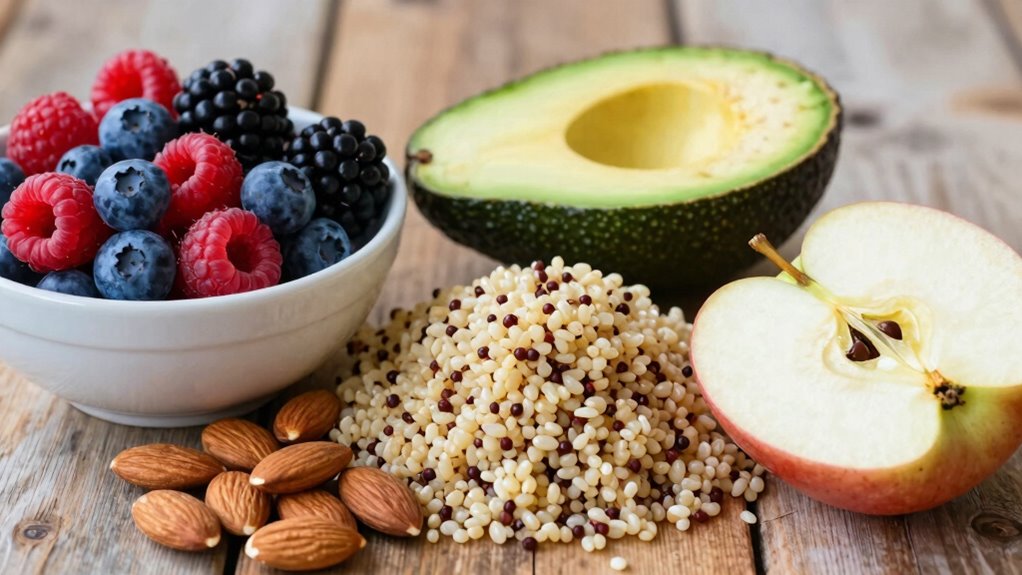
Many foods naturally pack a high fiber punch, making it easy to boost your intake with everyday choices. Whole grains like oats, brown rice, and barley are excellent options, providing both fiber and essential nutrients. Legumes such as beans, lentils, and chickpeas are fiber powerhouses, helping you feel full longer. Fruits like apples, berries, and pears also contribute significant fiber, especially with their skins intact. Vegetables like broccoli, carrots, and sweet potatoes add to your daily fiber count. Incorporating a variety of fiber-rich foods into your meals can also enhance overall nutritional balance. Additionally, paying attention to your dietary fiber intake can help you meet health goals more effectively. To support digestion and overall wellness, including fiber and wellness products can be a beneficial addition to your routine. If you find it challenging to meet your goals through food alone, fiber supplements can fill the gap. Snack options like popcorn, nuts, and seeds are simple, high-fiber choices that fit into busy schedules. Incorporating these foods guarantees you get a variety of fiber-rich options every day.
How Can You Easily Add More Fiber to Your Meals? Simple Tips
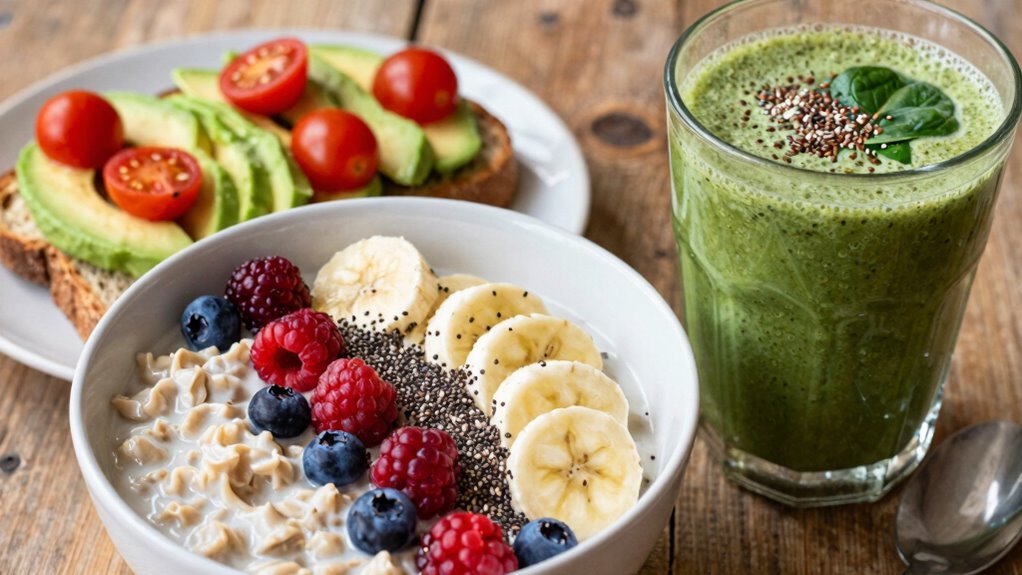
Adding more fiber to your meals is easier than you might think; simply make small, intentional swaps and additions. Start by incorporating high-fiber grains into your meal prep, like oats or whole wheat bread. Boost your salads with beans or seeds for extra fiber. Consider adding a fiber supplement if you struggle to get enough daily through food alone. Here are some simple tips:
Adding small, high-fiber foods like oats, beans, and seeds effortlessly boosts your daily intake.
- Swap white rice for brown or quinoa during meal prep.
- Snack on nuts, seeds, or dried fruit instead of processed snacks.
- Mix ground flaxseed or chia seeds into smoothies or yogurt.
- Use fiber-rich vegetables like broccoli, carrots, or Brussels sprouts as side dishes.
- Incorporate high-fiber foods into your diet regularly to support overall health. Incorporating a variety of plant-based foods can also help diversify your fiber sources and improve digestion. Choosing fiber-rich vegetables can be an easy way to add both flavor and nutrition to your meals. Being mindful of fiber content in your food choices can help you reach your daily goals more effectively. These small changes can profoundly increase your fiber intake and support your health goals.
What Are Common Challenges When Increasing Fiber Intake? Solutions to Try
When you increase your fiber intake, you might experience some digestive discomfort like bloating or gas. To avoid this, try gradually adding fiber to your diet instead of all at once. This approach gives your body time to adjust and helps prevent unwanted side effects. Incorporating smart home technology like automated reminders can also help you track and manage your fiber intake more effectively. Additionally, staying well-hydrated can support digestive health and reduce discomfort during this transition. Remember that understanding fiber sources can help you choose the right foods to meet your goals without overwhelming your system. Considering kitchen appliances designed to assist in meal prep can also make it easier to include a variety of high-fiber options in your diet.
Digestive Discomfort Solutions
Increasing fiber intake can sometimes lead to digestive discomfort, making it challenging to stick with your new diet. To ease symptoms, focus on supporting your gut microbiota during fiber fermentation. Here are four solutions to try:
- Stay Hydrated – Water helps fiber move smoothly through your digestive system, reducing bloating.
- Choose Soluble Fiber – It’s gentler on your gut and easier to digest, minimizing discomfort.
- Incorporate Probiotics – These boost your gut microbiota, improving fiber fermentation and reducing gas.
- Monitor Fiber Amounts – Gradually increase intake to allow your digestive system to adapt without overwhelming it.
Additionally, selecting appliances like an air fryer can help prepare high-fiber foods in healthier ways, making it easier to maintain your diet. These steps can help you enjoy the benefits of a high-fiber diet while avoiding excessive discomfort.
Gradual Fiber Increase
As you start to boost your fiber intake, it’s common to encounter some hurdles along the way. Suddenly increasing fiber can cause bloating, gas, or discomfort, especially if your body isn’t used to it. To avoid these issues, it’s best to increase fiber gradually, giving your digestive system time to adapt. Using fiber supplements can help fill gaps, but be cautious about overdoing it, as they can impact fiber absorption if taken too quickly. Drinking plenty of water aids digestion and helps fiber work effectively. Remember, steady progress helps your body adjust without unpleasant side effects. Patience is key—by slowly increasing your fiber intake, you’ll build a sustainable habit that supports your digestive health long-term.
Why Is Fiber Important for Digestion and Gut Health?

Fiber plays a crucial role in maintaining healthy digestion and gut function because it adds bulk to your stool and helps move waste through your digestive system. Without enough fiber, you might experience discomfort, irregularity, or bloating. Many believe fiber supplements are the only solution, but whole foods provide essential nutrients and benefits. Don’t fall for fiber myths that suggest more fiber always equals better health; balance is key. By including fiber-rich foods, you support a diverse gut microbiome and reduce the risk of digestive issues. Remember, a steady fiber intake can boost your confidence and comfort daily. Here are four reasons why fiber is indispensable:
Fiber is essential for healthy digestion, supporting gut health and reducing discomfort through balanced intake.
- Promotes regular bowel movements
- Supports gut bacteria health
- Prevents constipation
- Enhances overall digestive comfort
How Does Fiber Help With Weight Loss and Blood Sugar Control?
Because it slows down digestion, fiber helps stabilize blood sugar levels and can make you feel full longer, supporting weight management. When fiber ferments in your gut, it produces short-chain fatty acids that influence hunger hormones, helping curb cravings. This fermentation process also boosts your gut microbiome, increasing beneficial bacteria that aid in metabolism and blood sugar regulation. A healthy gut microbiome enhances insulin sensitivity, making it easier to control blood glucose levels. Additionally, fiber-rich foods tend to be lower in calories but high in volume, helping you eat less without feeling deprived. Overall, fiber’s role in fermentation and microbiome health makes it a vital tool for managing weight and blood sugar effectively.
How to Read Food Labels to Find High-Fiber Products
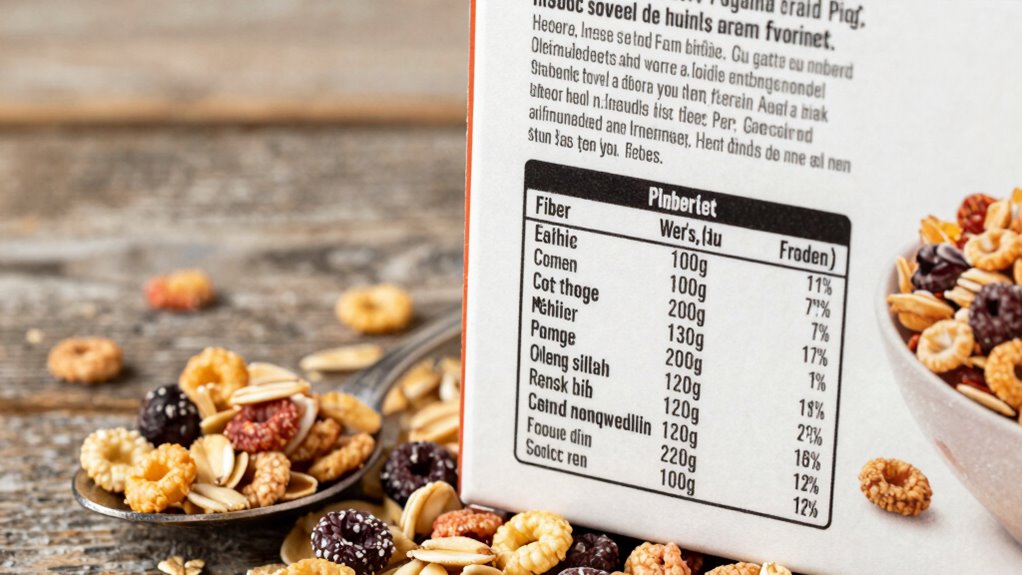
Reading food labels carefully is a simple yet effective way to identify products high in fiber. When checking labels, focus on the fiber content per serving to see if it meets your dietary goals. Look for products with at least 3 grams of fiber per serving to support fiber digestion and reduce the need for fiber supplementation. Keep these tips in mind:
- Scan the nutrition facts to find the fiber amount quickly.
- Check the ingredients list for whole grains, bran, or seeds—natural fiber sources.
- Be wary of added sugars that can hide lower fiber content.
- Compare similar products to choose the highest fiber option consistently.
Quick and Delicious High-Fiber Recipes to Try Today
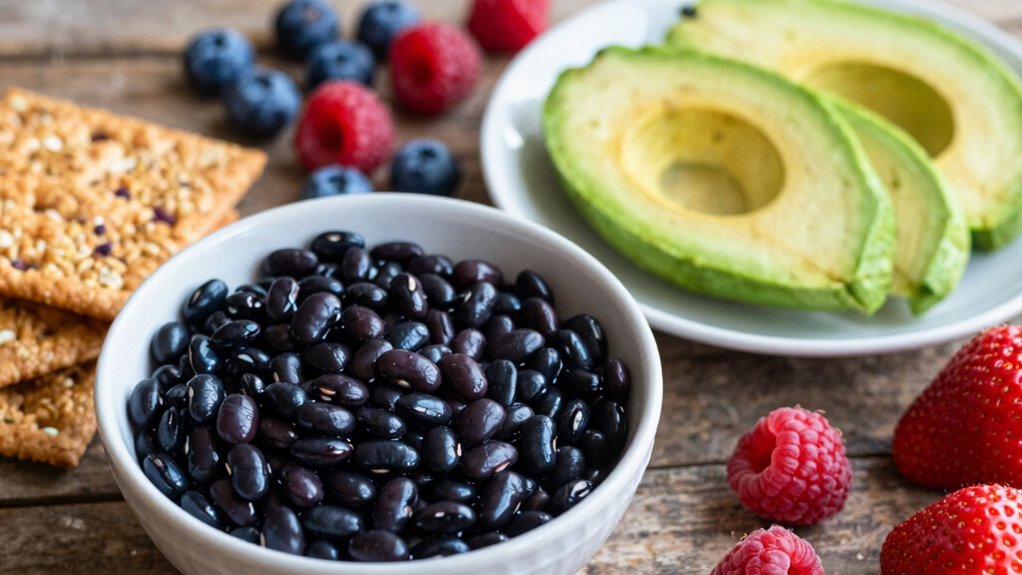
Ready to boost your fiber intake with minimal effort? You can start your day with easy high-fiber breakfasts, enjoy quick veggie snack ideas, or blend fiber-rich smoothies in minutes. These recipes make staying on track simple and delicious.
Easy High-Fiber Breakfasts
Starting your day with a high-fiber breakfast doesn’t have to be complicated or time-consuming. You can enjoy quick, tasty options that boost your fiber intake effortlessly. Skip the fiber myths that say it’s hard or boring—there are simple recipes to try today. Here are four ideas to inspire you:
- Overnight oats with chia seeds and berries—ready when you wake up.
- Whole-grain toast topped with avocado and a sprinkle of flaxseed.
- Smoothies packed with spinach, banana, and oats.
- High-fiber cereal paired with Greek yogurt and sliced fruit.
If you’re short on time, fiber supplements can help, but whole foods provide more nutrients. These breakfasts are quick, delicious, and perfect for starting your day strong.
Quick Veggie Snack Ideas
If you’re looking to keep your fiber intake high between meals, swapping out processed snacks for veggie-packed options is a smart move. Fresh veggies like carrot sticks, cucumber slices, and bell pepper strips are quick, crunchy, and naturally high in fiber. You can also make a simple veggie hummus dip for added flavor and fiber boost. Keep in mind, some people rely on fiber supplements, but it’s best to get fiber from whole foods whenever possible—whole veggies provide added nutrients and are more satisfying. Don’t fall for fiber myths that suggest supplements are enough; real food sources are more effective. These quick veggie snacks are perfect for staying on track and supporting your high-fiber goals effortlessly.
Fiber-Rich Smoothie Recipes
Smoothies are a quick and versatile way to boost your fiber intake without sacrificing flavor. They promote fiber fermentation in your gut, supporting digestion and overall health. Understanding soluble versus insoluble fiber helps you craft balanced smoothies—soluble fiber, found in oats and fruits, dissolves in water, forming a gel that slows digestion. Insoluble fiber, in vegetables and whole grains, adds bulk and speeds up transit. Here are four delicious high-fiber smoothie ideas:
- Berry Oat Power: Blend berries, oats, and almond milk for a soluble fiber boost.
- Green Veggie Detox: Spinach, cucumber, and chia seeds deliver insoluble fiber.
- Apple Cinnamon Delight: Apples, cinnamon, and flaxseed support fiber fermentation.
- Mango-Pineapple Tropical: Mango, pineapple, and psyllium husk for a sweet fiber hit.
Frequently Asked Questions
Can High Fiber Intake Cause Digestive Discomfort?
Yes, high fiber intake can cause digestive discomfort, especially if you have digestive sensitivity. Fiber fermentation in your gut produces gas, which may lead to bloating, cramps, or flatulence. To avoid this, increase fiber gradually, allowing your body to adjust. Staying hydrated also helps manage these symptoms. Remember, a sudden spike in fiber can overwhelm your digestive system, so listen to your body and adjust your intake accordingly.
Are Fiber Supplements Necessary or Better Than Food Sources?
You don’t always need fiber supplements; most people get enough from food sources. About 95% of fiber absorption happens in whole foods like fruits, vegetables, and grains, making supplements less effective for maximum absorption. While supplements can fill gaps, they may not offer the same benefits as natural foods. Focus on diverse, fiber-rich meals first, and consider supplements only if your diet falls short.
How Does Fiber Intake Affect Cholesterol Levels?
Increasing your fiber intake can lower your cholesterol levels by enhancing cholesterol metabolism and reducing absorption of dietary cholesterol. Soluble fiber, in particular, binds to cholesterol in your digestive system, preventing its absorption into your bloodstream. This process helps your body eliminate excess cholesterol more efficiently, which can improve your overall heart health. So, eating high-fiber foods regularly supports better cholesterol management and promotes a healthier cardiovascular system.
Can Children and Seniors Safely Increase Fiber Intake?
Think of your body as a delicate garden; adding fiber is like planting new seeds. Children and seniors can safely increase fiber intake, but they should watch for a fiber allergy or dietary restrictions that might cause discomfort. Start slowly, and consult a healthcare provider if they experience bloating or stomach pain. Proper guidance guarantees everyone’s garden flourishes without unintended weeds.
Are There Any Risks Associated With Excessive Fiber Consumption?
Excessive fiber intake can cause risks like bloating, gas, and impaired fiber absorption, which might lead to nutrient deficiencies. If you have dietary restrictions, such as certain digestive conditions, you should be cautious, as too much fiber can worsen symptoms. To avoid these issues, increase your fiber gradually, stay well-hydrated, and consult your healthcare provider to tailor your intake to your specific needs.
Conclusion
By embracing a high-fiber diet, you’re giving your body the foundation it needs to thrive—like a well-tuned engine running smoothly. With a variety of fiber-rich foods and simple tips, you can effortlessly boost your intake and enjoy better digestion, weight management, and blood sugar control. Remember, small changes add up—so start today and watch your health blossom, like a garden thriving with the right nutrients.