Managing a low sodium diet starts with understanding why sodium is important and how excess can harm your health, like raising blood pressure. Aim for about 2,300 mg daily, mainly by choosing fresh foods, reading labels, and swapping high-sodium items for low-sodium alternatives. Be aware of hidden sodium in packaged and restaurant foods. Staying motivated and tracking your progress makes it easier. Keep going to discover simple tips and strategies that make reducing sodium manageable.
Key Takeaways
- Understand the recommended daily sodium limit (~2,300 mg) to prevent health risks like hypertension.
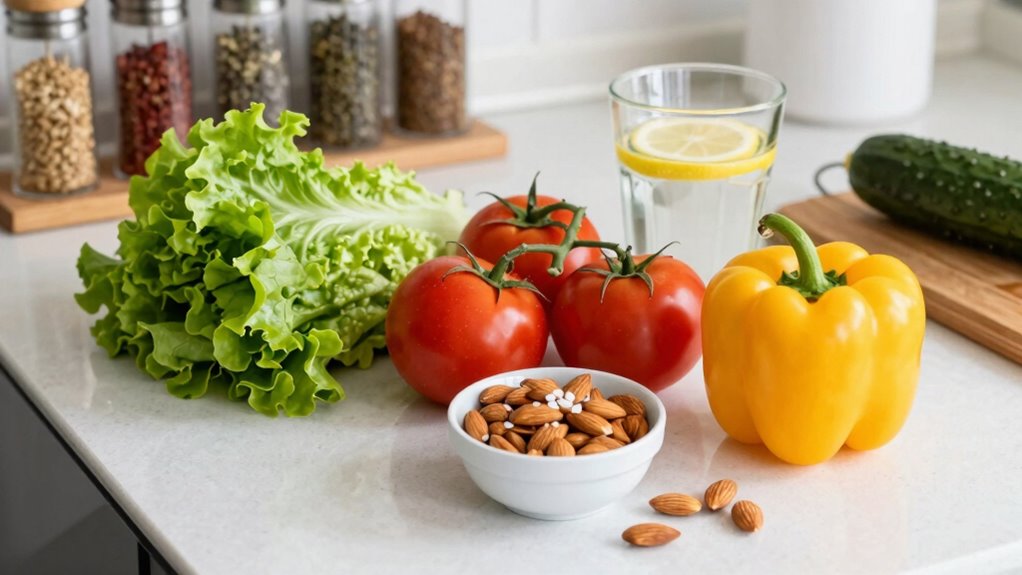
- Focus on fresh, whole foods and flavor with herbs or citrus instead of salt to reduce sodium intake.
- Read food labels carefully to identify hidden sodium in processed and packaged foods.
- Use technology and techniques, such as meal planning and automation, to maintain low-sodium diets easily.
- Track your intake and reflect regularly to stay motivated and adjust strategies for lasting success.
As an affiliate, we earn on qualifying purchases.
What Is Sodium, and Why Is It Important for Your Health?

Have you ever wondered what sodium really does in your body? Sodium chemistry reveals that it’s an essential mineral involved in maintaining electrolyte balance, which keeps your cells functioning properly. It helps regulate fluid levels, ensuring your tissues stay hydrated and your blood pressure stays stable. Sodium also plays a critical role in nerve signaling and muscle contractions, enabling your body to respond quickly to stimuli. Without enough sodium, your body can’t balance electrolytes effectively, leading to issues like fatigue or dizziness. On the other hand, too much sodium can disrupt this balance, causing health problems. So, understanding what sodium does in your body highlights its importance in overall health and why managing your intake is essential. Additionally, maintaining proper sodium levels supports electrolyte balance, which is vital for overall well-being. Proper sodium management is also important because excess sodium intake is linked to increased risk of hypertension and other cardiovascular issues. Recognizing the role of sodium in your body emphasizes the importance of sodium regulation for long-term health. Furthermore, understanding the chemical properties of sodium can help you make more informed dietary choices.
As an affiliate, we earn on qualifying purchases.
How Much Sodium Should You Aim for Daily?
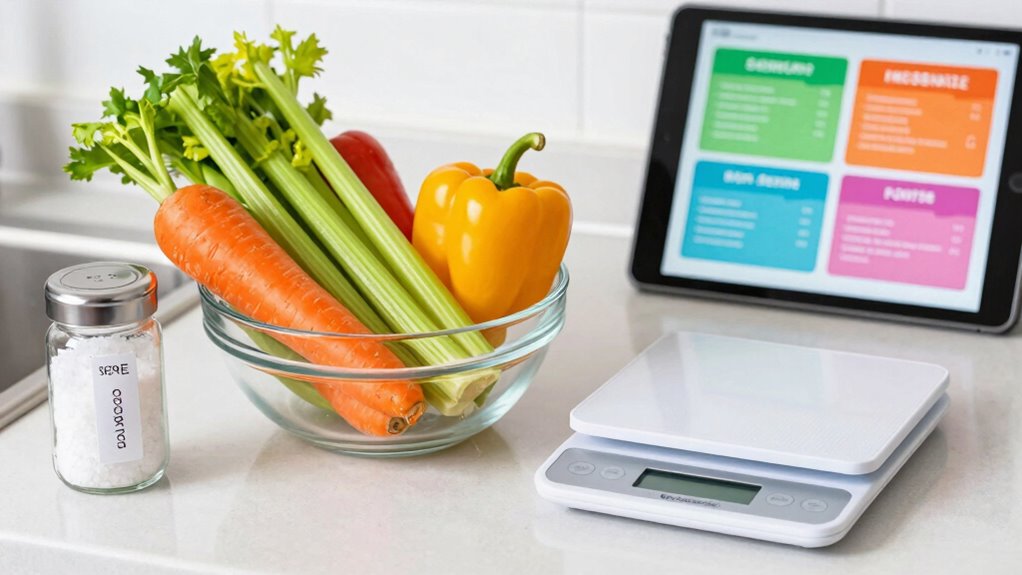
Determining the right amount of sodium for your daily intake is essential for maintaining good health. The general recommendation is to limit sodium to about 2,300 milligrams per day, or roughly one teaspoon of salt. Many sodium myths suggest you need very little, but some individuals, especially those with health risks, should aim even lower. Be cautious of salt substitutes, as they often contain potassium or other chemicals that may not be suitable for everyone. Incorporating proper ventilation and purification can also help reduce indoor sodium-related pollutants. To make informed choices, remember:
- Not all salt is equal; processed foods are often high in hidden sodium.
- Salt substitutes aren’t always healthier; check with your doctor.
- Balance sodium intake with potassium-rich foods.
- Avoid relying solely on salt substitutes to lower sodium intake.
- Understanding sodium sources in foods can help you better manage your intake.
- Being aware of regional cuisine can also reveal common sources of sodium in your diet.
- Considering food preparation methods can significantly influence your overall sodium consumption.
- Paying attention to food labels helps identify hidden sodium content in packaged products.
digital food and sodium intake tracker
As an affiliate, we earn on qualifying purchases.
As an affiliate, we earn on qualifying purchases.
Hidden Sodium Sources in Your Food
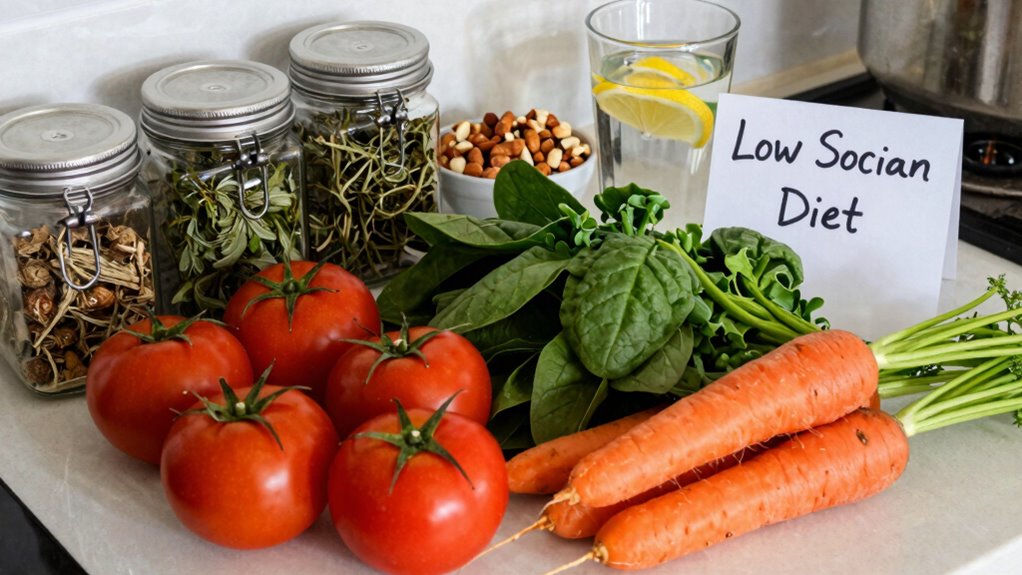
Many people overlook how much hidden sodium is in their everyday foods, which can quickly add up and push your intake beyond recommended levels. Hidden additives are often responsible for these sodium sneaks, lurking in unexpected places. Common sources include processed foods, condiments, and canned goods. To help you spot these sneaks, here’s a quick overview:
| Food Type | Hidden Sodium Sources |
|---|---|
| Packaged Snacks | Preservatives, flavor enhancers |
| Restaurant Foods | Bouillon, soy sauces, marinades |
| Canned Vegetables | Salt-preserved liquids |
| Deli Meats | Sodium nitrates, flavor enhancers |
Being aware of these sodium sneaks helps you make smarter choices and cut back on hidden sodium. Recognizing sodium preservatives in your food can further aid in reducing overall intake. Additionally, understanding hidden sodium sources can empower you to read labels more effectively and choose lower-sodium options. Being mindful of sodium content in different foods allows for better control of your diet and health. For example, knowing how sodium additives function in processed foods can help you identify more hidden sources. It’s also helpful to learn how label reading can reveal these hidden elements to make healthier choices.
herb and citrus flavorings for cooking
As an affiliate, we earn on qualifying purchases.
As an affiliate, we earn on qualifying purchases.
Tips to Reduce Sodium When Cooking at Home

Cooking at home offers a great opportunity to control your sodium intake, especially when you make strategic adjustments. To reduce sodium while maintaining flavor, focus on flavor enhancement through herbs, spices, and citrus. Proper meal planning helps you avoid last-minute high-sodium choices and guarantees balanced meals. When preparing dishes, consider these tips:
- Use fresh ingredients instead of processed foods
- Incorporate aromatic herbs and spices for added flavor
- Limit the use of salt during cooking; taste and adjust gradually
- Experiment with acid-based ingredients like vinegar or lemon juice to brighten flavors
- Utilizing flavor enhancement techniques can help make low-sodium dishes more satisfying. Additionally, understanding angel numbers and their messages can inspire mindful choices in your cooking and lifestyle. Exploring sodium content in different ingredients can further support your efforts to reduce salt intake.
How to Choose Low-Sodium Products and Read Labels
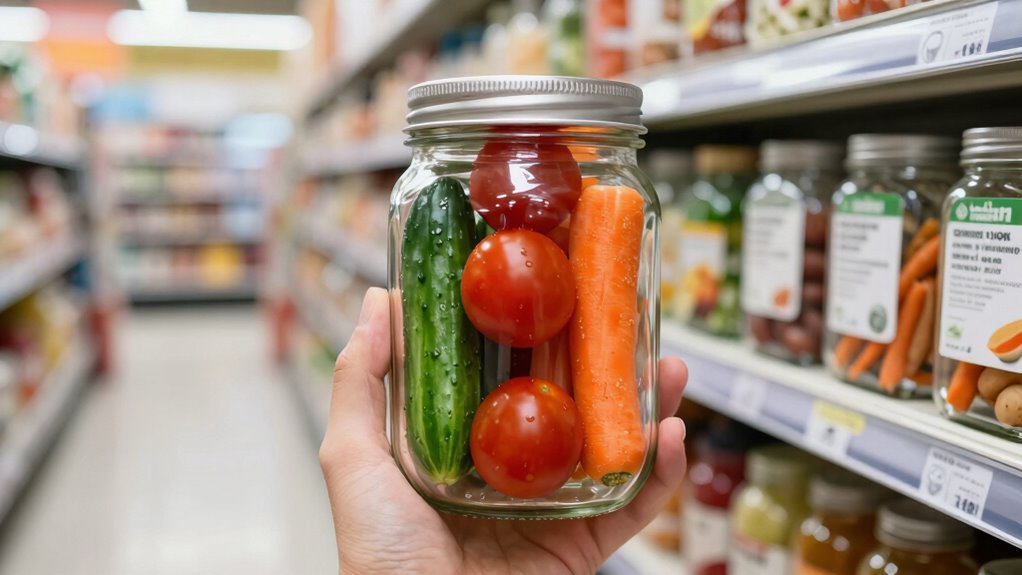
Knowing how to choose low-sodium products and read labels is essential for maintaining a low-sodium diet. Look for labels that list “sodium” or “salt” and aim for products with 140 mg or less per serving. Pay attention to ingredients—words like “salt,” “MSG,” or “sodium” indicate higher sodium content. To enhance flavor without adding salt, try seasoning alternatives like herbs, spices, or citrus. This can make your meals more enjoyable while keeping your sodium intake in check. Use the table below to quickly compare common product types:
| Product Type | High Sodium Indicator | Low Sodium Alternative |
|---|---|---|
| Canned Soup | Salt, Sodium | Low-sodium broth |
| Snack Chips | Preserved with Salt | Unsalted or baked chips |
| Condiments | Soy sauce, Ketchup | Vinegar, mustard |
| Frozen Meals | Salt, Sodium | Fresh or homemade meals |
In addition, being aware of sodium content in processed foods can significantly help in managing your intake. Understanding label reading techniques can further support your efforts to choose lower-sodium options and improve your overall dietary choices. Developing reading skills for nutrition labels is crucial for making informed decisions quickly.
Easy Food Swaps to Lower Your Sodium Intake
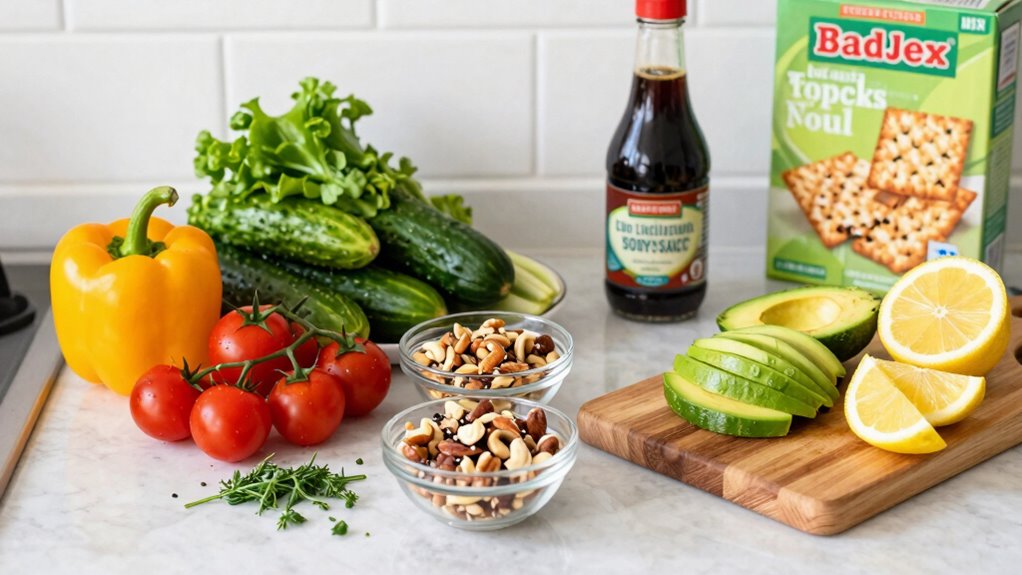
Switching to simple food swaps can considerably reduce your sodium intake without sacrificing flavor. Instead of reaching for salt, try seasoning alternatives that boost flavor enhancement naturally. Fresh herbs like basil, cilantro, and rosemary add depth without the sodium content. Lemon juice or vinegar can brighten dishes and satisfy your palate. Unsalted or low-sodium versions of condiments also make a difference. You can also experiment with spices like cumin, paprika, or garlic powder to enhance taste without relying on salt. These swaps allow you to enjoy flavorful meals while keeping your sodium levels in check. Incorporating innovative home robotics can even help automate the process of preparing healthy, low-sodium meals more efficiently. Understanding sodium reduction techniques can further optimize your efforts to maintain a balanced diet and support heart health.
How to Track Your Progress and Stay Motivated
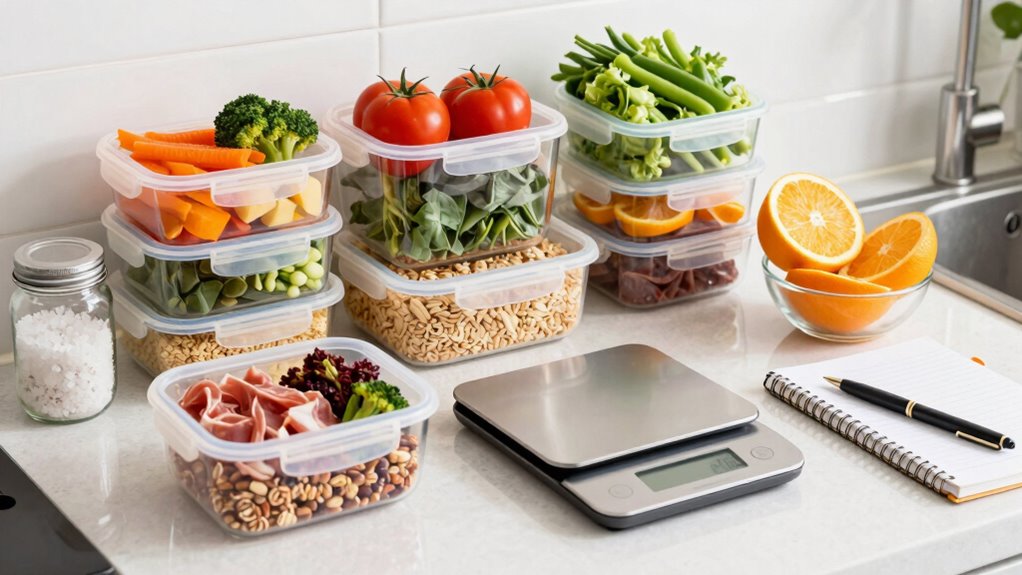
Tracking your progress is a key step in maintaining a low sodium diet and staying motivated along the way. It helps you see how well you’re sticking to your goals and keeps you focused. Use a journal or an app to log your daily sodium intake, noting meal planning choices and social eating occasions. Celebrating small wins boosts motivation, while adjusting your plan keeps it realistic. To deepen your understanding, consider this table:
| Goal | Action | Reflection |
|---|---|---|
| Reduce sodium | Plan meals ahead | How did meal planning help? |
| Social eating | Choose low-sodium options | How did social situations go? |
| Stay motivated | Track progress weekly | What motivates you most? |
This approach keeps you engaged and aware, making your low sodium journey more successful.
Frequently Asked Questions
Can I Completely Eliminate Sodium From My Diet?
You can’t completely eliminate sodium from your diet because it’s naturally present in many foods and used in various cooking ingredients. However, you can reduce intake by avoiding salt substitutes high in potassium and being aware of hidden sources like processed foods, condiments, and restaurant meals. Reading labels carefully helps you identify hidden sources of sodium, allowing you to make healthier choices without sacrificing flavor or nutrition.
Are Natural Foods Always Low in Sodium?
Natural foods aren’t always low in sodium, as some naturally contain higher levels for flavor enhancement and preservation. For example, dairy, meat, and certain vegetables may have more sodium naturally. To keep your diet low in sodium, read labels carefully and choose fresh, unprocessed options when possible. Remember, even natural foods can contribute to your sodium intake, so moderation and awareness are key to maintaining your low-sodium goals.
How Does Sodium Affect Blood Pressure?
Sodium directly influences blood pressure because it affects electrolyte balance, which controls fluid levels in your body. When you consume too much sodium, your body retains extra water, increasing blood volume and putting strain on your heart. This strain can elevate blood pressure, impacting heart health over time. By managing sodium intake, you help maintain electrolyte balance, support healthy blood pressure, and protect your heart’s well-being.
Are There Any Health Risks From Too Little Sodium?
Yes, too little sodium can pose health risks, especially by disrupting electrolyte balance, which is essential for nerve and muscle function. When sodium levels drop too low, you might experience symptoms like dizziness, headaches, or weakness. Additionally, low sodium can impair kidney function over time, making it harder for your body to regulate fluids and electrolytes properly. It’s important to find a healthy balance to avoid these potential issues.
What Are Some Quick, Low-Sodium Snack Ideas?
You can enjoy healthy snack swaps like fresh fruit, unsalted nuts, or veggie sticks with hummus for flavorful low sodium options. Opt for plain popcorn or roasted chickpeas as crunchy snacks, and choose yogurt or cottage cheese without added salt. These quick, satisfying ideas keep sodium levels in check while satisfying your cravings, making it easy to stick to your low sodium diet without sacrificing flavor or enjoyment.
Conclusion
By understanding sodium’s role and making mindful choices, you can successfully lower your intake without feeling deprived. For instance, imagine Sarah, who reduced her sodium by swapping out processed snacks for fresh fruit and herbs. Within weeks, she noticed improved energy and blood pressure. Small changes like these can lead to big health benefits—so stay committed, track your progress, and enjoy the journey toward a heart-healthy, low-sodium lifestyle.