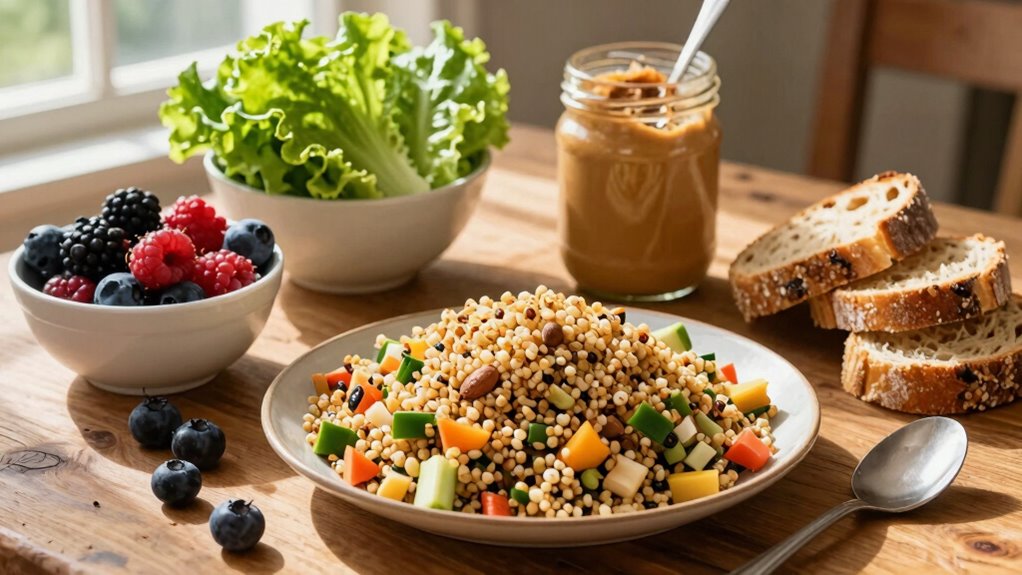
Starting a gluten-free diet means eliminating wheat, barley, and rye, which is essential for managing celiac disease or gluten sensitivity. You’ll need to learn how to spot gluten in packaged foods, read labels carefully, and find safe dining options. Focus on nutrient-rich, naturally gluten-free foods like fruits, vegetables, and lean proteins. Avoid processed snacks and baked goods unless labeled gluten-free. Stick with trusted brands and ask about ingredients to stay safe. If you keep exploring, you’ll discover practical tips to make your gluten-free journey easier.

Get health and wellness essentials delivered free with Prime
- Fast, free delivery on millions of items
- Prime Video, Amazon Music and more included
- Member-only deals all year
Key Takeaways
- Learn to identify hidden gluten sources in ingredients, sauces, and processed foods to avoid accidental ingestion.
- Read labels carefully and look for trusted gluten-free certifications for safe product choices.
- Plan balanced meals with naturally gluten-free foods like fruits, vegetables, meats, and grains such as rice and quinoa.
- Communicate clearly with restaurants about gluten restrictions and ask about cross-contact prevention.
- Use apps, support groups, and trusted recipes to simplify shopping, cooking, and staying informed about gluten-free living.
As an affiliate, we earn on qualifying purchases.
What Is a Gluten-Free Diet and Who Needs It?

Have you ever wondered what a gluten-free diet actually involves? If you have gluten sensitivity or need to follow specific dietary restrictions, this diet eliminates gluten, a protein found in wheat, barley, and rye. People with gluten sensitivity experience symptoms like stomach pain, fatigue, or headaches when they consume gluten, but they don’t have celiac disease. For those with celiac disease, avoiding gluten is essential to prevent serious health complications. Some individuals choose a gluten-free diet for lifestyle reasons or personal preference, but it’s vital to understand that it requires careful planning and label reading. Being aware of gluten-containing ingredients can help you make safer food choices and avoid accidental exposure. Additionally, understanding kitchen safety and how to avoid cross-contamination can be crucial for maintaining a truly gluten-free diet. Proper meal planning can also help you incorporate a variety of nutritious, gluten-free foods into your daily routine. It’s also helpful to learn about gluten-free substitutes to ensure your diet remains balanced and enjoyable. Whether driven by health needs or dietary choices, adopting a gluten-free diet means being mindful of ingredients and making informed decisions to maintain your well-being.
gluten free certification products
As an affiliate, we earn on qualifying purchases.
As an affiliate, we earn on qualifying purchases.
How to Identify Gluten in Packaged Foods
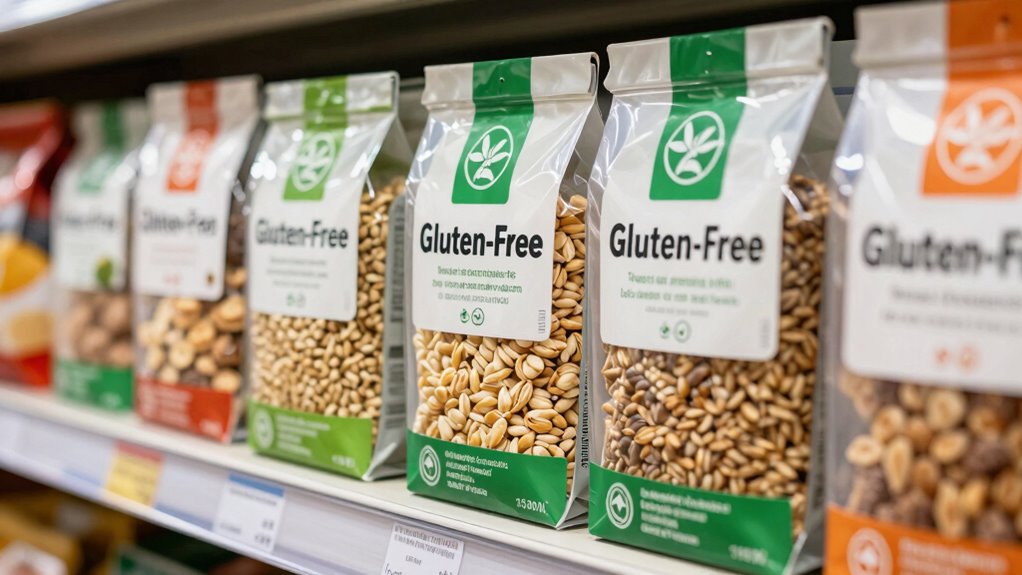
To spot gluten in packaged foods, you need to read ingredient labels carefully and look for common gluten sources like wheat, barley, and rye. Hidden gluten can also be present in additives and sauces, so stay alert to unfamiliar terms. Understanding gluten-free certifications helps guarantee products meet safety standards and are truly safe for your diet. Additionally, being aware of fashion, beauty, interior design, and lifestyle tips can help you find stylish and practical gluten-free product packaging options.
Reading Ingredient Labels Carefully
Wondering how to spot gluten in packaged foods? The key is reading labels carefully. Always check the ingredient list for obvious gluten sources like wheat, barley, rye, or malt. Look beyond the main ingredients—sometimes gluten hides in additives or flavorings. Prioritize products with clear ingredient labels that specify “gluten-free” or confirm the absence of wheat or related grains. Remember, ingredient clarity is your best defense against accidental gluten exposure. Be cautious with processed foods, sauces, and dressings, as gluten can sneak in under confusing names. If you’re uncertain, visit the manufacturer’s website or contact customer service for confirmation. Being diligent when reading labels helps you make safe, informed choices and keeps your gluten-free diet on track. Additionally, understanding product labeling standards can help you identify trustworthy gluten-free claims more easily. Recognizing gluten-free certifications on packaging can also offer extra assurance when selecting products. Stay informed about gluten testing methods to further ensure product safety.
Recognizing Hidden Gluten Sources
Even when a product seems safe at first glance, gluten can hide in unexpected ingredients. Reading labels carefully is key to avoiding gluten in packaged foods. Look out for common hidden sources like malt, modified food starch, and soy sauce, which often contain gluten. Be especially cautious with processed foods used in gluten free baking and gluten free meal prep, as they may contain additives or fillers with gluten. Always check for ingredients that sound unfamiliar or are vague, such as “spices” or “natural flavor,” and verify if they’re gluten-free. When shopping, choose products labeled “gluten-free,” but don’t rely solely on that—double-check ingredient lists. This vigilance helps prevent accidental gluten exposure and guarantees your meals stay safe and truly gluten-free. Being aware of hidden gluten sources is crucial for maintaining a completely gluten-free diet. For added assurance, look for cross-contamination risks that can occur during processing or packaging. Additionally, understanding gluten labeling practices can further help you make informed choices.
Understanding Gluten-Free Certifications
Understanding gluten-free certifications can help you confidently identify safe products amidst the many options on store shelves. Look for reputable gluten free certifications, such as those from organizations like the Gluten-Free Certification Organization (GFCO). These labels mean the product has met strict standards, typically containing less than 10 ppm of gluten. Gluten free labeling is a quick way to spot safe options, but it’s essential to carefully examine the packaging. Not all products with “gluten-free” claims are certified, so check for official seals or certifications to ensure accuracy. Always scrutinize ingredient lists and allergen statements, especially if you’re highly sensitive. Clear gluten free certifications provide peace of mind and help you avoid accidental gluten exposure.
As an affiliate, we earn on qualifying purchases.
What Foods Are Safe and Unsafe on a Gluten-Free Diet?
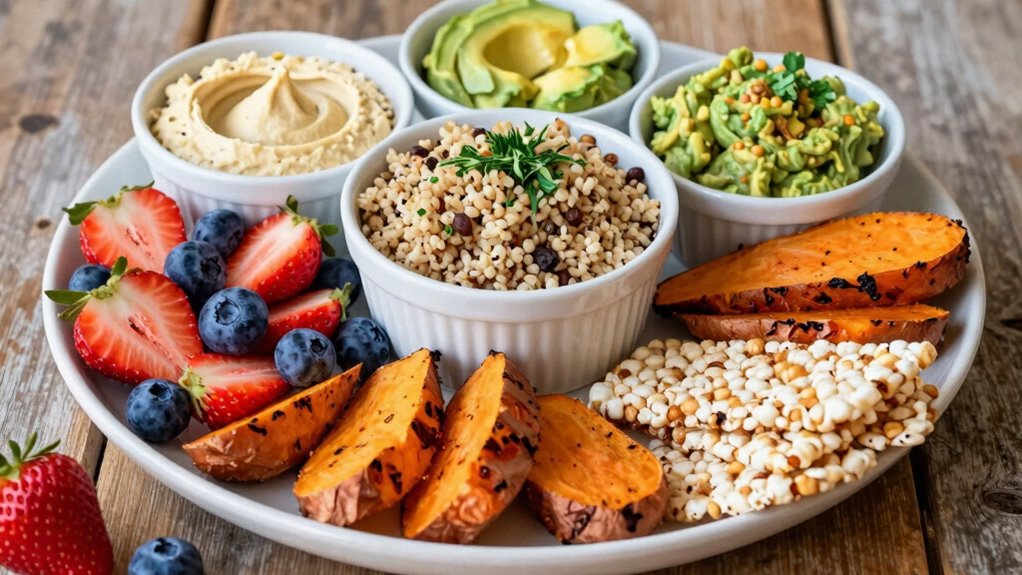
Knowing which foods are safe and unsafe is essential for maintaining a gluten-free diet. You should focus on whole, unprocessed foods like fruits, vegetables, meat, and most dairy products. Safe options include gluten-free grains such as rice, corn, and quinoa, plus naturally gluten-free snacks and gluten free desserts. Be cautious with processed foods, as gluten can hide in sauces, dressings, and seasoning mixes. Here’s a quick guide:
| Safe Foods | Unsafe Foods |
|---|---|
| Fresh fruits and vegetables | Breads, pastas, baked goods |
| Meat, fish, poultry | Processed snacks with wheat |
| Rice, corn, quinoa | Gluten-containing grains like wheat, barley |
| Gluten free desserts | Common baked goods and cereals |
| Gluten free beverages | Beer, malt drinks |
Always double-check labels; cross-contamination is common. To minimize cross-contact, it’s important to be aware of how foods are prepared and handled in different environments. Additionally, understanding gluten-free labeling can help prevent accidental consumption of unsafe products. Being knowledgeable about gluten sources can further aid in avoiding hidden gluten in unexpected foods. Educating yourself about gluten cross-contact practices can also significantly reduce accidental gluten exposure.
As an affiliate, we earn on qualifying purchases.
How to Read Labels and Find Gluten-Free Options at Restaurants
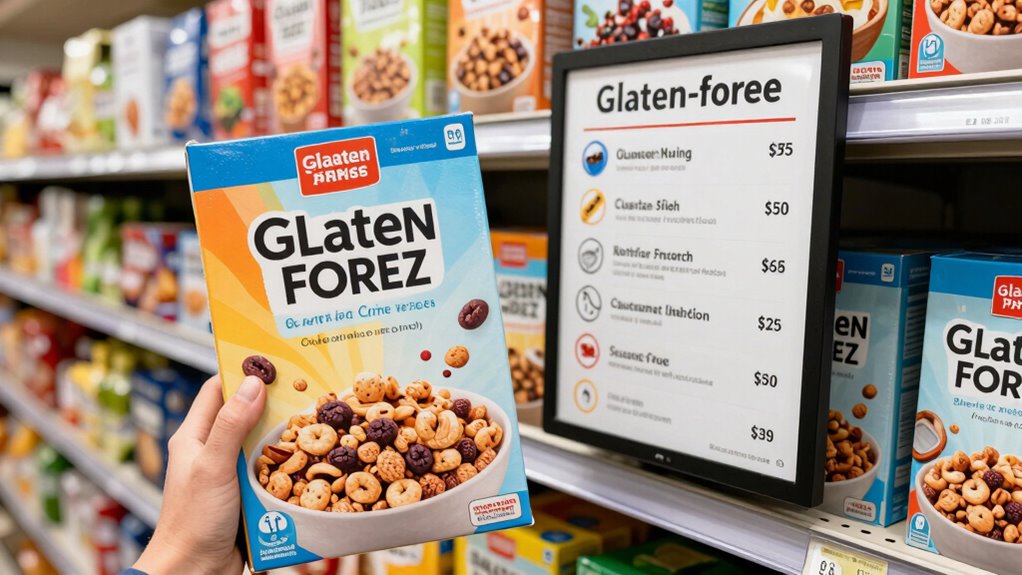
Wondering how to navigate food labels and restaurant menus to stay gluten-free? Start by carefully reading labels, looking for gluten-free certifications or clear statements like “gluten-free.” Be cautious of ingredients such as malt, wheat, or barley, even in small amounts. When dining out, ask servers about gluten-free options and how dishes are prepared—cross-contact is common. Seek out gluten-free bakeries for safe treats and snacks, especially if you’re traveling. Planning ahead is key for gluten-free travel; research restaurants and grocery stores beforehand. Many places now offer gluten-free menus or accommodations. Paying attention to gluten-free certifications can help ensure safety and accuracy. Educating yourself about gluten-containing ingredients can further protect you from accidental exposure. It’s also helpful to learn about gluten cross-contact, which can occur during food preparation and lead to unintended exposure. Being aware of gluten-free labeling laws can help you make more informed choices when shopping. Additionally, understanding gluten-free options at restaurants can help you navigate menus more confidently. With a little effort, you can confidently find safe options, whether at a bakery or a restaurant, making your gluten-free lifestyle easier and more enjoyable.
How to Make Sure You’re Getting Enough Nutrients Without Gluten

Even if you’re avoiding gluten, it’s essential to guarantee you’re still getting all the nutrients your body needs. Focus on diverse, nutrient-rich foods to fill potential gaps. Incorporate:
- Leafy greens and colorful vegetables for vitamins and minerals.
- Gluten free baking recipes that include nuts, seeds, and legumes for healthy fats and protein.
- Whole fruits and gluten free grains like quinoa or brown rice for fiber and antioxidants. Including smart home devices can also help you monitor and manage your diet more effectively through connected apps and tools.
- Gluten free beverages such as fortified plant milks or herbal teas to stay hydrated and boost nutrient intake. Using indoor air quality solutions can also contribute to overall health by ensuring a clean and healthy living environment.
Additionally, including holistic health principles can help support overall well-being while maintaining a gluten-free diet.
Easy Gluten-Free Meal Ideas and Snacks for Beginners
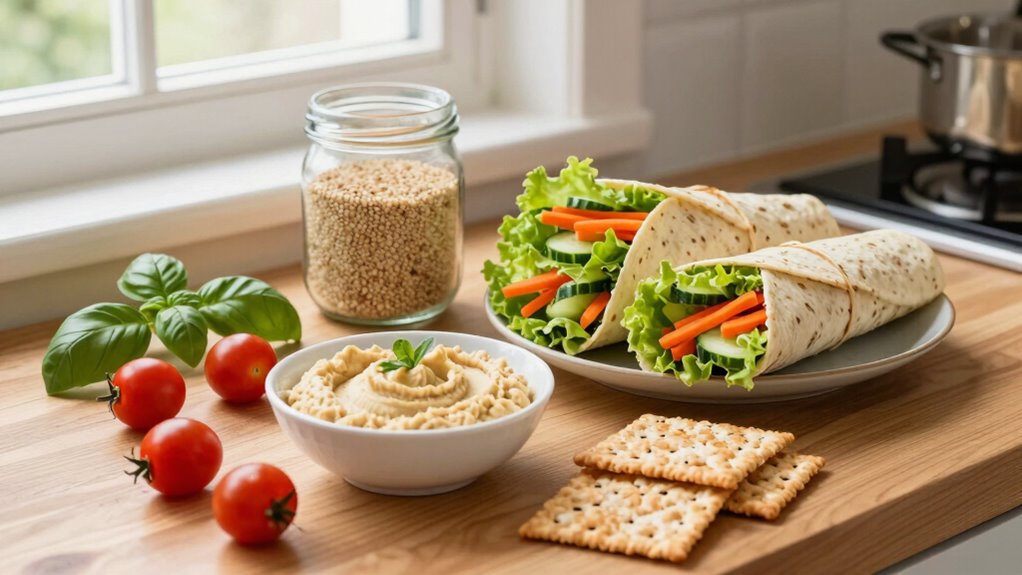
Starting a gluten-free diet can feel overwhelming at first, but there are simple and delicious meal ideas to help you get started with confidence. For breakfast, try gluten-free oats topped with fresh fruit and nuts, or whip up gluten-free pancakes using gluten free baking mixes. Lunches can include salads with grilled chicken, quinoa bowls, or lettuce wraps filled with lean protein. Snacks are easy with options like gluten-free granola bars, fresh fruit, or veggie sticks with hummus. For quick treats, explore gluten free baking recipes for muffins or cookies, satisfying your sweet tooth without gluten. These ideas keep your meals varied and tasty while supporting your new lifestyle. With a little planning, you’ll find gluten-free eating becomes second nature.
Mistakes to Watch Out for When Going Gluten-Free
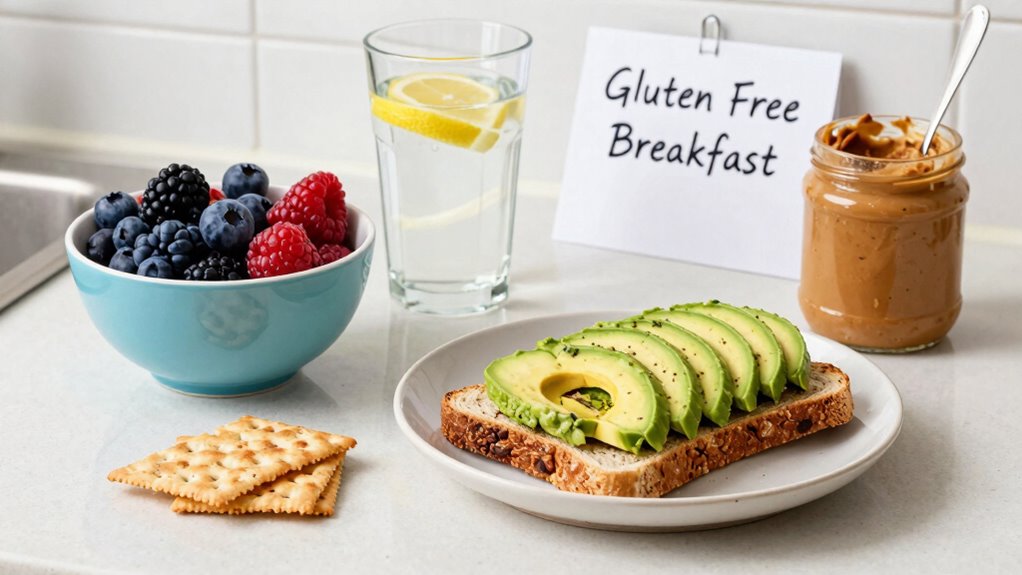
When you switch to a gluten-free diet, you need to watch out for hidden gluten in processed foods and condiments. Cross-contamination in the kitchen can also easily sabotage your efforts, so proper handling is essential. Additionally, focusing only on gluten avoidance might make it harder to maintain a balanced, nutritious diet.
Hidden Gluten Sources
Many people assume that gluten is only found in bread and pasta, but it can hide in unexpected places. You need to watch out for hidden gluten sources that can sneak into your diet. For example:
- Processed foods and sauces often contain gluten as a thickener or flavor enhancer.
- Gluten free desserts sometimes use ingredients that aren’t truly gluten-free, so always read labels carefully.
- Gluten in gluten free baking can occur if you’re not using certified gluten-free flours or ingredients.
- Cross-contamination can happen in shared kitchens or bakeries, so ask about ingredient sources.
Being vigilant helps you avoid accidental gluten intake, especially when exploring new recipes or trying to enjoy safe gluten free desserts.
Cross-Contamination Risks
Cross-contamination is a common risk that can inadvertently introduce gluten into your diet, even if you’re careful with ingredients. Small traces of gluten can linger on cutting boards, utensils, or appliances if they aren’t thoroughly cleaned. To maintain kitchen safety, always use separate tools and storage for gluten-free foods. Be cautious when toasting bread, cooking pasta, or using shared surfaces, as gluten particles can easily transfer. Keep gluten-free products sealed and stored away from gluten-containing items. Pay attention to labels on packaged foods and cleaning products, as they can sometimes contain gluten or cause cross-contact. Staying vigilant about cross contamination helps you avoid accidental gluten ingestion and ensures your gluten-free diet remains safe and effective.
Nutritional Balance Challenges
Even with careful attention to avoiding gluten cross-contact, maintaining a balanced diet on a gluten-free plan can be tricky. Without proper meal planning, you risk missing out on essential nutrients and reducing nutritional variety. To stay balanced, consider these common pitfalls:
- Relying too heavily on processed gluten-free products, which may lack fiber and vitamins.
- Skipping whole grains like quinoa or brown rice that provide crucial nutrients.
- Not incorporating enough fruits, vegetables, and lean proteins into your meals.
- Overlooking the importance of supplementing with vitamin B12, iron, and fiber if your diet isn’t diverse enough.
Staying mindful of meal planning helps you avoid these mistakes and ensures your diet remains nutritious and well-rounded.
Tools and Resources to Support Your Gluten-Free Journey

Managing a gluten-free lifestyle becomes much easier when you have the right tools and resources at your disposal. Start with trusted gluten free baking supplies, like almond or rice flour, to create safe, tasty treats. Using cookbooks or websites dedicated to gluten-free recipes can help you explore new dishes without stress. Additionally, consider dietary supplement considerations, such as supplementing with fiber or vitamins if your diet lacks certain nutrients. Apps and label-reading guides are invaluable for identifying gluten-free products quickly and confidently. Joining support groups, either online or locally, offers advice and encouragement from others who understand your journey. With these tools, you’ll navigate your gluten-free lifestyle more smoothly, making it sustainable and enjoyable.
Tips to Stay Confident and Motivated While Living Gluten-Free

Living gluten-free can sometimes feel overwhelming, but maintaining confidence and motivation is key to staying on track. Embrace mindset shifts, focusing on the positive aspects of your journey. Building support networks with friends, family, or online communities keeps you motivated and accountable. Here are some tips:
Living gluten-free boosts confidence through positive mindset shifts and strong support networks.
- Celebrate small wins to boost your confidence.
- Keep educating yourself about gluten-free living to stay motivated.
- Connect with support networks for encouragement and advice.
- Remind yourself of your health goals to reinforce your commitment.
Frequently Asked Questions
Can Gluten-Free Diets Help With Non-Celiac Gluten Sensitivity?
Yes, a gluten-free diet can help with non-celiac gluten sensitivity. If you experience symptoms like bloating, fatigue, or stomach pain after eating foods with gluten, avoiding gluten removes potential dietary triggers. While you won’t have celiac disease, cutting out gluten can reduce your symptoms by eliminating gluten sensitivity’s triggers. Just make certain you choose balanced, nutrient-rich gluten-free options to maintain a healthy diet and avoid unnecessary restrictions.
Are Gluten-Free Products More Expensive Than Regular Options?
Yes, gluten-free products tend to be more expensive than regular options. You’ll notice this in gluten alternatives like bread, pasta, and baked goods, which often cost more due to specialized ingredients and production processes. When doing a cost comparison, you’ll see that gluten-free options usually have a higher price tag, reflecting the added effort and ingredients needed to make them safe for those avoiding gluten.
How Can I Dine Out Safely on a Gluten-Free Diet?
Dining out safely on a gluten-free diet is like steering through a maze—you need to stay alert. Always communicate clearly with restaurant staff about your allergies, practicing good restaurant etiquette. Ask about menu customization options to make certain your meal is gluten-free. Stick to trusted restaurants with good reviews, and avoid cross-contamination. Your proactive approach helps you enjoy eating out without compromising your health.
What Are Common Hidden Sources of Gluten in Foods?
Hidden sources of gluten often sneak into foods through hidden additives and processed foods. You should watch out for ingredients like malt, modified food starch, and soy sauce, which may contain gluten. Processed foods, even those labeled gluten-free, can sometimes have cross-contamination or additives with gluten. Always read labels carefully, ask questions when eating out, and be cautious with pre-packaged meals to avoid accidental gluten ingestion.
Is Cross-Contamination a Concern in Gluten-Free Cooking?
Cross-contamination is a real threat in gluten-free cooking, like invisible shadows lurking in your kitchen. You must prioritize kitchen hygiene and careful food storage to prevent gluten particles from sneaking into your meals. Use separate utensils, clean surfaces thoroughly, and store gluten-free foods separately. These small actions act as guards, warding off hidden dangers, and ensuring your meals stay safe and true to your gluten-free goals.
Conclusion
Starting a gluten-free journey might feel like learning a new language, but with patience and the right tools, it becomes second nature. Remember, every step you take is like building a sturdy bridge over unfamiliar territory. Stay confident, keep exploring, and don’t be afraid to ask for support. Soon, living gluten-free will feel as natural as breathing, turning what once seemed overwhelming into an empowering part of your everyday life.
Cold & flu season Picks
humidifiers
As an affiliate, we earn on qualifying purchases.