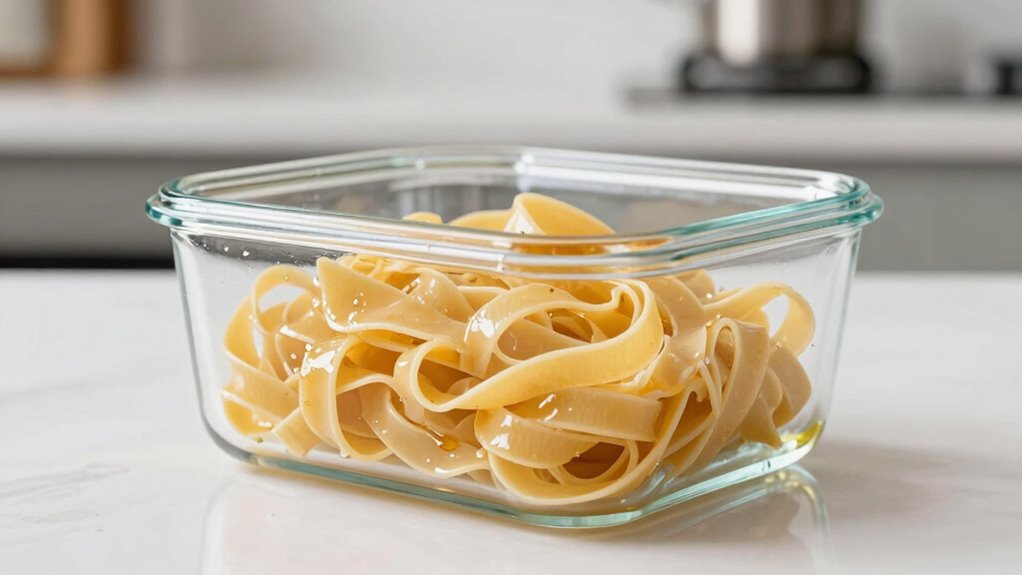
Yes, you can freeze cooked pasta to extend its freshness and enjoy leftovers later. To do it well, cool the pasta completely and toss it with a little olive oil or butter to prevent sticking. Spread it in a single layer on a baking sheet for quick freezing, then transfer to airtight containers or resealable bags. Proper storage helps maintain flavor and texture, and if you’re curious about more tips, there’s plenty more to discover.

Get health and wellness essentials delivered free — and shop member deals
- Fast, free delivery on millions of items
- Access to Prime Big Deal Days deals on October 6–7
- Prime Video, Amazon Music and more included
Key Takeaways
- Yes, cooked pasta can be frozen for later use if properly cooled and stored.
- Toss pasta with oil or butter to prevent sticking before freezing.
- Use airtight containers or resealable bags to minimize freezer burn.
- Freeze pasta in small portions for easy reheating and better quality.
- Reheat directly from frozen by boiling or microwaving with added moisture.
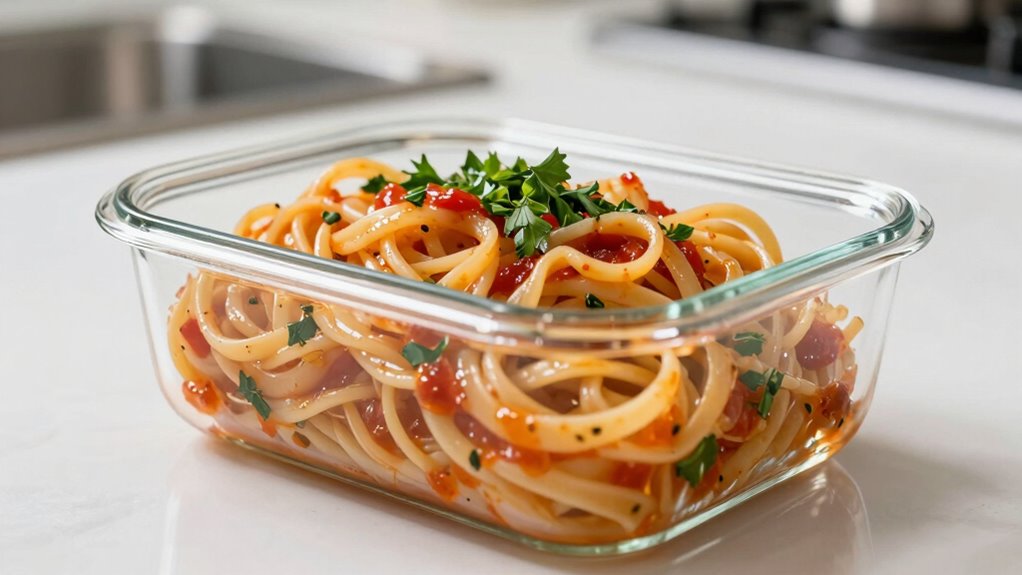
Freezing cooked pasta is a convenient way to save leftovers for later, but many people wonder if it’s actually a good idea. The truth is, yes, you can freeze cooked pasta, but how you handle it makes all the difference. Proper pasta storage is key to maintaining its quality after freezing. When you’re ready to store, make sure the pasta is cooled completely before you freeze it, as hot or warm pasta can cause condensation and ice crystals, which may lead to mushiness when reheated.
Freezing cooked pasta is convenient, but proper handling ensures it stays tasty and maintains good texture.
For best results, you should use the right freezing techniques. First, toss your cooked pasta with a little olive oil or butter; this helps prevent sticking and keeps the pasta from clumping together. Spread the pasta out on a baking sheet to freeze it in a single layer for about 30 minutes. This process, called flash freezing, makes it easier to portion later and prevents clumping. Once the pasta is frozen, transfer it to airtight containers or resealable freezer bags, removing as much air as possible. Label the packaging with the date, so you know how long it’s been stored.
When it’s time to reheat, you can cook the frozen pasta directly from the freezer, avoiding the need to thaw. To reheat, add the frozen pasta to boiling water for a few minutes or microwave it with a splash of water or sauce to help keep it moist. Keep in mind, though, that the texture might change slightly after freezing. While fresh pasta is often silky and firm, frozen and reheated pasta may become a little softer or slightly more fragile. That’s why it’s especially good to use frozen pasta in recipes where it’ll be cooked further, like baked pasta dishes or soups.
Pasta storage with proper freezing techniques allows you to enjoy leftovers without sacrificing too much quality. Just remember to cool the pasta quickly, toss it with oil, freeze it in a single layer, and store it in airtight containers. These steps help preserve the taste and texture, making your leftovers just as enjoyable as when they were freshly cooked. Proper pasta storage techniques can greatly improve your results and prevent waste. Additionally, understanding freezing methods can help you optimize how you store and reheat your leftovers for the best possible outcome. Using the correct freezing techniques also minimizes the risk of freezer burn and maintains the pasta’s flavor. To further enhance preservation, you can also consider airtight packaging, which prevents moisture loss and flavor deterioration during freezing.
airtight food storage containers for pasta
As an affiliate, we earn on qualifying purchases.
As an affiliate, we earn on qualifying purchases.
Frequently Asked Questions
How Long Can Cooked Pasta Be Stored in the Freezer?
You can store cooked pasta in the freezer for up to 2 months. To maximize freshness, marinate it with oil or sauce to prevent sticking, and consider cooking modifications like slightly undercooking to avoid mushiness. When ready to eat, thaw it in the fridge and reheat thoroughly. Proper storage and preparation help maintain flavor and texture, making it a quick, convenient meal later on.
Does Freezing Cooked Pasta Affect Its Texture?
Freezing cooked pasta can slightly affect its texture, making it a bit softer or more mushy after reheating. For example, if you use proper freezing methods like storing it in an airtight container and avoiding excess moisture, pasta retains more of its freshness. To minimize texture changes, consider undercooking slightly before freezing, so it reheats well without losing too much of its original bite.
Can You Freeze Pasta With Sauce Already Added?
Yes, you can freeze pasta with sauce already added, but proper pasta storage and freezing techniques matter. To prevent a soggy texture, let the cooked pasta and sauce cool completely, then store them in airtight containers or freezer bags. Make sure to leave some space for expansion. Label your packages, and when you’re ready, thaw in the fridge and reheat gently to preserve flavor and texture.
How Should I Thaw Frozen Cooked Pasta Safely?
You should thaw frozen cooked pasta safely by transferring it to the refrigerator overnight. This slow thawing method helps preserve flavor and minimizes texture changes. Avoid quick-thaw methods like microwave reheating, which can lead to uneven heating and soggy pasta. Once thawed, reheat gently on the stove or in the microwave, stirring occasionally. This approach maintains the pasta’s flavor and improves its texture, making your dish taste as fresh as possible.
Is It Better to Freeze Pasta in Individual or Large Portions?
Think of pasta storage like planting a garden—small portions are your seeds ready to bloom at a moment’s notice. Freezing techniques show that dividing cooked pasta into individual servings makes reheating easier and preserves freshness better, like a well-tended crop. Large portions can be cumbersome, risking freezer burn and uneven thawing. For convenience and quality, opt for individual portions when freezing cooked pasta.
As an affiliate, we earn on qualifying purchases.
Conclusion
Now that you know the ins and outs of freezing cooked pasta, you’re all set to extend its shelf life without a hitch. Just remember, it’s better to freeze it sooner rather than later to keep it fresh and tasty. With a little care, you’ll avoid the pitfalls and make sure your pasta stays as good as new whenever you need it. After all, a stitch in time saves nine—so don’t delay in preserving your leftovers properly.
As an affiliate, we earn on qualifying purchases.
As an affiliate, we earn on qualifying purchases.
Fall Picks
fall essentials
As an affiliate, we earn on qualifying purchases.