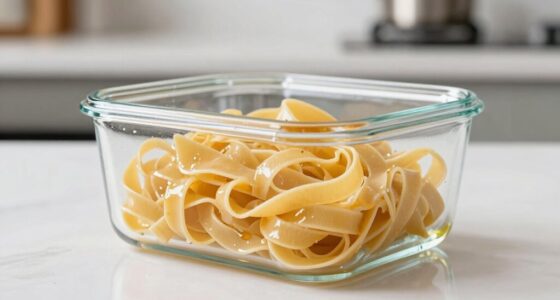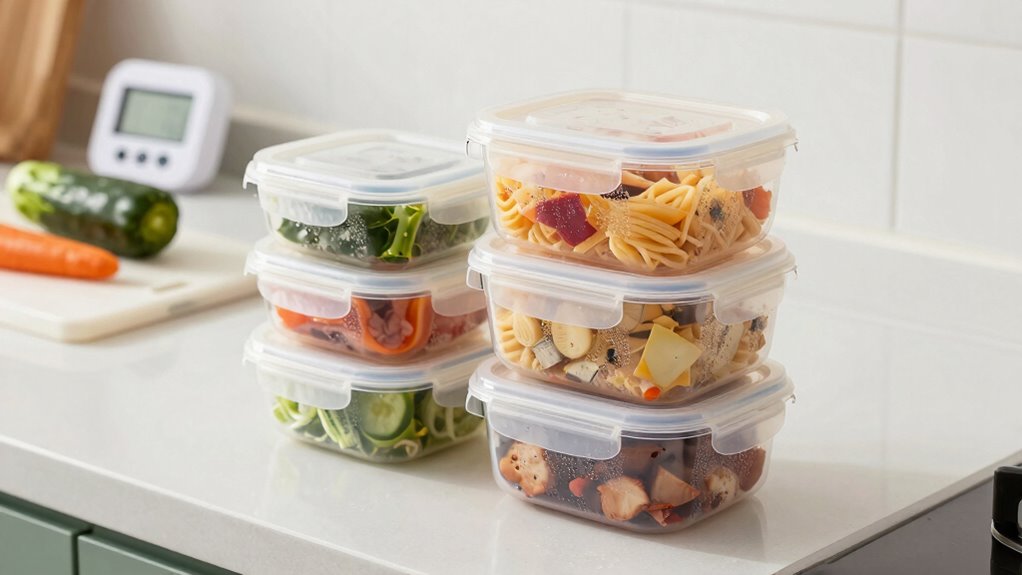
To keep leftovers safe, store them in airtight containers in the fridge for 3 to 4 days at 40°F or below. Reheat leftovers to at least 165°F, ensuring even heating, and discard anything that smells or looks off. Always label and date leftovers to avoid confusion and prevent waste. Proper handling and timely freezing can extend their life. If you follow these tips, you’ll minimize risks—keep going to learn more essential safety practices.

Get health and wellness essentials delivered free with Prime
- Fast, free delivery on millions of items
- Prime Video, Amazon Music and more included
- Member-only deals all year
Key Takeaways
- Consume leftovers within 3 to 4 days to prevent bacterial growth and foodborne illness.
- Store leftovers in airtight containers and label with date to ensure safety and easy identification.
- Reheat leftovers to at least 165°F (74°C) using proper methods for even heating and bacteria elimination.
- Recognize spoilage signs like sour smell, mold, or slimy texture to avoid eating unsafe leftovers.
- Freeze leftovers promptly in proper packaging to extend shelf life and maintain quality.
airtight food storage containers
As an affiliate, we earn on qualifying purchases.
As an affiliate, we earn on qualifying purchases.
How Long Are Leftovers Safe to Keep?
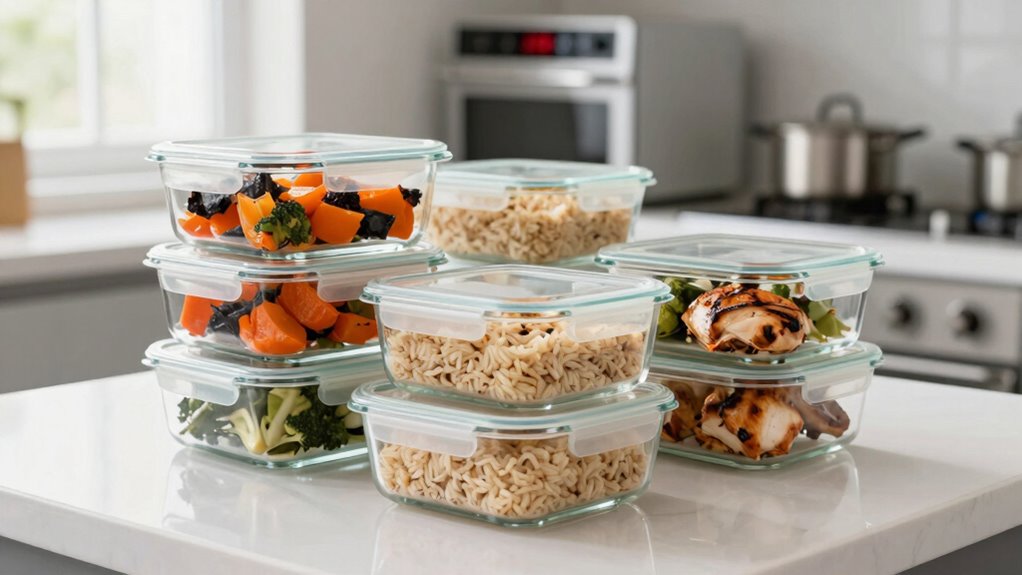
How long can leftovers stay safe in your fridge before they become a health risk? Typically, leftovers are safe for about 3 to 4 days. After this period, bacteria growth can accelerate, increasing the risk of food poisoning. Bacteria thrive in the moist, nutrient-rich environment of cooked foods left at unsafe temperatures. Even if leftovers look and smell fine, harmful bacteria can still be present. Consuming food beyond the recommended time considerably raises your chances of food poisoning, which can cause symptoms like nausea, vomiting, or diarrhea. To avoid these risks, it’s essential to track how long leftovers stay in your fridge and discard them after the safe window. Proper timing helps prevent bacteria growth and keeps you healthier. Understanding food safety guidelines can further help you make informed decisions about storing leftovers properly. Being aware of storage durations is also crucial to minimize the risk of illness caused by bacterial contamination. Regularly reviewing food safety practices can help ensure your leftovers are stored and consumed safely. Additionally, maintaining proper refrigeration temperatures can slow bacterial growth and extend the safety window for leftovers.
food thermometer for reheating leftovers
As an affiliate, we earn on qualifying purchases.
As an affiliate, we earn on qualifying purchases.
The Best Ways to Store Leftovers Safely
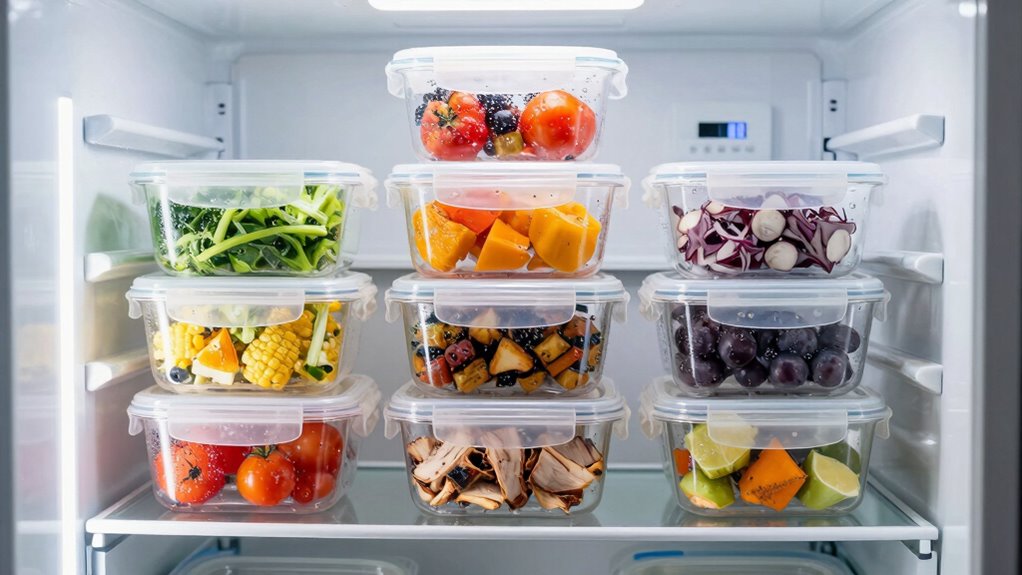
To keep leftovers safe, proper storage methods are essential. First, make certain your kitchen cleaning routines are thorough—wash containers and surfaces regularly to prevent cross-contamination. Use airtight containers to keep leftovers fresh and prevent bacteria growth. Be mindful of food allergy awareness; store allergen-containing leftovers separately to avoid accidental exposure. Cool leftovers quickly by dividing large portions into smaller containers before placing them in the fridge. Keep your refrigerator at 40°F (4°C) or below to inhibit bacterial growth. Maintain good ventilation in your kitchen to help dissipate odors and moisture that can promote bacterial proliferation. Proper food storage practices are crucial for maintaining freshness and safety. Ensuring your refrigerator maintains the correct temperature is a key aspect of food safety that should not be overlooked. Regular cleaning of your storage containers and refrigerator surfaces helps prevent bacterial contamination and extends the freshness of your leftovers. Additionally, understanding foodborne illness risks can help you better identify symptoms and prevent health issues. Following these steps helps maintain food safety, reduces waste, and keeps everyone in your household protected from potential allergies and foodborne illnesses.
As an affiliate, we earn on qualifying purchases.
How to Label and Date Leftover Containers
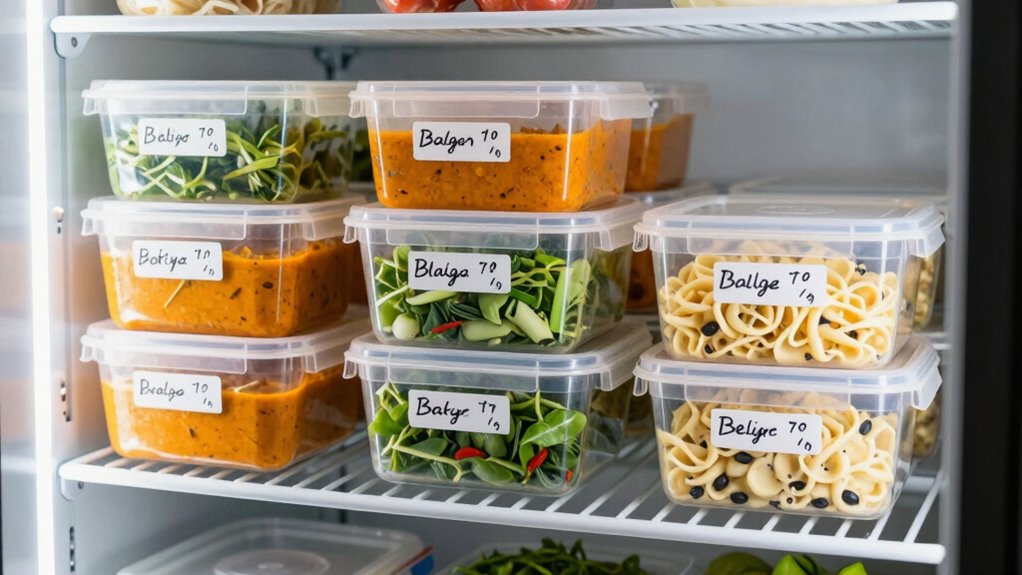
Labeling and dating leftover containers is essential to keep track of what’s in your fridge and prevent food waste. Clear food labeling helps you identify the contents quickly, while date marking shows how long it’s been stored. Use a permanent marker or labels to write the food name and date on each container. Incorporating proper sustainable living practices can further reduce waste and promote environmental conservation. Proper organization and labeling also contribute to more efficient file management, making it easier to maintain a safe and clutter-free storage area. Additionally, practicing food safety by regularly checking and discarding expired leftovers is crucial for health. Ensuring proper food storage techniques can also help preserve the quality and safety of leftovers for longer periods, which is an important aspect of kitchen organization.
labeling and dating food containers
As an affiliate, we earn on qualifying purchases.
As an affiliate, we earn on qualifying purchases.
How to Reheat Leftovers Without Risk
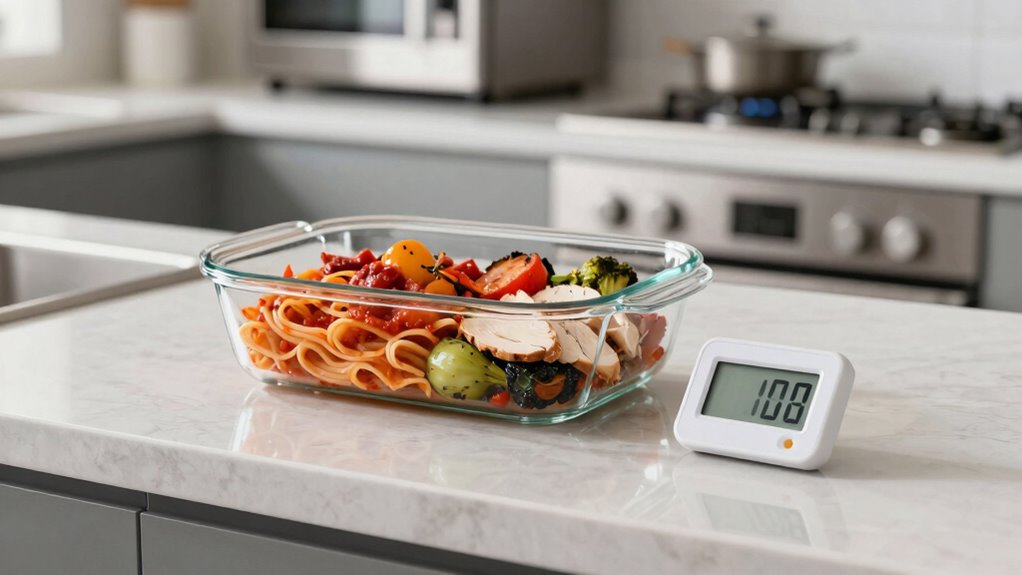
To reheat leftovers safely, you need to start with proper storage techniques to prevent bacterial growth. Follow temperature guidelines to make certain your food reaches the right heat level, and choose safe reheating methods like using the microwave or stove. By paying attention to these points, you can enjoy your leftovers without risking foodborne illness. Additionally, selecting the right marine equipment can help ensure your food is stored and transported at safe temperatures during trips. Proper food storage methods can further extend the freshness and safety of your leftovers. Ensuring proper temperature control during storage is essential to maintain food safety over time. Maintaining consistent food safety practices can significantly reduce the risk of contamination and spoilage. Incorporating food safety guidelines into your routine will help protect your health and prolong the usability of your leftovers.
Proper Storage Techniques
Proper storage is vital to guarantee leftovers remain safe to eat when reheating. Start by clearly labeling food containers with dates, so you know exactly how long they’ve been stored. This practice helps prevent eating spoiled leftovers and ensures you consume them within a safe timeframe. Keep your kitchen organized by storing leftovers in airtight containers, which prevent contamination and maintain freshness. Place these containers in the coldest part of your refrigerator to slow bacterial growth. Use transparent food containers to easily identify contents and avoid unnecessary rummaging. Incorporating modern tech into your kitchen organization can also help monitor storage times and improve food safety. Proper storage techniques not only keep your leftovers safe but also reduce waste. Regularly checking your fridge with food safety guidelines can further help you stay on top of proper storage practices. Additionally, understanding the importance of temperature control is crucial in preventing bacterial proliferation in leftovers. Maintaining proper refrigeration temperatures is key to keeping food safe for longer periods. Ensuring consistent temperature monitoring can help you detect any fluctuations that might compromise food safety. By maintaining good kitchen organization and paying attention to labels, you set yourself up for safe, enjoyable reheating without health risks.
Reheating Temperature Guidelines
Reheating leftovers safely requires paying close attention to temperature guidelines to prevent bacterial growth. To guarantee proper food preservation and maintain kitchen safety, heat leftovers to an internal temperature of at least 165°F (74°C). Use a food thermometer to verify this temperature, especially for meats, casseroles, and stews. Reheating evenly is essential; stir or rotate food during warming to eliminate cold spots where bacteria can survive. Avoid reheating leftovers multiple times, as each cycle increases the risk of bacterial growth. Proper reheating not only preserves food quality but also minimizes health risks. Always store leftovers promptly and reheat them thoroughly before consumption, keeping food safety a top priority in your kitchen. Ensuring the reheating temperature is accurate is crucial for preventing foodborne illnesses.
Safe Reheating Methods
Ensuring leftovers are reheated safely means choosing methods that evenly distribute heat and maintain the correct temperature. This is essential to prevent leftover contamination and guarantee reheating safety. The best approach is to use microwave, stovetop, or oven methods, as they heat food uniformly when done correctly. When reheating in a microwave, stir or rotate the food regularly to avoid cold spots where bacteria can survive. For stovetop reheating, stir frequently and heat until the internal temperature reaches at least 165°F (74°C). Using an oven at 350°F (177°C) and covering leftovers helps distribute heat evenly. Always check the internal temperature with a food thermometer to confirm safety. Proper reheating methods reduce the risk of bacteria growth and guarantee leftovers are safe to eat.
Signs Leftovers Have Gone Bad
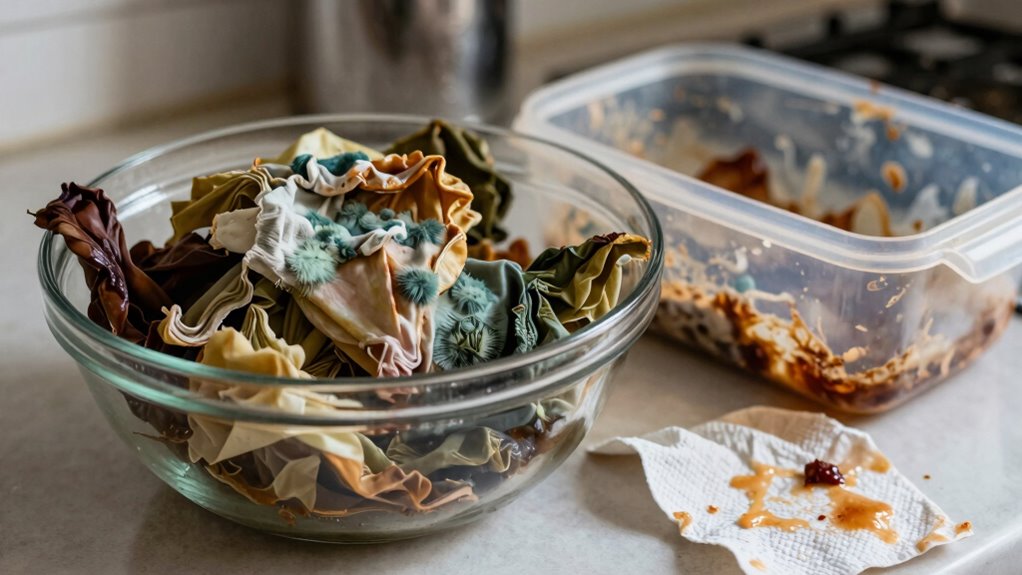
Leftovers that have gone bad often show clear signs you can’t ignore. One of the first clues is a change in leftover aromas; if they develop a sour, off, or rancid smell, it’s a strong warning to discard them. Mold growth is another obvious sign—if you see fuzzy patches or unusual discoloration, don’t take chances. Additionally, slimy textures or an overly sticky surface indicate spoilage. Always check for unusual colors or textures that weren’t present when you stored the leftovers. Trust your senses—if anything seems off, it’s safest to throw the leftovers away. Remember, consuming spoiled food can lead to food poisoning, so when in doubt, it’s best to err on the side of caution.
Common Mistakes When Handling Leftovers
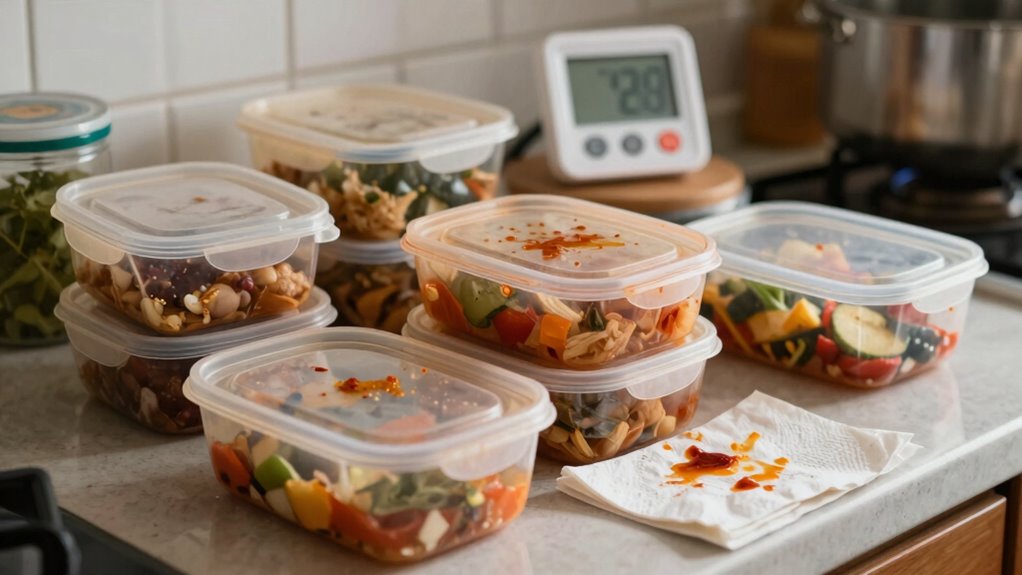
Many people make mistakes when handling leftovers that can compromise safety. You might store food improperly, ignore expiration dates, or reheat it incorrectly. Recognizing these common errors helps you keep leftovers safe to eat.
Improper Storage Techniques
One common mistake people make is not storing leftovers promptly or properly, which can lead to bacteria growth and food spoilage. Using the right storage containers is essential to prevent food contamination. Avoid leaving leftovers in the danger zone (40°F–140°F) for too long, as bacteria multiply rapidly. Properly sealed containers keep air out and preserve freshness.
| Mistake | Consequence | Solution |
|---|---|---|
| Using unsealed containers | Bacteria contamination | Use airtight containers |
| Leaving food out too long | Food spoilage and food poisoning | Refrigerate quickly |
| Overfilling containers | Uneven cooling and spoilage | Leave space for air circulation |
| Using damaged containers | Leaks and contamination | Replace cracked containers |
| Not labeling leftovers | Confusing leftovers, waste | Label with date and contents |
Storing leftovers correctly safeguards your health and reduces waste.
Ignoring Expiration Dates
Failing to check expiration dates before consuming leftovers can lead to foodborne illnesses or unnecessary waste. Many people believe in expiration myths, thinking food is unsafe immediately after the date passes. However, these dates are often labeling myths—more about quality than safety. Ignoring expiration dates can cause you to eat spoiled food or discard safe leftovers prematurely. Always remember, “use-by” and “sell-by” dates aren’t strict indicators of safety, but rather recommendations for peak freshness. Trust your senses—smell, look, and taste—along with date labels. Properly understanding expiration myths helps you make better decisions, reducing food waste and avoiding health risks. Staying informed guarantees you handle leftovers safely, without unnecessary disposal or risk.
Reheating Mistakes
Reheating leftovers may seem straightforward, but doing it incorrectly can compromise safety and quality. Reheating errors often lead to bacteria growth, making leftovers unsafe to eat. To avoid common reheating mistakes, keep these points in mind:
- Reheating leftovers without heating them evenly, leaving cold spots that can harbor bacteria.
- Using the wrong temperature or inadequate time, which doesn’t kill harmful microbes.
- Reheating leftovers multiple times, increasing the risk of foodborne illness.
Always reheat leftovers thoroughly to an internal temperature of 165°F. Don’t rush the process or skip stirring to ensure even heat distribution. Proper reheating safeguards your health and keeps your leftover leftovers safe and delicious.
Tips for Freezing Leftovers to Extend Shelf Life

Freezing leftovers is one of the most effective ways to extend their shelf life and reduce food waste. To do it properly, use airtight containers or heavy-duty freezer bags to prevent freezer burn and maintain food quality. Label each package with the date and contents, so you know when to use them. Keep food allergy awareness in mind—avoid mixing allergen-containing leftovers with others to prevent cross-contact. For leftover meal ideas, consider splitting large portions into smaller, meal-sized portions before freezing, making reheating easier. Make certain leftovers are cooled quickly before freezing to prevent bacteria growth. Proper packaging and labeling help you organize your freezer efficiently, ensuring leftovers stay safe, tasty, and ready for future meals.
What to Do If You Suspect Food Poisoning
If you suspect you have food poisoning, it’s important to act quickly to protect your health. Foodborne illnesses can develop from improperly stored leftovers or unsafe cooking practices. Here’s what you should do:
- Stop eating the suspected food immediately to prevent further illness.
- Hydrate by drinking plenty of fluids like water or oral rehydration solutions, as dehydration worsens symptoms.
- Seek medical attention if symptoms are severe, such as persistent vomiting, diarrhea, or fever, to get proper treatment.
Frequently Asked Questions
Can Leftovers Be Safely Left Out Overnight?
You shouldn’t leave leftovers out overnight, as bacteria growth can occur rapidly at room temperature. This increases the risk of food contamination, which can cause foodborne illnesses. Bacteria thrive between 40°F and 140°F, so it’s safest to refrigerate leftovers within two hours of serving. If left out longer, discard them to prevent potential health hazards. Always prioritize proper storage to keep your food safe and fresh.
How Do I Reheat Leftovers Evenly?
Reheating leftovers evenly is vital—think of it as the secret to avoiding cold spots that could spoil your meal. To do this, focus on temperature control by stirring frequently and using appropriate reheating techniques like microwave with a cover or oven at moderate heat. Always aim for an internal temperature of 165°F to guarantee safety and even heating. This way, every bite will be just as delicious as the first!
Are Microwave-Safe Containers Necessary for Leftovers?
Yes, microwave-safe containers are necessary for leftovers. Using the right container materials guarantees microwave safety, preventing harmful chemicals from leaching into your food. Non-microwave-safe containers, like certain plastics, can melt or release toxins when heated. Always check for microwave-safe labels before reheating leftovers. This simple step protects your health, maintains food quality, and prevents potential accidents in the microwave, making your leftovers both safe and convenient to reheat.
What Are the Best Containers for Storing Leftovers?
Think of your leftovers as treasures, and the right containers as sturdy treasure chests. For durability, opt for glass or BPA-free plastic that can withstand daily use without cracking. Choose containers with snug-fitting lids to prevent spills, and consider storage volume—pick ones that fit your portion sizes without wasting space. These containers keep your leftovers fresh, making your fridge a well-organized treasure trove ready for your next delicious adventure.
Can Leftovers Be Refrozen After Thawing?
Yes, you can refreeze leftovers after thawing, but there are some important food spoilage and freezing tips to contemplate. Make sure the leftovers were thawed in the fridge, not at room temperature, to prevent bacteria growth. If you notice any signs of spoilage, like bad smell or sliminess, discard them. Refreezing is safe only if the food was kept at the right temperature and hasn’t been left out too long.
Conclusion
Storing leftovers safely is essential — after all, about 60% of foodborne illnesses come from improperly stored food. By following proper guidelines, labeling accurately, and reheating thoroughly, you can enjoy leftovers without worry. Remember, if leftovers smell off or look questionable, it’s better to toss them. Staying vigilant helps protect your health and keeps your kitchen safe. With these tips, you’ll reduce waste and keep your family eating happily and securely.
Cold & flu season Picks
humidifiers
As an affiliate, we earn on qualifying purchases.