
Fermented foods are a tasty and simple way to boost your gut and immune health. They contain beneficial probiotics that aid digestion, support nutrient absorption, and promote a diverse microbiome. You can easily make them at home or choose high-quality options from stores. Incorporating foods like yogurt, kimchi, or sauerkraut into your meals adds flavor and preserves nutrients naturally. Keep exploring how to safely enjoy these foods and personalize them to fit your lifestyle.

Get health and wellness essentials delivered free — and shop member deals
- Fast, free delivery on millions of items
- Access to Prime Big Deal Days deals on October 6–7
- Prime Video, Amazon Music and more included
Key Takeaways
- Incorporate a variety of fermented foods like yogurt, kimchi, and sauerkraut into daily meals for gut health benefits.
- Choose high-quality, minimally processed fermented products to maximize nutritional value and probiotic content.
- Prepare fermented foods at home safely using proper hygiene, equipment, and fermentation techniques.
- Use fermented ingredients creatively in recipes such as smoothies, salads, and soups to boost flavor and nutrition.
- Personalize fermented foods to fit dietary needs, including vegan, gluten-free, or quick fermentation options for convenience.
fermented foods probiotic supplements
As an affiliate, we earn on qualifying purchases.
As an affiliate, we earn on qualifying purchases.
What Are Fermented Foods and Why Are They Good for You?
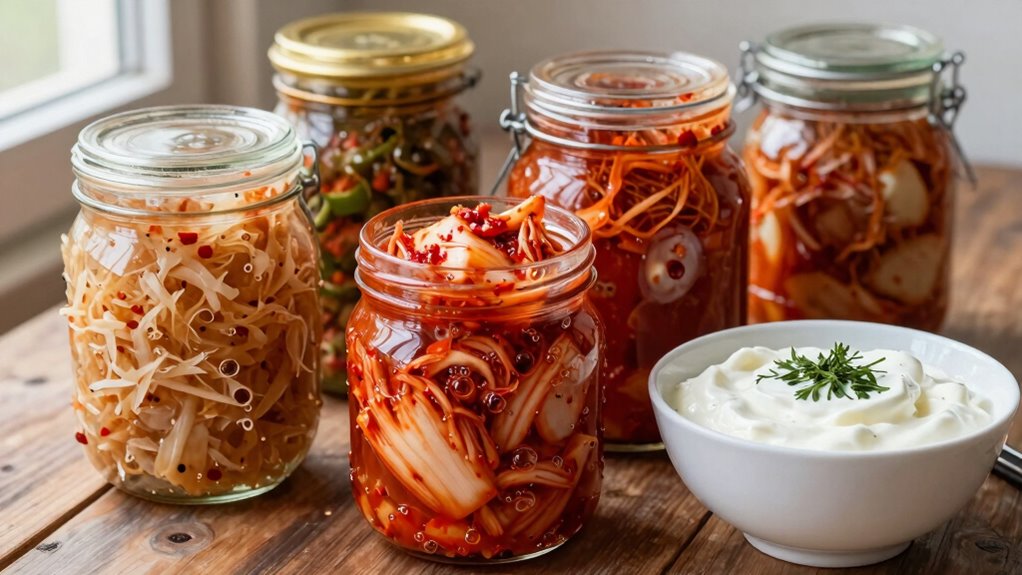
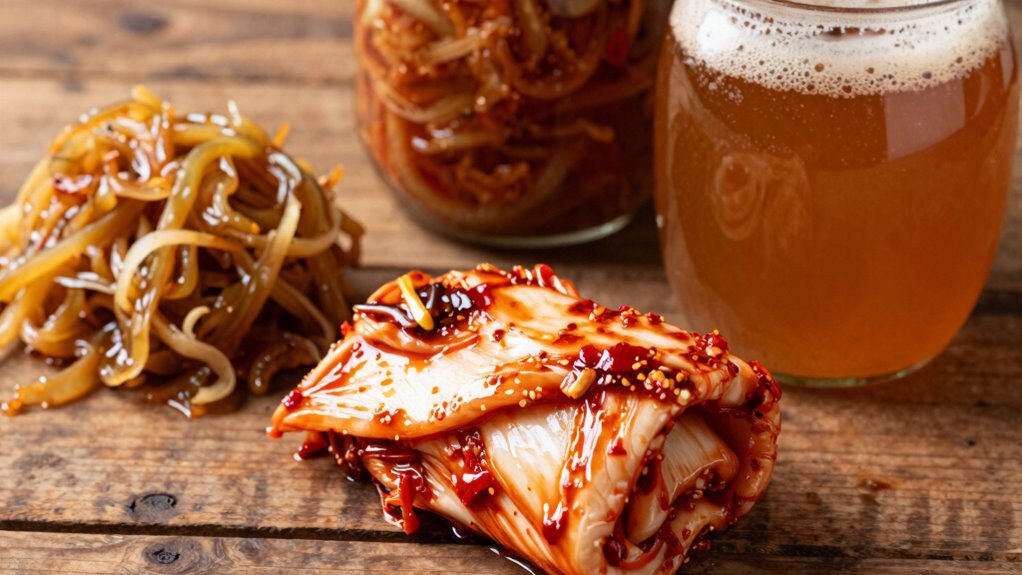
Fermented foods are those that have undergone a natural process where microorganisms like bacteria, yeast, or molds break down the sugars and other components in the food. This process has historical significance, as many cultures worldwide have relied on fermentation for preservation and flavor. For example, kimchi in Korea, sauerkraut in Germany, and yogurt in the Middle East all showcase diverse cultural variations. Fermentation not only extends food shelf life but also enhances nutritional value and taste. You benefit from these foods by introducing beneficial microorganisms into your diet, supporting digestion and overall health. These traditions reflect centuries of culinary ingenuity, connecting you to a rich tapestry of global food history while providing a tasty way to boost your well-being. Additionally, the natural fermentation process relies on specific microorganisms that contribute to the health benefits of these foods. Understanding the microorganisms involved can help you appreciate how these foods support your gut health and immune system. Recognizing the variety of fermentation methods used around the world can deepen your appreciation for these time-honored techniques and their health advantages. Exploring different fermentation techniques can also inspire you to try making your own fermented foods at home, further enhancing your dietary diversity.
As an affiliate, we earn on qualifying purchases.
How Do Fermented Foods Improve Your Gut and Immune Health?
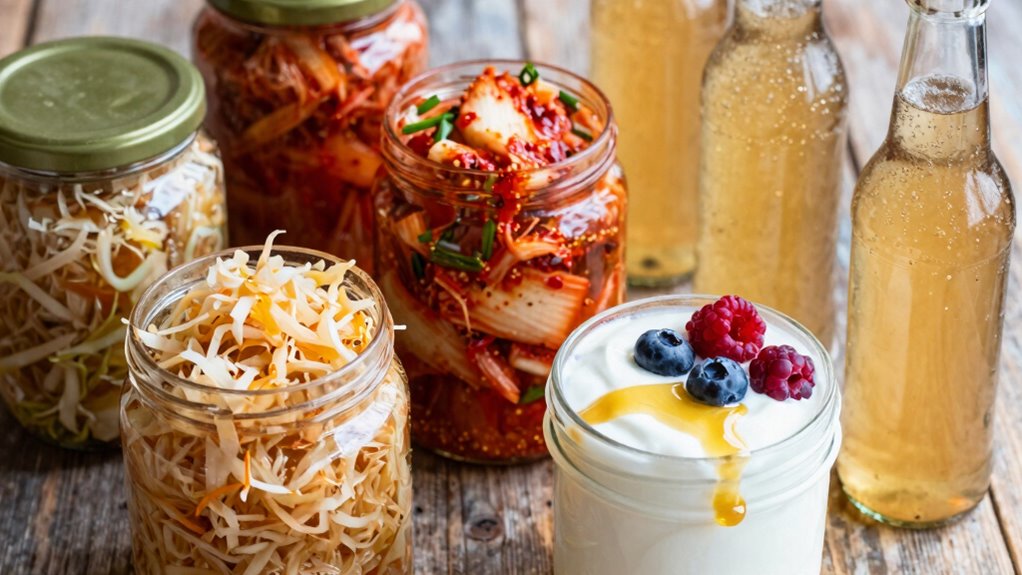
Because your gut plays a crucial role in overall health, consuming fermented foods can greatly enhance your digestive and immune functions. The probiotic benefits of these foods introduce beneficial bacteria that help balance your gut microbiome, improving digestive support. These probiotics assist in breaking down food, absorbing nutrients, and reducing bloating or discomfort. When your gut flora is healthy, it strengthens your immune system, making it easier to fend off illnesses. Fermented foods also promote the production of short-chain fatty acids, which support gut lining integrity and reduce inflammation. Incorporating fermented foods into your diet can also encourage the growth of diverse beneficial bacteria, further supporting a healthy microbiome. Additionally, choosing the right floor cleaning equipment can help maintain a clean and hygienic environment that supports overall well-being. Regular consumption of fermented foods can also positively influence your microbiome diversity, leading to better health outcomes. By regularly including fermented foods in your diet, you give your digestive system a natural boost, helping you feel better, stay healthier, and maintain ideal immune function.
As an affiliate, we earn on qualifying purchases.
Getting Started: How to Make Fermented Foods at Home Safely
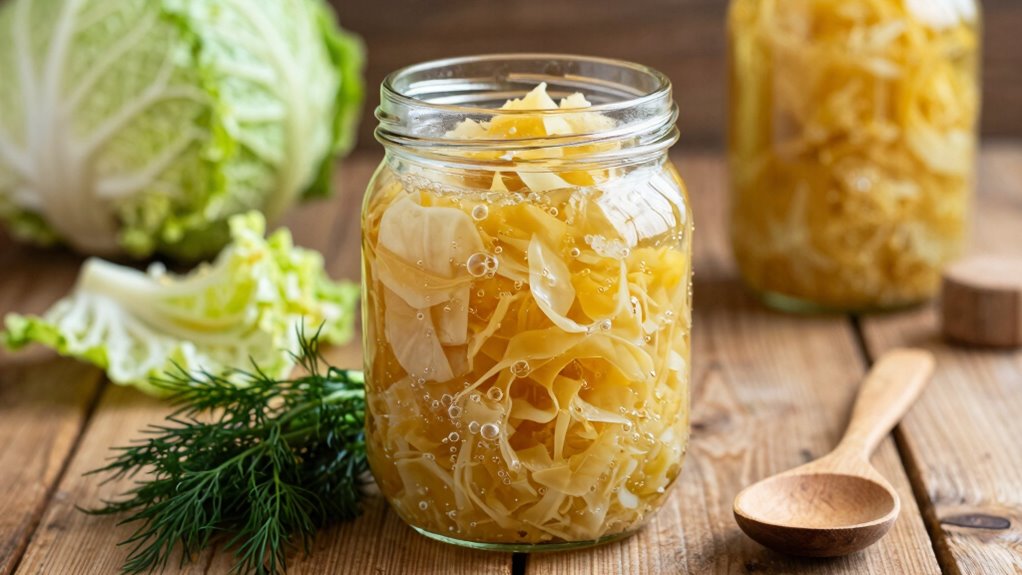
Creating your own fermented foods at home is a rewarding way to boost your gut health while ensuring you’re consuming safe, high-quality probiotics. To do this safely, prioritize fermentation safety by following proven guidelines. Start with clean, sterilized homemade equipment—such as jars, fermentation crocks, and utensils—to prevent unwanted bacteria. Use fresh ingredients and maintain proper salt or starter cultures to encourage beneficial fermentation. Keep your setup in a consistent, room-temperature environment and check regularly for signs of spoilage, like mold or off smells. Patience is key; avoid rushing the process. With careful attention to cleanliness and proper techniques, you can confidently produce delicious, safe fermented foods at home, enriching your diet and supporting your health.
As an affiliate, we earn on qualifying purchases.
What Are the Best Fermented Foods to Add to Your Diet?

Adding a variety of fermented foods to your diet can substantially boost your gut health and overall well-being. Some of the best options include yogurt, kefir, sauerkraut, kimchi, and kombucha. These foods offer diverse flavor combinations, making them easy to incorporate into meals. When choosing fermented foods, consider their fermentation techniques—some are naturally fermented, while others undergo specific processes to enhance probiotic content. For example, traditional kimchi involves fermentation with spices and vegetables, creating complex flavors, while kefir is a fermented dairy drink with a tangy taste. Including these foods regularly provides your gut with beneficial bacteria and helps support digestion. Fermentation techniques play a crucial role in determining the probiotic quality of these foods. Additionally, understanding the fermentation process can help you select products with higher probiotic levels and better health benefits. Exploring different fermentation methods can further optimize the health benefits you receive from these foods. Focus on variety to enjoy a broad spectrum of probiotics and flavors, making your diet both nutritious and delicious.
How to Choose Quality Fermented Products in Stores

When shopping for fermented foods, it’s important to look beyond just the label to guarantee you’re getting a high-quality product. Check the ingredient list for minimal additives and preservative-free options. Focus on store-bought options that use traditional fermentation techniques, such as naturally occurring bacteria, rather than quick or forced fermentation methods. Authentic fermentation often results in better flavor and probiotic content. Look for products with visible signs of fermentation—cloudy liquids, bubbles, or sediment are good indicators. Also, consider the packaging date and storage instructions to assure freshness. By understanding fermentation techniques, you can select products that maximize probiotic benefits and taste. Recognizing fermentation methods can help you distinguish between authentic and processed options. Choosing wisely helps you enjoy the full health benefits of fermented foods while avoiding low-quality or overly processed options.
Common Mistakes to Avoid When Fermenting or Eating Fermented Foods
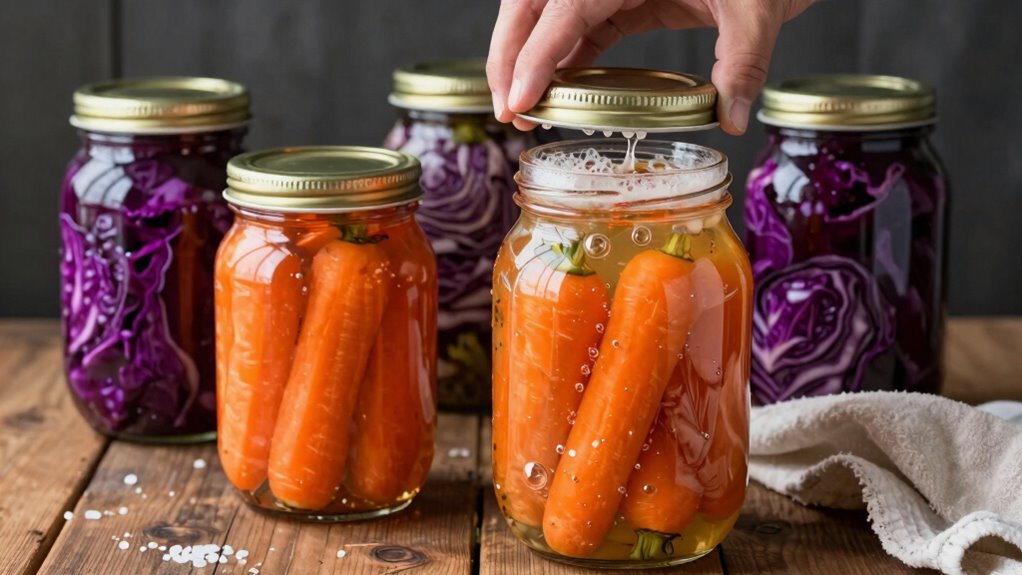
Many people make mistakes when fermenting or eating fermented foods that can compromise their safety and health benefits. Understanding the fermentation history and cultural significance helps you appreciate proper practices. To avoid pitfalls:
Avoid common fermentation mistakes to ensure safety, flavor, and respect for cultural traditions.
- Ignoring cleanliness – Poor hygiene can introduce harmful bacteria, risking spoilage or illness. Always clean tools and jars thoroughly.
- Overlooking fermentation times – Rushing the process can result in underdeveloped flavors or unsafe products. Follow recommended timings based on tradition and experience.
- Using inappropriate ingredients – Not all foods are suitable for fermentation, and using old or contaminated ingredients can be dangerous. Respect cultural significance by sourcing quality, fresh produce. Incorporating traditional fermentation methods can help ensure authenticity and safety. Additionally, understanding microbial cultures plays a crucial role in successful fermentation.
- Neglecting proper storage – Proper storage conditions are essential to maintain the safety and quality of fermented foods, especially when considering smart home tech that can monitor environment parameters. Ensuring the right temperature and humidity helps prevent spoilage and promotes optimal fermentation.
Avoid these mistakes to enjoy safe, flavorful fermented foods that honor their rich history and cultural roots.
Creative Ways to Incorporate Fermented Foods Into Your Meals
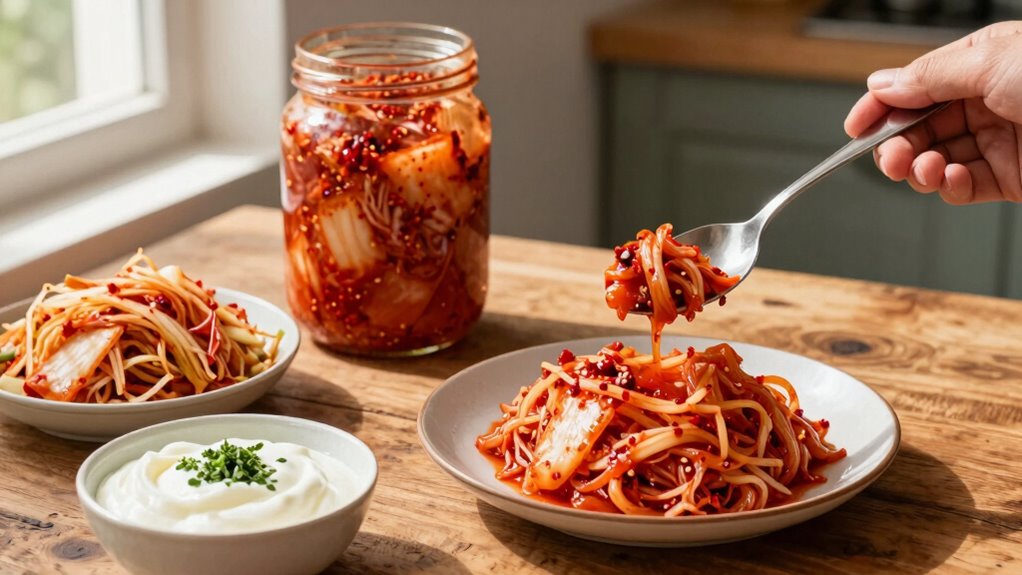
Incorporating fermented foods into your meals can elevate flavor and boost health benefits in simple, creative ways. Start by experimenting with flavor combinations—add sauerkraut or kimchi to sandwiches for tangy crunch, or mix yogurt with fresh herbs for a probiotic-rich dip. Use miso in soups or marinades to enhance umami taste, drawing from fermentation traditions that span cultures. Incorporate kefir into smoothies for a creamy, probiotic boost, or blend fermented vegetables into salads for extra zest. Fermentation isn’t just for side dishes; it can be integrated into main courses and snacks effortlessly. Exploring cross-cultural fermentation traditions can inspire you to discover new flavor pairings that make your meals both delicious and nourishing.
Why Fermentation Enhances Food Flavors and Preserves Naturally
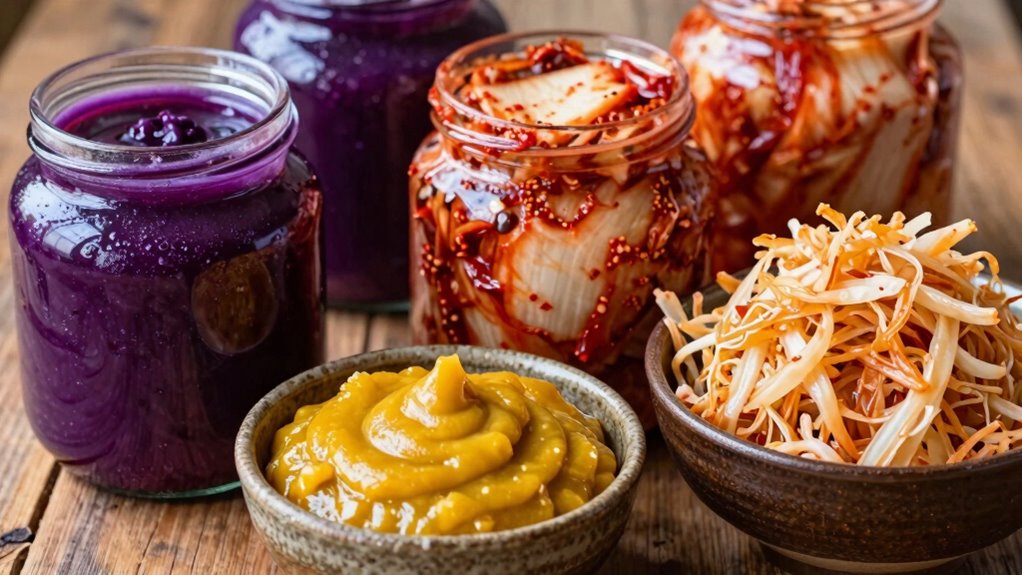
Fermentation enhances food flavors by transforming natural sugars and proteins into complex, savory profiles that deepen taste and add depth to dishes. This process leverages microbial activity to boost flavor enhancement naturally, creating richer, more nuanced foods. Additionally, fermentation acts as a natural preservation method, extending shelf life without artificial additives. Here are three reasons why fermentation is so effective:
- Microbes break down sugars, producing unique flavor compounds that intensify taste.
- Fermentation creates beneficial acids and enzymes that inhibit spoilage organisms.
- The process preserves nutrients, maintaining food quality over time.
Troubleshooting Fermentation: What To Do When Things Go Wrong?
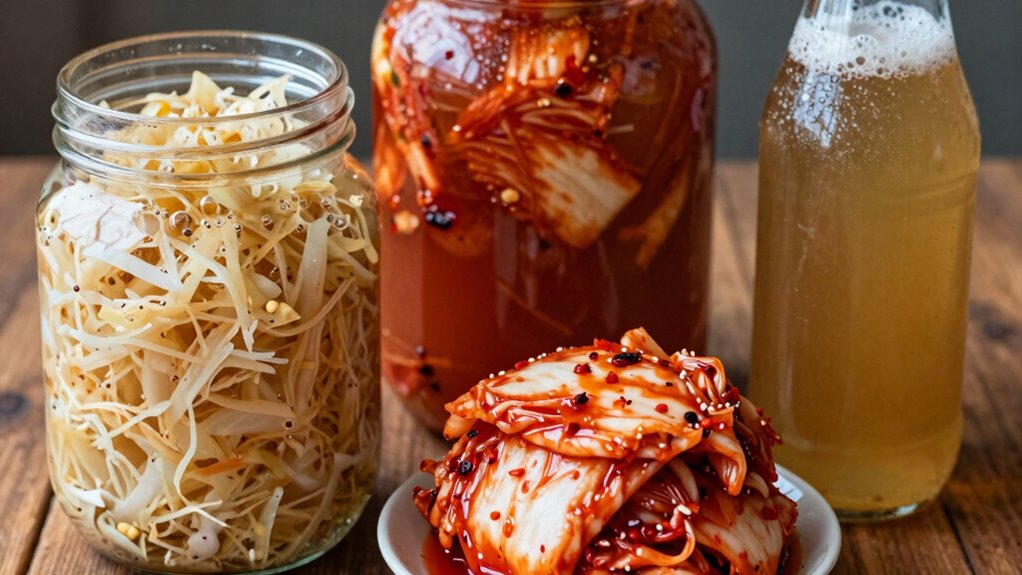
While fermentation naturally preserves food and enhances its flavor, not every batch turns out perfectly. If you notice mold, off-smells, or excessive fizz, don’t panic. These signs can signal fermentation safety issues. Use troubleshooting techniques like checking salt levels, ensuring proper submersion, and maintaining a consistent temperature. Sometimes, a simple adjustment can save your ferment. Here’s a quick guide:
| Issue | Possible Cause | Solution |
|---|---|---|
| Mold or Surface Growth | Contamination or oxygen exposure | Remove mold, improve sealing |
| Unpleasant Odor | Poor sanitation or wrong ingredients | Clean equipment, start fresh |
| Excessive Fizz | Over-fermentation or warm temp | Refrigerate sooner |
| Slime or Soft Texture | Too much moisture or improper handling | Adjust salt/water ratio |
| No Bubbles or Activity | Inactive starter or low temp | Warm slightly, add starter |
Troubleshooting techniques help guarantee fermentation safety and successful results.
Next Steps: Incorporating Fermented Foods Into Different Diets and Lifestyles
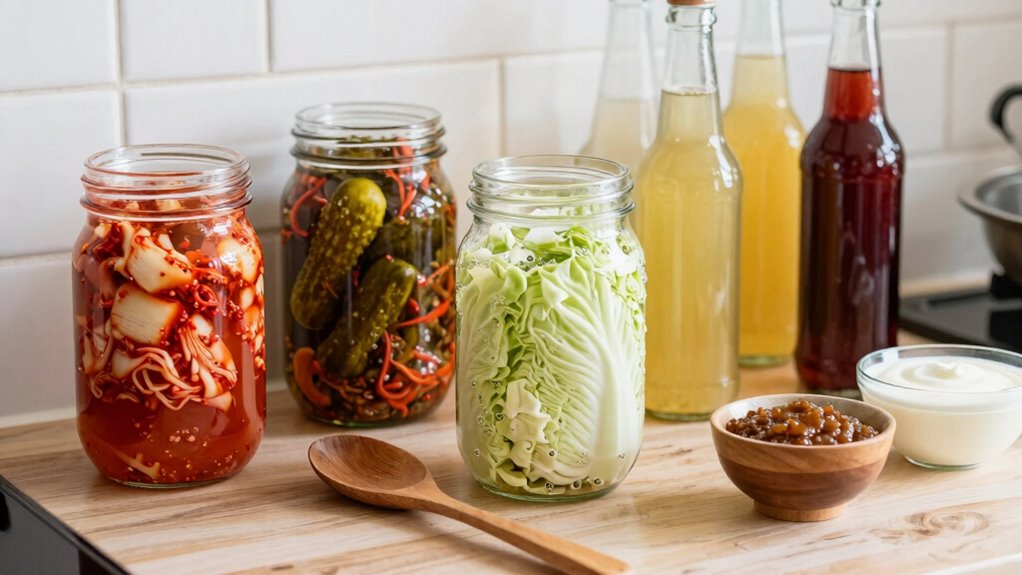
You can easily customize fermented foods to fit your dietary needs, whether you’re vegan, gluten-free, or following a specific plan. Consider simple tips like choosing plant-based options or adjusting portion sizes to match your lifestyle. With a few adjustments, fermented foods can become a seamless part of your everyday routine. Additionally, incorporating child safety tips can help ensure that your family enjoys these healthy options in a safe environment. Understanding dietary restrictions can also help you select the most suitable fermented foods for your unique health goals. Exploring nutritional benefits can further guide you in making informed choices about incorporating these foods into your diet. Staying informed about technology trends can also inspire innovative ways to enjoy and prepare fermented foods in modern kitchens. Being aware of storage techniques can ensure that fermented foods remain fresh and safe to consume over time.
Tailoring Fermented Foods to Dietary Needs
Have you ever wondered how to incorporate fermented foods into your specific diet or lifestyle? Here are three ways to tailor fermented foods to your needs:
- Choose gluten-free options like sauerkraut, kimchi, or kombucha to suit gluten sensitivities.
- Opt for vegan-friendly choices such as coconut yogurt, tempeh, or fermented vegetables that avoid animal products.
- Experiment with homemade recipes to control ingredients, ensuring they meet your dietary restrictions and preferences.
Tips for Different Lifestyles
Adapting fermented foods to fit various lifestyles can enhance your overall well-being and make incorporating these nutritious options more practical. Lifestyle adaptations depend on your daily routine, dietary preferences, and cultural influences. For busy schedules, opt for quick, fermented snacks like yogurt or kimchi, and incorporate them into meals effortlessly. If you follow specific cultural traditions, explore fermented foods unique to that heritage—such as miso in Japanese cuisine or sauerkraut in German dishes—to stay connected to your roots. For plant-based lifestyles, focus on fermented vegetables and plant-based yogurts. Tailoring your choices ensures you enjoy the benefits of fermentation without disrupting your routine, making it easier to sustain long-term healthy habits that align with your cultural background and lifestyle needs.
Frequently Asked Questions
Can Fermented Foods Help With Specific Health Conditions?
Yes, fermented foods can help with specific health conditions by providing probiotic benefits that promote better digestive health. These beneficial bacteria support your gut, improve nutrient absorption, and can reduce symptoms of digestive issues like bloating, constipation, and diarrhea. Incorporating fermented foods into your diet regularly can strengthen your immune system and help manage certain conditions, making them a practical addition to your overall health and wellness routine.
Are There Any Risks or Side Effects of Eating Fermented Foods?
You should be aware that while fermented foods are generally safe, probiotic safety varies depending on individual health and the quality of the product. Fermentation risks include contamination or over-fermentation, which can cause digestive discomfort or foodborne illness. If you have a compromised immune system or allergies, consult your healthcare provider before adding large amounts of fermented foods. Moderation and choosing reputable sources help minimize potential side effects.
How Long Do Fermented Foods Last in the Refrigerator?
Fermented foods typically last about one to three weeks in your refrigerator, depending on the type and storage conditions. Proper preservation methods, like keeping them in airtight containers and maintaining a consistent cool temperature, help extend their shelf life. Always check for signs of spoilage, such as off smells or mold. When in doubt, it’s safer to discard fermented foods that show any unusual changes to avoid health risks.
Do Fermented Foods Contain Alcohol or Live Bacteria?
Fermented foods generally contain live bacteria, which provide probiotic benefits, but they usually don’t have significant alcohol content. During fermentation, tiny amounts of alcohol can form naturally, but it’s typically very low—much lower than in alcoholic beverages. So, when you enjoy foods like yogurt, kimchi, or sauerkraut, you’re mainly consuming live bacteria that support gut health, with minimal or negligible alcohol content involved.
Can Children or Pregnant Women Safely Consume Fermented Foods?
You might worry about child safety and pregnancy benefits, but most fermented foods are safe when eaten in moderation. Children can enjoy small amounts, and pregnant women often gain benefits like improved digestion and immune support. Just guarantee the foods are properly prepared and pasteurized to avoid any risks. Always consult your healthcare provider for personalized advice, but generally, incorporating fermented foods can support health for both children and expectant mothers.
Conclusion
Embracing fermented foods is like planting seeds of health in your daily routine, nurturing your gut and immune system. As you incorporate these vibrant, living foods, watch your wellness blossom like a garden in spring. Each jar, plate, or homemade batch becomes a symbol of your commitment to energy and balance. Keep exploring and experimenting—your journey toward a healthier, more resilient you is a delicious adventure worth savoring.
Evergreen bestsellers Picks
bestsellers
As an affiliate, we earn on qualifying purchases.